
You want the best for your dog, especially when it comes to their food. But have you ever wondered how old a dog can get on adult dog food?
Knowing when to switch and what to feed can make a big difference in your dog’s health and happiness. You’ll discover the key signs to look for and why choosing the right food matters at every stage. Keep reading to learn how to keep your furry friend thriving for years to come.
Dog Aging Stages
Understanding the different stages of your dog’s life helps you choose the right adult dog food and care routine. Dogs age much faster than humans, and their nutritional needs shift as they grow. Paying close attention to these changes can improve your pet’s health and longevity.
Puppy To Adult Transition
The move from puppy to adult usually happens between 12 to 18 months, depending on the breed. During this time, your dog’s energy levels stabilize, and their growth slows down.
You should switch from puppy food to adult dog food gradually to avoid digestive issues. Adult formulas have fewer calories but maintain essential nutrients to support a healthy metabolism and muscle maintenance.
Adult To Senior Changes
Senior dogs typically start showing signs of aging around 7 years old, but this varies by breed size. Larger breeds tend to age faster, while smaller dogs often stay active longer.
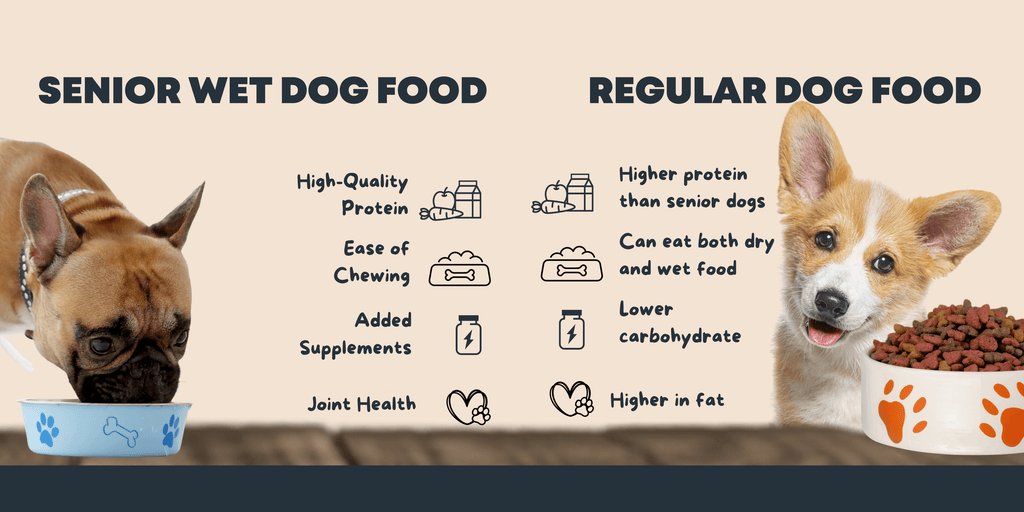
Nutrition for seniors focuses on joint support, weight management, and cognitive health. If you notice your dog slowing down or gaining weight easily, it might be time to transition to senior dog food or consult your vet for personalized advice.
Factors Influencing Lifespan
How long your dog lives depends on many factors beyond diet. Genetics, breed, exercise, and regular veterinary care all play major roles.
- Breed:Smaller breeds like Chihuahuas often live longer than larger breeds like Great Danes.
- Health:Chronic conditions can shorten lifespan but can be managed with proper nutrition.
- Environment:Stress-free and active lifestyles promote longevity.
Have you noticed changes in your dog’s behavior or appetite as they age? Monitoring these signs can help you adjust their food and lifestyle to keep them comfortable and healthy.
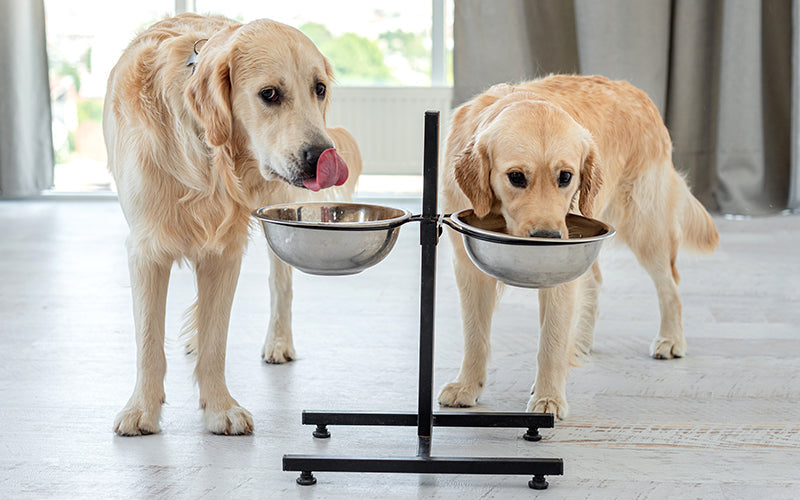
Credit: blepworld.com
Choosing Adult Dog Food
Choosing the right adult dog food is crucial for your pet’s health and longevity. You want to provide a balanced diet that supports their energy, maintains their weight, and keeps their coat shiny. But how do you identify the best options amid so many choices?
Nutritional Needs By Age
Adult dogs have different nutritional needs compared to puppies or seniors. Typically, adult dogs require a diet rich in protein to maintain muscle mass and moderate fat for energy. As dogs age, their metabolism slows, so the calorie content should adjust accordingly.
Think about your dog’s activity level and breed size. A highly active adult dog may need more calories and nutrients than a more sedentary one. Are you feeding your dog food that matches their current life stage and lifestyle?
Key Ingredients To Look For
High-quality protein sources like chicken, beef, or fish should top your ingredient list. Proteins help repair tissues and keep your dog strong. Look for foods with whole grains or vegetables to provide essential fiber and vitamins.
- Real meat as the first ingredient
- Omega-3 and Omega-6 fatty acids for skin and coat health
- Antioxidants such as vitamins E and C to support the immune system
Ingredients like sweet potatoes or brown rice offer good carbohydrates without causing spikes in blood sugar. Have you checked what’s actually inside your dog’s bowl lately?
Avoiding Harmful Additives
Some dog foods contain artificial colors, flavors, or preservatives that can harm your dog’s health over time. These additives may cause allergies or digestive problems. You want to steer clear of ingredients like BHA, BHT, and ethoxyquin.
Watch for generic fillers like corn, wheat, or soy, which provide little nutritional value and sometimes trigger allergies. Choosing a cleaner formula means fewer risks and better digestion for your dog.
Next time you shop, read the label carefully and ask yourself: does this food support my dog’s health or just fill their stomach?
Feeding Guidelines By Age
Understanding the feeding guidelines by age is crucial for your dog’s health. Dogs have different nutritional needs at each life stage. Choosing the right food and portions ensures they thrive.
Feeding Puppies Vs Adults
Puppies require more calories and nutrients than adults. Their food should support rapid growth and development. Look for puppy-specific formulas rich in proteins and fats. Adult dogs need balanced nutrients to maintain their health. Their food should have controlled calories to prevent obesity.
Adjusting Portions For Seniors
Seniors often need fewer calories due to reduced activity. Consider foods with joint support and digestive health benefits. Adjust portions based on their weight and activity level. Monitor their weight to ensure they stay healthy.
Frequency And Timing Tips
Puppies eat more frequently than adults. Typically three to four times a day. Adults usually eat twice a day. Seniors might benefit from smaller, more frequent meals. Stick to regular feeding times to maintain a routine.
Special Diets For Aging Dogs
As dogs grow older, their nutritional needs change significantly. Special diets for aging dogs help maintain their health and comfort. These diets focus on specific health concerns common in senior dogs.
Choosing the right food can improve your dog’s quality of life. It supports aging bodies and keeps them active longer. Understanding key diet features is important for pet owners.
Weight Management
Older dogs tend to gain weight due to less activity. Excess weight stresses joints and organs. Special diets have fewer calories but keep dogs full. High fiber content helps control hunger and supports digestion. Maintaining a healthy weight reduces risks of diabetes and heart problems.
Joint Health Support
Joint problems are common in aging dogs. Ingredients like glucosamine and chondroitin help repair cartilage. Omega-3 fatty acids reduce inflammation and ease pain. These nutrients support mobility and comfort. Diets rich in these elements keep dogs moving happily.
Digestive Care
Senior dogs often face digestive issues. Their stomachs become sensitive and less efficient. Special diets include easily digestible proteins and fibers. Probiotics improve gut health and nutrient absorption. This helps prevent upset stomach and keeps digestion smooth.
Signs To Change Dog Food
Knowing when to change your dog’s food is crucial for their health and happiness. Dogs’ nutritional needs evolve as they age, and ignoring the signs can affect their wellbeing. Paying close attention to certain behaviors and physical changes will help you decide the right time to switch to adult dog food.
Behavior And Energy Levels
Have you noticed your dog becoming less active or more sluggish? A drop in energy might mean their current food isn’t meeting their nutritional needs anymore. On the other hand, if your dog seems restless or hyperactive, it could also be a sign that their diet isn’t balanced properly.
Observe if your dog is less enthusiastic during walks or playtime. Changes in appetite, such as eating less or more than usual, can also signal a need for a diet adjustment.
Weight Fluctuations
Unexpected weight gain or loss is a clear sign to reconsider your dog’s food. Adult dog food formulas often contain the right balance of calories to maintain a healthy weight. If you notice your dog’s waistline expanding or ribs becoming more visible, it’s time to act.
Try to weigh your dog regularly and compare it to their ideal weight range. Adjusting their diet early can prevent more serious health issues down the road.
Health And Vet Recommendations
Your vet’s advice is one of the most reliable indicators for changing dog food. Regular check-ups can reveal changes in your dog’s health that require dietary modifications. For example, dogs with sensitive stomachs or allergies might need a specialized adult formula.
Don’t hesitate to ask your vet about the best food options based on your dog’s age, breed, and health status. Have you discussed your dog’s diet during their last visit?

Credit: www.businessinsider.com
Common Feeding Mistakes
Feeding an adult dog the right food is important for its health and longevity. Many dog owners make common mistakes that harm their pets over time. These errors can lead to weight problems, nutritional gaps, and health issues. Understanding these mistakes helps improve your dog’s diet and overall well-being.
Overfeeding And Obesity
Giving too much food can cause your dog to gain excess weight. Obesity leads to joint pain, heart problems, and shorter life. Treats and table scraps add extra calories that many owners overlook. Portion control is key. Follow the feeding guidelines on the dog food package. Adjust portions based on your dog’s activity and age.
Ignoring Breed-specific Needs
Different dog breeds have unique dietary needs. Large breeds need food that supports joint health. Small breeds require nutrient-dense meals in smaller portions. Ignoring these differences can lead to poor growth or health issues. Choose dog food formulated for your breed’s size and age. This helps maintain optimal health and energy levels.
Skipping Regular Vet Checks
Regular vet visits catch health problems early. Your vet can suggest diet changes for aging dogs or health conditions. Skipping these check-ups means missing vital advice. Blood tests and weight checks help adjust your dog’s food plan. Always consult your vet before changing your dog’s diet or switching food brands.
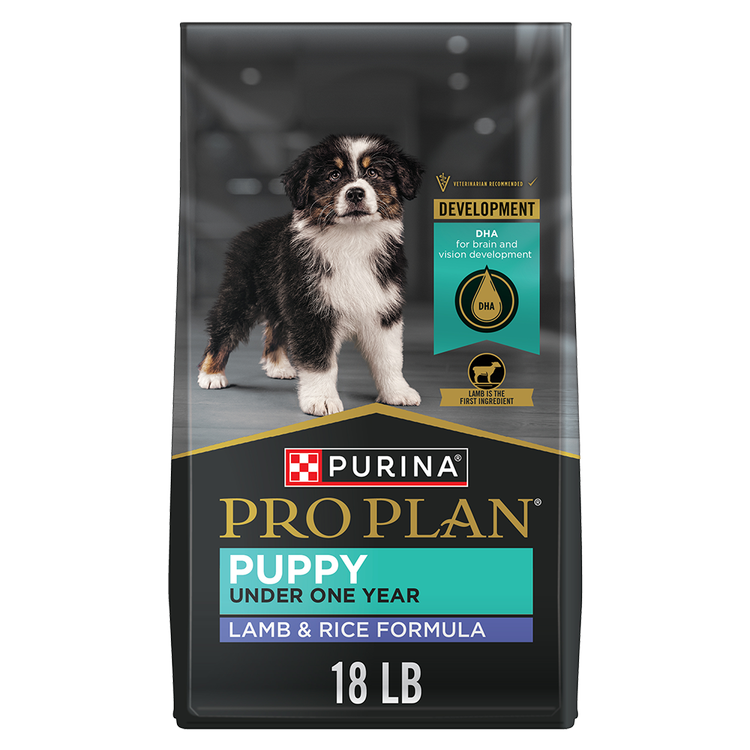
Credit: www.purina.com
Frequently Asked Questions
How Long Can Dogs Eat Adult Dog Food?
Dogs can safely eat adult dog food from about 1 year old to senior age. Nutritional needs may change, so consult your vet for adjustments.
When Should I Switch My Dog To Adult Food?
Switch your dog to adult food around their first birthday or when growth slows. This supports balanced nutrition for their adult life stage.
Can Senior Dogs Eat Adult Dog Food?
Senior dogs can eat adult dog food but may need formulas with joint support and fewer calories. Specialized senior food is often better for aging pets.
How Does Adult Dog Food Affect Dog Lifespan?
Proper adult dog food supports health and longevity by providing balanced nutrients. Quality food helps prevent diseases and maintain ideal weight, extending your dog’s life.
Conclusion
Dogs need the right food as they grow older. Adult dog food suits most dogs after puppyhood. Age and health affect when to switch foods. Watch your dog’s energy and weight for clues. Consult a vet for personalized advice. Feeding the right food helps dogs live well.
Keep your dog happy with proper nutrition. Good food supports their health and longevity. Choose wisely and adjust as your dog ages. Simple steps can make a big difference.