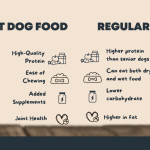

Are you wondering when your furry friend is ready to switch from puppy food to adult food? Making this change at the right time is important for your dog’s health and happiness.
Feeding your dog adult food too early or too late can cause problems you want to avoid. You’ll discover the signs to watch for and the best time to make the switch. Keep reading to ensure your dog gets the nutrition they need to grow strong and stay healthy.

Credit: jiminys.com
Signs Of Puppy Growth
Recognizing the signs of puppy growth helps decide the right time for adult food. Puppies change fast in both body and behavior. Watching these changes closely guides feeding choices.
Physical Development Milestones
- Puppies start losing baby teeth around 3 to 4 months old.
- Adult teeth usually come in by 6 months.
- Weight gain slows as the puppy nears full size.
- Coat texture becomes thicker and shinier.
- Muscle tone improves with increased activity.
Behavioral Changes
- Puppies show less dependence on their mother or littermates.
- They become more curious and explore their environment.
- Energy bursts may become more controlled and focused.
- Training responses improve with better attention span.
- Social interactions grow more complex and mature.
Age To Transition Food
Knowing the right age to switch your dog from puppy food to adult food is crucial for their health and growth. Feeding adult food too early or too late can affect your dog’s energy levels, digestion, and overall wellbeing. Understanding when to make this change helps you support your dog’s development with the right nutrition.
Typical Age Range
Most dogs transition to adult food between 9 and 12 months of age. This is when their growth rate begins to slow down, and their nutritional needs shift from rapid development to maintenance.
However, this timeline isn’t set in stone. Some dogs might be ready a little earlier, while others need more time on puppy food. Watch for signs like slowing growth and less intense play behavior to guide your decision.
Breed Size Considerations
Breed size plays a big role in when to switch to adult food. Smaller breeds, such as Chihuahuas or Dachshunds, usually mature faster and can move to adult food around 9 to 12 months.
Large and giant breeds like Great Danes or Saint Bernards often need puppy food longer, sometimes up to 18 or even 24 months. Their bones and joints develop more slowly, so premature transition can cause nutritional gaps.
Have you noticed how your dog’s breed affects their growth pace? Tailoring the transition to your dog’s size ensures they get the right fuel at the right time.
Choosing The Right Adult Food
Puppies usually switch to adult food around one year old. This change supports their growth and energy needs as they mature. Watching your dog’s size and activity helps decide the best time to start adult food.
Choosing the right adult dog food is crucial for your furry friend’s health and happiness. Transitioning from puppy food to adult food is a significant change, and selecting the right type can make all the difference in their well-being. The right choice ensures they receive all the nutrients they need for energy, growth, and maintaining a healthy weight.Nutritional Needs
Understanding your dog’s nutritional needs is the first step in selecting the right adult food. Adult dogs require a balanced diet with the right amounts of proteins, fats, and carbohydrates. Consider your dog’s size, breed, and activity level. A highly active dog may need more protein and calories compared to a more sedentary one. Always check the label for key nutrients such as omega-3 fatty acids, which support skin and coat health, and glucosamine, which aids joint health.Types Of Adult Dog Food
The market offers a variety of adult dog food options. Dry kibble is popular for its convenience and dental health benefits. It can help reduce plaque buildup on your dog’s teeth. Wet food, on the other hand, is often more palatable and can be a good option for picky eaters. It also provides additional moisture, which is beneficial for hydration. Grain-free options are available for dogs with specific dietary sensitivities. However, consult your vet before making significant changes to your dog’s diet. Balancing between different types and brands can help provide a well-rounded diet. Have you tried mixing wet and dry food for a change in texture and flavor?
Credit: petheavenblogs.com
Transitioning Process
Switching your dog from puppy food to adult food is a key milestone. The transitioning process needs careful attention to avoid upsetting your dog’s stomach or causing nutrient imbalances. Taking it slow and watching your dog’s reactions can make this change smooth and healthy.
Gradual Food Introduction
Start by mixing a small amount of adult food into your dog’s regular puppy food. A good rule of thumb is to begin with about 25% adult food and 75% puppy food. Over the course of 7 to 10 days, slowly increase the amount of adult food while decreasing the puppy food.
This gradual introduction helps your dog’s digestive system adjust without shock. Sudden changes can lead to vomiting or diarrhea, which you want to avoid. Have you noticed your dog’s reaction when you introduced new treats before? This approach works similarly.
Monitoring Digestive Health
Keep a close eye on your dog’s stool and overall behavior during the transition. Soft stools or diarrhea could mean the new food is too much too soon. If you see any digestive upset, slow down the transition process.
Also, watch for signs like lethargy, loss of appetite, or excessive scratching, which might indicate a food intolerance. Remember, your dog’s comfort is as important as the nutrition they get. How often do you check your dog’s digestion when changing their diet?
Common Mistakes To Avoid
Knowing when to switch your dog to adult food is important, but equally crucial is avoiding common mistakes during this transition. These errors can affect your dog’s health and growth in unexpected ways. Understanding these pitfalls helps you make better choices for your furry friend’s diet.
Switching Too Early Or Late
Switching your dog to adult food too early can leave them without the nutrients they need for proper development. Puppies require specific vitamins and minerals that adult food might lack. On the other hand, waiting too long to switch can lead to unnecessary weight gain or nutrient imbalances.
Watch your dog’s breed size and growth rate closely. Large breeds mature slower and might need puppy food longer than small breeds. Have you ever noticed your dog losing energy or gaining too much weight during the transition? This could be a sign the timing is off.
Ignoring Dietary Sensitivities
Every dog has unique dietary needs and sensitivities. Ignoring these can cause digestive upset, allergies, or skin problems. If your dog shows signs like itching, diarrhea, or vomiting after switching foods, it’s time to reconsider the ingredients.
Keep a food diary to track reactions and consult your vet before making changes. Remember, adult dog food comes in many varieties—grain-free, limited ingredient, or hypoallergenic options might be better for sensitive pups. How well do you know your dog’s food preferences and restrictions?
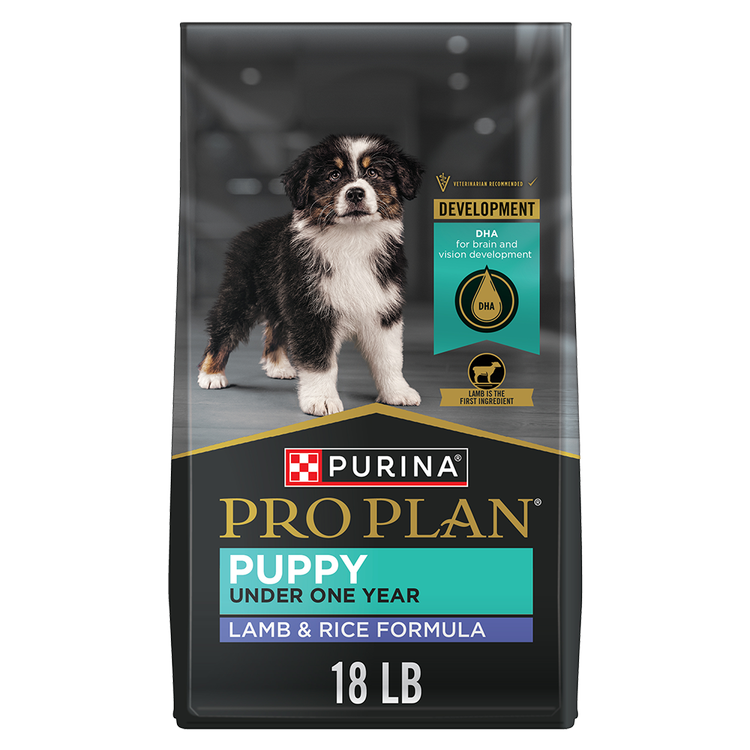
Credit: www.purina.com
Special Considerations
Switching your dog to adult food isn’t just about age—it’s about understanding what your dog truly needs. Special considerations can make the transition smoother and safer. Paying attention to your dog’s unique situation helps avoid common feeding mistakes.
Health Conditions
If your dog has health issues, you need to be extra cautious. Dogs with allergies, digestive problems, or weight concerns might require a specific diet. For example, a dog with sensitive stomachs may need a gradual switch to avoid upset.
Some health conditions demand special nutrients or restrictions. Your vet can guide you if your dog needs low-fat or hypoallergenic adult food. Have you noticed any changes in your dog’s digestion or energy? Those signs are crucial in deciding when and what to feed.
Activity Levels And Lifestyle
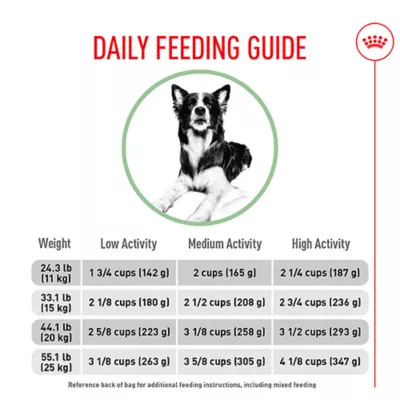
Think about how active your dog is. A highly energetic dog burning lots of calories may need more protein and fat than a less active one. Adult foods come in formulas for different activity levels—make sure you choose the right one.
Your dog’s lifestyle also matters. Indoor dogs might need fewer calories to avoid weight gain, while working dogs require more energy-dense meals. Are you matching your dog’s food to their daily routine? This small adjustment can improve their health and happiness.
When To Consult A Vet
Knowing the right time to consult a vet about switching your dog to adult food is crucial. Sometimes, changes in your dog’s behavior or health signal that their diet needs a professional review. Don’t hesitate to reach out to your vet if something feels off or if you’re unsure about the best feeding schedule for your pet.
Signs Of Food Intolerance
Food intolerance in dogs can be subtle or obvious. Watch for persistent vomiting, diarrhea, or excessive gas shortly after meals. If your dog starts scratching more or develops skin rashes, these could also indicate a reaction to their current food.
It’s easy to mistake these signs for normal puppy growing pains, but ignoring them can lead to bigger health problems. A vet can help identify if your dog needs a special diet or if certain ingredients should be avoided.
Adjusting Diet For Growth Issues
Not all puppies grow at the same pace, and some may require diet adjustments to support healthy development. If your dog appears underweight or overweight, or if their energy levels drop, these are red flags worth discussing with your vet.
Your vet might suggest specific adult food formulas or supplements tailored to your dog’s unique growth needs. Remember, the right diet can prevent future joint problems and ensure your dog stays active and happy.
Frequently Asked Questions
When Is The Right Age For Dogs To Eat Adult Food?
Dogs can start eating adult food around 12 months old. Large breeds may transition between 12-18 months. Consult your vet for the best timing based on breed and health.
How To Switch Puppies To Adult Dog Food Safely?
Gradually mix adult food with puppy food over 7-10 days. Increase adult food while decreasing puppy food. This prevents digestive upset and helps dogs adjust smoothly.
What Signs Indicate A Dog Is Ready For Adult Food?
Look for slower growth and stable energy levels. If your dog’s coat and teeth are healthy, it’s likely ready. Always check with your vet before switching.
Can Feeding Adult Food Too Early Harm Puppies?
Yes, feeding adult food too soon can cause nutrient imbalances. Puppies need higher protein and fat for growth. Early adult food may stunt development or cause digestive issues.
Conclusion
Choosing the right time for adult dog food helps your pet grow healthy. Most dogs switch at about one year old. Watch your dog’s size and energy to decide. Gradual change keeps their stomachs happy and safe. Good food supports strong bones and shiny fur.
Always check with your vet for the best advice. Feeding the right food means a happy, active dog. Remember, your care shapes your dog’s health every day.