Are you wondering if it’s okay to feed your puppy adult dog food in cans? You want what’s best for your furry friend, and choosing the right food is a big part of that.
But not all dog food is created equal, especially when it comes to puppies who need special nutrients to grow strong and healthy. Keep reading to find out if adult canned dog food can meet your puppy’s needs or if it could cause problems down the road.
Your puppy’s health depends on the choices you make today—let’s make sure you’re giving them the right start.
Credit: pazera-software.com
Nutritional Needs Of Puppies
Puppies need special food to support their fast growth and energy levels. Their nutritional needs differ from adult dogs. Feeding puppies the right nutrients helps their bones, muscles, and organs develop properly. Understanding these needs is key to choosing the best food for your young dog.
Growth And Development Requirements
Puppies grow quickly during their first year. They need more calories than adult dogs to keep up with this growth. Their bodies use these calories to build strong bones and muscles. Proper nutrition also supports brain development and a healthy immune system.
Because puppies burn energy fast, they require frequent meals. Small, balanced portions help maintain energy throughout the day. Feeding them adult dog food may not meet these needs. Puppy food usually contains extra nutrients to support rapid growth stages.
Key Nutrients For Puppies
- Protein:Essential for muscle and tissue growth. Puppies need higher protein levels than adults.
- Fat:Provides energy and helps absorb vitamins. Fat is crucial for healthy skin and coat.
- Calcium and Phosphorus:Important for strong bones and teeth development. The right balance avoids growth problems.
- Vitamins and Minerals:Support overall health and immune function. Vitamins A, D, and E are especially vital.
- DHA:A fatty acid important for brain and eye development.
Puppy food formulas include these nutrients in proper amounts. Adult dog food often lacks the right balance. Feeding puppies adult canned food regularly might lead to nutritional gaps. Always check labels to ensure the food suits your puppy’s needs.
Differences Between Puppy And Adult Dog Food
Puppy and adult dog foods serve different purposes. Puppies need more nutrients to grow strong and healthy. Adult dogs require maintenance nutrition to stay fit. Understanding their differences helps in choosing the right food.
Calorie Content Comparison
Puppy food contains more calories than adult dog food. Puppies burn energy quickly and need extra fuel. Adult dog food has fewer calories to prevent weight gain. Feeding puppies adult food may not meet their energy needs.
Protein And Fat Levels
Puppy food has higher protein and fat levels. These nutrients support muscle growth and brain development. Adult dog food contains moderate protein and fat for daily health. Puppies fed adult food might lack essential building blocks.
Vitamin And Mineral Variations
Puppy food includes extra vitamins and minerals like calcium and phosphorus. These help bone growth and strong teeth. Adult dog food has balanced vitamins for maintenance. Puppies need more to support their rapid development.
Risks Of Feeding Puppies Adult Canned Food
Feeding puppies adult canned dog food might seem convenient. Yet, it poses several risks to their health. Puppies have different nutritional needs than adult dogs. It’s essential to understand these risks to ensure your puppy grows strong and healthy.
Potential Nutritional Deficiencies
Adult dog food lacks essential nutrients for puppies. Puppies need more protein for growth. Adult formulas might not provide enough. Puppies also require more calcium and phosphorus. These support bone development. Without these nutrients, puppies may face health issues. Always check the label for nutritional content.
Digestive Issues
Puppies have sensitive stomachs. Adult dog food can be too rich for them. This can cause digestive problems. Diarrhea and vomiting are common signs. Puppies may struggle to digest adult food properly. Their digestive system is still developing. Feeding them the wrong food can upset their stomachs.
Long-term Health Effects
Feeding puppies adult food can affect their growth. Poor nutrition can lead to stunted growth. It may also cause skeletal deformities. Puppies need specific nutrients for proper development. Without them, they risk long-term health issues. Choose food designed for puppies to avoid these problems.
Credit: greensafaris.com
When Adult Dog Food Might Be Safe
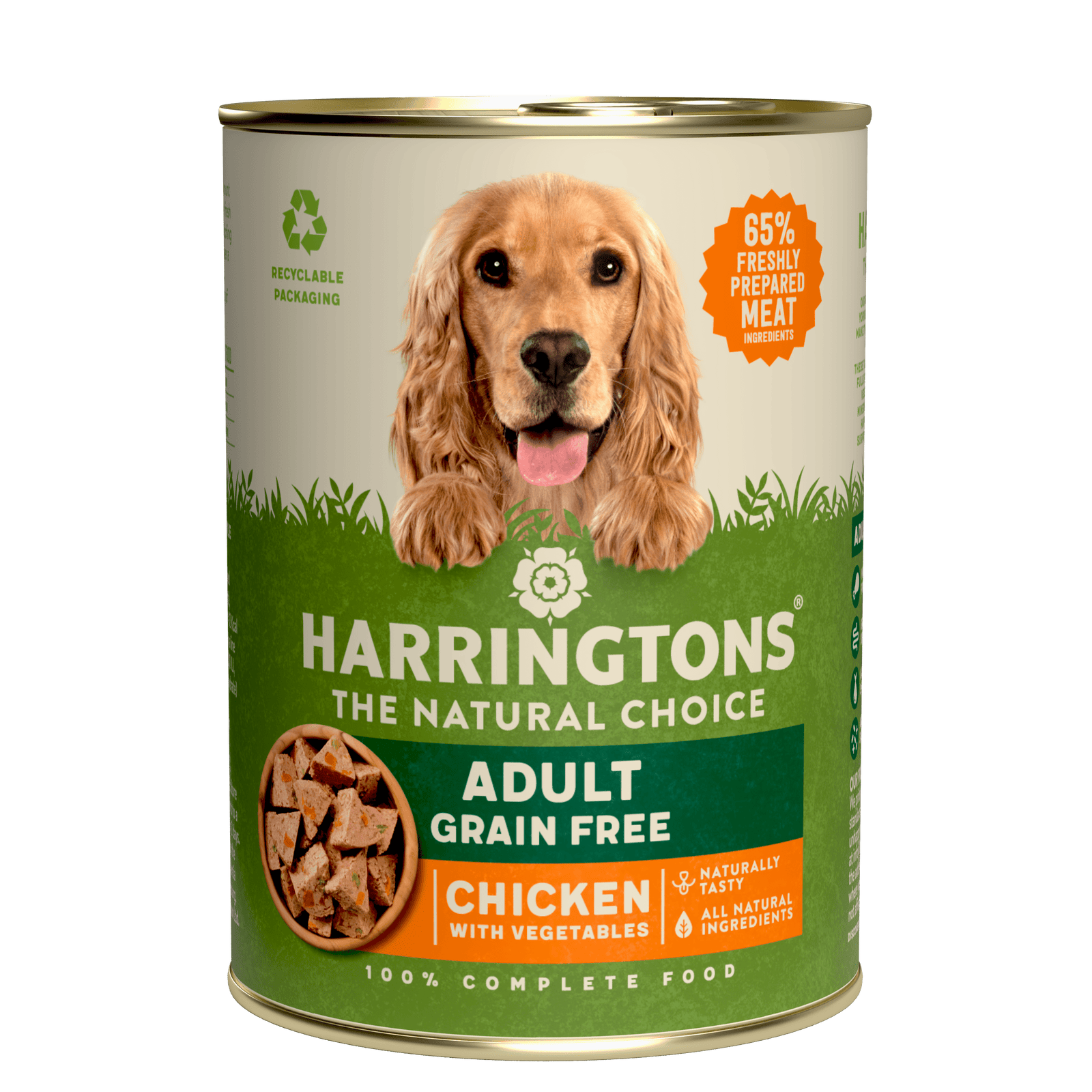
Adult dog food is made for fully grown dogs and has different nutrients than puppy food. Puppies need extra vitamins and minerals to grow strong and healthy. There are some cases when adult dog food might be safe for puppies. Knowing these moments can help avoid health problems.
Occasional Feeding Scenarios
Sometimes, feeding adult dog food to a puppy for a short time is okay. For example, during travel or if puppy food runs out. In these cases, adult food can fill in temporarily. It is important not to make it a regular habit. Use adult food only for a day or two. Watch for any signs of upset stomach or low energy. Puppies need proper nutrition every day to grow well.
Consulting A Veterinarian
A vet can give the best advice about feeding puppies adult dog food. They know the puppy’s health needs and growth stage. Some puppies with special health conditions may need adult food. The vet can suggest the right type and amount. Always ask before making any changes to your puppy’s diet. This keeps your puppy safe and healthy.
Choosing The Right Food For Your Puppy
Choosing the right food for your puppy is very important. Puppies have different needs than adult dogs. Their food must support growth and development. The right nutrition helps build strong bones and healthy muscles. It also supports brain growth and a strong immune system. Canned food can be a good option if chosen carefully. Understanding what to look for can make feeding easier and safer.
Reading Labels On Canned Food
Always check the label before buying canned food for puppies. Look for words like “complete and balanced” for puppies. This means the food meets their nutritional needs. Check the protein source; it should come from meat or fish. Avoid foods with too many fillers like corn or wheat. Also, check for DHA, an important nutrient for brain development. The label should list vitamins and minerals suitable for puppies. Avoid foods with artificial colors or preservatives. Proper labels guide you to a healthy choice.
Recommended Brands For Puppies
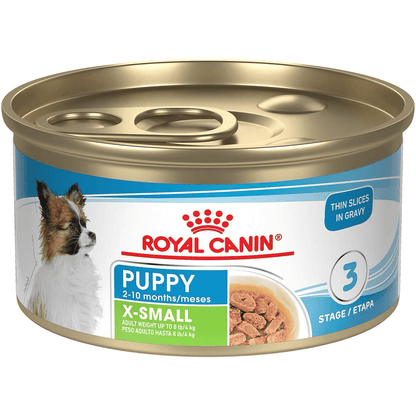
Some brands make canned food specifically for puppies. These brands focus on puppy nutrition and safety. Examples include Hill’s Science Diet Puppy, Blue Buffalo Homestyle Puppy, and Royal Canin Puppy. These brands use high-quality ingredients and balanced formulas. They ensure proper protein, fat, and nutrient levels. Choose brands with good reviews and vet recommendations. Trust brands that test their products for safety. Always introduce new food slowly to avoid stomach upset.
Transitioning From Puppy To Adult Food
Switching your puppy from puppy food to adult dog food is an important step. This change supports their growing body and changing nutritional needs. Doing it right helps keep your dog healthy and happy.
Adult dog food differs from puppy food in protein, fat, and calorie content. Puppies need more nutrients for growth, while adults need balanced nutrition to maintain health. A gradual change prevents stomach upset and food refusal.
Timing The Switch
Most puppies are ready to switch around 12 months old. Small breeds may change earlier, around 9 to 12 months. Large breeds might need puppy food longer, up to 18 months. Talk to your vet to find the best time.
Tips For A Smooth Transition
- Mix adult food with puppy food in small amounts.
- Increase adult food gradually over 7 to 10 days.
- Watch for signs of digestive upset like vomiting or diarrhea.
- Keep feeding times consistent to build a routine.
- Offer plenty of fresh water alongside the new food.
- Be patient if your puppy is hesitant to eat the new food.
Credit: www.petmax.ca
Frequently Asked Questions
Can Puppies Eat Adult Canned Dog Food Safely?
Puppies can eat adult canned dog food occasionally. However, it lacks essential nutrients for growth. Puppy food is specially formulated to support development and energy needs.
What Are Risks Of Feeding Puppies Adult Dog Food?
Feeding puppies adult dog food long-term can cause nutritional deficiencies. It may lead to poor growth, weak bones, and health issues. Always prioritize puppy-specific formulas for balanced nutrition.
How To Transition A Puppy To Adult Canned Food?
Transition gradually over 7-10 days by mixing increasing amounts of adult food. This helps avoid digestive upset. Monitor your puppy’s health and consult a vet if unsure.
Is Adult Canned Dog Food More Affordable Than Puppy Food?
Adult canned dog food may be cheaper but lacks puppy-specific nutrients. Choosing cost-effective puppy food ensures proper growth and health. Quality nutrition is vital for your puppy’s development.
Conclusion
Puppies need special food to grow strong and healthy. Adult dog food in cans may lack important nutrients for puppies. Feeding the right food helps support their energy and development. Always choose food made just for puppies. Watch your puppy’s health and ask a vet if unsure.
Good nutrition now leads to a happy, healthy dog later. Remember, proper feeding is key to your puppy’s bright future.