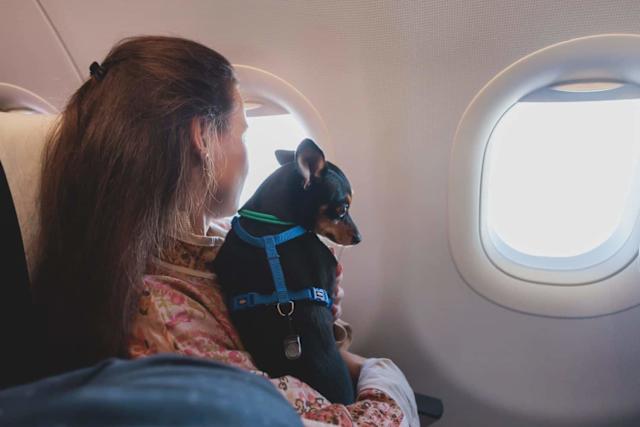

Traveling by plane with your dog can feel overwhelming. You want to keep your furry friend safe and comfortable, but there are so many rules and details to think about.
What can you bring on board? How do you prepare your dog for the trip? If you’ve ever worried about flying with your pet, this guide is for you. You’ll discover simple, practical tips that make the whole experience smoother—for both you and your dog.
Keep reading, and you’ll be ready to take off with confidence.

Credit: www.aol.com
Preparing Your Dog For Air Travel
Preparing your dog for air travel takes thoughtful planning and patience. It’s not just about packing a bag for your pet but ensuring your furry friend feels safe and comfortable throughout the journey. Taking time to prepare can make a huge difference in how your dog copes with the unfamiliar airport environment and the flight itself.
Choosing The Right Carrier
Your dog’s carrier is their little home during the trip, so picking the right one matters a lot. Look for a carrier that is well-ventilated, sturdy, and meets airline size requirements. Soft-sided carriers often work well for cabin travel, while hard-sided ones are better for cargo holds.
Think about your dog’s size and temperament. Does your dog like to stretch out or curl up? Make sure the carrier allows enough room for your dog to stand, turn around, and lie down comfortably. A snug but not tight fit helps your dog feel secure.
Getting Your Dog Used To The Carrier
Introduce the carrier to your dog well before the flight. Leave it open in a familiar space and add cozy bedding or your dog’s favorite blanket inside. Sprinkle treats or place toys in the carrier to encourage your dog to explore it voluntarily.
Practice short trips in the carrier to reduce anxiety. Even a few minutes at first can help. Gradually increase the time your dog spends inside, so the carrier becomes associated with positive experiences rather than stress.
Health Check And Vet Requirements
Before you fly, schedule a vet visit to confirm your dog is healthy enough for air travel. Airlines often require a health certificate issued within 10 days of your flight, so plan accordingly. Discuss any concerns like motion sickness or anxiety with your vet.
Ensure your dog’s vaccinations are up to date, and check if your destination has specific pet health regulations. It’s smart to ask your vet about calming options that are safe for your dog during the flight. Could a little preparation here prevent major headaches later?
Booking Your Flight
Booking your flight with a dog involves more than just picking a date and destination. It requires careful planning to ensure your furry friend travels safely and comfortably. The right choices here can make a big difference in how smooth the entire journey feels for both of you.
Selecting Pet-friendly Airlines
Not all airlines welcome pets equally. Some have excellent pet programs with spacious cabins and attentive staff, while others impose strict limits or higher fees. Research airlines known for their pet-friendly reputation before booking.
Look for airlines that allow pets to fly in the cabin if your dog is small. This keeps your dog close and reduces stress. Airlines like Southwest and JetBlue often top pet-friendly lists because of their clear policies and reasonable costs.
Understanding Airline Pet Policies
Every airline has its own pet policy, covering crate size, health certificates, and fees. Check these details carefully to avoid surprises at the airport. Some airlines require a vet’s health certificate issued within 10 days of travel, while others may ask for specific vaccinations.
Pay attention to weight limits and carrier dimensions. If your dog exceeds the in-cabin size, they may need to travel as checked baggage or cargo, which requires extra preparation. Does the airline provide water bowls or temperature-controlled environments? These small details matter for your dog’s comfort and safety.
Choosing The Best Flight Time
Pick flight times that minimize stress for your dog. Early morning or late evening flights can avoid the heat of the day, which is important if your dog will be in a carrier under the seat. These times also tend to be less crowded and quieter, reducing anxiety.
Direct flights are ideal. Avoid layovers that prolong travel time and increase handling by different staff. Have you ever noticed how your dog reacts to long waits and noisy terminals? Shorter, simpler itineraries help keep your dog calm and rested.
Packing Essentials For Your Dog
Packing your dog’s essentials makes plane travel smoother and less stressful. Bring food, water, a leash, and a comfortable carrier to keep your pet safe. Don’t forget any health documents required by the airline for a hassle-free trip.
Traveling with your furry friend can be a delightful experience, but ensuring you pack the right essentials is key to a smooth journey. Just like you prepare your suitcase with care, your dog’s travel kit needs thoughtful attention too. A well-packed bag can make all the difference in keeping your pet comfortable and content during the flight.Food And Water Supplies
Your dog’s dietary needs don’t take a break just because you’re in the air. Pack enough of their regular food to cover the duration of the trip, plus a little extra in case of delays. Use airtight containers to keep the food fresh and avoid spills. Don’t forget a portable water bottle with an attached bowl. Hydration is crucial, especially in the dry cabin air. Offering water at regular intervals can help keep your dog comfortable.Comfort Items And Toys
Familiar items can provide immense comfort to your dog in an unfamiliar environment. Bring along a favorite blanket or a piece of your clothing with your scent to soothe them. Pack a couple of their favorite toys to keep them entertained. A chew toy can be particularly useful during takeoff and landing, as chewing helps relieve ear pressure.Necessary Documentation
Before you fly, ensure you have all the necessary paperwork. Most airlines require proof of vaccinations and a recent health certificate from your vet. Keep these documents in an easily accessible place, like an outer pocket of your carry-on. Consider microchipping your dog if not already done. This adds an extra layer of security in case of any mishaps. Are there any other essentials you find indispensable when flying with your dog? Share your tips and make the skies friendlier for all pet travelers.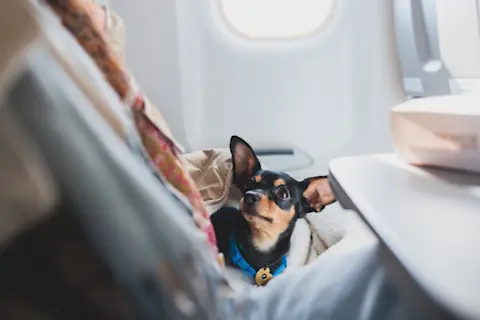
Credit: www.discovermagazine.com
Day Of The Flight Tips
Traveling on a plane with a dog needs careful planning on the day of the flight. Keeping your dog calm and comfortable helps make the journey smooth. Small steps before departure reduce stress for both you and your pet. Focus on feeding, exercise, and timely arrival at the airport. Knowing what to expect at security checkpoints keeps the process easy. Here are key tips to follow on the travel day.
Feeding And Exercise Before Departure
Feed your dog a light meal a few hours before the flight. Avoid heavy food to prevent stomach upset. Give fresh water but limit the amount to avoid bathroom trips. Take your dog for a walk to burn off energy. Exercise helps your dog relax during the flight. Play gently to avoid tiring your pet out too much.
Arriving Early At The Airport
Reach the airport early to handle all pet procedures calmly. Early arrival gives extra time for check-in and paperwork. It lowers stress for you and your dog. Find a quiet spot to wait before boarding. Keep your dog close and comfortable. Use a well-ventilated carrier or leash to secure your pet.
Security Screening With Pets
At security, you must take your dog out of the carrier. Carry your dog through the metal detector by hand or leash. Place the carrier on the conveyor belt for X-ray scanning. Stay calm and speak softly to your dog during screening. Prepare treats to reward your dog’s good behavior. Follow airport staff instructions carefully to speed up the process.
Managing Your Dog During The Flight
Managing your dog during a flight can make all the difference between a smooth journey and a stressful experience. Your dog looks to you for reassurance, so staying calm and prepared helps your pet stay calm too. Understanding how to handle their needs and behaviors while in the air is key to a successful trip.
Keeping Your Dog Calm
Dogs pick up on your energy, so staying relaxed is the first step. Bring familiar items like their favorite blanket or toy to provide comfort. Try gentle petting or soft talking to soothe them if they get restless.
Keep your dog hydrated but avoid overfeeding right before the flight. Small, light meals are better to prevent discomfort. Also, take short walks before boarding to burn off excess energy.
Handling In-cabin Vs. Cargo Travel
Deciding whether your dog travels in-cabin or in cargo affects how you manage them during the flight. In-cabin means your dog stays with you under the seat, so you can monitor and comfort them easily. Make sure the carrier meets airline size requirements and allows your dog to stand and turn.
Cargo travel requires more preparation. Your dog will be alone in a climate-controlled area, so check the airline’s safety policies and crate standards. Label the crate clearly and include a familiar item inside to reduce stress.
Have you checked if your dog’s breed or size affects their eligibility for in-cabin travel? Some airlines restrict certain breeds or sizes to cargo only.
Dealing With Anxiety And Motion Sickness
Many dogs experience anxiety or motion sickness during flights. Signs include drooling, whining, or pacing inside the carrier. Talk to your vet about calming aids or medications if your dog has a history of flight anxiety.
Try using natural remedies like pheromone sprays or calming collars. These can help reduce stress without sedation. Also, keep the carrier well-ventilated and avoid loud noises by using ear covers or placing the carrier in a quieter area.
Have you noticed your dog’s behavior in car rides? This can give you clues about how they might handle plane travel and what strategies to try.
After The Flight
After your plane lands, the journey isn’t quite over for you and your dog. How you handle the moments right after the flight can shape your pet’s comfort and well-being for days to come. Paying close attention now helps avoid issues and makes settling into a new place smoother for both of you.
Post-flight Care
Once you’re off the plane, give your dog some water immediately. Flying can dehydrate pets quickly, so hydration is key. Offer small amounts frequently rather than a big gulp all at once.
Check their paws and fur for any signs of irritation or dirt from the travel crate. Wiping them down gently can prevent discomfort and infections. If possible, find a quiet spot for your dog to stretch and relieve itself.
Feeding right after the flight depends on how long the journey was and when they last ate. If your dog seems hungry, give a light meal rather than a full portion to avoid upset stomachs.
Signs Of Stress Or Health Issues
Watch for unusual behaviors like excessive panting, shaking, or whining. These could mean your dog is stressed or unwell. Sometimes, symptoms like vomiting or lethargy don’t show immediately but appear hours later.
Is your dog refusing water or food? Are they limping or unusually quiet? These signs deserve prompt attention. If anything worries you, don’t hesitate to contact a vet immediately.
Stress may also show through changes in bathroom habits or restlessness. Pay close attention to these subtle cues. Your dog’s comfort depends on how quickly you recognize and respond to their needs.
Settling Your Dog Into A New Environment
Give your dog time to explore the new space at their own pace. Bring familiar items like a favorite blanket or toy to create a sense of security. This helps reduce anxiety and makes the new environment feel more like home.
Try to keep their routine as normal as possible, including feeding times and walks. Dogs thrive on predictability, especially after a stressful trip. If your dog is hesitant, patiently encourage interaction without forcing them.
Have you noticed your dog’s favorite resting spot or behavior change after arrival? Use those insights to adjust the environment. Small tweaks can make a big difference in helping your dog feel safe and happy.

Credit: www.reddit.com
Frequently Asked Questions
What Documents Are Needed To Fly With A Dog?
You need a health certificate, vaccination records, and ID tags. Some airlines may require additional documents. Always check airline rules before booking.
Can Small Dogs Travel In The Cabin With You?
Yes, small dogs often can travel in the cabin. They must fit in an airline-approved carrier under the seat.
How To Prepare A Dog For Plane Travel?
Acclimate your dog to the carrier weeks before travel. Avoid feeding before the flight to prevent nausea. Bring familiar toys and blankets.
Are There Breed Restrictions For Flying Dogs?
Yes, some airlines restrict brachycephalic breeds like bulldogs. Check airline policies as these breeds face breathing risks during flights.
Conclusion
Traveling with your dog by plane can be smooth and stress-free. Plan ahead and follow airline rules carefully. Bring familiar items like toys or blankets for comfort. Keep your dog calm with gentle words and treats. Check health documents before you travel to avoid surprises.
Stay patient and kind during the trip. These simple steps help your dog feel safe and happy. Enjoy your journey together and make good memories. Safe travels with your furry friend!