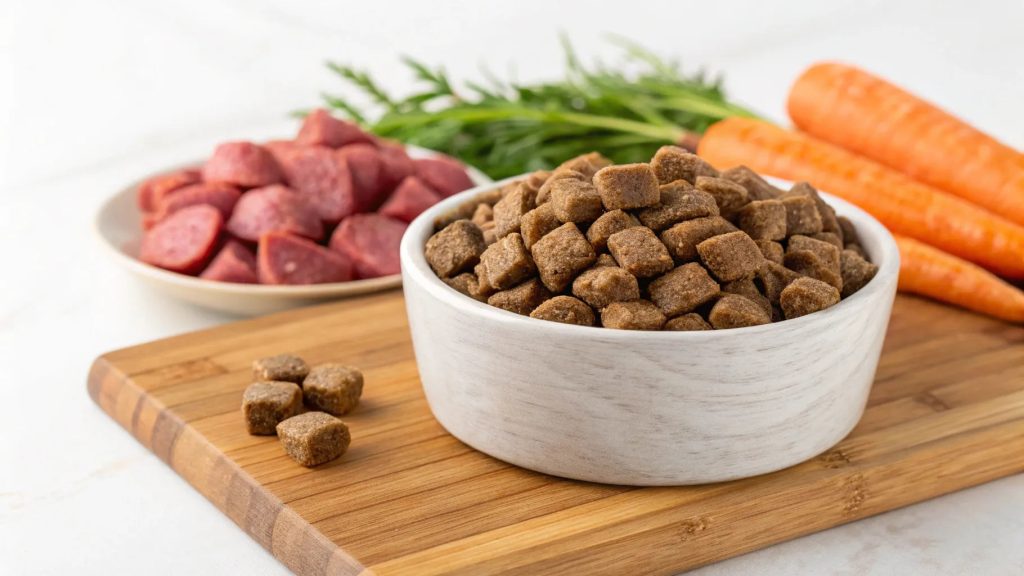

Choosing the right food for your dog can feel overwhelming. You want to give your furry friend the best, but with so many options like raw, kibble, and freeze-dried food, it’s hard to know what’s truly better.
What if you could find the perfect balance between nutrition, convenience, and taste? You’ll discover the pros and cons of each type and learn how to make the best choice for your dog’s health and happiness. Keep reading to uncover what really works for your loyal companion.
Credit: wefeedraw.com
Raw Diet Benefits
Choosing the right food for dogs affects their health and happiness. Raw diets offer many benefits that support dogs naturally. These diets keep nutrients intact and support digestion and energy. Understanding these benefits helps in making smarter food choices for your pet.
Nutrient Density
Raw diets keep nutrients closer to their natural state. Heating and processing often reduce vitamins and minerals. Raw food contains more protein, healthy fats, and enzymes. These nutrients are essential for muscle growth and immune health. Feeding raw ensures your dog gets what it needs.
Improved Digestion
Raw diets often include natural enzymes that aid digestion. These enzymes break down food more efficiently. Dogs can absorb nutrients better and waste less. This reduces digestive upset like gas or constipation. A healthy gut means a happier, healthier dog.
Enhanced Energy Levels
With better nutrients and digestion, dogs show higher energy. Raw diets provide clean fuel for active lifestyles. Dogs often feel more playful and alert. This energy supports exercise, training, and overall wellness. Raw food helps keep dogs lively and strong.
Kibble Advantages
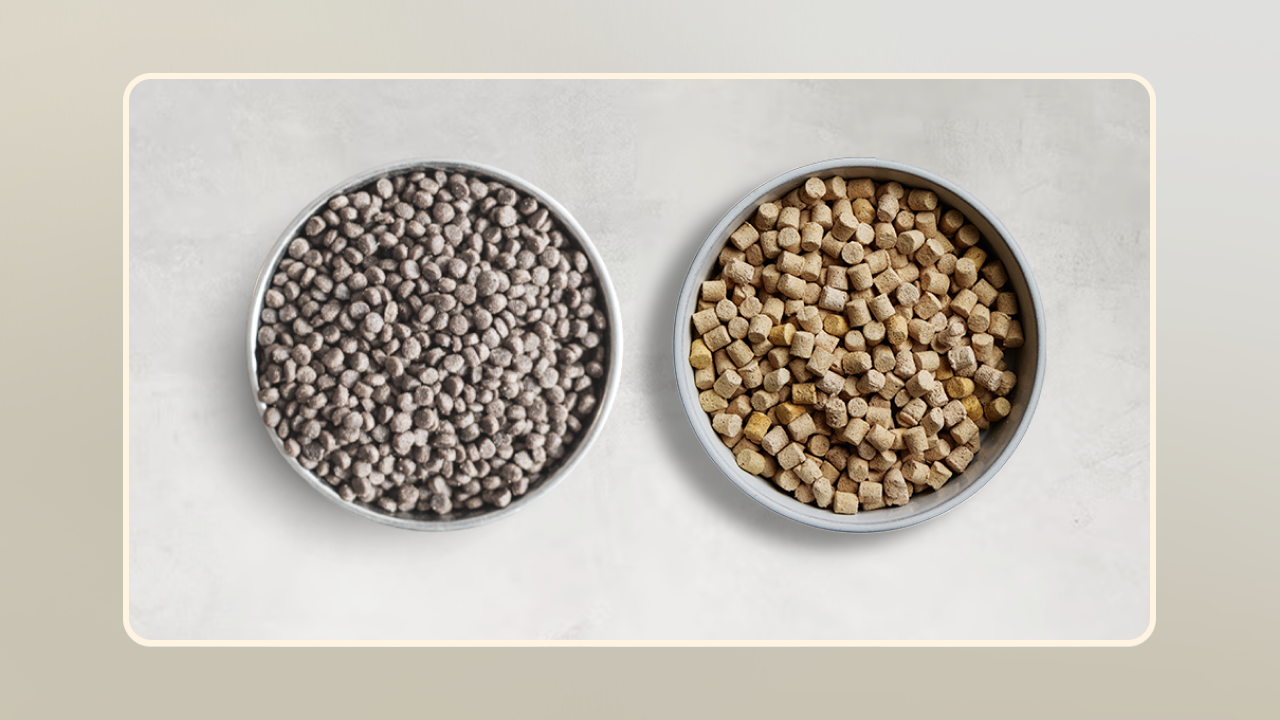
Choosing the right food for your dog can feel overwhelming, especially with so many options like raw, kibble, and freeze-dried foods. Kibble remains a popular choice for many dog owners due to several clear advantages. Understanding these benefits can help you decide if kibble fits your dog’s lifestyle and your daily routine.
Convenience And Storage
Kibble is incredibly easy to store and handle. It doesn’t require refrigeration, so you can keep it in a pantry or cupboard without worrying about spoilage.
This makes feeding time quick and simple—no need to thaw or prepare meals in advance. Have you ever noticed how much time you save with a quick scoop of kibble instead of prepping raw or freeze-dried meals?
Cost-effectiveness
Kibble generally costs less than raw or freeze-dried options. This makes it a practical choice if you’re feeding multiple dogs or on a budget.
Bulk purchases often bring even more savings, so you can stock up without breaking the bank. How much could you save monthly by choosing kibble over other types?
Balanced Nutrition
Many kibble brands offer formulas designed to meet all your dog’s nutritional needs. These recipes are created to provide a balanced mix of proteins, fats, vitamins, and minerals.
This means you don’t have to worry about missing any essential nutrients, especially if you’re new to dog nutrition. Have you checked the ingredient list lately to see what’s really in your dog’s food?
Freeze-dried Food Perks
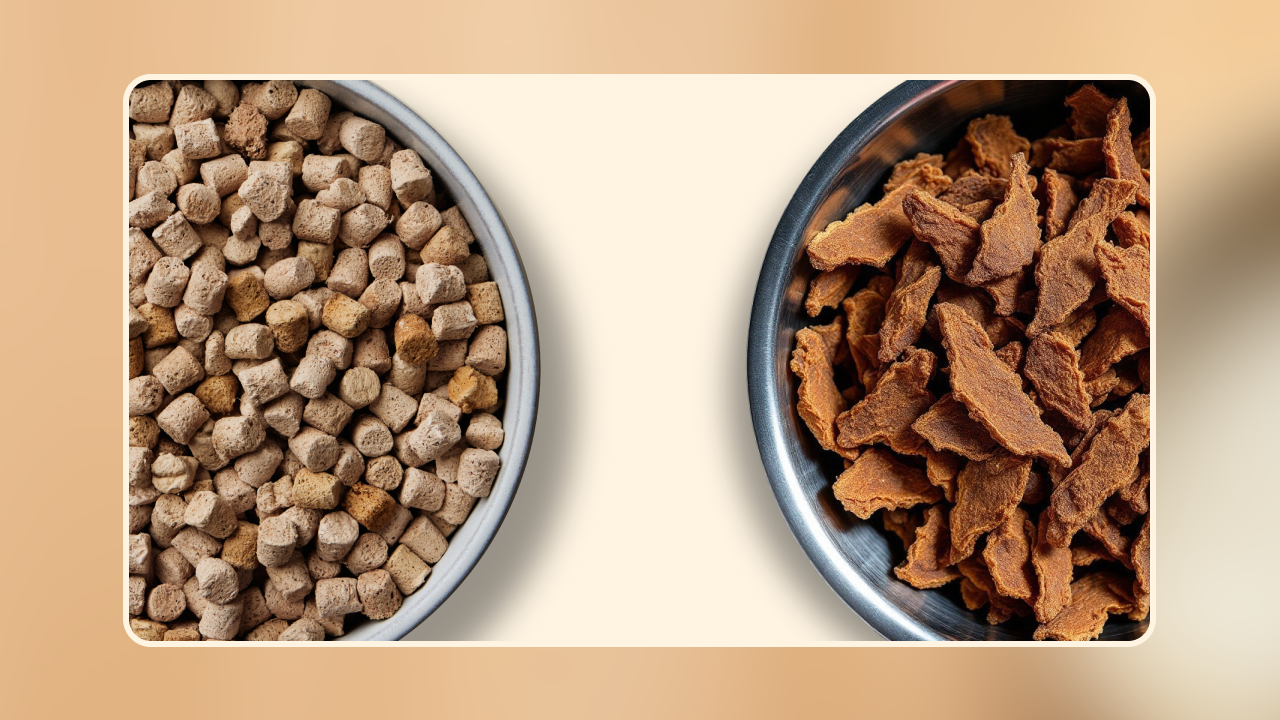
Freeze-dried raw kibble offers dogs a nutritious meal without the mess. It retains essential nutrients and flavors. Convenient storage and long shelf life make it a practical choice for pet owners.
Freeze-dried dog food offers many benefits for your furry friend. It provides a balanced diet while maintaining the convenience of kibble. This type of food goes through a special process that removes moisture without cooking. This keeps the nutrients intact and ready for your dog to enjoy.Preservation Of Nutrients
Freeze-drying preserves essential vitamins and minerals. This process keeps the food as close to its natural state as possible. Your dog receives a nutrient-rich meal every time. The method helps keep the food’s original flavor and texture. Dogs find it more appealing and satisfying.Long Shelf Life
Freeze-dried dog food boasts a long shelf life. It can last months or even years without refrigeration. This makes it a practical option for busy households. You can store it easily without worrying about spoilage. It provides peace of mind knowing your dog always has fresh food available.Ease Of Preparation
Preparing freeze-dried dog food is simple. Add water and wait a few minutes. The food rehydrates quickly and is ready to serve. It fits seamlessly into a busy schedule. No mess, no fuss, just a nutritious meal for your dog. This convenience makes it a popular choice among pet owners.
Credit: www.reddogbluekat.com
Comparing Safety Aspects
Choosing the best diet for your dog means considering safety as a top priority. Raw, kibble, and freeze-dried foods each come with unique risks and benefits. Understanding these safety aspects helps you protect your pet’s health and gives you confidence in what you feed them.
Bacterial Risks
Raw food often raises concerns about bacteria like Salmonella and E. coli. Since raw meat isn’t cooked, harmful bacteria can survive and cause illness in dogs and humans. However, many raw food brands test their products rigorously to reduce this risk.
Kibble, being cooked at high temperatures, usually has a lower chance of containing live bacteria. Freeze-dried food is treated to remove moisture, which inhibits bacterial growth, making it generally safer in this regard. Still, no option is completely free from risk if not stored or handled properly.
Storage And Handling
Raw food demands careful storage to prevent spoilage—keeping it frozen or refrigerated until use is essential. You must also clean surfaces and bowls thoroughly to avoid cross-contamination. This extra step might feel like a hassle but is necessary to keep your dog safe.
Kibble is convenient because it’s shelf-stable for months once opened, making it easier to store. Freeze-dried food also lasts long at room temperature if kept in airtight containers. Both options reduce the chance of spoilage but always check expiration dates and packaging integrity.
Allergen Concerns
Some dogs develop allergies or sensitivities to ingredients in their food. Raw diets allow you to control exactly what your dog eats, which can help identify and avoid allergens. For instance, eliminating grains or certain proteins is easier when you prepare raw meals yourself.
Kibble often contains fillers and additives that might trigger allergies in sensitive dogs. Freeze-dried food usually contains fewer preservatives and artificial ingredients, which may reduce allergic reactions. Have you noticed your dog scratching or sneezing after meals? It might be time to review their diet ingredients closely.
Impact On Dog Health
Choosing the right diet for your dog directly affects their overall health and happiness. Raw, kibble, and freeze-dried foods each offer different benefits and challenges. Understanding how these options impact your dog’s health can help you make a more informed decision that suits their unique needs.
Weight Management
Freeze-dried and raw foods often contain fewer fillers and more protein compared to traditional kibble. This can help your dog feel fuller for longer, reducing overeating and unnecessary weight gain.
Have you noticed your dog struggling with weight despite portion control? Switching to a diet rich in whole ingredients and minimal additives may improve metabolism and maintain a healthy weight.
Remember, portion size and activity level still play major roles. Monitor your dog’s weight regularly and adjust their meals accordingly.
Dental Health
Raw and freeze-dried foods tend to be less processed and can promote better chewing habits than kibble. Chewing on these foods helps reduce plaque buildup and stimulates gums.
While kibble is often designed to scrape teeth during eating, it can sometimes leave behind residues that contribute to tartar. Adding freeze-dried treats or raw meaty bones might support cleaner teeth naturally.
Does your dog resist brushing? Offering foods that encourage natural chewing can be a practical way to support dental health without extra effort.
Coat And Skin Quality
High-quality proteins and fats found in raw and freeze-dried diets provide essential nutrients that improve coat shine and skin health. Omega fatty acids, in particular, play a key role here.
Dogs on traditional kibble sometimes show dull coats or dry, itchy skin due to lower nutrient density. Upgrading their food can lead to noticeable improvements within weeks.
Are you seeing flaky skin or excessive shedding? Changing your dog’s diet to include more nutrient-rich options could be the simple fix you need.
Cost And Accessibility
Understanding the cost and accessibility of raw, kibble, and freeze-dried dog foods helps you make a choice that fits both your budget and your dog’s health needs. Each type has its own price range and availability, which can influence your decision more than you might expect.
Price Comparisons
Raw dog food tends to be the most expensive due to its fresh ingredients and storage needs. Kibble is generally the most affordable option, making it popular among many dog owners.
Freeze-dried food falls in between, offering a premium product with less spoilage risk, but often at a higher price than kibble.
| Type | Average Price per Pound | Cost Factors |
|---|---|---|
| Raw | $5 – $10 | Freshness, storage, and sourcing |
| Kibble | $1 – $3 | Mass production, shelf life |
| Freeze-Dried | $4 – $7 | Processing costs, convenience |
Availability In Markets
Kibble is widely available at supermarkets, pet stores, and online. You can usually find many brands and options without much trouble.
Raw food is less accessible and often requires shopping at specialty stores or ordering online with careful delivery options.
Freeze-dried food is gaining popularity and becoming easier to find, but it may still be limited to select pet stores or online retailers.
Budget Considerations
Ask yourself: How much can you realistically spend on your dog’s food each month? Remember, the cheapest option might not always be the healthiest.
Think about your dog’s dietary needs and how food costs fit into your overall budget. Sometimes investing a bit more upfront can reduce vet bills later.
Consider mixing types. For example, combining kibble with occasional freeze-dried or raw supplements might balance cost and nutrition well.
Suitability For Different Dogs
Choosing the right food for your dog means considering what fits their unique needs best. Raw kibble and freeze-dried options both offer excellent nutrition, but their suitability can vary based on your dog’s age, breed, activity level, and health. Understanding these factors helps you make a choice that supports your dog’s well-being every day.
Age And Breed Factors
Puppies and senior dogs have very different nutritional needs. Puppies require more calories and nutrients to support growth, so raw kibble with balanced protein and fat levels often works well. Older dogs, especially those with sensitive digestion, might benefit from freeze-dried food, which tends to be easier on their stomachs.
Breed also plays a role. Large breeds may need food that supports joint health and controlled weight gain, while small breeds often require calorie-dense options. Have you noticed how your dog’s breed influences their eating habits? Tailoring food to breed characteristics can improve their energy and longevity.
Activity Level Needs
Active dogs burn more calories and need nutrient-rich food to keep up their energy. Raw kibble, which often contains higher fat content, can fuel these energetic pups effectively. On the other hand, less active or older dogs might do better with freeze-dried food that offers balanced nutrition without excess calories.
Think about your dog’s daily routine. Do they spend hours playing fetch or mostly lounging around? Adjusting their diet to match activity levels ensures they get the right fuel without unwanted weight gain or energy dips.
Health Conditions
Health issues can significantly affect what food is best. Dogs with allergies may react better to freeze-dried options that use fewer fillers and preservatives. Meanwhile, raw kibble can be customized with specific ingredients to support dogs with conditions like arthritis or digestive problems.
Have you ever struggled to find a food that doesn’t upset your dog’s stomach? Paying close attention to ingredient quality and preparation style can make a huge difference in managing health concerns. Your dog’s vet can help pinpoint which option suits their unique needs.
Owner Preferences And Lifestyle
Your lifestyle and personal preferences play a huge role in choosing between raw, kibble, and freeze-dried dog food. What fits your routine and comfort level will ultimately shape your dog’s mealtime experience. Let’s look at how time, convenience, and storage impact your daily feeding choices.
Time Commitment
Feeding raw dog food often requires more prep time. You might need to thaw frozen ingredients, chop fresh items, or balance meals for nutrition. This can be rewarding but demands a steady time investment.
Kibble, on the other hand, is quick to serve—just scoop and pour. It suits busy pet owners who want a no-fuss option that gets the job done.
Freeze-dried food sits in the middle. It requires some rehydration, usually with water, but is faster than raw prep. If you want something closer to raw nutrition but less time-consuming, this might fit your schedule well.
Feeding Convenience
Think about how easy it is to feed your dog every day. Kibble is convenient for travel or quick meals, as it doesn’t spoil quickly once opened.
Raw diets need refrigeration or freezing and thawing before serving, which can be tricky if you’re on the go.
Freeze-dried food offers portability and ease. You can carry it on hikes or trips without worrying about melting or refrigeration. Have you ever tried feeding your dog during a camping trip? Freeze-dried options can simplify that experience.
Storage Space
Raw food often requires a large freezer and fridge space to store safely. This can be challenging if kitchen space is limited.
Kibble is compact and stays fresh longer in a cool, dry place. Bags can be stacked or stored in pet food bins without hassle.
Freeze-dried food takes up less room than raw and doesn’t need refrigeration. This makes it a smart choice for small apartments or homes without extra freezer space.
Which of these storage needs fits better with your living situation?
Making The Right Choice
Choosing the right food for your dog involves careful thought. Different foods offer varied benefits. Raw, kibble, and freeze-dried diets suit different needs and lifestyles. Understanding these options helps you pick the best diet for your dog’s health and happiness.
Assessing Your Dog’s Needs
Every dog is unique. Age, breed, size, and activity level affect dietary needs. Puppies need more protein and energy. Older dogs might require softer, easier-to-digest food. Dogs with allergies or sensitivities benefit from limited ingredients. Observe your dog’s digestion, energy, and coat condition. These clues guide your food choice.
Consulting Professionals
Veterinarians and pet nutritionists provide expert advice. They understand your dog’s health history and specific needs. Ask about benefits and risks of raw, kibble, or freeze-dried diets. Professionals can suggest balanced meal plans. Their guidance reduces the risk of nutritional deficiencies or illness.
Trial And Observation
Switching diets requires patience. Introduce new food gradually over 7-10 days. Watch for changes in stool, energy, and mood. Some dogs adapt quickly; others take longer. Keep notes on what works and what does not. Adjust based on your dog’s response. This process ensures a happy, healthy pet.
Credit: wefeedraw.com
Frequently Asked Questions
What Is Raw Dog Food Compared To Kibble?
Raw dog food consists of uncooked ingredients like meat and vegetables. Kibble is processed and dehydrated. Raw food offers higher nutrients, while kibble is convenient and shelf-stable.
How Does Freeze-dried Dog Food Work?
Freeze-dried dog food removes moisture through freezing and low pressure. This process preserves nutrients and flavor. It is lightweight, shelf-stable, and easy to rehydrate for feeding.
Which Is Healthier: Raw, Kibble, Or Freeze-dried?
Raw and freeze-dried foods generally retain more nutrients than kibble. Raw food is natural but requires careful handling. Freeze-dried offers convenience without many nutrient losses. Kibble is less nutrient-dense but practical.
Can Dogs Easily Digest Freeze-dried Food?
Yes, freeze-dried dog food is highly digestible. The freeze-drying process maintains nutrient quality while making food easy to chew and digest. It suits dogs with sensitive stomachs.
Conclusion
Choosing the best food for your dog depends on many things. Raw, kibble, and freeze-dried foods all have good points. Raw food offers natural nutrients but needs careful handling. Kibble is easy to store and feed but may lack freshness.
Freeze-dried food keeps most nutrients and lasts long. Think about your dog’s health, taste, and your schedule. Each type can fit different needs well. Try what works best for your dog’s happiness and health. Keep your dog’s diet balanced and fresh every day.