
Choosing the right food for your adult dog can feel overwhelming. With so many brands and options on the market, how do you know which one truly meets your dog’s needs?
The food you pick affects your dog’s health, energy, and happiness every day. This guide will help you cut through the confusion and find the best adult dog food brand for your furry friend. Keep reading—you’ll discover simple tips that make a big difference in your dog’s life.
Key Nutrients For Adult Dogs
Choosing the right adult dog food means knowing which nutrients matter most. Dogs need a balance of proteins, fats, carbohydrates, vitamins, and minerals. Each nutrient plays a key role in keeping dogs healthy and active. Understanding these helps pick food that supports their daily needs and overall well-being.
Proteins And Amino Acids
Proteins build muscles and repair tissues. Dogs need high-quality protein from meat, fish, or eggs. Amino acids are the building blocks of protein. Essential amino acids must come from food. Protein levels should match the dog’s size and activity. Too little protein weakens muscles; too much can strain kidneys.
Fats And Fatty Acids
Fats supply energy and keep skin shiny. Healthy fats include omega-3 and omega-6 fatty acids. These fats reduce inflammation and support brain health. Look for ingredients like fish oil or flaxseed. Fats also help absorb fat-soluble vitamins. Balance is key; excess fat may cause weight gain.
Carbohydrates And Fiber
Carbohydrates provide energy and aid digestion. Sources include rice, oats, and barley. Fiber helps keep the digestive system healthy. It can prevent constipation and promote regular bowel movements. A moderate amount of carbs and fiber supports steady energy release. Avoid foods with too many fillers or artificial fibers.
Vitamins And Minerals
Vitamins and minerals support immune function and bone health. Important ones include vitamin A, vitamin E, calcium, and phosphorus. These nutrients help with growth, vision, and strong teeth. A balanced dog food will include a proper mix of vitamins and minerals. Deficiencies or excesses can cause health problems.

Credit: www.businessinsider.com
Reading Dog Food Labels
Reading dog food labels can feel like decoding a secret language. But understanding what’s behind those words can help you choose the best nutrition for your adult dog. Let’s break down the key parts of the label that truly matter.
Ingredient List Insights
The ingredient list tells you exactly what’s inside the food. Ingredients are listed in order by weight, so the first few are the most important. Look for whole meats like “chicken” or “beef” instead of vague terms like “meat meal” or “animal by-products.”
Beware of fillers like corn or wheat if your dog has allergies or sensitivities. Also, if you see a lot of preservatives or artificial colors, think twice—these add no nutritional value.
Have you noticed how some brands use specific protein names while others are vague? That difference can affect how well your dog digests the food and absorbs nutrients.
Guaranteed Analysis Explained
This section shows the minimum or maximum amounts of key nutrients like protein, fat, fiber, and moisture. It’s a quick snapshot of the food’s nutritional quality. For example, adult dogs need at least 18% protein, so check if the label meets or exceeds that.
Don’t just focus on protein; fat content is vital too for energy and coat health. Fiber helps digestion, so a moderate amount is beneficial. Moisture content indicates how much water is in the food, which affects calorie density.
Have you ever compared two brands and wondered why your dog prefers one over the other? Sometimes the balance of these nutrients makes all the difference.
Recognizing Marketing Terms
Labels often include catchy phrases like “natural,” “premium,” or “holistic.” These terms sound good but don’t have strict legal definitions. “Natural” doesn’t always mean healthy or additive-free, so don’t rely on these buzzwords alone.
Look for certifications or endorsements from reputable organizations instead. Words like “complete and balanced” mean the food meets certain nutritional standards, which is more reliable than marketing slogans.
Would you buy a product based solely on its packaging claims? Dig deeper into the label to find facts that truly matter for your dog’s health.
Types Of Dog Food
Choosing the right adult dog food depends on your dog’s health, size, and taste preferences. Understanding different types like dry, wet, and raw helps make a better choice. Always check ingredient quality and nutritional value for your dog’s well-being.
Choosing the right type of dog food is crucial to your pet’s health and happiness. The variety of options can be overwhelming, but understanding the basics can help you make an informed decision. Each type of food offers unique benefits that cater to different needs and preferences.Dry Kibble Benefits
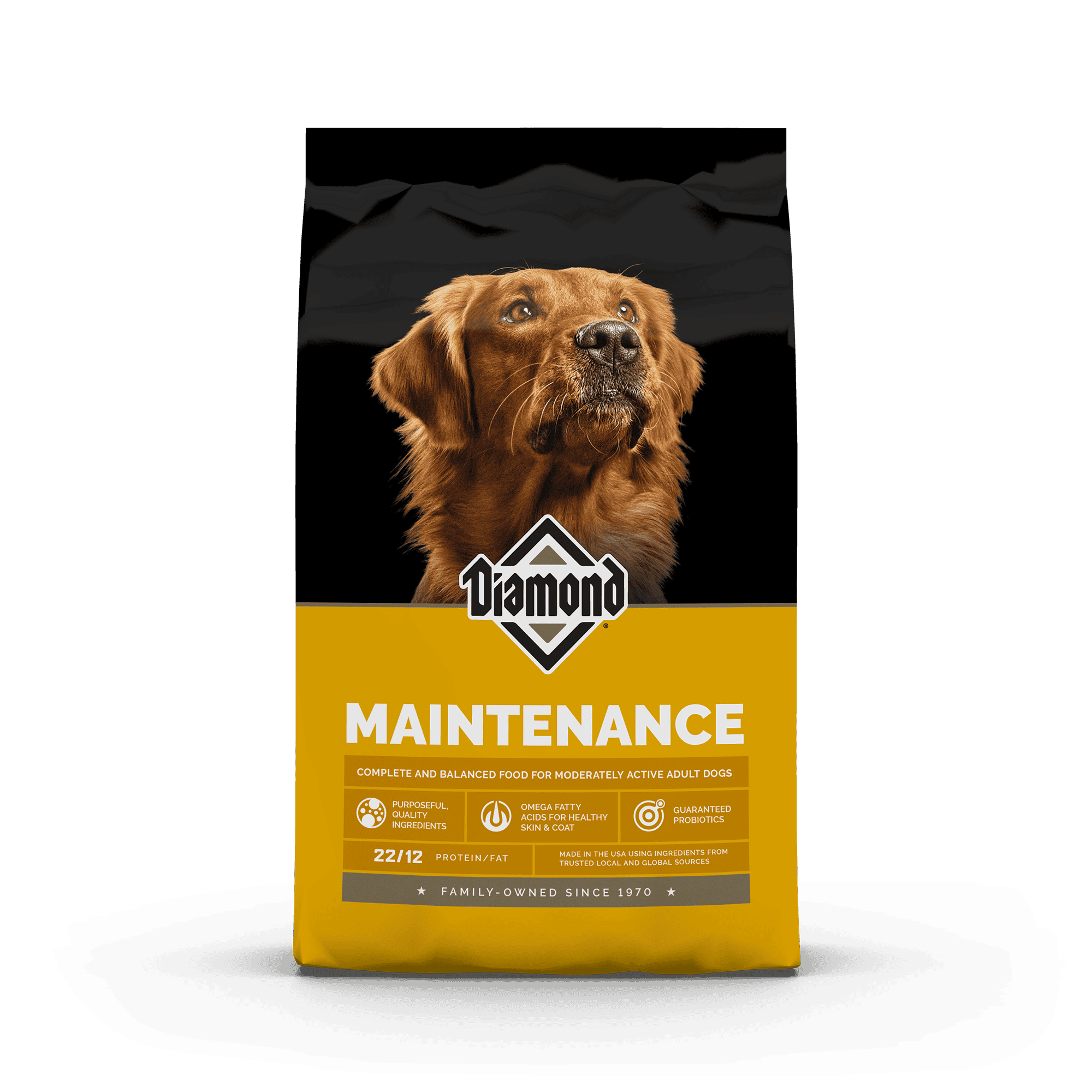
Dry kibble is a popular choice for many dog owners. Its crunchy texture can help reduce plaque and tartar buildup, promoting better dental health. It’s also convenient to store and serve, making it an ideal option for busy lifestyles. Moreover, dry kibble often comes in various flavors and formulations tailored to specific health needs. Whether you have a puppy, adult, or senior dog, there’s likely a kibble that suits their dietary requirements.Wet Food Advantages
Wet food can be an excellent option, especially for picky eaters or dogs with dental issues. Its high moisture content helps keep your dog hydrated, which can be beneficial in hot climates or for dogs that don’t drink much water. Wet food’s strong aroma and rich texture are often more appealing to dogs than dry kibble. It can also be a great way to add variety to your dog’s diet, mixing it with dry kibble for a tasty meal.Raw And Freeze-dried Options
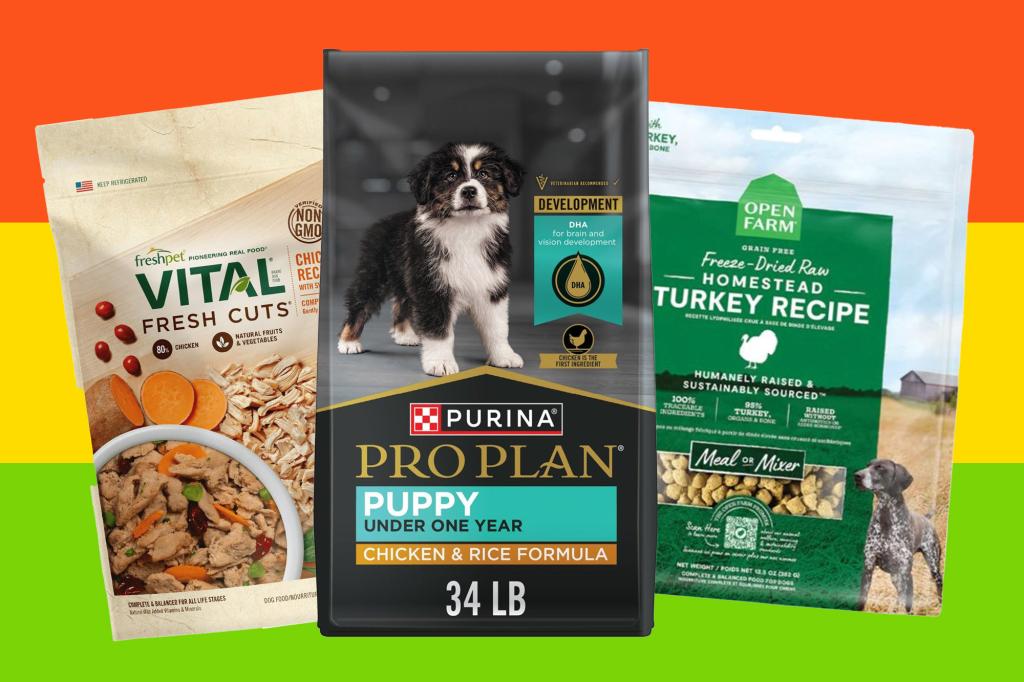
If you’re considering a more natural diet, raw and freeze-dried foods might be your go-to. These options aim to mimic what dogs’ ancestors ate in the wild, providing a diet rich in protein and natural nutrients. However, they require careful handling to prevent bacterial contamination. Freeze-dried options offer the benefits of raw food with added convenience. They’re lightweight, easy to store, and can be quickly rehydrated. Have you ever thought about how a diet change could improve your dog’s energy levels or coat shine? Understanding these options can guide you to a healthier and happier life for your furry friend. Which type aligns best with your dog’s needs and your lifestyle?Considering Your Dog’s Needs
Choosing the right adult dog food means thinking about your dog’s unique needs. Each dog is different, and their food should match their lifestyle and health. This helps keep them happy and strong for years.
Age And Life Stage
Dogs need different nutrients as they grow. Adult dogs require food that supports their energy and body maintenance. Older dogs often need fewer calories but more joint support. Puppy food is too rich for adult dogs and can cause weight gain.
Breed And Size Factors
Small breeds burn energy fast and need nutrient-dense food in small portions. Large breeds require food that supports bone health and controlled growth. Giant breeds benefit from food with joint support and fewer calories. Breed-specific needs can affect digestion and coat health.
Health Conditions To Address
Some dogs have allergies or sensitive stomachs. Special formulas can help with skin problems or digestion issues. Dogs with kidney or heart problems need food that supports those organs. Always choose food that targets your dog’s specific health needs.
Evaluating Brand Reputation
Evaluating a dog food brand’s reputation is crucial before making a choice for your adult dog. A trusted brand usually means better quality, safety, and nutrition. Taking time to investigate the brand’s background can save you from potential health issues for your pet.
Researching Manufacturer History
Look into how long the company has been making dog food. Brands with a long-standing history often have more experience and stability. However, newer companies can also be good if they are transparent and committed to quality.
Ask yourself: does the company share information about their sourcing and manufacturing processes? A brand that openly discusses where ingredients come from and how they make their food shows confidence and responsibility.
Checking Recalls And Safety Records
Search for any past recalls linked to the brand. Frequent or recent recalls could indicate problems with quality control. But one recall alone shouldn’t be an immediate deal-breaker; what matters is how the company handled it.
Check official recall databases and news reports. See if the brand took quick action and communicated transparently with customers. This reflects their commitment to your dog’s safety.
Reading Customer Reviews
Customer feedback is a goldmine of information. Look for reviews that mention your dog’s breed, size, or health needs for relevant insights. Pay attention to comments about ingredient quality, digestibility, and overall pet health.
Balance positive and negative reviews. Are issues isolated or recurring? Sometimes, a bad review can reveal a specific problem you might want to avoid.
Have you noticed how some brands respond to reviews? A brand that actively engages with customers and addresses concerns shows they care about your experience and your dog’s well-being.

Credit: www.petfoodprocessing.net
Budget And Availability
Choosing the right adult dog food involves more than just ingredients. Budget and availability play a big role in making a good choice. A brand might be perfect nutritionally but hard to find or too expensive. Balancing these factors helps ensure your dog eats well without breaking the bank. Consider how cost, where to buy, and buying options affect your decision.
Cost Vs Quality Balance
High-quality dog food often costs more. But cheap food may lack important nutrients. Look for brands that provide good nutrition at a fair price. Check the ingredient list and guaranteed analysis. Avoid very low-cost foods with fillers and by-products. Spending a bit more can improve your dog’s health and energy.
Finding Reliable Retailers
Choose stores that stock trusted dog food brands. Local pet shops, big supermarkets, and online stores are common options. Reliable retailers often carry fresh products and have return policies. Check reviews before buying. Avoid sellers with inconsistent stock or poor customer service. Consistent availability helps keep your dog’s diet steady.
Subscription And Bulk Buying
Subscriptions deliver dog food regularly to your door. This option saves time and sometimes money. Bulk buying also lowers cost per bag. Store food properly to keep it fresh. Both methods reduce trips to the store. They help maintain a steady supply, especially for large dogs or multiple pets.
Transitioning To New Food
Switching your dog to a new food brand needs care and patience. Sudden changes can upset their stomach and cause digestive issues. A smooth transition helps your dog accept the new food without stress. Here are key tips to make the process safe and easy.
Gradual Introduction Tips
Start by mixing a small amount of new food with the old one. Increase the new food portion slowly over 7 to 10 days. Watch how your dog responds during this period. Keep the feeding schedule consistent to avoid confusion. Use the same bowl and feeding spot to create a routine.
Monitoring For Allergies
Look out for signs like itching, redness, or swelling. Digestive problems such as vomiting or diarrhea can also indicate allergies. Check your dog’s skin and coat regularly during the transition. If any symptoms appear, stop the new food and consult a vet. Keep a note of ingredients to identify possible allergens.
Adjusting Portions Accordingly
New food may have different calorie content than the old one. Adjust portions to keep your dog’s weight stable. Use feeding guidelines on the package as a starting point. Observe your dog’s energy and hunger levels daily. Change the amount if you notice weight gain or loss.
Credit: www.diamondpet.com
Frequently Asked Questions
What Ingredients Should I Look For In Adult Dog Food?
Look for high-quality protein, whole grains, and essential vitamins. Avoid fillers, artificial additives, and by-products for better nutrition and digestion.
How To Choose Dog Food Based On Breed Size?
Small breeds need calorie-dense food with small kibble. Large breeds benefit from joint-supporting nutrients and balanced calories to maintain healthy weight.
Is Grain-free Dog Food Better For Adult Dogs?
Grain-free diets suit dogs with allergies or sensitivities. Otherwise, whole grains provide fiber and nutrients essential for overall health.
How Often Should I Change My Adult Dog’s Food Brand?
Gradually change food over 7-10 days to avoid stomach upset. Frequent changes are unnecessary unless advised by a vet.
Conclusion
Choosing the right adult dog food brand takes time and care. Focus on quality ingredients and your dog’s needs. Check labels for nutrients that support health and energy. Trust brands with good reviews and clear information. Watch how your dog reacts to new food.
Healthy food helps your dog stay happy and active. Keep learning and ask your vet for advice when needed. Good food means a better life for your furry friend.