
Are you wondering when the right time is to switch your furry friend from puppy food to adult dog food? Making this change at the perfect moment is important for your dog’s health and happiness.
Feed them too early or too late, and you might miss out on key nutrients they need to grow strong and stay energetic. You’ll discover clear signs to look for and expert tips to help you make the best choice for your dog’s diet.
Keep reading to ensure your pup gets exactly what they need at every stage of life.
Credit: pet-supermarket.co.uk
Signs Your Puppy Is Ready
Knowing when your puppy is ready to switch to adult food is key to supporting their health and development. Puppies grow fast, and their nutritional needs change just as quickly. Being alert to certain signs can help you decide the right moment to transition your dog’s diet smoothly and safely.
Age Benchmarks For Transition
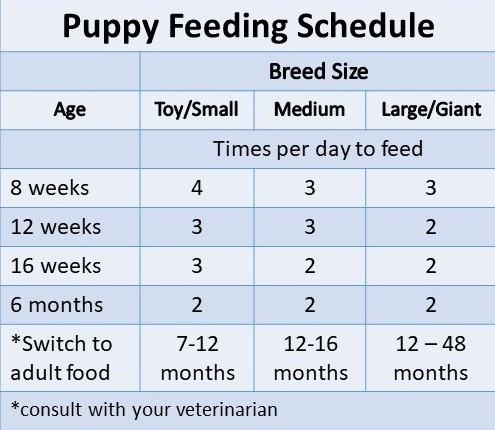
Most puppies start the transition to adult food between 9 and 12 months of age. However, the exact timing can depend on your dog’s breed and size. Smaller breeds might be ready closer to 9 months, while larger breeds often benefit from waiting until 12 months or even later.
Have you noticed your vet mentioning age-specific milestones? Those check-ups are perfect opportunities to discuss your puppy’s diet and get tailored advice.
Behavioral Changes To Watch
Changes in your puppy’s eating habits can signal readiness for adult food. If your puppy shows less interest in their current food or seems to have a steadier appetite, it might be time to switch. Also, if your dog is less hyperactive and starts calming down, their nutritional needs may be shifting.
Watch how your puppy reacts during mealtime. Is he finishing meals faster or slower? Such small clues can reveal a lot about their readiness.
Growth And Weight Indicators
Tracking your puppy’s growth is one of the most reliable ways to know when to change food. When your puppy reaches about 80-90% of their expected adult weight, it’s usually a good time to consider adult food. Sudden weight gain or loss should prompt a vet visit before making any diet changes.
Weigh your puppy regularly and keep notes. This simple habit helped me avoid premature switching, ensuring my dog stayed healthy through growth spurts.
Choosing The Right Adult Food
Choosing the right adult food for your dog is a key step in their growth and health. The right diet supports energy, weight, and overall well-being. Dogs’ needs change as they move from puppyhood to adulthood. Understanding those changes helps you pick the best food.
Nutritional Needs Of Adult Dogs
Adult dogs need balanced nutrition to maintain health. Protein helps build and repair muscles. Fats provide energy and support skin and coat health. Carbohydrates give fuel for daily activities. Vitamins and minerals keep bones and immune systems strong.
Portion size matters to avoid weight gain. Adult dogs usually need fewer calories than puppies. Adjust food amounts based on activity and metabolism.
Breed And Size Considerations
Breed and size affect dietary needs. Small breeds have faster metabolisms and may need more calories per pound. Large breeds require nutrients that support joint health and slower growth.
Special formulas exist for different sizes. They consider kibble size and nutrient balance. Choosing breed-specific food can help meet unique requirements.
Quality Ingredients To Look For
High-quality ingredients ensure better digestion and nutrient absorption. Look for real meat or fish as the first ingredient. Whole grains, vegetables, and fruits add fiber and vitamins.
- Avoid foods with fillers like corn or wheat.
- Limit artificial colors, flavors, and preservatives.
- Check for added omega fatty acids for coat health.
Reading ingredient lists helps you select safe and nutritious options.
How To Transition Smoothly
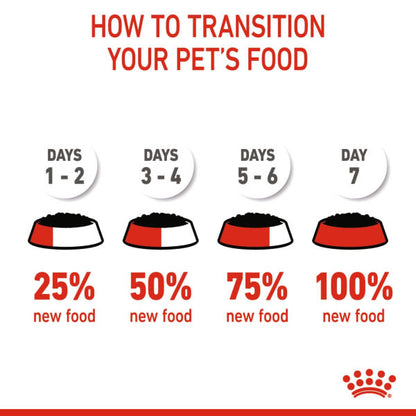
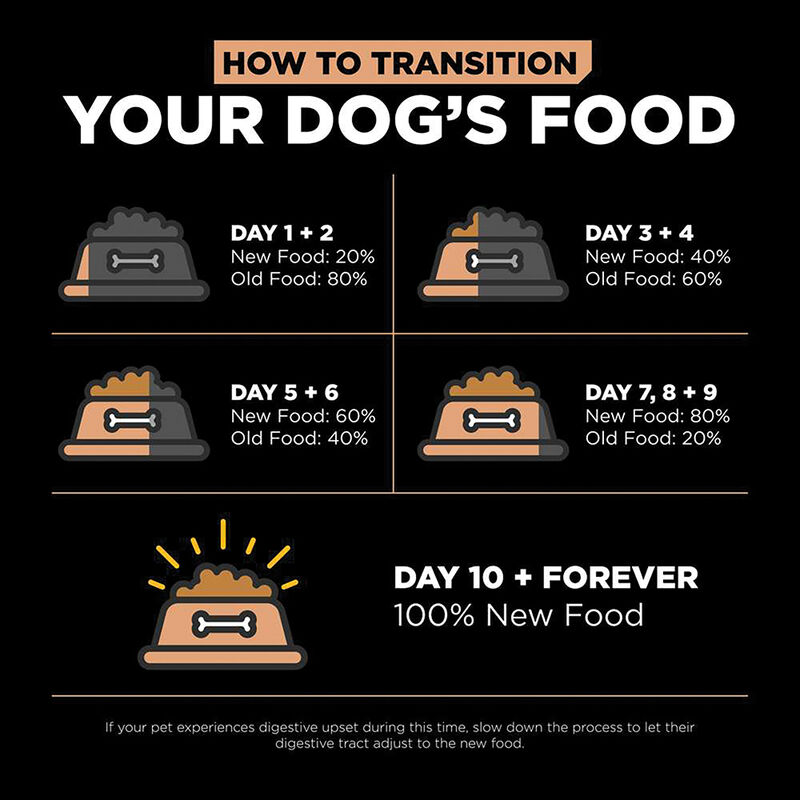
Puppies usually switch to adult food around one year old. Gradually mix adult food with puppy food over a week. This helps your dog adjust without stomach upset.
Transitioning your dog from puppy food to adult food is crucial. A smooth transition ensures your dog stays healthy and happy. Sudden changes can upset their stomach. It’s important to make this shift gradually. Below are some tips to help ease this process.Gradual Food Mixing Techniques
Begin by mixing small amounts of adult food with puppy food. Over several days, slowly increase the amount of adult food. Reduce the puppy food proportion at the same time. This gradual method helps your dog’s digestive system adjust. Aim for a complete switch in 7 to 10 days.Monitoring Digestive Responses
Watch your dog’s behavior and stool during this period. Loose stools or vomiting signal adjustment issues. If these occur, slow down the transition. Return to a higher ratio of puppy food. Once symptoms improve, resume the transition. Monitoring closely ensures your dog’s comfort and health.Adjusting Portions During Transition
Adult dogs need different food amounts than puppies. Check the adult food packaging for portion guidelines. Adjust based on your dog’s weight and activity level. Monitor your dog’s weight and energy levels. Adjust portions if you notice weight gain or loss. Proper portions maintain your dog’s health and energy.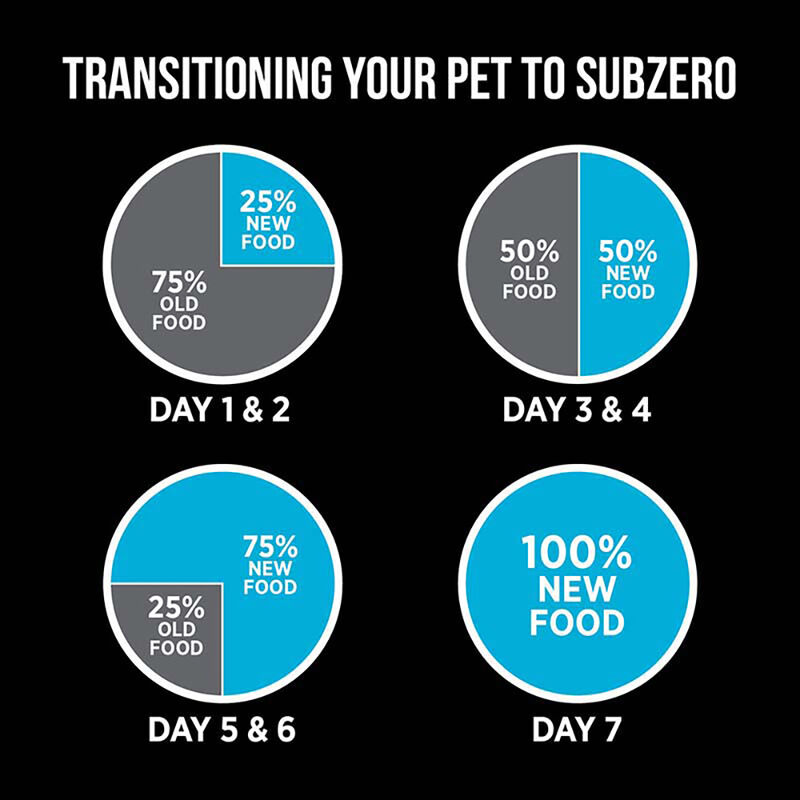
Credit: www.renspets.com
Common Mistakes To Avoid
Transitioning your dog to adult food needs careful planning. Many pet owners make mistakes that can affect their dog’s health. Avoiding common errors ensures a smooth change and keeps your dog happy and healthy.
Switching Too Early Or Late
Changing to adult food too soon can cause nutrient gaps. Puppies need special nutrients for growth. Switching too late may lead to weight gain or digestive issues. Watch your dog’s age and size to choose the right time.
Ignoring Individual Dog Needs
Every dog is different. Some may need a slower transition than others. Health conditions and breed size affect food choice. Pay attention to your dog’s reactions and adjust accordingly. Consult a vet if unsure.
Overfeeding During Transition
It’s easy to overfeed when mixing old and new food. Overfeeding causes weight gain and stomach upset. Follow feeding guidelines carefully. Gradually reduce old food while increasing new food amounts.
Veterinarian Recommendations
Veterinarian recommendations play a vital role in deciding when to switch your dog to adult food. Vets know your dog’s breed, size, and health history. They guide you through the transition safely. Their advice ensures your dog gets the right nutrients at the right time.
When To Consult Your Vet
Talk to your vet before changing your dog’s diet. Puppies grow at different rates. Some may need adult food earlier or later. Your vet can spot signs that show readiness for adult food. Consulting helps avoid digestive issues or nutrient gaps.
Personalized Feeding Plans
Vets create feeding plans tailored to your dog’s needs. They consider activity level, weight, and health conditions. The plan includes the best type of adult food. Portion sizes and feeding frequency are also part of the plan. Personalized plans support steady growth and good health.
Health Checks During Transition
Regular health checks matter during food changes. Vets monitor your dog’s weight and energy. They check for allergies or stomach problems. Adjustments to the diet happen based on these checkups. Health checks make the food switch smooth and safe.
Credit: www.renspets.com
Frequently Asked Questions
When Should I Switch My Puppy To Adult Dog Food?
Most dogs transition to adult food between 9 to 12 months old. Large breeds may switch later, around 12 to 18 months. Consult your vet for breed-specific timing to ensure proper nutrition and growth.
What Signs Indicate My Dog Is Ready For Adult Food?
Look for slowed growth, less puppy-like energy, and stable weight. If your dog’s vet confirms maturity, it’s time to transition to adult food for balanced nutrition.
How Do I Transition My Dog To Adult Food Safely?
Mix adult food with puppy food gradually over 7-10 days. Slowly increase adult food portion while decreasing puppy food. This helps prevent digestive upset and ensures a smooth change.
Is Adult Dog Food Different From Puppy Food?
Yes, adult dog food has fewer calories and adjusted nutrients. It supports maintenance rather than growth. Feeding adult food too early can lead to nutritional imbalances and health issues.
Conclusion
Transitioning your dog to adult food takes care and timing. Watch your dog’s size, breed, and behavior closely. Most dogs switch around one year old. Large breeds may need more time before changing food. Always choose high-quality adult dog food.
Gradually mix new food with old over days. This helps avoid stomach upset or refusal. Consult your vet if unsure about the switch. Healthy nutrition keeps your dog happy and strong. Remember, each dog is unique. Pay attention and adjust as needed.
Your dog will thank you with good health.