
Are you curious about the safety of eating raw dog food? It might sound unusual, but some people wonder if this diet could be safe or even beneficial for humans.
Before you consider trying it, you need to know the facts. Eating raw dog food isn’t just about taste—it involves important health risks and benefits that could affect you directly. Keep reading to discover what experts say, what dangers to watch out for, and whether this choice is really safe for your body.
Your health deserves clear answers.

Credit: www.meetmaev.com
Raw Dog Food Basics
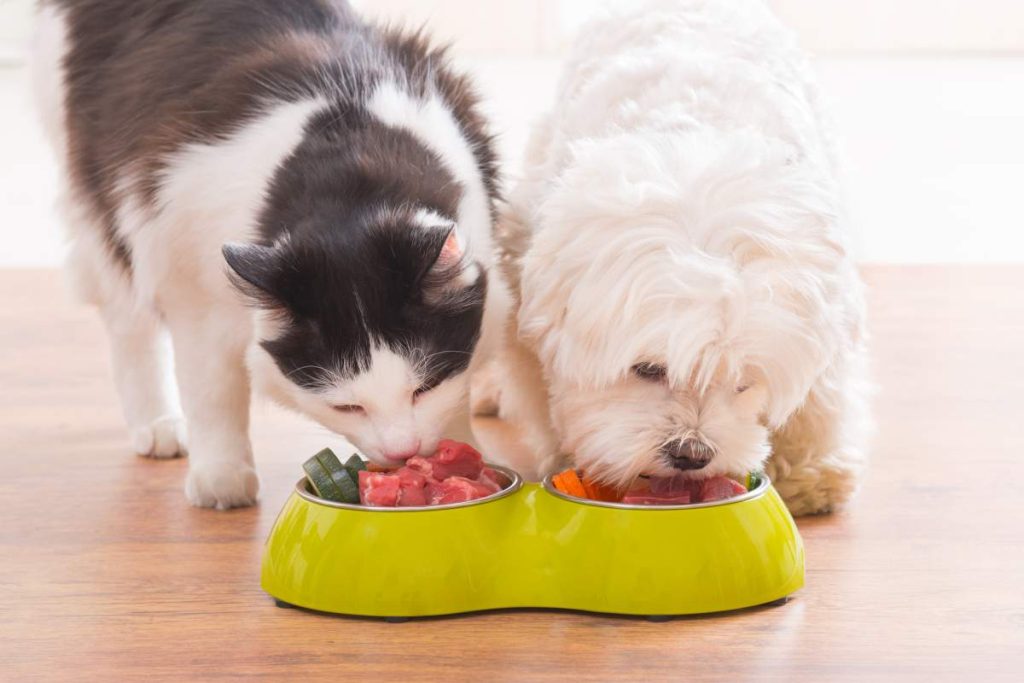
Raw dog food has gained attention for its natural approach to pet nutrition. It consists of uncooked ingredients aimed to mimic a dog’s ancestral diet. Understanding the basics helps to assess its safety for humans and pets alike. This section covers common ingredients and reasons for feeding raw.
Common Ingredients
- Raw meat such as beef, chicken, or lamb
- Organ meats like liver and kidney
- Raw bones for calcium and dental health
- Vegetables like carrots and spinach
- Fruits such as apples and blueberries
- Supplements including fish oil and vitamins
Reasons For Feeding Raw
Many pet owners choose raw food to improve digestion. It may provide higher energy and better coat condition. Raw diets often avoid additives and preservatives found in processed food. Some believe it supports stronger immune systems. Feeding raw reflects a more natural diet for dogs.
Health Risks For Humans
Handling raw dog food in your home can expose you to several health risks. These dangers often come from bacteria, parasites, and the way the food is handled around your living space. Understanding these risks helps you protect yourself and your family better.
Bacterial Contamination
Raw dog food can contain harmful bacteria like Salmonella and E. coli. These bacteria may not affect your dog but can cause serious illness in humans. If you have kids or elderly family members, the risk is even higher.
Have you ever noticed your dog’s food bowl left on the kitchen counter? This can increase the chance of bacteria spreading to surfaces where you prepare your meals. Always wash your hands and surfaces thoroughly after touching raw dog food.
Parasite Exposure
Parasites such as Toxoplasma gondii and roundworms can be present in raw meat. These parasites may infect humans if the food is handled without proper hygiene. Imagine touching raw dog food and then touching your face or eating without washing your hands—you could unknowingly introduce parasites to your body.
Freezing raw dog food before serving can reduce some parasite risks, but it doesn’t eliminate the need for careful handling. Are you taking enough precautions to keep your home parasite-free?
Cross-contamination Dangers
Cross-contamination happens when bacteria or parasites spread from raw dog food to other foods, utensils, or surfaces. This often occurs when the same cutting board or knife is used for both pet food and human food without proper cleaning.
Setting up a separate area or dedicated utensils for raw dog food can reduce this risk significantly. Have you checked if your kitchen habits might be putting your family’s health at risk?
Safety Measures To Follow
Handling raw dog food carefully helps prevent germs from spreading to humans. Always wash hands and surfaces after contact with raw food to stay safe. Avoid touching your face and keep raw dog food away from human food areas.
Eating raw dog food might seem like a daring culinary adventure, but it’s crucial to prioritize safety. Understanding and implementing safety measures can make the experience less risky. Let’s explore some key guidelines to ensure a safe handling process.Proper Handling Techniques
When dealing with raw dog food, always treat it like you would any raw meat. Use separate cutting boards and knives to avoid cross-contamination. Wash your hands thoroughly with soap and water before and after handling. Consider using disposable gloves for an extra layer of protection. Keep a bottle of hand sanitizer nearby for quick clean-ups. Remember, the goal is to minimize contact with harmful bacteria.Storage Recommendations
Storing raw dog food properly is essential to maintaining its safety. Keep the food in a sealed container in the refrigerator, away from other foods. This prevents any potential leakage or cross-contamination. If you buy in bulk, consider freezing portions to maintain freshness. When thawing, do it in the refrigerator rather than on the counter. This method keeps the food at a safe temperature, reducing the risk of bacterial growth.Sanitizing Surfaces And Utensils
After preparing raw dog food, sanitize all surfaces and utensils immediately. Use a disinfectant spray or a solution of water and vinegar to clean countertops. Don’t forget to sanitize the sink and faucet handles. Run utensils, cutting boards, and dishes through the dishwasher on a high-temperature setting. Regularly cleaning these items prevents bacteria from lingering and reduces the risk of contamination. Are you willing to take these safety measures seriously if you decide to try raw dog food? It’s a question worth pondering. Prioritizing safety can make all the difference.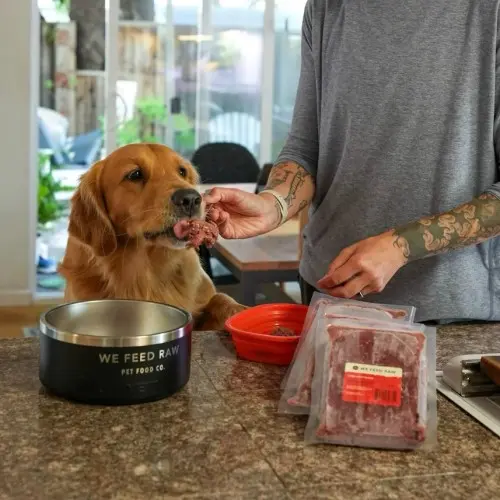
Credit: wefeedraw.com
Comparing Raw And Cooked Dog Food
Comparing raw and cooked dog food helps understand their benefits and risks. Both types aim to provide balanced nutrition for dogs. Raw food often mimics a natural diet. Cooked food is more common and easier to store. Each type affects the dog’s health in different ways.
Nutritional Differences
Raw dog food usually contains more natural vitamins and enzymes. Cooking can reduce some nutrients, especially heat-sensitive vitamins. Protein in raw food remains in its natural form. Cooking changes protein structure, which may make it easier to digest. Raw diets often include raw bones, which add calcium. Cooked food relies on added supplements for minerals. Fat content can vary widely in both types. Raw food may have more omega fatty acids if fresh meat is used. Cooked food may lose some fatty acids during heating. Overall, raw food keeps nutrients closer to their original state.
Safety Factors
Raw dog food carries a higher risk of bacterial contamination. Pathogens like Salmonella and E. coli can be present in raw meat. Proper handling and storage reduce these risks but do not eliminate them. Cooked food is usually safer because heat kills harmful bacteria. Cross-contamination in the kitchen is a concern with raw diets. People with weak immune systems should be cautious around raw dog food. Dogs can also get sick from harmful bacteria in raw meat. Always source raw ingredients from trusted suppliers. Cooked food offers more consistent safety and longer shelf life.
Expert Opinions And Studies
Experts have studied the safety of humans eating raw dog food. Their views help us understand potential health risks. Opinions vary depending on experience and research findings. Below are key insights from veterinarians and scientific studies.
Veterinarians’ Views
Many veterinarians warn against humans eating raw dog food. They note raw diets can contain harmful bacteria. These include Salmonella, E. coli, and Listeria. Such bacteria pose serious health risks to people. Especially dangerous are young children, elderly, and those with weak immune systems.
Some vets stress raw dog food is made for dogs, not humans. Dogs have stronger stomach acids to handle bacteria. Humans lack this natural defense, increasing infection risk. They recommend proper hygiene and avoiding direct contact with raw pet food.
Scientific Research Findings
Studies confirm raw pet food often contains pathogens harmful to humans. Research shows bacteria can survive in raw meat products. Cross-contamination in kitchens may spread these germs. One study found Salmonella in up to 20% of raw pet foods tested.
Researchers also point out that cooking kills these bacteria. Cooking dog food eliminates most health risks for humans. Raw food diets for pets remain controversial due to safety concerns. The scientific consensus advises caution for any direct human consumption.
Signs Of Contamination
Signs of contamination in raw dog food can affect both humans and dogs. Identifying these signs early helps prevent serious health issues. Contaminated raw food may contain harmful bacteria like Salmonella or E. coli. These bacteria cause illness and discomfort. Knowing the symptoms in both humans and dogs is crucial.
Symptoms In Humans
- Stomach pain and cramps
- Diarrhea, sometimes with blood
- Nausea and vomiting
- Fever and chills
- Weakness and fatigue
- Headache
These symptoms can appear within hours or days after exposure. Seek medical help if symptoms worsen or last more than a few days.
Symptoms In Dogs
- Loose stools or diarrhea
- Vomiting
- Lethargy and weakness
- Loss of appetite
- Fever
- Dehydration
Dogs showing these signs need prompt veterinary care. Early treatment can prevent serious health problems.
Alternatives To Raw Dog Food
Choosing the right diet for your dog is important for their health. Raw dog food raises safety questions for humans. Some prefer alternatives that reduce risks while still providing good nutrition.
These alternatives offer safe options to feed your dog without the concerns linked to raw food. They also help protect your family from potential germs.
Commercial Cooked Options
Many brands produce cooked dog foods that are safe and nutritious. These products undergo heat treatment to kill harmful bacteria. They come in dry, canned, or freeze-dried forms.
- Convenient and ready to serve
- Balanced nutrition designed for dogs
- Reduced risk of foodborne illness for humans
- Longer shelf life compared to raw food
Check labels for quality ingredients and appropriate nutrients. Choose trusted brands with good safety records.
Homemade Safe Recipes
Preparing your dog’s food at home lets you control ingredients and hygiene. Cooking meats thoroughly kills bacteria and parasites. Mixing in vegetables, grains, and supplements creates a balanced meal.
- Use fresh, high-quality meats
- Cook food to safe temperatures
- Include a variety of nutrients
- Consult a vet for recipe guidance
Homemade meals can be safer for humans and dogs. Proper handling and cooking reduce health risks effectively.

Credit: proudi.com
Frequently Asked Questions
Is Eating Raw Dog Food Safe For Humans?
Eating raw dog food can pose health risks due to bacteria like Salmonella. It’s best to avoid consumption and practice good hygiene when handling it.
What Are The Risks Of Consuming Raw Dog Food?
Raw dog food may contain harmful bacteria and parasites that can cause food poisoning and infections in humans.
How Can I Safely Handle Raw Dog Food?
Always wash hands thoroughly after handling raw dog food. Clean surfaces and utensils to prevent cross-contamination and maintain hygiene.
Can Raw Dog Food Cause Illness In Humans?
Yes, raw dog food can transmit pathogens that cause gastrointestinal illness, especially in children, elderly, or immunocompromised individuals.
Conclusion
Eating raw dog food is not safe for humans. It can carry harmful bacteria and parasites. These can cause serious health problems. Always wash your hands after handling it. Keep raw dog food separate from your meals. Cooked food is a much safer choice for people.
Stay careful and protect your health. Remember, dogs and humans have different digestive systems. Better to be safe than sorry.