If you want the best for your dog’s health, choosing the right raw food is key. But with so many options out there, how do you know what to look for?
Your dog’s energy, coat, and overall happiness depend on the food you pick. You’ll discover simple tips to spot high-quality raw dog food that truly supports your furry friend. Keep reading to learn how to make choices that will keep your dog thriving every day.
Benefits Of Raw Dog Food
Raw dog food offers many health benefits that support a dog’s overall well-being. It contains natural nutrients that are often lost in processed food. Dogs can absorb vitamins and minerals more easily from raw meals. This diet mimics what dogs would eat in the wild, promoting natural health.
Improved Digestion
Raw dog food is easier for dogs to digest. It contains natural enzymes that help break down food. This reduces the chance of stomach upset and constipation. Dogs on raw diets often have smaller, firmer stools. Digestive health improves as the gut flora stays balanced.
Enhanced Coat And Skin
Feeding raw food can improve a dog’s coat and skin condition. Nutrients like omega-3 fatty acids help reduce dryness and itching. A shiny, soft coat often appears within weeks. Healthy skin means fewer allergies and less scratching.
Increased Energy Levels
Dogs eating raw food usually show more energy and vitality. The natural nutrients support muscle health and stamina. They feel more active during play and exercise. This diet helps maintain a healthy weight and strong muscles.
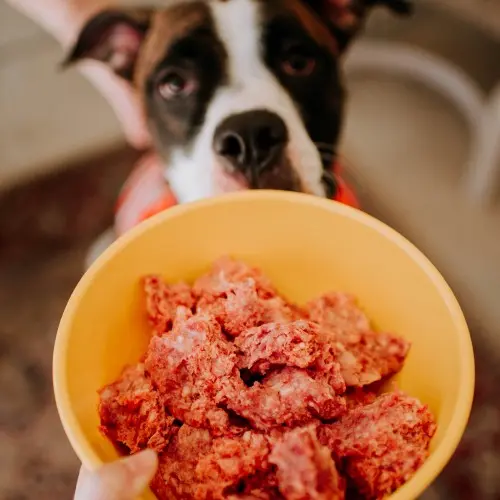
Credit: wefeedraw.com
Key Ingredients To Choose
Choosing the right ingredients is essential for raw dog food. Each component plays a role in your dog’s health and energy. Focus on ingredients that provide balanced nutrition and support overall well-being.
High-quality Proteins
Proteins build muscles and repair tissues. Select raw dog food with fresh meats such as chicken, beef, lamb, or turkey. Organ meats like liver and kidney add essential vitamins and minerals. Avoid fillers or by-products to ensure pure protein sources.
Fresh Vegetables And Fruits
Vegetables and fruits supply vitamins, minerals, and fiber. Choose options like carrots, spinach, blueberries, and apples. These ingredients aid digestion and boost the immune system. Avoid toxic foods like onions, grapes, and raisins.
Healthy Fats And Oils
Fats provide energy and support skin and coat health. Look for sources such as fish oil, flaxseed oil, and chicken fat. These contain omega-3 and omega-6 fatty acids. Balanced fats help reduce inflammation and improve brain function.
Avoiding Harmful Additives
Check the ingredient list carefully to avoid harmful additives like artificial colors, preservatives, and fillers. Pure, natural ingredients support your dog’s health and well-being. Choose raw dog food with simple, recognizable components for safer nutrition.
Choosing raw dog food for your furry friend can be a daunting task, especially when you’re trying to avoid harmful additives. What exactly should you look out for? Understanding the key additives that can be harmful is crucial in making informed decisions. By doing so, you not only ensure your pet’s health but also give them the best nutritional start. Here’s what you need to know about avoiding harmful additives in raw dog food.Artificial Preservatives
Artificial preservatives are often added to prolong shelf life, but they can pose health risks to your dog. Ingredients like BHA, BHT, and ethoxyquin are commonly found in pet foods, yet they have been linked to health issues like allergies and even cancer. Always check the ingredient list and opt for foods that use natural preservatives such as vitamin E (often labeled as mixed tocopherols) or vitamin C.Fillers And Byproducts
Fillers and byproducts are often used to bulk up pet food without adding nutritional value. Common fillers include corn, soy, and wheat, which can cause digestive issues and allergies in dogs. Byproducts, on the other hand, might sound nutritious but can include low-quality parts of animals. Look for foods that list high-quality proteins like chicken, beef, or fish as the first ingredient.Excessive Salt And Sugar
While a small amount of salt is necessary for your dog’s health, excessive salt can lead to health problems such as hypertension and kidney disease. Similarly, added sugars have no place in your dog’s diet and can contribute to obesity and dental issues. Always read the labels and choose foods that list minimal or no salt and sugar. Is your current dog food meeting these criteria? Taking the time to scrutinize those labels can make all the difference in your pet’s health.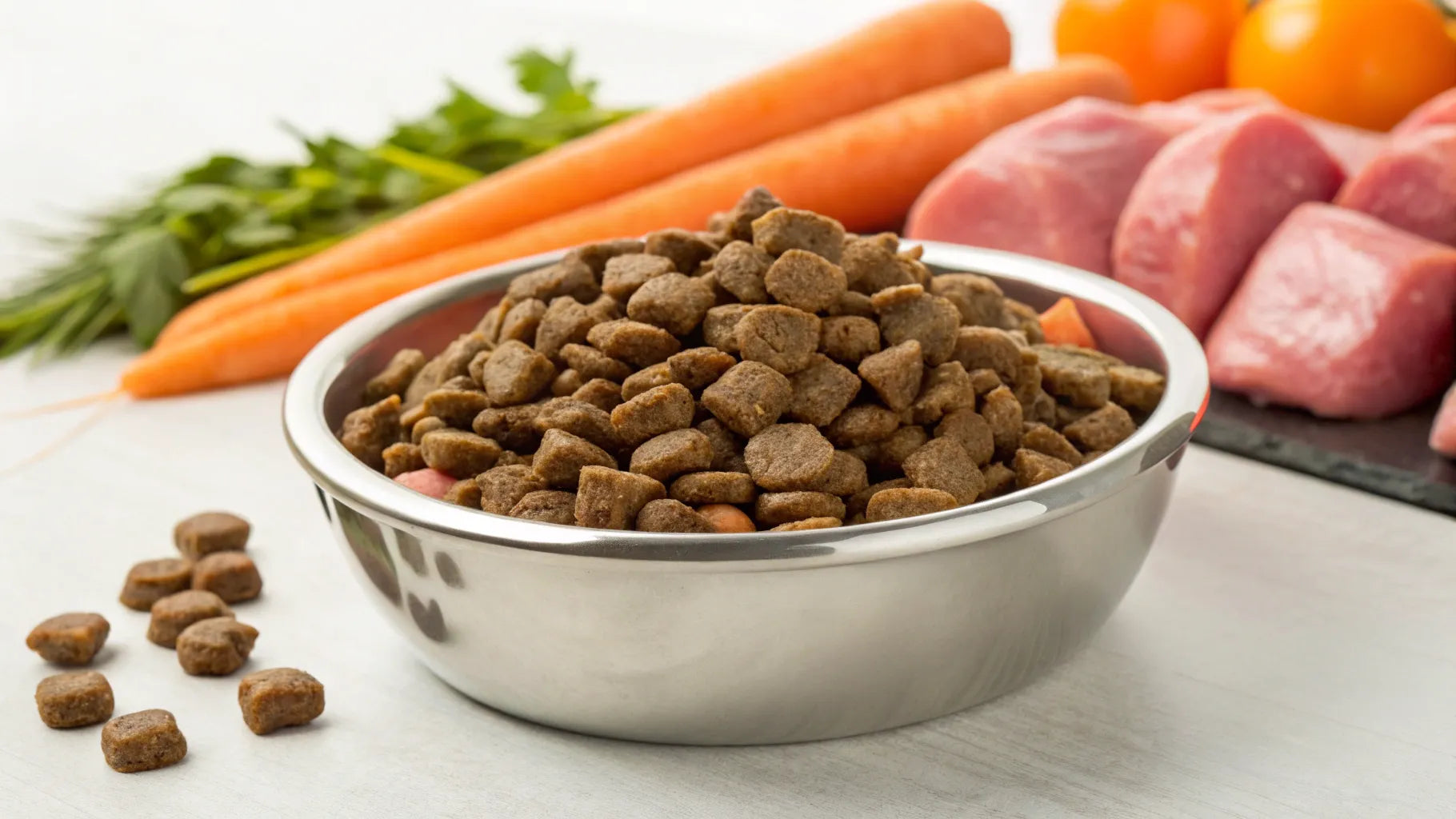
Credit: www.houndsy.com
Balancing Nutrients
Balancing nutrients in raw dog food is crucial to keep your furry friend healthy and energetic. Each nutrient plays a specific role in your dog’s overall well-being. Getting the right balance ensures your pet’s body functions smoothly and prevents health problems down the line.
Proteins, Fats, And Carbohydrates
Proteins are the building blocks for your dog’s muscles, skin, and immune system. Aim for high-quality protein sources like muscle meat, organs, and bones.
Fats provide energy and help absorb vitamins. Look for natural fats from animal sources, but avoid excessive fat that can lead to obesity.
Carbohydrates aren’t essential for dogs but can be included in small amounts through vegetables or fruits. Too many carbs can cause digestive issues, so balance is key.
Essential Vitamins And Minerals
Your dog needs a range of vitamins and minerals to support their metabolism, immune health, and bone strength. Raw diets should include organ meats like liver to supply vitamins A, D, E, and K.
Don’t forget trace minerals such as zinc, copper, and selenium, which play important roles in cellular functions. A lack of these can lead to deficiencies, so variety in ingredients matters.
Calcium And Phosphorus Ratios
Calcium and phosphorus must be in the right ratio—usually around 1.2 parts calcium to 1 part phosphorus—to support healthy bones and teeth. Too much phosphorus can weaken bones, while too much calcium may cause kidney issues.
Raw meaty bones are a natural way to balance these minerals, but if you use ground meat only, you might need to add supplements. Have you checked your dog’s diet for this balance lately?
Safety And Handling Tips
Handling raw dog food safely is key to protecting both your pet and your household. Mistakes in storage or hygiene can lead to harmful bacteria exposure. Knowing the right steps makes feeding raw not just healthy but safe.
Proper Storage Methods
Keep raw dog food frozen until it’s time to use it. Thaw portions in the refrigerator, never at room temperature, to slow bacterial growth. Use airtight containers or sealed bags to avoid freezer burn and contamination.
Have you checked if your freezer maintains a steady 0°F (-18°C)? This temperature helps preserve nutrients and prevents spoilage. Label packages with dates to use the oldest food first and reduce waste.
Hygiene Practices
Wash your hands thoroughly with soap and water before and after handling raw dog food. Clean all surfaces and utensils immediately after use. This prevents bacteria from spreading to other foods or areas.
Using separate cutting boards and knives for raw pet food and human food can cut down risks. You might find that keeping dedicated pet food prep tools makes cleaning easier and more reliable.
Avoiding Cross-contamination
Store raw dog food separately from your own groceries, ideally on the lowest shelf in the fridge to catch any drips. Never reuse packaging or containers for other foods without cleaning them thoroughly first.
Think about the routes germs could travel in your kitchen. For example, avoid placing pet bowls on countertops where you prepare meals. Small changes like these can keep your family safe while feeding your dog a raw diet.
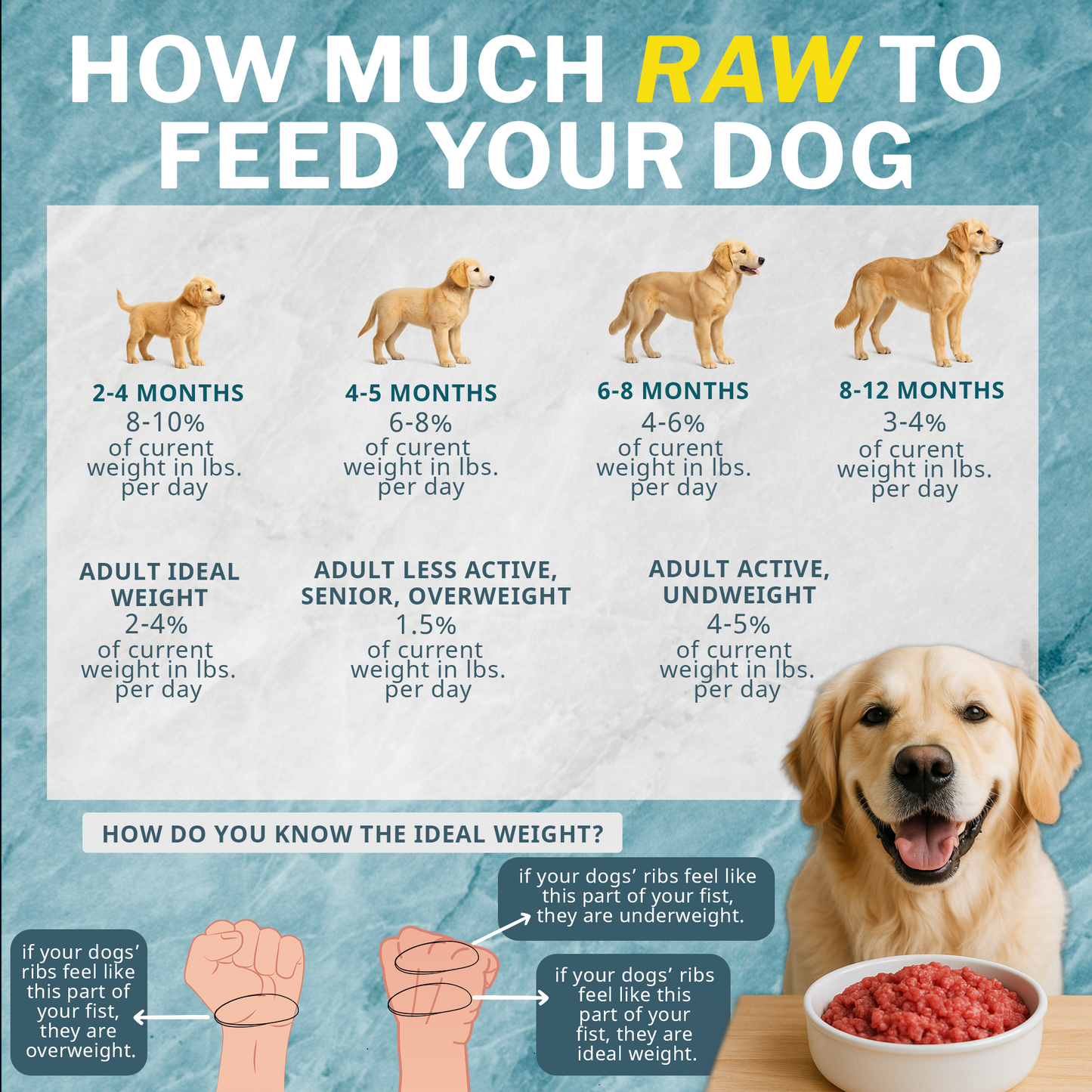
Credit: ifeedraw.com
Choosing Reputable Brands
Choosing a reputable brand is essential when selecting raw dog food. The brand you trust impacts not only your dog’s health but also your peace of mind. Knowing what to look for can save you from potential risks and ensure your dog gets the best nutrition possible.
Quality Control Standards
Check if the brand follows strict quality control measures. Reliable companies often have certifications from food safety authorities or third-party audits. These standards reduce the chance of contamination and guarantee the food meets safety requirements.
Ask yourself: Does the company provide details about their manufacturing process? Brands that share this information openly usually take quality seriously. Avoid those that keep these details vague or unavailable.
Transparent Ingredient Sourcing
Look for brands that clearly list where their ingredients come from. Transparency means the brand is confident about the origin and quality of what goes into their products. You want to see specific farms, regions, or suppliers named rather than generic terms like “meat” or “vegetables.”
Knowing the source helps you understand if the ingredients are fresh, natural, and free from harmful additives. If a brand won’t share this, consider it a red flag. Your dog’s health depends on what they eat every day.
Customer Reviews And Feedback
Reading reviews from other dog owners can reveal a lot about a brand’s reliability. Look for patterns in feedback, such as consistent praise for ingredient quality or complaints about delivery issues. Honest reviews help you spot potential problems before you buy.
Pay attention to how the company responds to criticism. Brands that engage respectfully and resolve issues show they value their customers. Would you trust a brand that ignores your concerns?
Customizing For Your Dog’s Needs
Every dog has unique needs that affect their diet. Customizing raw dog food can improve health and happiness. Tailoring meals to your dog’s specific requirements ensures they get the right nutrients.
Age And Size Considerations
Different life stages need different nutrition. Puppies require more protein and fat for growth. Older dogs benefit from foods that support joint health and digestion. Small breeds have faster metabolisms and need calorie-dense meals. Large breeds require balanced calcium and phosphorus for bone health.
Allergies And Sensitivities
Some dogs react to certain ingredients. Common allergens include grains, chicken, and dairy. Choose raw food free of these to avoid reactions. Watch for signs like itching or upset stomach. Consult a vet to identify and manage sensitivities.
Activity Level Adjustments
Active dogs burn more calories and need extra energy. Working dogs may require higher fat and protein. Less active or older dogs need fewer calories to prevent weight gain. Adjust portions and nutrient balance to match activity levels for optimal health.
Frequently Asked Questions
What Ingredients Should Be In Raw Dog Food?
Look for high-quality proteins like muscle meat, organs, and bones. Avoid fillers, artificial additives, and preservatives. Fresh, natural ingredients ensure balanced nutrition and better digestion for your dog.
How To Ensure Raw Dog Food Is Safe?
Choose reputable brands that follow strict hygiene standards. Check for proper storage and handling instructions. Always freeze raw food before feeding to kill parasites and bacteria.
Is Raw Dog Food Nutritionally Balanced?
Balanced raw diets include muscle meat, organs, bones, and vegetables. Check labels or consult a vet to ensure all essential nutrients are present. Proper balance supports your dog’s health and energy.
Can Raw Dog Food Cause Health Risks?
Improper handling or poor-quality raw food can cause bacterial contamination. Follow safe preparation and storage practices. Consult your vet to address any specific health concerns before switching diets.
Conclusion
Choosing the right raw dog food takes care and thought. Check for fresh ingredients and balanced nutrition. Make sure the food suits your dog’s size and health needs. Always pick products from trusted sources. Safe handling keeps your dog healthy and happy.
Feeding raw can support strong teeth and shiny coats. Keep your dog’s diet varied and clean. Your pet deserves the best fuel for a long life. Remember, good food means a happy dog. Simple steps lead to great health and joy.