

Have you ever wondered if it’s okay for your adult dog to eat puppy food? You might think it’s harmless or even nutritious since puppy food is made for growing dogs.
But could it actually cause problems for your adult pet? Understanding the differences between puppy and adult dog food can help you make the best choice for your furry friend’s health. Keep reading to discover what happens when adult dogs eat puppy food and whether it could hurt them.
Your dog’s well-being depends on the right nutrition—and you deserve to know the truth.
Nutritional Differences Between Puppy And Adult Dog Food
Understanding the nutritional differences between puppy and adult dog food is key to deciding if feeding your adult dog puppy food is safe or harmful. Puppy food is designed to support rapid growth and development, while adult dog food focuses on maintaining health and energy levels appropriate for a mature dog.
Protein And Fat Levels
Puppy food typically contains higher protein and fat levels than adult dog food. These extra nutrients support muscle growth and provide energy for active, growing puppies.
Feeding an adult dog this richer diet can lead to unnecessary weight gain and stress on organs, as their energy needs are lower. Have you noticed changes in your dog’s weight or energy after switching foods?
Calorie Content
Puppy food is calorie-dense to fuel development. Adult dog food has fewer calories to prevent obesity and related health problems.
If your adult dog consumes puppy food regularly, they may consume excess calories, which could cause weight-related issues over time. Are you tracking your dog’s calorie intake effectively?
Vitamin And Mineral Balance
Puppy formulas have adjusted levels of vitamins and minerals, like calcium and phosphorus, to support bone growth. Adult dog food balances these nutrients to maintain bone health without encouraging excessive growth.
Feeding an adult dog puppy food for long periods may disrupt this balance, potentially leading to health concerns. Could your dog’s diet be affecting their joint health or energy?
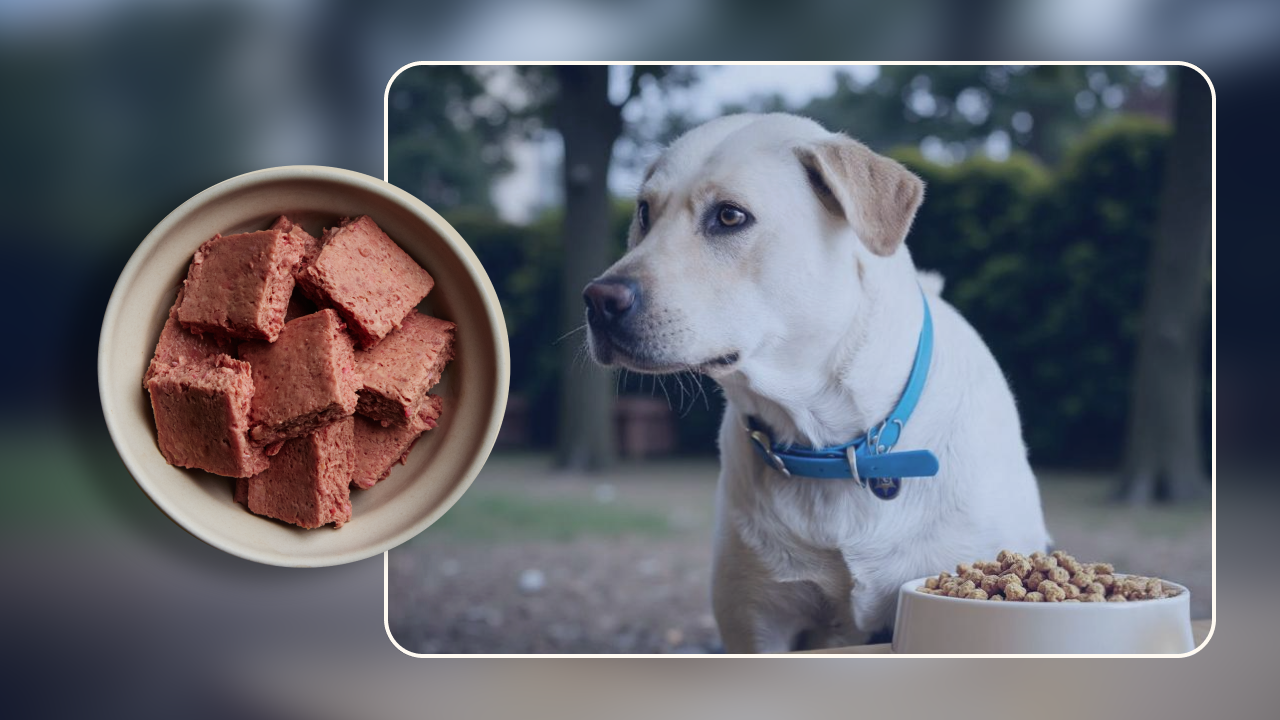
Credit: wefeedraw.com
Potential Risks Of Adult Dogs Eating Puppy Food
Adult dogs have different nutritional needs than puppies. Puppy food is designed to support rapid growth and high energy levels. Feeding adult dogs with puppy food can cause several risks. It is important to understand these risks to keep your dog healthy and happy.
Weight Gain And Obesity
Puppy food contains more calories and fat. Adult dogs eating this food can gain weight quickly. Extra weight strains joints and organs. Obesity can lead to serious health problems. Controlling calorie intake is key for adult dogs.
Digestive Issues
Puppy food is richer and harder to digest. Adult dogs may experience stomach upset or diarrhea. Their digestive system may not handle the high nutrient levels well. This can cause discomfort and reduce nutrient absorption.
Long-term Health Concerns
Continuous feeding of puppy food can harm adult dogs over time. Excess nutrients can stress the liver and kidneys. It may also increase the risk of heart disease. Balanced nutrition is essential for long-term health and vitality.
When Puppy Food Might Be Safe For Adult Dogs
Puppy food is richer in nutrients and calories than adult dog food. Feeding it occasionally to an adult dog usually causes no harm. Long-term use, though, can lead to weight gain or digestive issues.
When Puppy Food Might Be Safe for Adult Dogs Feeding your adult dog puppy food might sound unusual. But under certain conditions, it can be a practical choice. Understanding when this might be safe could benefit your pet’s health.Special Health Conditions
Certain health conditions could make puppy food a viable option for adult dogs. If your dog is recovering from an illness or surgery, the higher calorie content in puppy food can be helpful. Dogs with specific nutritional deficiencies might also benefit from the nutrient-rich formulation. Dogs with difficulty maintaining a healthy weight may require the extra calories and nutrients found in puppy food. However, it’s important to monitor your dog’s weight and health closely. Consult with a veterinarian to ensure it’s an appropriate choice for your pet’s specific needs.Veterinarian Recommendations
Veterinarians sometimes recommend puppy food for adult dogs. This could be due to a need for more calories or specific nutrients that puppy food provides. Your vet can guide you on the right balance for your dog’s diet. I once had a senior dog who struggled with weight loss, and the vet suggested puppy food to give him a nutritional boost. It made a noticeable difference in his energy levels and overall well-being. Have you ever considered that a simple change in diet could transform your pet’s health? Always rely on professional advice when it comes to dietary changes. Your vet will consider your dog’s health history before recommending puppy food. Being proactive in your dog’s diet can make a world of difference.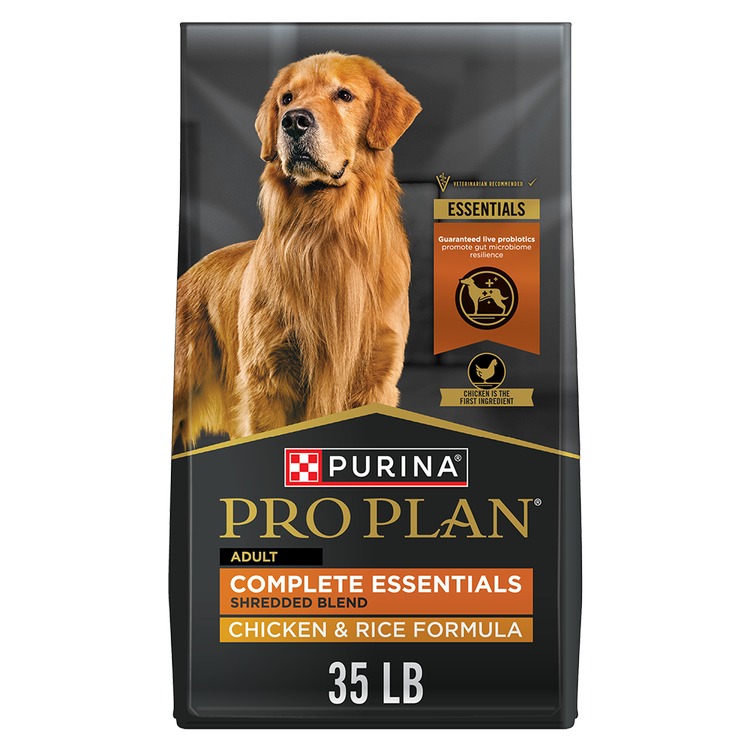
Credit: www.purina.com
How To Transition Between Puppy And Adult Dog Food
Switching your dog from puppy food to adult dog food is an important step in their growth and health journey. It’s not just about changing the label on the bag; your dog’s digestive system and nutritional needs adjust during this transition. Doing it right can prevent stomach upset and ensure your dog thrives on their new diet.
Gradual Switching Process
Start by mixing a small amount of adult dog food into your dog’s current puppy food. Aim for about 25% adult food and 75% puppy food during the first few days. This gentle change helps your dog’s stomach get used to the new ingredients.
After about 3 to 5 days, increase the adult food portion to 50%, then 75% after another few days. By the end of two weeks, your dog should be eating 100% adult dog food. This slow approach reduces the risk of digestive issues like diarrhea or vomiting.
Remember, consistency matters. Feed your dog at the same times each day and keep track of how much they eat. If your dog refuses the new food, try mixing in a little warm water to soften it or add a small amount of low-sodium broth for extra flavor.
Monitoring Your Dog’s Reaction
Watch your dog closely during the transition. Look for signs like changes in appetite, stool consistency, energy levels, or any unusual behavior. These clues tell you how well your dog is adapting to the new food.
If you notice persistent diarrhea, vomiting, or loss of appetite, pause the transition and consult your vet. Sometimes, dogs may have sensitivities to certain ingredients in adult food that weren’t a problem in puppy food.
Ask yourself: is your dog eating happily and maintaining regular bathroom habits? If yes, you’re on the right track. If not, adjusting the pace of the switch or trying a different adult formula might help.
Signs Your Adult Dog Is Having Trouble With Puppy Food
Noticing signs that your adult dog is struggling with puppy food is crucial for their health. Puppy food is designed with higher calories and nutrients to support growth, which might overwhelm an adult dog’s system. Being alert to changes in behavior and physical health can help you decide if a diet change is needed.
Behavioral Changes
Have you seen your dog acting differently after meals? Sudden irritability or reluctance to eat can signal discomfort. Some dogs may become restless or show signs of anxiety, which might be linked to digestive upset from the richer puppy food.
Watch for unusual behaviors like:
- Increased lethargy or fatigue
- Excessive drooling or pawing at the mouth
- Refusing treats or favorite foods
These changes may seem subtle, but they often indicate that your dog is not tolerating the food well. Do you notice your dog’s mood shifting around feeding times?
Physical Symptoms To Watch For
Physical signs are often more obvious than behavioral changes. Look for symptoms such as:
- Upset stomach or vomiting
- Diarrhea or loose stools
- Bloating or gas
- Sudden weight gain or loss
My own dog started having loose stools and was unusually tired after switching to puppy food. It was a clear signal that the diet was too rich for his adult needs. If you see these symptoms, it’s important to consult your vet and reconsider the diet.
Have you checked your dog’s digestion after switching foods? Identifying these signs early can prevent long-term health issues and keep your dog comfortable and happy.
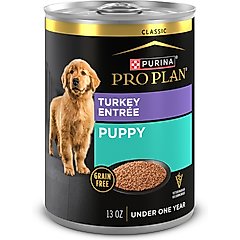
Credit: www.chewy.com
Choosing The Right Food For Your Adult Dog
Choosing the right food for your adult dog is essential for their health and happiness. Puppy food has different nutrient levels designed to support growth, which may not be suitable for an adult dog’s maintenance needs. Understanding what your dog truly requires helps you avoid nutritional imbalances and supports their long-term well-being.
Assessing Your Dog’s Needs
Every dog has unique dietary needs based on their age, size, activity level, and health status. An active adult dog burning lots of energy may need more calories and protein than a less active one. Pay attention to your dog’s weight, coat condition, and energy to see if their current food is meeting their needs.
Think about any special health concerns your dog might have. For instance, some dogs need food with joint support or digestive aids. Choosing food tailored to these specific needs can improve your dog’s quality of life.
Consulting With A Veterinarian
Your veterinarian is the best source for advice on your dog’s diet. They can help you understand if switching from puppy food to adult food is the right move and recommend the best options. Sometimes, vets suggest a gradual transition to avoid stomach upset.
During your vet visit, ask about the ideal nutrient balance for your dog’s breed and lifestyle. You might learn about ingredients to avoid or those that benefit your dog’s health. This guidance can prevent costly mistakes and keep your dog feeling great.
Frequently Asked Questions
Can Adult Dogs Eat Puppy Food Safely?
Adult dogs can eat puppy food occasionally, but it’s not ideal long-term. Puppy food has extra calories and nutrients for growth, which may cause weight gain or digestive upset in adults.
What Happens If An Adult Dog Regularly Eats Puppy Food?
Regularly feeding adult dogs puppy food may lead to obesity and nutrient imbalances. Puppy food is richer in fat and protein, which can strain adult dogs’ metabolism and organs over time.
Is Puppy Food More Nutritious Than Adult Dog Food?
Puppy food contains higher protein, fat, and calorie levels to support growth. Adult dog food is balanced for maintenance and lower energy needs, making it more suitable for mature dogs.
Can Feeding Puppy Food Harm An Adult Dog’s Health?
Feeding puppy food in excess can harm adult dogs by causing weight gain and digestive issues. It may also increase risks of pancreatitis due to higher fat content.
Conclusion
Adult dogs can eat puppy food sometimes without serious harm. But puppy food has more nutrients made for growing pups. Too much can upset your adult dog’s stomach or cause weight gain. It’s best to feed your dog food made for adults.
Watch your dog’s health and energy levels closely. Talk to your vet if you notice any problems. Feeding the right food helps your dog stay strong and happy. Choose wisely to keep your dog healthy every day.


