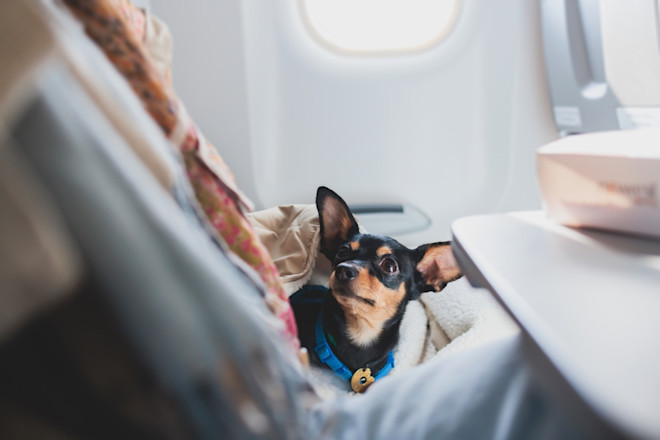

Traveling with your dog on a plane can feel overwhelming. You want to keep your furry friend safe and comfortable, but the rules and preparations might seem confusing.
What if your dog gets anxious? How do you pack everything you need? Don’t worry—you’re not alone, and you can make this experience smooth and stress-free. In this guide, you’ll find simple, clear steps to help you and your dog fly with confidence.
Keep reading to discover everything you need to know before your next trip.
Choosing The Right Airline
Choosing the right airline is a crucial step when planning to travel with your dog on a plane. Different airlines have varied rules, fees, and accommodations for pets. Picking the best airline can save you stress and keep your furry friend comfortable throughout the journey.
Pet Policies Comparison
Each airline sets its own pet policies. Some allow small dogs in the cabin, while others require pets to travel as checked baggage or cargo. It’s important to compare these policies before booking.
Look for details like carrier size limits, pet health requirements, and accepted breeds. For example, some airlines restrict brachycephalic breeds (like bulldogs) due to breathing concerns.
Checking these policies ahead helps avoid last-minute surprises. Have you ever faced a sudden pet policy change at the airport? Avoid that by doing your homework early.
Booking Pet-friendly Flights
Not all flights accept pets in the cabin, so booking a pet-friendly flight is essential. Choose flights during cooler parts of the day if your dog must travel in the cargo hold.
Direct flights reduce the stress of layovers and transfers, which can be tough on pets. Try to reserve your pet’s spot early; many airlines limit the number of animals per flight.
Think about your dog’s temperament and needs when picking flight times and routes. Would your dog handle a long flight better than multiple short ones?
Fees And Restrictions
Pet travel often comes with extra fees. These vary widely—from $75 to over $200 per trip. Knowing the exact cost ahead helps you budget properly.
Some airlines charge per pet carrier, while others have additional fees for larger animals. Restrictions might include limits on pet weight or carrier dimensions.
Also, ask about paperwork like health certificates or vaccination records. Missing documents can lead to denied boarding and unexpected expenses.

Credit: www.reddit.com
Preparing Your Dog For Travel
Preparing your dog for air travel is essential for a smooth trip. It reduces stress and keeps your pet safe. Planning ahead helps your dog adjust to the journey. Start the process weeks before your flight.
Focus on your dog’s health, daily routine, and comfort with the travel carrier. These steps build confidence and calmness in your pet. Your dog will feel ready and relaxed during the flight.
Health Check And Vaccinations
Visit the vet for a full health check before traveling. Make sure your dog is fit to fly and free from illness. Update all vaccinations according to airline and destination rules. Keep a copy of vaccination records and health certificates. These documents are often required at check-in.
Exercise And Feeding Schedule
Keep your dog’s exercise routine consistent before the trip. Regular walks help burn energy and reduce anxiety. Feed your dog a light meal a few hours before the flight. Avoid heavy food to prevent nausea or discomfort. Bring water and offer small sips during travel breaks. A calm dog eats and drinks well.
Acclimating To The Carrier
Introduce the travel carrier early to your dog. Place familiar blankets and toys inside the carrier. Let your dog explore it at home in a relaxed setting. Practice short stays inside the carrier daily. Gradually increase time spent in the carrier before the flight. This builds comfort and reduces fear during travel.
Selecting The Perfect Carrier
Choosing a carrier that fits your dog comfortably is key for plane travel. Check airline rules and pick a well-ventilated, secure carrier to keep your pet safe.
Selecting the right carrier is crucial for flying with your dog. A comfortable and secure carrier can make the journey smoother for both of you. It ensures your dog feels safe, while complying with airline policies. Let’s explore how to choose the perfect carrier for your furry companion.Carrier Size And Comfort
The carrier should have ample space for your dog to stand and turn around. Measure your dog’s height and length before purchasing. Soft-sided carriers offer flexibility and comfort. Ensure there are no sharp edges inside. Look for carriers with soft padding for extra comfort. Ventilation is important for airflow and comfort.Airline Approved Options
Check airline guidelines for carrier dimensions and weight limits. Many airlines have specific requirements for in-cabin travel. Opt for carriers labeled as airline-approved to avoid issues. Research your airline’s pet travel policy beforehand. Ensure the carrier has secure zippers and closures.Tips For Carrier Familiarity
Introduce the carrier to your dog weeks before travel. Place it in a familiar area at home. Encourage your dog to explore and relax inside it. Use treats and toys to create positive associations. Practice short trips in the carrier to build comfort. This helps reduce anxiety during the actual flight.
Credit: www.aol.com
Packing Essentials For Your Dog
Packing the right items for your dog ensures a smooth and comfortable flight. It helps keep your pet calm and safe during travel. Preparing these essentials ahead saves time and stress at the airport.
Food And Water Supplies
Bring enough food for the trip and some extra. Use small, sealed containers to keep food fresh. Carry a collapsible water bowl for easy drinking. Avoid feeding your dog right before the flight to prevent nausea.
Comfort Items And Toys
Familiar items reduce your dog’s anxiety during travel. Pack a favorite blanket or bed for comfort. Include a few small toys to keep your dog entertained. Soft toys or chew items help distract and calm your pet.
Important Documents
Keep all necessary papers handy for smooth airport checks. Include your dog’s health certificate and vaccination records. Have your pet’s ID tags and microchip information ready. Bring airline-approved travel carrier documentation if required.
Airport Procedures With Your Dog
Traveling with your dog requires special attention at the airport. Understanding airport procedures helps reduce stress for you and your pet. Airports have clear rules for pets to ensure safety and comfort. Preparing ahead makes the experience smoother and more enjoyable.
Check-in Process
Arrive early to allow extra time for check-in. Inform the airline you are traveling with a dog. Bring your dog’s health certificate and vaccination records. Use a sturdy, well-ventilated carrier that meets airline rules. Label the carrier with your contact information. Some airlines allow pets in the cabin, others in cargo. Confirm your dog’s spot before arriving at the airport. Follow staff instructions carefully during check-in.
Security Screening Tips
Remove your dog from the carrier before screening. Carry your dog through the metal detector if possible. The carrier will go through the X-ray machine alone. Keep your dog calm using a leash or harness. Use treats or gentle words to soothe your pet. Avoid sudden movements or loud noises. Be ready to cooperate with security officers. Never leave your dog unattended during screening.
Navigating Layovers
Plan layovers with pet relief areas in mind. Research airport pet relief zones ahead of time. Use these designated spots to let your dog stretch and relieve itself. Carry water and a small bowl for hydration. Keep your dog on a leash or in a carrier. Avoid crowded or noisy areas to reduce stress. Monitor your dog’s behavior and comfort during waits. Prepare for extra time during layovers with pets.

Credit: www.aol.com
Managing Stress During The Flight
Flying with your dog can be a stressful experience for both of you. Managing your pet’s stress during the flight is key to making the journey smoother and safer. By understanding calming techniques, proper in-flight care, and when sedatives might be necessary, you can help your dog stay relaxed and comfortable.
Calming Techniques
Start by familiarizing your dog with their travel crate well before the flight. Let them explore and rest in it at home so it feels like a safe space.
Try gentle massage or light petting to soothe your dog during the flight. Your calm energy can help lower their anxiety.
- Use a favorite blanket or toy inside the crate to provide comfort.
- Play soft music or white noise to mask unfamiliar airport and cabin sounds.
- Practice deep breathing yourself; dogs can pick up on your tension.
In-flight Care
Plan for your dog’s basic needs during the flight. Offer water periodically to keep them hydrated, but avoid overfeeding beforehand to prevent nausea.
Keep an eye on their behavior for signs of distress like excessive panting or whining. Respond by speaking softly or gently reassuring them.
If possible, walk your dog before boarding to burn off nervous energy. A tired dog is often calmer during the flight.
When To Use Sedatives
Sedatives are not always necessary and should be used cautiously. Consult your veterinarian well before travel to discuss if medication is appropriate for your dog’s health and temperament.
Never give sedatives without professional advice, as they can affect your dog’s ability to regulate temperature and respond to stress.
If your vet approves, use the lowest effective dose and observe your dog closely during the flight. Ask yourself: is sedation truly helping your dog, or could calming techniques be enough?
Post-flight Care And Settling In
After your plane touches down, your dog’s journey is far from over. The way you handle post-flight care can make a huge difference in how quickly your furry friend feels comfortable and relaxed. Settling in involves attention, patience, and a clear plan to help your dog adjust smoothly to the new environment.
First Steps After Landing
As soon as you disembark, find a quiet spot away from the crowd. This gives your dog a chance to decompress from the noise and excitement. Carry familiar items like their favorite blanket or toy to create a sense of security.
Uncrate your dog gently and let them stretch their legs. Some dogs may feel disoriented or anxious, so keep your voice calm and reassuring. Remember, your calm energy helps your dog feel safe.
Rehydration And Bathroom Breaks
Flying can dehydrate your dog, so offer fresh water as soon as possible. Avoid overwhelming them with too much at once; small, frequent sips work best. If your dog refuses water initially, try wetting their lips or offering ice cubes to lick.
Locate a designated pet relief area quickly to give your dog a bathroom break. Holding it too long can add to their stress and discomfort. Use a leash and watch for signs your dog needs to go, like sniffing or circling.
Monitoring Health And Behavior
Watch closely for any signs of distress or illness such as excessive panting, vomiting, or lethargy. These symptoms could indicate motion sickness, dehydration, or anxiety. If you notice anything unusual, contact a vet immediately.
Your dog might behave differently after the flight—more clingy, tired, or even irritable. This is normal. Ask yourself: Is this behavior temporary or something that needs professional attention?
Frequently Asked Questions
How Do I Prepare My Dog For Air Travel?
Prepare your dog by visiting the vet for a health check. Use a comfortable carrier and familiarize your dog with it. Pack essentials like water, food, and a leash. Follow airline pet policies and book in advance to ensure a smooth journey.
What Are Airline Rules For Flying With Dogs?
Airlines usually require a health certificate and specific carrier dimensions. Dogs can fly in-cabin or as cargo, depending on size and airline rules. Check each airline’s pet policy carefully before booking. Fees and documentation vary, so plan accordingly.
Can Small Dogs Travel In The Cabin With Me?
Yes, most airlines allow small dogs in the cabin. Your dog must fit comfortably in a carrier under the seat. The carrier size and weight limits vary by airline. Booking early is essential as cabin pet spots are limited.
What Documents Do I Need To Fly With My Dog?
You need a recent health certificate and proof of vaccinations. Some destinations require additional permits or quarantine forms. Check both airline and destination country requirements before traveling. Always carry your dog’s ID tags and microchip information.
Conclusion
Traveling with your dog on a plane can be smooth and safe. Prepare all needed documents and check airline rules early. Use a comfortable carrier that fits airline size limits. Keep your dog calm with familiar toys or treats. Arrive at the airport early to avoid stress.
Stay patient and keep your dog close during the trip. Enjoy the journey together and make great memories. Safe travels with your furry friend!