
Have you ever wondered what it takes to train dogs for the military? Becoming a military dog trainer is a unique and rewarding career where you work closely with highly skilled dogs to protect lives and support missions.
If you’re passionate about dogs and want to make a real difference, this guide will show you the exact steps you need to take. Keep reading, and you’ll discover how to turn your love for dogs into a powerful skill that serves your country and challenges you every day.
Career Path For Military Dog Trainers
The career path for military dog trainers is both challenging and rewarding. It requires dedication to training highly skilled dogs that assist in crucial military operations. Understanding the roles, skills, and environment can help you decide if this path fits your goals and personality.
Roles And Responsibilities
As a military dog trainer, your main role is to prepare dogs for various tasks like detection, patrol, and search and rescue. You will teach dogs obedience, agility, and specialized skills tailored to military missions. Your work also involves maintaining the health and well-being of the dogs, ensuring they are fit for duty.
You might conduct training sessions in different settings, from training facilities to active deployment zones. Keeping detailed records of each dog’s progress and behavior is essential. Your role often requires teamwork with handlers, veterinarians, and military personnel to ensure mission success.
Skills Required
Strong communication skills are vital since you will work closely with both dogs and humans. Patience and consistency in training methods can make a significant difference in a dog’s performance. Physical fitness is also important because training sessions can be physically demanding.
Attention to detail helps you spot subtle changes in a dog’s behavior that may indicate health issues or stress. Problem-solving skills come into play when adjusting training techniques to fit individual dogs. Can you see yourself adapting quickly to these challenges?
Typical Work Environment
Military dog trainers often work in outdoor environments that vary widely—from controlled training grounds to active military zones. The job can expose you to harsh weather conditions and physically demanding situations. However, the dynamic nature of the work keeps it far from routine.
You might spend long hours on your feet and sometimes need to travel with the dogs to different locations. Despite the challenges, the bond you build with your dogs creates a unique and fulfilling work atmosphere. How comfortable are you with an unpredictable work setting?
Educational Requirements
Becoming a military dog trainer requires a strong educational foundation. This foundation helps you understand canine behavior and military needs. Education provides the skills to train dogs effectively. It also prepares you for the physical and mental challenges of the job.
Relevant Degrees And Certifications
Degrees in animal science, biology, or psychology are helpful. These fields teach about animal behavior and health. Certifications in dog training add practical skills. Examples include Certified Professional Dog Trainer (CPDT) and Canine Good Citizen (CGC).
Such credentials show employers your knowledge and dedication. They improve your chances of joining military training programs.
Specialized Training Programs
Many schools offer programs focused on dog training. These programs teach obedience, scent detection, and protection skills. Courses often include hands-on training with dogs. They cover safety and communication techniques, too.
Graduating from a specialized program boosts your expertise. It also builds confidence in handling military working dogs.
Military Training Opportunities
The military provides its own training for dog handlers. Candidates learn specific skills for military missions. Training includes obedience, tracking, and detection of explosives or drugs.
Joining the military as a dog handler offers structured education. It combines classroom learning with real-world experience. This path is ideal for those seeking a career in military dog training.
Military Enlistment Process
Joining the military begins with meeting basic requirements and completing enlistment paperwork. Training follows, where skills for becoming a military dog trainer develop through specialized courses and hands-on experience.
The journey to becoming a military dog trainer is as rewarding as it is challenging. It starts with the military enlistment process, a path that requires dedication, resilience, and a clear understanding of the steps involved. This process is your gateway to a fulfilling career working alongside some of the most skilled canines and military personnel.Eligibility Criteria
Before diving in, ensure you meet the basic eligibility criteria. Typically, this includes being a certain age, usually between 17 and 34 years old, and having a high school diploma or equivalent. It’s essential to be a U.S. citizen or permanent resident, as this is a fundamental requirement for military service. Moreover, a clean legal record and a certain level of physical fitness are crucial. The military values integrity and discipline, so a history free of major legal issues is vital.Application Steps
Once you’ve confirmed your eligibility, it’s time to navigate the application steps. Start by visiting a local recruiter who can provide detailed information and guidance tailored to your situation. They will assist you in filling out the necessary paperwork and outline the specific requirements for military dog training roles. Next, prepare for the Armed Services Vocational Aptitude Battery (ASVAB) test. This test assesses your skills and helps determine your suitability for various military occupations, including dog training.Physical And Mental Fitness Tests
Physical and mental fitness are paramount in the military enlistment process. You will undergo a series of physical tests designed to evaluate your strength, endurance, and overall fitness level. Think of it as a way to ensure you’re ready for the demands of military life. Equally important are the mental fitness tests. These assessments gauge your psychological well-being and ability to handle stress, a critical skill when working with military dogs in high-pressure environments. Have you ever considered how your current lifestyle might align with these requirements? Reflect on your fitness level and mental resilience. Preparing in advance can give you a significant advantage in the enlistment process. Embrace this opportunity with open arms, and remember, each step brings you closer to a career filled with purpose and adventure.Training To Become A Dog Handler
Training to become a dog handler in the military is a demanding and rewarding path. It requires discipline, patience, and a strong bond with dogs. This training helps handlers work effectively with their canine partners in various military missions. The process combines military skills with specialized canine education.
Basic Military Training
Every dog handler starts with basic military training. This training builds physical fitness and mental toughness. Trainees learn military rules, discipline, and teamwork. These skills prepare handlers for the challenges of military service. Basic training also teaches how to follow orders and stay alert in tough situations.
Canine Training Courses
After basic training, candidates take specialized canine courses. These courses cover dog behavior, care, and handling techniques. Trainees learn to train dogs for tasks like detection, tracking, and patrol. The courses focus on communication skills between the handler and dog. Understanding canine psychology is key to effective training.
Hands-on Experience With Dogs
Practical experience is vital for every dog handler. Trainees spend time working directly with military dogs. This hands-on time helps build trust and teamwork. Handlers learn to read their dog’s signals and respond quickly. Real-world training scenarios prepare handlers for missions. Experience improves confidence and skill with canine partners.
Advanced Training And Specialization
Advanced training and specialization are crucial steps if you want to excel as a military dog trainer. At this stage, you go beyond basic obedience and begin mastering highly specific skills tailored to military needs. This phase demands dedication, precision, and a deep understanding of both canine behavior and mission objectives.
Specialized Dog Training Techniques
You will learn training methods designed for diverse military tasks such as detection, tracking, and protection. Techniques like scent discrimination help dogs identify explosives or narcotics with incredible accuracy. Handlers often use positive reinforcement combined with scenario-based drills to build reliability under stress.
Consider how certain breeds excel in different roles—German Shepherds often lead in patrol work, while Belgian Malinois shine in agility and scent detection. Tailoring your approach to each dog’s strengths can dramatically improve outcomes.
Certifications For Advanced Roles
Gaining certifications proves your expertise and opens doors to specialized assignments. Common certifications include Military Working Dog (MWD) Handler qualification and advanced scent detection credentials. These require rigorous testing and continuous education to maintain.
Do you have a plan for renewing your skills regularly? The military environment changes fast, and staying updated with the latest protocols ensures your team remains mission-ready.
Leadership And Team Management
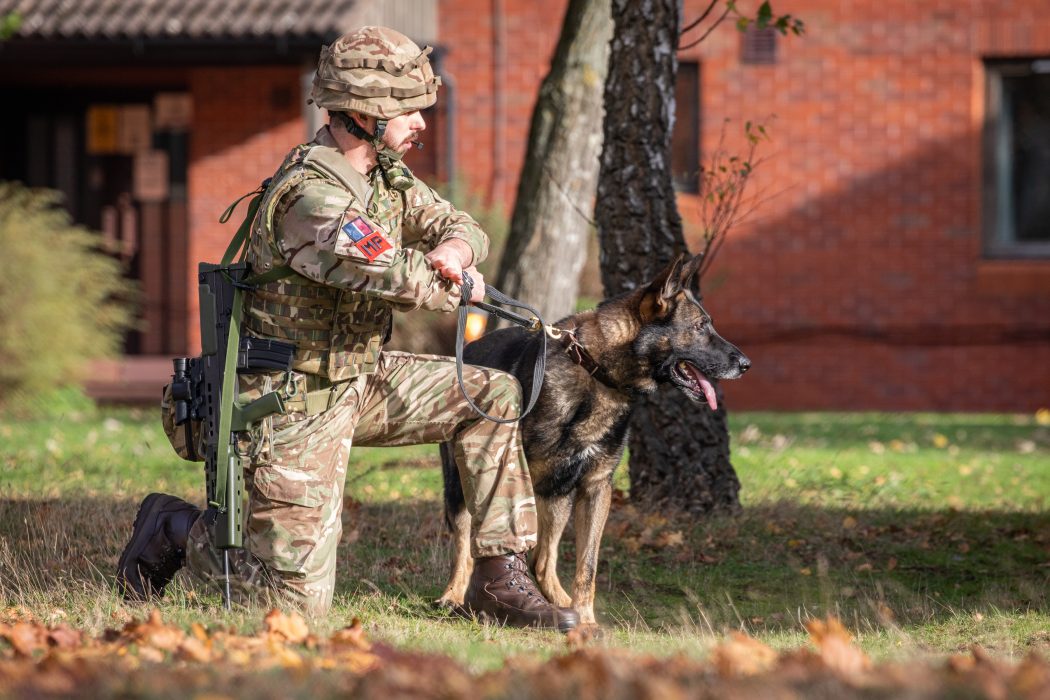
As you advance, you’ll often take on leadership roles guiding other handlers and coordinating training programs. Effective communication and conflict resolution skills become as important as your technical knowledge. Your ability to motivate both dogs and handlers impacts overall unit success.
Managing a team also means balancing training schedules, equipment maintenance, and mission demands. How prepared are you to juggle these responsibilities while keeping your team focused and effective?
Credit: rafa.org.uk
Career Growth And Opportunities
Becoming a military dog trainer opens doors to a career filled with growth and diverse opportunities. As you gain experience, you’ll find several paths to advance your skills and responsibilities. Understanding these options helps you plan your career and make the most of your time in service.
Promotion Paths
In the military, your dedication and performance can lead to promotions that increase your leadership duties and pay. You might start as a junior trainer and move up to a senior trainer or handler. Higher ranks often come with the chance to manage entire training programs or lead specialized K9 units.
Have you considered how mastering both training techniques and leadership skills can speed up your promotion? Taking on challenging assignments and seeking feedback regularly can make a big difference.
Transitioning To Civilian Roles
Your military dog training experience is highly valued in many civilian fields. You could work with police departments, private security firms, or animal behavior organizations. Some trainers even start their own dog training businesses or become consultants for canine-related projects.
Think about what kind of civilian role matches your passion. Do you want to work with law enforcement, or are you drawn to therapy and service dogs? Planning early can help you build the right skills and connections before you leave the military.
Continuing Education
Learning doesn’t stop once you’re an experienced trainer. Many military dog trainers pursue certifications in advanced canine behavior, veterinary care, or specialized training methods. These credentials boost your credibility and open up new career paths.
Consider taking courses or attending workshops to stay updated with the latest techniques. Have you checked if your military education benefits can support further study? Investing in your education can set you apart from others in the field.
Challenges And Rewards
Becoming a military dog trainer brings unique challenges and great rewards. The job demands patience, skill, and physical strength. Trainers must face tough situations with focus and care. The work is intense but deeply fulfilling.
Every day involves learning and adapting. Trainers build strong bonds with dogs and help protect lives. The role impacts both the military and the communities they serve.
Common Obstacles
- Long, irregular hours and physical demands
- Training dogs with different temperaments and abilities
- Handling stressful or dangerous situations
- Maintaining discipline while ensuring the dog’s welfare
- Keeping up with new training methods and military protocols
Job Satisfaction
Seeing a dog succeed in training offers great pride. Trainers experience strong connections with their canine partners. The work feels meaningful because it supports safety and security. Many find joy in the dog’s progress and loyalty. The role also builds personal growth and confidence.
Impact On Military Operations
Military dog trainers play a key role in operations. They prepare dogs for tasks like detection, tracking, and protection. Their work helps soldiers complete missions safely. Trained dogs improve security and save lives. The team effort between handler and dog is vital for success.

Credit: www.animalbehaviorcollege.com
Resources And Support Networks
Resources and support networks play a vital role in becoming a military dog trainer. They provide knowledge, guidance, and connections needed to succeed. Access to the right groups and programs helps you learn faster and stay updated on training techniques and military requirements.
Building relationships with experienced trainers and joining professional circles opens doors to job opportunities. These networks create a community where you can share advice and solve problems together.
Professional Associations
Joining professional associations offers access to training materials and industry news. These groups often host workshops, seminars, and certification courses. Members gain credibility and recognition in the field.
- Offers networking with experienced trainers
- Provides updates on training methods
- Helps with career advancement
Mentorship Programs
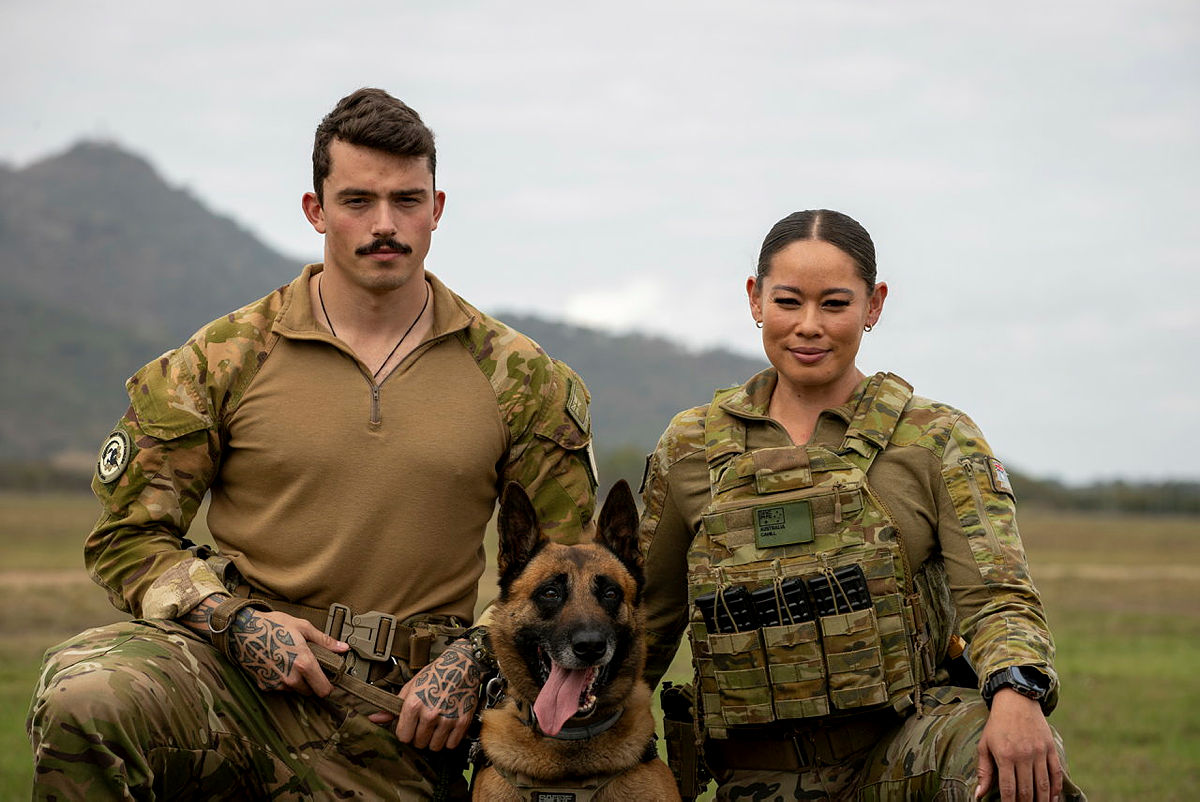
Mentorship programs connect beginners with seasoned military dog trainers. Mentors guide you through challenges and provide practical advice. This hands-on support accelerates learning and builds confidence.
- Personalized coaching and feedback
- Insight into military training standards
- Opportunities to observe real training sessions
Online Communities And Forums
Online communities offer a platform to ask questions and share experiences anytime. Forums include discussions on training tips, equipment, and career paths. They also provide support from trainers worldwide.
- Access to diverse knowledge and experiences
- Quick answers to common questions
- Chance to connect with peers and experts
Credit: www.contactairlandandsea.com
Frequently Asked Questions
What Qualifications Are Needed To Become A Military Dog Trainer?
Military dog trainers typically need a high school diploma, military enlistment, and specialized training. Experience with dogs and a passion for animal care are essential. Additional certifications in canine handling improve job prospects.
How Long Does Training To Become A Military Dog Trainer Take?
Training duration varies but usually lasts about 6 to 12 months. It includes basic military training followed by advanced canine handling courses. Continuous on-the-job training is common for skill improvement.
What Skills Are Essential For Military Dog Trainers?
Key skills include patience, communication, discipline, and physical fitness. Trainers must understand canine behavior and training techniques. Problem-solving and teamwork abilities are also crucial for success.
Can Civilians Become Military Dog Trainers?
Generally, military dog trainers are enlisted service members. Civilians can work as dog handlers or trainers in support roles but need military affiliation for official positions. Joining the military is often the first step.
Conclusion
Becoming a military dog trainer takes hard work and dedication. You need patience and love for dogs. Training helps protect soldiers and save lives. Each step you take brings you closer to your goal. Stay focused and keep learning every day.
Your work will make a real difference. This career offers pride and purpose. Start your journey with clear goals and strong will. The path is tough but worth it. Keep pushing forward, and success will follow.


