

Are you wondering when to start raw food for your dog? Making the switch to a raw diet can feel overwhelming, but it might be one of the best decisions for your furry friend’s health.
Knowing the right time to begin can help you avoid common mistakes and keep your dog happy and energetic. You’ll discover the key signs and important tips to start raw feeding safely and confidently. Keep reading to give your dog the nutrition they deserve.

Credit: wefeedraw.com
Signs Your Dog Is Ready
Knowing when your dog is ready for raw food is key for a smooth change. Watch for signs that show your dog’s body and mind can handle this diet. This helps keep your dog healthy and happy during the switch.
Age And Health Factors
Puppies usually start raw food after 8 weeks old. Their digestion must be strong enough to handle raw meat. Older dogs can also try raw food if they have no health issues. Dogs with sensitive stomachs or certain illnesses need a vet check first.
Healthy teeth and gums help dogs chew raw food well. Dogs with dental problems may struggle to eat raw bones. Check with your vet before starting raw food for dogs with health concerns.
Behavioral Indicators
Dogs ready for raw food often show interest in meat. They may watch you closely while you prepare meals. A keen appetite and eagerness to eat are good signs.
Some dogs avoid dry kibble and prefer fresh, natural food. They may also show more energy and better digestion after eating raw meals. Watch your dog’s reactions to small raw food samples to see how they respond.
Choosing The Right Raw Diet
Choosing the right raw diet for your dog is a crucial step towards improving their health and happiness. It’s not just about feeding raw meat; the diet must be carefully planned to meet your dog’s unique needs. Understanding the different types of raw food and how to balance nutrients will help you make informed decisions that benefit your furry friend.
Types Of Raw Food
There are several types of raw food diets you can consider for your dog. Each has its own benefits and challenges, so knowing the differences is key.
- Prey Model Diet:Mimics what wild canines eat, including muscle meat, organs, and bones in ratios similar to whole prey.
- Whole Prey Diet:Feeding whole animals like rabbits or chickens, offering natural balance of nutrients.
- BARF Diet (Biologically Appropriate Raw Food):Combines raw meat, bones, vegetables, and fruits to create a balanced meal.
- Commercial Raw Food:Ready-made raw meals available in stores, often balanced but check ingredient quality.
Choosing the right type depends on your dog’s health, your budget, and how much time you can dedicate to meal prep. Have you tried any of these diets before? What worked or didn’t work for your dog?
Balancing Nutrients
A raw diet isn’t just about feeding meat; it’s about balancing nutrients to avoid deficiencies or excesses. Dogs need a variety of proteins, fats, vitamins, and minerals to thrive.
Start by including a mix of muscle meat, organ meat, and bones. Organ meat like liver provides essential vitamins, while bones offer calcium and phosphorus.
| Component | Role | Examples |
|---|---|---|
| Muscle Meat | Main protein source | Chicken breast, beef, turkey |
| Organ Meat | Vitamins and minerals | Liver, kidney, heart |
| Raw Edible Bones | Calcium and dental health | Chicken wings, necks, lamb ribs |
Vegetables and fruits can be added in small amounts for fiber and antioxidants, but they should never replace key protein and fat sources. Don’t forget, every dog is different; regular vet checkups will help you adjust the diet as needed.
Preparing For The Switch
Preparing your dog for a raw food diet takes careful planning. A smooth transition helps your dog adjust comfortably. This phase ensures your dog stays healthy and happy. Planning reduces stress for both you and your pet.
Consulting Your Veterinarian
Talk to your veterinarian before changing your dog’s diet. Your vet knows your dog’s health history and needs. They can advise if raw food suits your dog. Discuss any allergies, illnesses, or special conditions. Your vet may suggest tests to check your dog’s health. Getting professional advice lowers risks during the switch.
Gathering Supplies
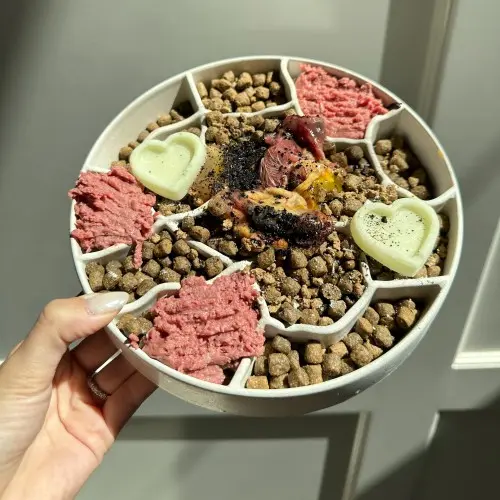
Collect all items needed for raw feeding. Fresh, high-quality meat is essential for a balanced diet. Include organ meats, bones, and fresh vegetables. Use separate containers for storage and preparation. Invest in a reliable meat grinder for homemade mixes. Keep cleaning supplies handy to maintain hygiene. Organize supplies to make feeding easy and safe.
Credit: wefeedraw.com
Step-by-step Transition Process
Switching your dog to a raw food diet requires patience and attention. A smooth transition helps avoid digestive upset and lets your dog adjust comfortably to new flavors and textures. Here’s how you can guide your dog through the process step by step.
Gradual Introduction
Start by mixing a small amount of raw food into your dog’s regular diet. Begin with about 10% raw food and 90% of their usual meals. This gentle change helps your dog’s digestive system get used to the new diet without shock.
Each few days, increase the raw portion by 10-20%, while decreasing the old food. Watch how your dog responds to the taste and texture. Some dogs may take to raw food quickly, while others need more time to adjust.
Think about your dog’s personality—are they picky or adventurous eaters? This will guide how fast or slow you should go. Patience here pays off in the long run, reducing risks of stomach upset or refusal to eat.
Monitoring Reactions
As you introduce raw food, watch for any changes in behavior or health. Look for signs like loose stools, vomiting, or a drop in energy. These can signal that the transition is too fast or the new food isn’t agreeing with your dog.
Keep a simple journal to track your dog’s reactions day by day. Note appetite, stool consistency, and activity level. This record helps you spot patterns and decide if you need to slow down or try different raw ingredients.
Ask yourself: Is your dog eager for each meal? Are they maintaining good energy? These are key indicators that the transition is working well. If you see persistent issues, consult your vet to adjust your approach.
Common Challenges And Solutions
Switching your dog to a raw food diet can bring many benefits, but it’s not always smooth sailing. You might face a few bumps along the way. Understanding common challenges and knowing how to handle them will help you keep your dog happy and healthy during the transition.
Digestive Upset
Digestive upset is a common issue when starting raw food. Your dog’s system needs time to adjust to the new diet. You might notice loose stools, gas, or mild diarrhea at first.
To ease this, start slowly by mixing small amounts of raw food with their current diet. Gradually increase the raw portion over 7-10 days. Adding probiotics or plain pumpkin can also help soothe digestion.
Have you considered how your dog’s previous diet affects their gut? Dogs used to processed kibble often need more time to adapt. Patience is key here—rushing can make symptoms worse.
Picky Eaters
Some dogs resist raw food simply because it’s new or different. They might sniff and walk away or eat only parts of the meal. This can be frustrating, but there are ways to encourage them.
Try warming the food slightly to enhance the smell. You can also mix in small amounts of cooked chicken or broth to make it more appealing. Offering a variety of proteins, like beef, chicken, or fish, keeps meals interesting.
Think about your dog’s natural preferences and habits. Have you noticed if they prefer certain textures or flavors? Experimenting can reveal what excites their appetite. Remember, consistency often wins—don’t give up after one or two refusals.
Maintaining Long-term Health
Starting raw food for dogs gradually supports their digestion and overall health. Early introduction helps build strong immunity and long-term wellness. Monitor your dog closely during the transition to ensure they adjust well and stay healthy.
Maintaining a raw food diet for your dog can boost their health. It supports better digestion, shinier coats, and increased energy. But it’s important to focus on long-term health. Regular monitoring and diet adjustments are key.Regular Health Checks
Schedule regular vet visits to monitor your dog’s health. These visits help catch issues early. Blood tests and physical exams reveal any nutritional gaps. Discuss any changes in behavior or energy levels. Your vet can offer tailored advice.Adjusting Diet Over Time
Dogs’ needs change as they age. Puppies need different nutrients than seniors. Adjust their diet accordingly. Introduce new proteins and vegetables gradually. Monitor your dog’s response to changes. This ensures a balanced, suitable diet for life.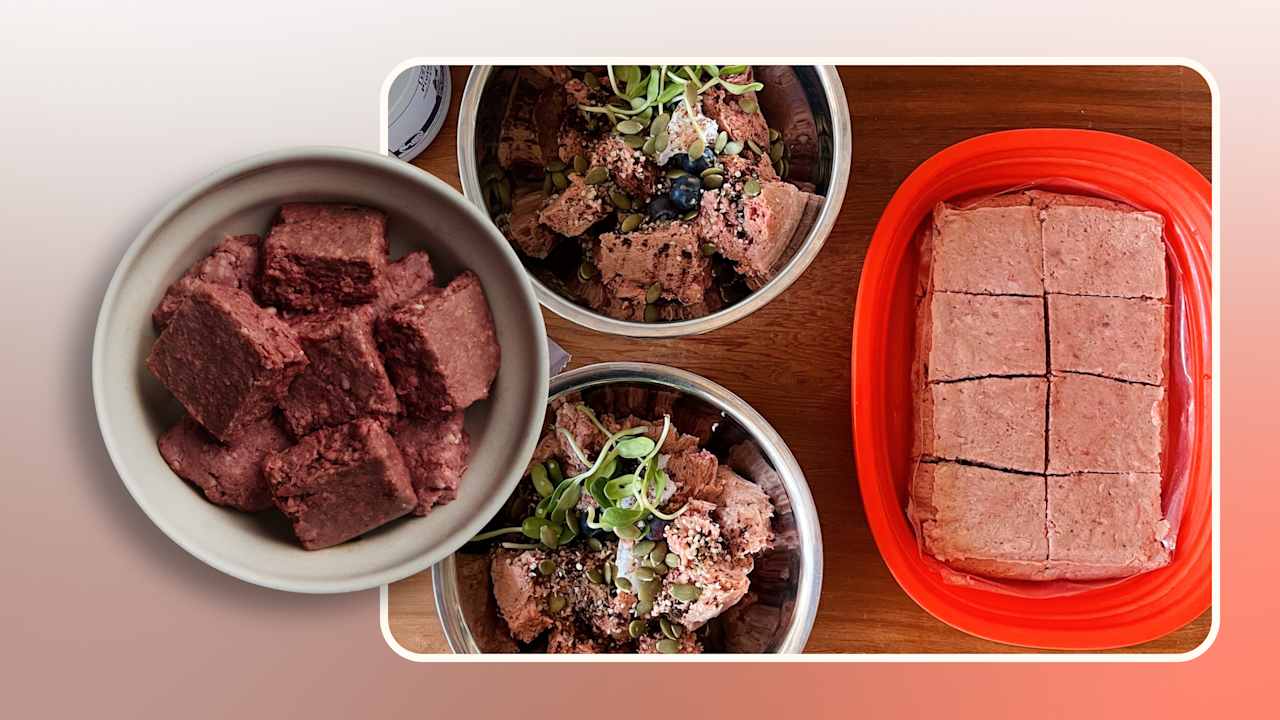
Credit: wefeedraw.com
Frequently Asked Questions
When Is The Best Time To Start Raw Food For My Dog?
Start raw feeding when your dog is healthy and over 8 weeks old. Consult your vet to ensure proper nutrition and transition.
How Do I Transition My Dog To A Raw Food Diet?
Gradually mix raw food with current food over 7-10 days. Increase raw portions to avoid digestive upset and monitor your dog’s response.
What Are The Benefits Of Raw Food For Dogs?
Raw food can improve coat health, digestion, and energy levels. It often reduces allergies and promotes healthier teeth and gums.
Can Puppies Eat Raw Food Safely?
Yes, puppies can eat raw food if balanced properly. Ensure their diet meets growth needs and consult a vet for guidance.
Conclusion
Starting raw food for your dog takes careful thought and timing. Begin when your dog is healthy and ready to try new foods. Introduce raw meals slowly to help their stomach adjust. Watch for any signs of discomfort or allergies.
Always keep your dog’s age, size, and needs in mind. Consult your vet before making big changes to their diet. This approach helps your dog enjoy a safe, balanced raw food diet. Patience and care make the transition smooth and healthy.
Your dog deserves the best nutrition at the right time.

