

Are you wondering if a raw food diet could be the key to boosting your older dog’s health? As your furry friend ages, their needs change, and what you feed them matters more than ever.
You want the best for your loyal companion, but with so much conflicting advice, it’s hard to know what’s right. You’ll discover the real benefits and risks of raw food diets for senior dogs. By the end, you’ll feel confident making the best choice for your dog’s golden years.
Keep reading to learn how to give your older dog the nutrition they truly deserve.
Benefits Of Raw Food For Senior Dogs
Raw food diets offer many benefits for senior dogs. Aging pets often face digestive issues, dull coats, and low energy. Feeding raw food can help improve their overall health and quality of life. Fresh, natural ingredients provide essential nutrients that older dogs need.
Improved Digestion And Nutrient Absorption
Raw food is easier for senior dogs to digest. It contains natural enzymes that support the digestive system. This helps break down food more efficiently. Better digestion means dogs absorb more vitamins and minerals. It reduces common stomach problems like constipation and bloating.
Enhanced Coat And Skin Health
Raw diets are rich in fatty acids like omega-3 and omega-6. These fats nourish the skin and promote a shiny coat. Older dogs often suffer from dry, flaky skin. Raw food helps keep their skin hydrated and healthy. It also reduces itching and inflammation.
Increased Energy And Vitality
Natural proteins and fats in raw food provide lasting energy. Senior dogs may feel more active and playful. Raw diets support muscle maintenance and joint health. This can improve mobility and reduce stiffness. Overall, raw food helps older dogs enjoy life more.
Potential Risks Of Raw Diets
Feeding older dogs a raw diet may seem natural but carries some risks. These risks can affect your dog’s health and wellbeing. Understanding these dangers helps you make safer choices for your pet’s diet.
Bacterial Contamination Concerns
Raw meat can contain harmful bacteria like Salmonella and E. coli. These bacteria can cause severe illness in dogs, especially older ones with weaker immune systems. Handling raw food also risks spreading bacteria to humans and surfaces at home.
Nutritional Imbalances
Raw diets may lack essential nutrients older dogs need. Missing vitamins, minerals, or calcium can lead to health issues. Balancing a raw diet requires careful planning to avoid deficiencies or excesses that harm your pet.
Risks For Dogs With Health Conditions
Older dogs with health problems face higher risks on a raw diet. Dogs with kidney, liver, or digestive issues may struggle to process raw food. Raw diets can worsen existing conditions, causing serious complications.
Key Nutrients For Aging Dogs
Older dogs need nutrients like protein, vitamins, and minerals to stay healthy. A raw food diet can offer these but must be balanced and safe. Careful planning helps support digestion and joint health in aging pets.
As our furry companions age, their nutritional needs evolve. Ensuring they get the right balance of nutrients is crucial to maintaining their health and vitality. A raw food diet, when properly balanced, can provide these essential nutrients. But what are the key nutrients that aging dogs need to thrive?Protein Requirements
Older dogs require high-quality protein to maintain muscle mass and support their immune system. Raw diets can be rich in protein sources like chicken, beef, and fish. It’s essential to ensure that these proteins are easily digestible, helping your senior dog absorb nutrients effectively.Essential Vitamins And Minerals
Vitamins and minerals play a vital role in your dog’s overall health. Calcium and phosphorus support bone health, while vitamins like B12 and D contribute to energy and immune function. Including a variety of fresh vegetables in a raw diet can help provide these essential nutrients. You might even notice a shinier coat and brighter eyes as a result.Omega Fatty Acids Role
Omega-3 and Omega-6 fatty acids are crucial for older dogs, aiding in joint health and reducing inflammation. Fish like salmon can be an excellent source, promoting not just joint health but also cognitive function. Have you noticed your dog moving slower or seeming a bit less sharp? Omega fatty acids might be the boost they need. Choosing the right ingredients can make a significant difference in your aging dog’s quality of life. Are you ready to tailor a diet that supports their golden years?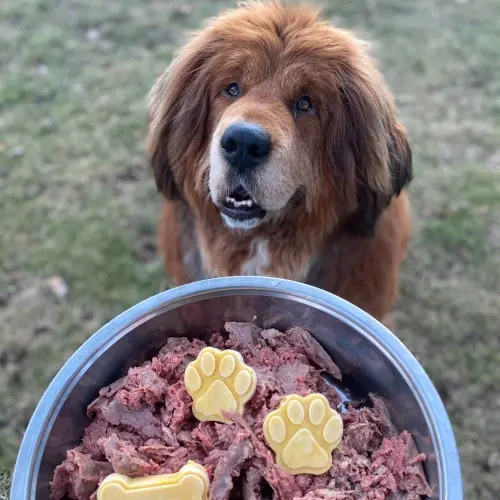
Credit: wefeedraw.com
Expert Recommendations
Experts emphasize that switching your older dog to a raw food diet requires careful planning and guidance. It’s not just about what you feed but how you introduce and handle the food that impacts your dog’s health. Listening to professional advice helps avoid common pitfalls and ensures your pet thrives on this new diet.
Consulting Your Veterinarian
Before making any diet changes, talk to your vet about your dog’s specific health needs. Older dogs often have unique conditions like kidney issues or dental problems that affect what they can safely eat.
Your vet can recommend the right balance of nutrients and may suggest blood tests to monitor your dog’s health during the transition. Have you thought about how a tailored plan could prevent nutrient deficiencies or digestive problems?
Safe Food Handling Practices
Raw food can carry bacteria, so handling it safely is crucial to protect both your dog and your family. Always wash your hands thoroughly before and after preparing meals.
- Use separate cutting boards for raw meat and other foods.
- Store raw food in sealed containers and keep it cold.
- Clean all surfaces and utensils promptly after use.
Following these simple steps reduces the risk of contamination and keeps your home safe.
Gradual Diet Transition Tips
Don’t switch your dog’s diet overnight. Sudden changes can upset their stomach and lead to diarrhea or vomiting.
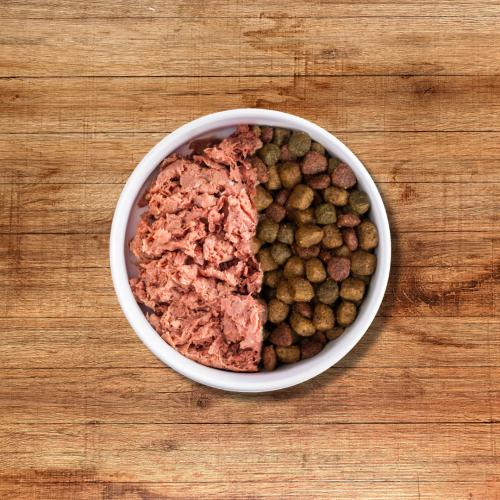
Start by mixing a small amount of raw food with their current diet. Increase the raw portion slowly over 1-2 weeks while watching for any signs of discomfort.
Have you noticed how your dog reacts to new foods? Pay close attention and adjust the pace to suit their tolerance. This gradual approach helps their digestive system adapt smoothly.
Alternatives To Raw Food Diets
Choosing the right diet for older dogs is crucial for their health and happiness. Some pet owners consider raw food diets, but alternatives exist that provide balanced nutrition safely and conveniently. These options support aging dogs with tailored nutrients and ease of feeding.
Commercial Senior Dog Foods
Commercial senior dog foods are formulated for older dogs’ needs. They contain the right mix of proteins, fats, and vitamins. These foods support joint health, digestion, and energy levels. Most brands offer dry and wet options. They undergo strict quality control to ensure safety and nutrition.
Home-cooked Balanced Meals
Home-cooked meals let owners control ingredients and freshness. Meals should include lean proteins, vegetables, and grains. Nutrient balance is essential to avoid deficiencies. Consulting a vet or pet nutritionist helps create safe recipes. This option suits dogs with allergies or special dietary needs.
Supplement Options
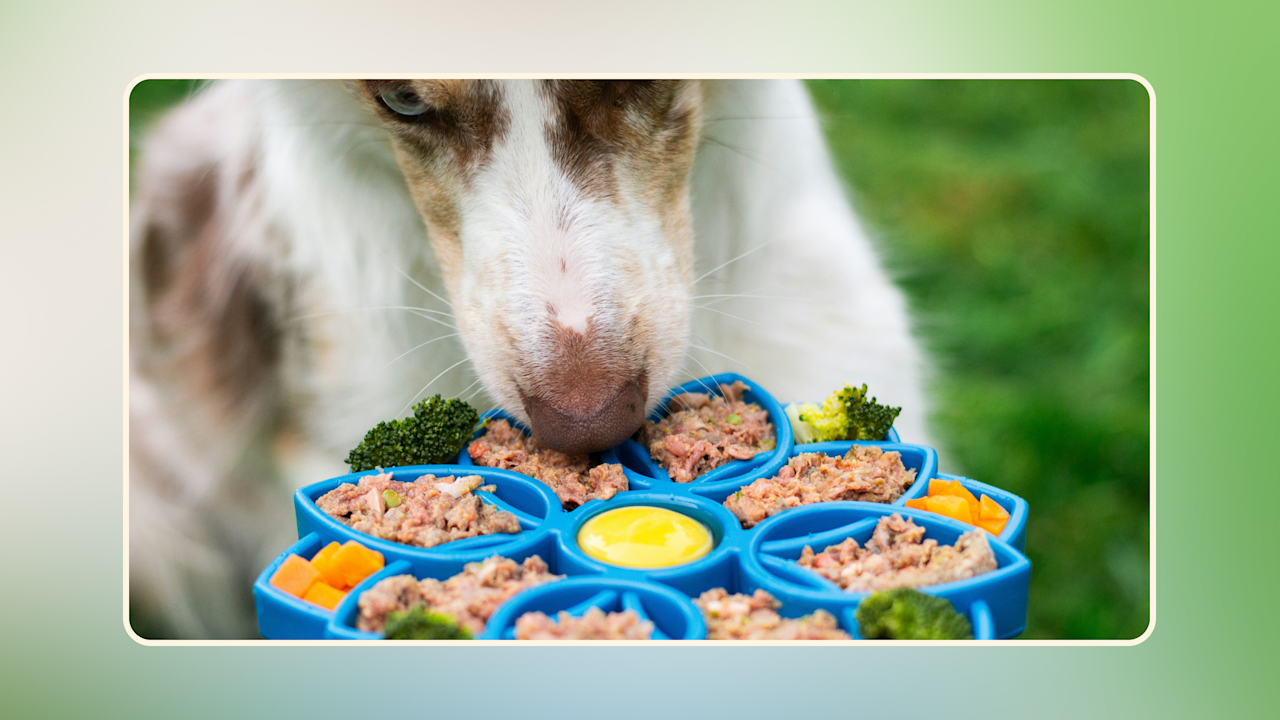
Supplements enhance any diet for older dogs. Common supplements include omega-3 fatty acids for coat and joint health. Glucosamine supports cartilage and mobility. Probiotics aid digestion and immune function. Always check with a vet before adding supplements to avoid overdosing or interactions.
Credit: wefeedraw.com
Monitoring Your Dog’s Health On Raw Diet
Switching an older dog to a raw food diet requires close attention to their health. Monitoring helps catch problems early. It also ensures your dog benefits from the diet safely. Keep an eye on your dog’s energy, coat, and digestion. Changes in these areas can signal how well the diet suits them.
Signs Of Nutritional Deficiency
Watch for signs like dull coat, weak muscles, or weight loss. Your dog may have low energy or show unusual behavior. Poor appetite or digestive problems also indicate issues. Nutritional gaps can cause these symptoms. Early detection helps prevent serious health problems.
Regular Vet Checkups
Schedule frequent visits to the vet during diet changes. Blood tests reveal nutrient levels and overall health. The vet can spot hidden problems your eyes might miss. They offer advice tailored to your dog’s needs. Keep records of all visits and test results for comparison.
Adjusting Diet Based On Response
Observe how your dog reacts to the raw diet daily. Adjust portions or ingredients if problems appear. Add supplements if the vet recommends them. Not all raw diets fit every dog perfectly. Flexibility in feeding ensures your dog stays healthy and happy.
Credit: wefeedraw.com
Frequently Asked Questions
Is Raw Food Diet Safe For Older Dogs?
A raw food diet can be safe for older dogs if balanced properly. It supports digestion and joint health. Consult a vet to tailor the diet to your dog’s specific needs and avoid potential health risks.
What Are The Benefits Of Raw Food For Senior Dogs?
Raw food diets may improve coat shine, energy levels, and dental health in senior dogs. They provide natural nutrients and enzymes that support aging bodies. However, careful preparation and vet guidance are essential.
Can Raw Food Improve My Older Dog’s Digestion?
Yes, raw food often contains natural enzymes that aid digestion. Older dogs may experience better nutrient absorption and less gastrointestinal upset. Always introduce raw food gradually and monitor your dog’s response closely.
How To Transition Older Dogs To A Raw Food Diet?
Switch slowly by mixing raw food with current meals over 7-10 days. Monitor your dog for digestive issues or allergies. Gradual transition helps older dogs adjust without stress or nutrient imbalances.
Conclusion
Raw food can offer benefits for older dogs, such as better digestion. Some dogs feel more energetic and have shinier coats on this diet. Always check with your vet before making diet changes. Balance and safety matter most in any feeding plan.
Each dog is unique and may react differently. Careful planning helps avoid health risks. Watch your dog’s response closely to see if raw food suits them. A thoughtful approach supports your pet’s health and happiness.


