

Are you thinking about switching your dog to a raw food diet but aren’t sure where to start? Knowing exactly what to put in your dog’s meals is key to keeping them healthy and happy.
Feeding your dog raw food can seem tricky at first, but with the right ingredients, you can give your furry friend a nutritious, tasty diet that supports their energy and wellbeing. You’ll discover the essential foods to include, how to balance their meals, and tips to make the transition smooth.
Ready to learn what your dog really needs in a raw food diet? Let’s dive in!

Credit: www.k9sovercoffee.com
Benefits Of Raw Food Diet
Feeding dogs a raw food diet offers many health benefits. This diet mimics what wild dogs eat naturally. It often leads to better digestion, shinier coats, and more energy. Many pet owners notice fewer allergies and healthier teeth. A raw diet can improve overall well-being and vitality in dogs.
Improved Digestion And Nutrient Absorption
Raw food contains natural enzymes that help break down food. These enzymes support better digestion and nutrient absorption. Dogs often have less stomach upset and firmer stools. The diet can reduce gas and bloating issues.
Healthier Skin And Coat
Raw diets include essential fatty acids like omega-3 and omega-6. These fats nourish the skin and promote a shiny coat. Dogs may experience less itching and dry skin. Their fur becomes softer and glossier over time.
Stronger Teeth And Gums
Chewing raw bones and meat helps clean teeth naturally. This reduces plaque and tartar buildup. Healthy gums and fewer dental problems follow. Dogs enjoy chewing while benefiting their oral health.
Increased Energy And Vitality
Raw diets provide high-quality protein and nutrients. This supports muscle strength and energy levels. Dogs often feel more active and playful. Better nutrition means improved stamina throughout the day.
Meat Choices
Choosing the right meats for your dog’s raw food diet is essential to keep them healthy and happy. Meat provides the primary source of protein and essential nutrients that support their energy and overall well-being. Let’s look at the best types of meat you should consider adding to your dog’s meals.
Muscle Meat
Muscle meat is the foundation of any raw diet for dogs. It includes cuts like beef, chicken, turkey, lamb, and pork. These meats supply high-quality protein and important amino acids that help build strong muscles.
Try to choose fresh, unprocessed cuts without added salts or seasonings. You can mix different types to keep your dog interested and provide a variety of nutrients. Have you noticed how your dog perks up when you offer new flavors?
Organ Meat
Organs are nutritional powerhouses that many people overlook. Liver, kidneys, and hearts provide vitamins and minerals not found in muscle meat alone. Liver, in particular, is rich in vitamin A, iron, and essential fatty acids.
Add organ meat gradually to your dog’s diet to avoid digestive upset. A good rule is about 10-15% of the total diet should come from organs. Have you tried feeding your dog small amounts of heart or liver yet?
Bones
Raw bones are a natural source of calcium and phosphorus, crucial for strong teeth and bones. Never feed cooked bones as they can splinter and cause harm. Instead, offer raw meaty bones like chicken necks, wings, or beef ribs.
Always supervise your dog while eating bones to prevent choking. Chewing on bones also helps maintain dental health by cleaning teeth. What safe bone options have you found that your dog enjoys?
Vegetables And Fruits
Fresh vegetables and fruits provide essential vitamins and fiber in a raw food diet for dogs. Carrots, apples, and spinach are safe, nutritious choices to include. Avoid toxic foods like grapes and onions to keep dogs healthy.
Adding vegetables and fruits to your dog’s raw food diet can provide essential nutrients, fiber, and antioxidants. These natural food items are not only healthy but can also offer variety to your dog’s meals. However, it’s crucial to know which vegetables and fruits are safe and beneficial for your furry friend.Safe Vegetables
Including vegetables in your dog’s diet can boost their health significantly. Some safe choices include carrots, which are packed with beta-carotene and fiber. Spinach is another option, rich in iron and magnesium, but should be given in moderation. Broccoli is a fantastic addition as well, offering vitamin C and fiber. You might be surprised to find that dogs can enjoy zucchini, which is low in calories but high in vitamins. Always remember to cut these into small, manageable pieces to prevent choking hazards.Dog-friendly Fruits
Fruits can be a delightful treat for dogs, adding a touch of sweetness to their meals. Apples, without the seeds and core, offer vitamins A and C. Blueberries are tiny powerhouses of antioxidants, perfect for improving your dog’s immune system. Watermelon, minus the seeds and rind, is hydrating and refreshing, especially during summer. Bananas are another excellent choice; they are high in potassium and easy to digest. It’s essential to introduce these fruits gradually and observe your dog for any adverse reactions. Have you ever noticed how your dog reacts to different foods? Observing their preferences can help you tailor their meals to their liking. Mixing and matching these vegetables and fruits can create a balanced and enjoyable raw food diet for your dog. Remember, a happy dog is a healthy dog!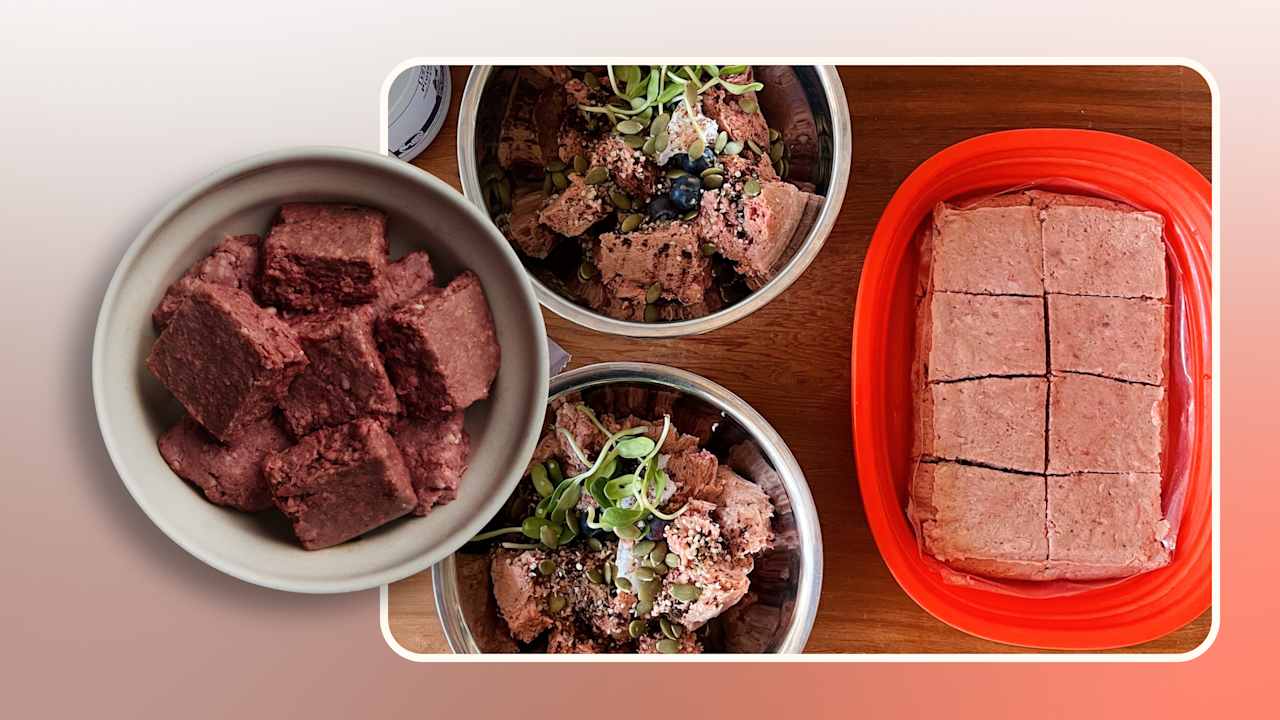
Credit: wefeedraw.com
Supplements And Additives
Supplements and additives play a key role in a raw food diet for dogs. They ensure your dog gets all needed nutrients. Raw diets can sometimes miss vital elements. Adding the right supplements fills these gaps. It also supports your dog’s health and energy.
Essential Oils
Essential oils can benefit dogs in small amounts. They support skin health and repel pests. Use only oils safe for dogs, like:
- Lavender
- Chamomile
- Frankincense
Always dilute oils before adding them. Never use oils toxic to dogs, such as tea tree or eucalyptus. Consult a vet before use to avoid harm.
Vitamins And Minerals
Raw diets may lack some vitamins and minerals. These are crucial for strong bones and a good immune system. Common supplements include:
- Calcium from crushed eggshells or bone meal
- Omega-3 fatty acids from fish oil
- Vitamin E for skin and coat health
- Zinc to support healing and growth
Balance is key. Too much or too little can cause problems. Check with a vet to find the right amounts for your dog.
Balancing Nutrients
Balancing nutrients in a raw food diet for your dog is essential for their overall health and energy. Getting the right mix helps support strong muscles, healthy bones, and a shiny coat. It’s more than just throwing meat and veggies into a bowl; it’s about creating a complete meal that meets all their needs.
Protein To Fat Ratio
Your dog’s energy mostly comes from protein and fat. A good balance usually means about 70-80% proteinand 20-30% fat. Too much protein without enough fat can leave your dog low on energy, while too much fat might cause digestive issues.
Think about the type of meat you use. Lean meats like chicken breast have less fat, so you might need to add some fatty cuts like beef or lamb. If your dog is very active, you might increase fat slightly for extra fuel.
Calcium And Phosphorus
Calcium and phosphorus are key for strong bones and teeth. Raw meaty bones are a natural source of calcium, but balance is critical—ideally, the calcium to phosphorus ratio should be about 1.2:1.
Feeding too much phosphorus without enough calcium can lead to bone problems. If you don’t want to feed bones every day, you can add ground eggshells or a calcium supplement to keep the balance right.
Have you checked if your dog’s diet hits these nutrient marks? Keeping track can prevent long-term health issues and keep your dog feeling great every day.
Foods To Avoid
Feeding your dog a raw food diet requires careful selection of ingredients. Some foods can be harmful or even deadly. Knowing what to avoid keeps your pet safe and healthy. This section explains critical foods to exclude from a raw diet.
Toxic Ingredients
- Onions and garlic – cause anemia in dogs
- Grapes and raisins – lead to kidney failure
- Chocolate – contains theobromine, toxic to dogs
- Avocado – contains persin, can harm dogs
- Macadamia nuts – cause weakness and vomiting
- Raw yeast dough – expands and causes stomach issues
Harmful Additives
Avoid processed meats with added salt or preservatives. These can upset your dog’s stomach and damage organs. Stay clear of any foods with artificial colors or flavors.
- Salt – excess leads to dehydration and kidney strain
- Nitrates and nitrites – found in cured meats, harmful to dogs
- Sugar and sweeteners – disrupt digestion and cause obesity
- Spices and seasonings – may irritate the digestive tract
- Preservatives like BHA, BHT – linked to health risks
Preparing And Storing Raw Meals
Preparing and storing raw meals for your dog takes careful attention to keep the food safe and nutritious. Handling raw ingredients properly prevents harmful bacteria and maintains the freshness your dog needs for a healthy diet. Let’s look at how you can make this process simple and effective.
Cleaning And Handling Raw Ingredients
Start by washing your hands thoroughly before and after handling raw meat. Use separate cutting boards and utensils for raw food to avoid cross-contamination with other foods in your kitchen.
Rinse vegetables and fruits under cold water to remove dirt and pesticides. Always choose fresh, high-quality meats from reliable sources to ensure safety and nutrition.
Portioning And Mixing The Meals
Divide the raw food into daily portions that match your dog’s size and dietary needs. Mixing proteins, organs, and vegetables evenly helps provide a balanced meal every time.
Use airtight containers or freezer bags to store each portion, labeling them with the date to track freshness. This organization saves time and keeps your dog’s meals consistent.
Freezing And Thawing Safely
Freeze raw meals immediately after preparation to lock in nutrients and prevent bacterial growth. Keep the freezer at or below 0°F (-18°C) for optimal preservation.
Thaw meals in the refrigerator overnight rather than at room temperature, which can encourage bacteria. If you’re in a hurry, use a sealed bag in cold water, but never use a microwave to thaw raw dog food.

Credit: micromed.org.nz
Transitioning To A Raw Diet
Transitioning a dog to a raw food diet requires care and patience. Sudden changes can upset your pet’s stomach. Start slow to help your dog adjust comfortably.
Introducing raw food gradually helps avoid digestive issues. It also allows your dog to get used to new tastes and textures. Monitor your dog closely during this period.
Assess Your Dog’s Current Diet
Begin by understanding what your dog currently eats. Note the type and amount of food. This helps in planning the switch to raw meals smoothly.
Mix Raw With Cooked Or Kibble
Start by mixing small amounts of raw food into your dog’s regular meals. Increase the raw portion over several days or weeks. This gradual change reduces stress on your dog’s system.
Choose Balanced Raw Ingredients
Include muscle meat, bones, organs, and some vegetables. Variety ensures your dog gets all needed nutrients. Avoid overfeeding any single ingredient to keep balance.
Watch For Digestive Changes
Expect some changes like softer stools or slight gas. If symptoms worsen or last long, slow down the transition. Consult a vet if problems persist.
Stay Consistent And Patient
Consistency helps your dog adapt faster to raw meals. Keep feeding times regular. Patience is key; each dog adjusts at its own pace.
Frequently Asked Questions
What Proteins Are Best For A Raw Dog Food Diet?
Lean meats like chicken, turkey, and beef are ideal. Organ meats such as liver and kidney provide essential nutrients. Raw meaty bones offer calcium and help dental health. Always source fresh, high-quality proteins to ensure safety and nutrition.
Can Vegetables Be Included In A Raw Dog Diet?
Yes, vegetables like carrots, spinach, and broccoli add fiber and vitamins. They support digestion and overall health. Avoid toxic veggies like onions and garlic. Vegetables should be finely chopped or pureed for easier digestion.
How Much Bone Should Be In A Raw Diet For Dogs?
Bones should make up about 10-15% of the total diet. Meaty bones provide calcium and nutrients. Avoid cooked bones as they can splinter and cause harm. Always supervise your dog when feeding bones.
Are Supplements Necessary In A Raw Food Diet For Dogs?
Supplements like fish oil, probiotics, and vitamins may be needed. They help balance nutrients and support health. Consult a vet to tailor supplements based on your dog’s specific needs and diet composition.
Conclusion
Feeding your dog a raw food diet needs careful planning. Include fresh meat, bones, and organs for balanced nutrition. Add vegetables and fruits for vitamins and fiber. Avoid harmful foods like onions or grapes. Always keep hygiene in mind to prevent illness.
Consult a vet to ensure your dog’s needs are met. A well-prepared raw diet can support your dog’s health and happiness. Simple, natural ingredients work best for strong, happy pets. Keep learning and adjusting as your dog grows and changes.

