
Are you wondering if your adult dog can eat puppy food? It’s a common question many dog owners have.
You want the best for your furry friend, but sometimes the choices can be confusing. Feeding the right food affects your dog’s health, energy, and happiness. What happens if you give your adult dog puppy food? Keep reading, and you’ll discover the surprising facts that could help you make the best decision for your dog’s diet.
Don’t miss out on what could improve your dog’s life!
Differences Between Puppy And Adult Dog Food
Understanding the differences between puppy and adult dog food is important. Each type meets distinct needs based on the dog’s age. Puppies require special nutrients to support growth. Adult dogs need food that maintains health and energy. Choosing the right food helps your dog stay strong and happy.
Nutritional Needs By Age
Puppies need more nutrients for development. Their food is rich in proteins and fats. These nutrients build muscles and bones quickly. Adult dogs require balanced nutrition to maintain health. Their food supports energy without excess calories. Feeding the right nutrients prevents health issues.
Calorie And Protein Content
Puppy food contains higher calories to fuel growth. Protein levels are higher to support muscle building. Adult dog food has fewer calories to avoid weight gain. Protein is adequate to maintain muscle mass. Proper calorie intake keeps dogs fit at every stage.
Vitamins And Minerals
Puppies need extra vitamins like calcium for bone growth. Their food includes minerals to support development. Adult dogs require vitamins for immune support and joint health. Their food balances minerals to prevent excess. Both need essential nutrients but in different amounts.
Potential Benefits Of Feeding Puppy Food To Adult Dogs
Puppy food is designed to meet the high nutritional needs of growing dogs, but could it offer advantages for adult dogs too? Some dog owners have noticed positive changes when switching to puppy food temporarily or for specific needs. Let’s dive into some potential benefits that might make you reconsider your adult dog’s diet.
Improved Energy Levels
Puppy food is packed with extra calories and nutrients that fuel growth and play. If your adult dog seems sluggish or less active than usual, a diet richer in energy could help boost their vitality.
Active dogs often burn more calories and might benefit from the higher fat and protein content found in puppy formulas. Have you noticed your dog dragging during walks or playtime? A temporary increase in energy from puppy food might just spark their enthusiasm again.
Enhanced Coat And Skin Health
Healthy skin and a shiny coat are signs of good nutrition. Puppy food often contains higher levels of essential fatty acids, like omega-3 and omega-6, which support skin hydration and fur quality.
If your adult dog has dry skin or a dull coat, adding puppy food could provide the nutrients needed for improvement. It’s worth observing if their fur gains back its natural shine after a dietary boost.
Support For Active Or Working Dogs
Dogs that have demanding jobs or very active lifestyles need more fuel to maintain their performance. Puppy food’s balanced nutrients can help sustain endurance and muscle strength in these dogs.
Think about dogs that run, herd, or participate in agility training—they often require higher energy intake than typical adult dogs. Feeding them puppy food might be a practical way to meet these increased demands without adding supplements.
Risks Of Giving Puppy Food To Adult Dogs
Feeding puppy food to adult dogs may seem harmless. But it can pose several risks. Puppy food is high in calories and nutrients. It’s designed for growing pups. Adult dogs have different dietary needs. Let’s explore potential risks.
Weight Gain And Obesity
Puppy food is rich in calories. Adult dogs don’t need extra calories. Consuming these can lead to weight gain. An overweight dog faces many health problems. Obesity in dogs can cause joint issues and heart disease.
Digestive Issues
Adult dogs have different digestion rates. Puppy food may be hard to digest. It can lead to upset stomachs. Some dogs may even experience diarrhea. Proper digestion ensures good health. Feeding adult food can help maintain digestive balance.
Nutrient Imbalance
Puppy food has more protein and fat. Adult dogs don’t need as much. This can cause nutrient imbalance. Too much protein or fat can be harmful. Adult dogs need a balanced diet. It supports their health and longevity.
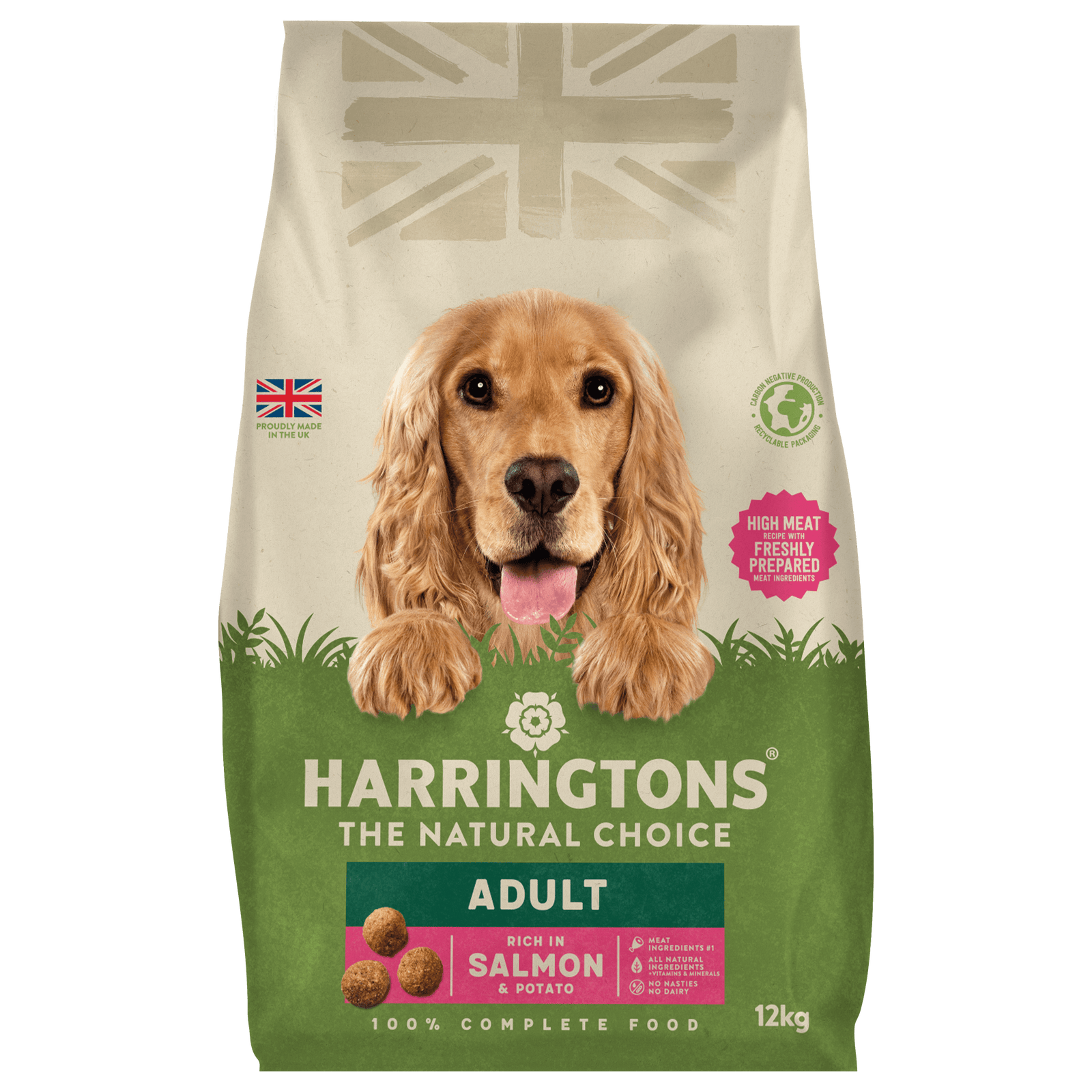
Credit: hairtattoo.ca
When Puppy Food Might Be Appropriate For Adults
Adult dogs usually need food made for their age and lifestyle. Puppy food is rich in calories and nutrients for growing pups. Still, some adult dogs may benefit from puppy food for short times. This section explains when puppy food might suit adult dogs.
Pregnant Or Nursing Dogs
Pregnant or nursing dogs need extra energy and nutrients. Puppy food has higher protein and fat, which helps support their needs. It can improve milk quality and help puppies grow strong. Feeding puppy food during pregnancy or nursing can be a good choice.
Underweight Or Malnourished Dogs
Dogs that are underweight or recovering from illness need more calories. Puppy food offers concentrated nutrition and calories in smaller portions. This helps them gain weight and rebuild strength faster. Puppy food can be a helpful option for these dogs during recovery.
Highly Active Or Working Dogs
Active or working dogs burn a lot of energy daily. They need more protein and fat to maintain muscle and stamina. Puppy food provides extra nutrients that support their intense activity. Feeding it temporarily can help meet their high energy demands.
Tips For Transitioning Between Puppy And Adult Food
Changing your dog’s food from puppy to adult needs care. A smooth change helps avoid stomach problems. It also keeps your dog happy and healthy. Follow these tips to make the switch easy.
Gradual Mixing Method
Start by mixing a small amount of adult food into puppy food. Increase adult food gradually over 7 to 10 days. This slow change helps your dog’s tummy adjust. Watch if your dog likes the new taste and texture.
Monitoring Health And Weight
Check your dog’s weight regularly during the change. Look for signs like vomiting, diarrhea, or lack of energy. Keep an eye on their coat and appetite too. Adjust the amount of food if your dog gains or loses too much weight.
Consulting A Veterinarian
Talk with your vet before switching foods. They know your dog’s health and needs best. Ask about the right food type and amount. Get advice if your dog has allergies or special conditions.

Credit: us.eukanuba.com
Alternative Diet Options For Adult Dogs
Choosing the right diet for your adult dog is crucial for their health and happiness. While puppy food might seem tempting due to its rich nutrients, adult dogs have different dietary needs. Luckily, there are several alternative diet options designed specifically for adult dogs that can keep them thriving.
Specialized Adult Formulas
Specialized adult dog food formulas are created to meet the unique nutritional needs of grown dogs. These formulas balance proteins, fats, and carbohydrates to support healthy weight, muscle maintenance, and energy levels. Have you noticed how your dog’s coat shines brighter or their energy improves after switching to a formula made just for adults?
Many brands offer formulas targeting specific needs, such as weight control, joint health, or sensitive stomachs. Choosing a formula that matches your dog’s lifestyle and health status can make a big difference in their well-being.
Homemade Balanced Meals
Preparing homemade meals lets you control exactly what goes into your dog’s bowl. A balanced meal should include lean proteins like chicken or fish, healthy grains such as brown rice, and vegetables like carrots or green beans. But are you sure you’re including all the vitamins and minerals your dog needs?
Consulting with a veterinarian or pet nutritionist can help you create meals that provide complete nutrition. Many dog owners find this approach rewarding and enjoy seeing their pets eagerly eat homemade food.
Supplements And Additives
Sometimes, adding supplements to your dog’s diet can fill nutritional gaps or address specific health issues. Common supplements include omega-3 fatty acids for coat health, glucosamine for joints, and probiotics for digestion. Do you know which supplements your dog might benefit from?
Always discuss supplements with your vet to ensure they are safe and necessary. Using the right additives can enhance your dog’s diet without switching their main food, giving you flexibility and peace of mind.
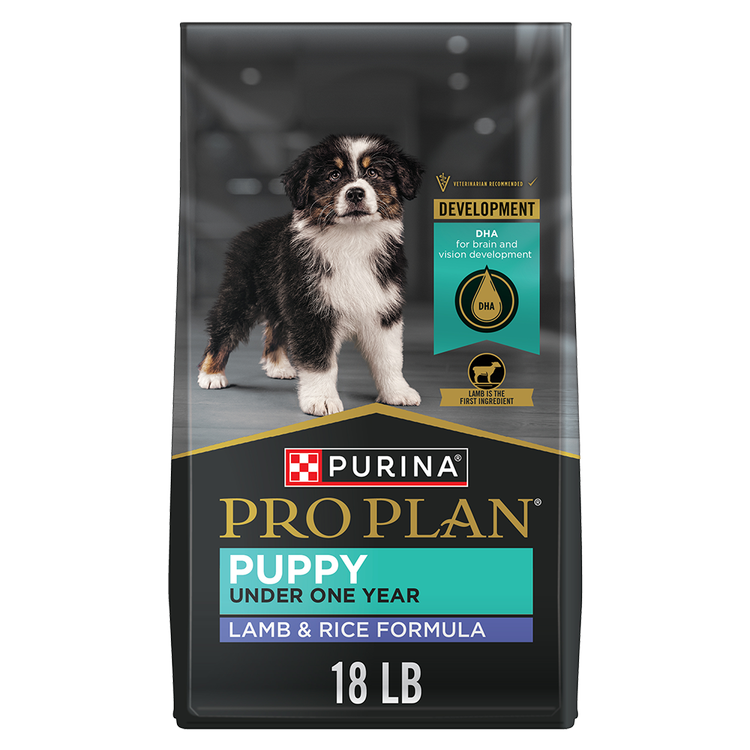
Credit: www.purina.com
Frequently Asked Questions
Can Adult Dogs Eat Puppy Food Safely?
Adult dogs can eat puppy food occasionally, but it’s not ideal long-term. Puppy food is high in calories and nutrients for growth. Feeding it regularly to adults may cause weight gain and nutrient imbalances. Consult your vet before switching dog food types.
What Are The Risks Of Feeding Adults Puppy Food?
Feeding adult dogs puppy food regularly can lead to obesity and digestive upset. Excess calories and fat may cause weight gain. Nutrient imbalances could affect adult dogs’ health. Always monitor your dog’s condition and consult a vet for proper diet advice.
How Does Puppy Food Differ From Adult Dog Food?
Puppy food contains higher protein, fat, and calories for growth and energy. Adult dog food has balanced nutrients for maintenance and fewer calories. These differences ensure each life stage receives optimal nutrition tailored to their needs.
Can Feeding Puppy Food Improve An Adult Dog’s Coat?
Puppy food may temporarily improve an adult dog’s coat due to higher fat content. However, balanced adult formulas designed for skin and coat health are better long-term. Always choose food appropriate for your dog’s age and health condition.
Conclusion
Adult dogs can eat puppy food for a short time. Puppy food has extra nutrients for growth, which adults do not always need. Feeding puppy food long-term may cause weight gain or health issues. Always watch your dog’s weight and energy levels.
Consult your vet before making diet changes. Balanced nutrition suits adult dogs best. Choose food designed for their age and activity. Keep your dog healthy with the right diet. Simple care makes a big difference.


