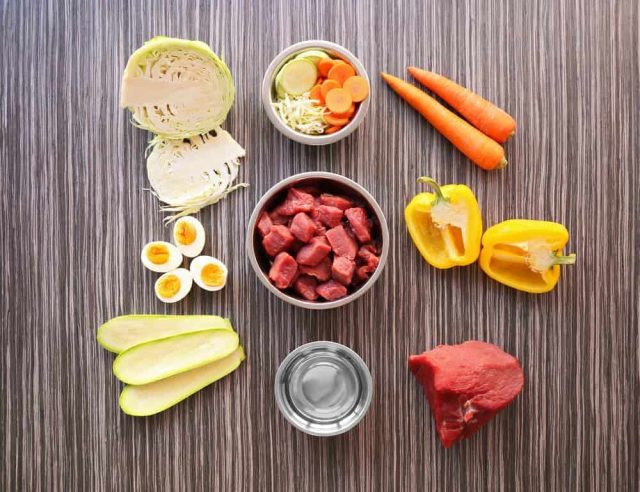

Are you wondering what bland food means for your raw diet dog? Feeding your dog the right meals is key to keeping them healthy and happy.
Sometimes, your dog might need a simple, gentle diet to help with tummy troubles or during recovery. But what exactly should you feed, and why is bland food important for a raw diet? Keep reading to discover the easy-to-follow guide that will make caring for your furry friend’s special diet simple and stress-free.
Your dog’s health depends on the choices you make—let’s make them the best ones.
Credit: wefeedraw.com
Bland Food Basics
Bland food is a simple, gentle diet designed for dogs with sensitive stomachs. It uses easy-to-digest ingredients to help calm digestive issues. This diet supports recovery from upset stomachs, diarrhea, or vomiting. Understanding bland food basics helps dog owners provide proper care during illness.
What Makes Food Bland
Bland food contains plain, mild ingredients without spices or strong flavors. Common components include:
- Boiled chicken or turkey (skinless, boneless)
- White rice or plain pasta
- Cooked potatoes without seasoning
- Plain pumpkin or sweet potatoes
This food lacks oils, fats, and additives. It is low in fiber and gentle on the stomach lining. The goal is to reduce digestive work and avoid irritation.
Benefits Of Bland Diet For Dogs
Bland food helps soothe the digestive tract. It reduces stomach upset and diarrhea. It also:
- Supports nutrient absorption
- Prevents dehydration by keeping food simple
- Helps identify food sensitivities
- Promotes quick recovery from illness
Feeding bland food can restore your dog’s energy and comfort.
When To Feed Bland Food
Bland diets suit dogs with:
- Vomiting or diarrhea
- Stomach cramps or nausea
- After surgery or illness affecting digestion
- Sudden dietary changes causing upset stomach
Use bland food for short periods, usually a few days. Consult a vet if symptoms persist or worsen.
Raw Diet Essentials
Understanding raw diet essentials helps you feed your dog safely and healthily. A raw diet focuses on fresh, natural ingredients. It mimics what dogs ate before processed food existed. This approach gives dogs nutrients in their purest form.
Choosing the right ingredients and balancing them is key. Avoiding common mistakes ensures your dog gets all it needs. Let’s explore the core elements that make a raw diet work.
Core Ingredients In Raw Diets
- Muscle meat: Provides protein and energy.
- Raw meaty bones: Offer calcium and dental benefits.
- Organ meats: Rich in vitamins and minerals.
- Vegetables: Supply fiber and antioxidants.
- Supplements: Fill nutritional gaps when needed.
Balancing Nutrition Naturally
Balance means including all food groups in correct amounts. Protein should be the diet’s main part. Bones and organs give essential minerals and vitamins. Vegetables add fiber for healthy digestion. Variety keeps meals interesting and nutritious.
Common Raw Food Mistakes
- Using too much meat without bones or organs.
- Feeding cooked bones, which can splinter.
- Ignoring hygiene, leading to bacterial risks.
- Failing to rotate ingredients, causing nutrient gaps.
- Overfeeding, which may cause obesity or illness.
Choosing Bland Raw Foods
Choosing bland raw foods for your dog is vital for their health. These foods are easy on their stomach. They provide essential nutrients. Dogs on a raw diet need balanced meals. This includes proteins, vegetables, fruits, and carbohydrates. Let’s explore the best options.
Best Protein Sources
Protein is crucial for muscle and energy. Select lean meats. Chicken breast and turkey are great choices. They are rich in protein and low in fat. Beef is another option, but ensure it’s lean. Fish like salmon offer omega-3 fatty acids. These are good for your dog’s coat and skin.
Safe Vegetables And Fruits
Vegetables and fruits add vitamins and fiber. Carrots are a popular choice. They are crunchy and full of beta-carotene. Green beans are another option. They are low in calories and nutritious. Apples can be given in small amounts. Remove the seeds and core. They are a sweet treat for dogs.
Carbohydrate Options
Carbohydrates provide energy. Sweet potatoes are a safe choice. They are high in fiber and vitamins. Cooked pumpkin is another option. It helps with digestion. Avoid grains like rice or wheat. Stick to vegetables for carbohydrates. They are healthier for your dog.
Preparing Bland Raw Meals
Preparing bland raw meals for dogs requires careful attention to cleanliness and simplicity. These meals help soothe sensitive stomachs and support digestion. The focus is on gentle ingredients that are easy to digest and free from spices or additives. Proper preparation ensures the meal is safe and nutritious.
Cleaning And Handling Raw Ingredients
Start with fresh, high-quality raw ingredients. Wash your hands and all surfaces before preparation. Rinse meat and vegetables under cold water to remove dirt and bacteria. Use separate cutting boards for meat and vegetables to avoid cross-contamination. Store raw ingredients in clean containers and refrigerate immediately.
Simple Recipes For Bland Diets
- Boiled chicken breast with cooked pumpkin
- Ground turkey mixed with steamed carrots
- White fish combined with plain cooked sweet potato
- Lean beef with mashed zucchini
Cook vegetables until soft for easier digestion. Avoid seasoning or oils. Serve meals at room temperature to avoid upsetting your dog’s stomach.
Storage Tips For Freshness
- Divide meals into portions to avoid waste
- Use airtight containers to keep food fresh
- Label containers with date and contents
- Refrigerate meals for up to 3 days
- Freeze portions for longer storage, up to 2 weeks
Thaw frozen meals in the refrigerator, not at room temperature. Always check for signs of spoilage before feeding.
Feeding Guidelines
Feeding bland food to dogs on a raw diet requires careful attention. This helps prevent digestive upset and supports healing. Knowing how much and how often to feed is key. Introducing new foods slowly allows the dog’s system to adjust. Watching your dog’s reactions helps ensure the diet is working well.
Portion Control And Frequency
Start with small portions to avoid overwhelming the digestive system. Feed your dog 2 to 3 small meals daily instead of one large meal. Keep portions consistent to monitor how your dog reacts. Adjust portion size based on your dog’s weight and activity level. Avoid overfeeding to prevent stomach upset or diarrhea.
Transitioning To Bland Raw Diet
Switch to bland raw food gradually over 7 to 10 days. Mix increasing amounts of bland food with your dog’s usual diet. Slowly reduce the old food while increasing the bland raw food. Watch for any signs of discomfort or digestive issues. A slow transition helps the dog’s gut adapt smoothly.
Signs Of Good Tolerance
Healthy stools are a positive sign of good tolerance. Your dog should stay active and show interest in food. No vomiting, diarrhea, or gas should appear during the diet. A shiny coat and normal energy levels also indicate success. Report any persistent problems to your vet immediately.
Credit: boutique.pawse.ca
Common Health Issues
Feeding your dog a bland food raw diet can be a gentle way to address certain health concerns. However, it’s important to recognize common health issues that might arise or require attention. Understanding these problems helps you provide the best care and adjust the diet effectively.
Digestive Upsets And Solutions
Digestive issues like diarrhea, constipation, or vomiting often signal that your dog’s stomach is sensitive to certain ingredients.
Switching to bland foods such as boiled chicken, ground turkey, or plain pumpkin can soothe the gut. Adding small amounts of bone broth may also help calm inflammation and support digestion.
Have you noticed your dog struggling after eating new raw ingredients? Keeping a food diary can help identify triggers quickly.
Allergies And Sensitivities
Dogs can develop allergies or sensitivities to proteins or additives in their raw diet.
Common allergens include beef, chicken, and eggs. Rotating proteins and avoiding processed treats often reduce reactions.
If your dog shows itching, swelling, or unusual ear infections, these might be signs of food sensitivities. Testing and eliminating suspect foods can bring relief.
When To Consult A Vet
You should contact your vet if your dog’s symptoms worsen or don’t improve within a few days on a bland diet.
Persistent vomiting, lethargy, or blood in stools require immediate medical attention. Your vet can perform tests to rule out infections or other serious conditions.
Don’t hesitate to ask your vet about supplements or diet adjustments to make the bland raw diet more balanced and effective for your dog’s health.
Supplementing Bland Diets
Supplementing bland diets for dogs on a raw food plan is crucial to keep them healthy and balanced. Bland raw diets often lack some nutrients found in commercial foods, so you need to add certain vitamins and minerals to fill those gaps. Doing this carefully can prevent nutritional deficiencies and support your dog’s recovery and overall well-being.
Essential Vitamins And Minerals
Your dog needs key vitamins and minerals to stay strong, especially on a bland diet. Important ones include:
- Calcium:Helps maintain healthy bones and teeth. Bone meal or ground eggshells are good natural sources.
- Vitamin E:Supports immune function and skin health. You can add small amounts of vegetable oil like sunflower oil.
- Zinc:Vital for skin repair and wound healing. Pumpkin seeds or a zinc supplement designed for dogs works well.
- B vitamins:Assist energy production and nervous system health. Liver or nutritional yeast can provide these.
Knowing exactly what your dog needs helps you avoid guesswork. Have you checked what nutrients your dog might be missing?
Safe Supplements For Dogs
Choosing safe supplements is key. Stick to those made specifically for dogs to avoid harmful additives. Here are some safe options:
- Fish oil for omega-3 fatty acids
- Probiotics to support digestion
- Glucosamine and chondroitin for joint health
- Vitamin C as an antioxidant
Always introduce new supplements slowly and watch for any reactions. Your vet can help you pick the best ones for your dog’s needs.
Avoiding Over-supplementation
More isn’t always better. Over-supplementation can cause toxicity or imbalances that harm your dog. For example, too much calcium can lead to kidney issues or bone problems.
Stick to recommended doses and keep track of what you add. Have you ever thought about the risks of giving your dog too many supplements?
Regular check-ups and blood tests help monitor your dog’s nutrient levels and prevent overdoing it. Balance is the secret to a successful bland raw diet.
Credit: www.brindlepets.ca
Frequently Asked Questions
What Is Bland Food For Raw Diet Dogs?
Bland food for raw diet dogs includes simple, easy-to-digest ingredients. It avoids spices, seasonings, and rich fats. Common items are boiled chicken, rice, and pumpkin. This helps soothe sensitive stomachs and supports digestion during illness or dietary transition.
Why Feed Bland Food In A Raw Diet?
Bland food helps reduce digestive upset in dogs. It eases nausea, diarrhea, or vomiting by being gentle on the gut. Feeding bland food during illness or stress supports recovery while maintaining nutrition. It allows the digestive system to rest and heal.
What Ingredients Are Safe In Bland Raw Dog Food?
Safe ingredients include boiled chicken, lean turkey, white rice, pumpkin, and cooked sweet potatoes. Avoid spices, onions, garlic, and high-fat meats. These ingredients provide nutrition without upsetting the dog’s sensitive stomach.
How Long Should Bland Food Be Given To Dogs?
Bland food is typically fed for 3 to 5 days. If symptoms improve, gradually reintroduce regular raw diet meals. Consult a vet if issues persist beyond a week or worsen during feeding.
Conclusion
Bland food keeps your raw diet dog’s stomach calm and healthy. It helps prevent upset and supports digestion. Simple ingredients like boiled meat and rice work best. Feeding bland food during illness or stress aids quick recovery. Always watch your dog’s response and adjust the diet as needed.
A gentle, balanced meal can make a big difference. Caring for your dog’s diet means better health and happiness every day. Keep it plain, safe, and full of good nutrition.