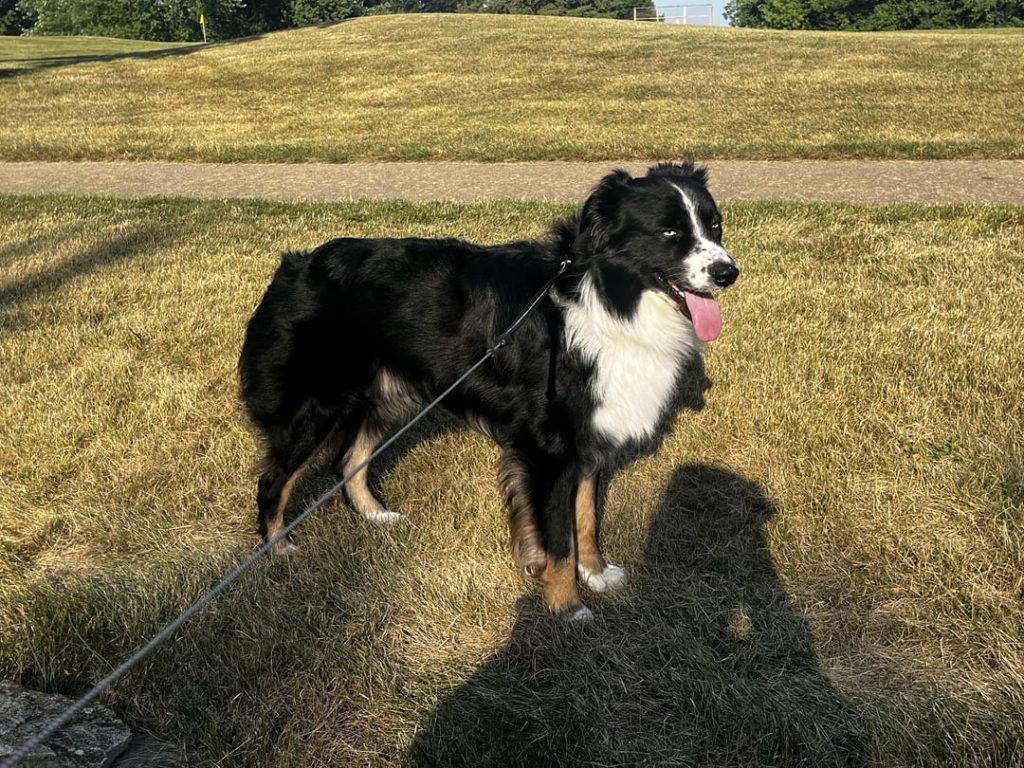

Are you struggling to potty train your male dog and wondering if it’s just harder than training a female? You’re not alone.
Many dog owners feel frustrated when their male pups don’t catch on as quickly as they hoped. But is it really more difficult, or is there a simple reason behind it? Keep reading, because understanding what makes male dogs unique during potty training could change the way you approach the whole process—and make your life a lot easier.

Credit: www.reddit.com
Male Dog Potty Training Challenges
Potty training male dogs often comes with unique challenges that can test your patience and strategy. Understanding these challenges can help you tailor your approach and avoid common pitfalls. Here’s a closer look at what makes potty training male dogs different and sometimes more complicated.
Common Behavioral Traits
Male dogs tend to be more independent and stubborn compared to females, which can slow down potty training progress. They might also get easily distracted during outdoor potty breaks, making it harder to keep their focus.
You might notice your male dog is less eager to please at first, which means consistent routines and positive reinforcement become even more crucial. Have you observed your male dog ignoring cues during training sessions? This behavior is often linked to their natural tendencies.
Territorial Marking Issues
One of the biggest challenges with male dogs is territorial marking. Instead of fully emptying their bladder, they often leave small urine spots around the house to mark their territory.
This behavior can be frustrating because it looks like they haven’t fully learned where to go. Neutering can reduce marking but doesn’t always stop it completely, so patience and extra cleaning measures are necessary.
Influence Of Age And Breed
Age plays a significant role in potty training success. Puppies generally learn faster, but adolescent males may test boundaries more aggressively. Older male dogs might have ingrained habits that are harder to change.
Breed also matters. Some breeds, like terriers and hounds, are known for being more stubborn and independent, which can make potty training tougher. Understanding your dog’s breed characteristics can help you set realistic expectations and adjust your training methods.
Setting Up For Success
Setting up for success is key to potty training male dogs. A clear plan helps your dog learn faster. Creating the right environment and habits makes training less stressful.
Choosing The Right Training Spot
Pick a quiet, easy-to-reach spot outside. This place should stay the same every time. Your dog will link this spot with bathroom breaks. Avoid areas with many distractions. Consistency helps your dog understand expectations.
Establishing A Consistent Routine
Take your dog out at regular times each day. Common times include after eating, playing, and waking up. A steady schedule creates good bathroom habits. Watch for signs your dog needs to go. Being patient and consistent speeds up training.
Using Positive Reinforcement
Reward your dog immediately after they go potty outside. Use treats, praise, or petting to show approval. Positive feedback encourages good behavior. Avoid punishment, which can cause fear. Celebrate small wins to keep your dog motivated.
Effective Training Techniques
Training male dogs to potty can be challenging but patience helps. Consistent routines and positive rewards encourage good habits quickly. Understanding each dog’s behavior improves success in housebreaking efforts.
Effective potty training for male dogs can be a smooth journey if you employ the right techniques. Understanding their behavior and using structured methods can lead to success. So, what are the most effective techniques to ensure your male dog learns quickly and efficiently?Crate Training Benefits
Crate training is a powerful tool for potty training male dogs. It leverages a dog’s natural instinct to keep its sleeping area clean. By gradually increasing the time your dog spends in the crate, you can teach him to control his bladder. Crates provide a secure space, mimicking a den, which helps reduce anxiety. This calm environment promotes better learning during training sessions. Have you noticed how your dog seeks out cozy spaces to relax? That’s his instinct at work.Timing And Supervision
Timing is crucial in potty training. Take your dog out at regular intervals, especially after meals and naps. Consistency helps him understand when and where it’s appropriate to go. Supervision is key to preventing accidents. Keep an eye on your pup when he’s not in the crate. Spotting signs like sniffing or circling allows you to guide him outside promptly.Handling Accidents Calmly
Accidents are inevitable but how you handle them makes a difference. Avoid scolding your dog, as it can create fear and confusion. Instead, clean up the mess thoroughly to remove any lingering odors. Use accidents as learning opportunities. Guide your dog to the correct spot and reward him when he gets it right. Remember, patience is your greatest ally in this process.
Credit: www.reddit.com
Addressing Specific Male Dog Behaviors
Male dogs often display unique behaviors that can make potty training feel like a challenge. Understanding these behaviors helps you tailor your approach and avoid frustration. Let’s look at some common male-specific habits and how you can manage them effectively.
Reducing Marking Behavior
Marking is a natural instinct for male dogs, especially if they are not neutered. This behavior can interfere with potty training since your dog might lift his leg indoors to mark territory.
To reduce marking:
- Neutering can significantly lower the urge to mark.
- Keep your home free of strong smells from other animals.
- Interrupt marking attempts immediately and redirect your dog outside.
Have you noticed your male dog marking the same spots repeatedly? Cleaning these areas with an enzymatic cleaner removes odors that encourage repeat marking.
Managing Excitement And Distractions
Male dogs often get easily excited, which can lead to accidents during potty training. Excitement can distract them from recognizing the need to go outside.
Try these tactics:
- Keep calm and use a consistent command when taking your dog out.
- Limit playtime right before potty breaks to help your dog focus.
- Practice potty sessions in quiet, low-distraction areas at first.
What if your dog gets distracted by every sound or movement outdoors? Gradually increase exposure to distractions during training to build his focus over time.
Dealing With Stubbornness
Some male dogs show stubbornness, making potty training slower but not impossible. This behavior can stem from independence or a lack of motivation.
Here’s how to work through stubbornness:
- Use high-value treats your dog loves to encourage cooperation.
- Keep training sessions short and positive to maintain interest.
- Be patient and consistent even when progress feels slow.
Have you tried different rewards or training times? Sometimes a small change can break through stubbornness and get your dog moving in the right direction.
When To Seek Professional Help
Potty training male dogs can sometimes hit a wall. Knowing when to seek professional help saves time and stress. Experts bring experience and solutions for tricky problems. Early action prevents bad habits from settling in.
Recognizing Training Plateaus
Training plateaus happen when progress stops. Your dog may stop responding to commands. Accidents may occur more often. This shows your current methods might not work anymore. A trainer can identify the problem and adjust techniques. They keep training moving forward and effective.
Choosing A Trainer
Find a trainer who understands male dog behavior well. Look for certifications and positive reviews. Trainers using reward-based methods work best. Avoid those who rely on punishment or harsh techniques. A good trainer will guide you through each step clearly. They teach skills you can use at home.
Considering Medical Factors
Sometimes potty issues come from health problems. Urinary infections or bladder issues cause accidents. Pain or discomfort can make training harder. Visit a vet to rule out medical causes. Treatment can improve your dog’s comfort and training success. Always check health if training stalls suddenly.
Credit: pomeranian.org
Frequently Asked Questions
Are Male Dogs Harder To Potty Train Than Females?
Male dogs can be slightly more challenging to potty train due to marking behavior. However, with consistency and patience, both genders learn effectively. Training success depends more on routine and reinforcement than gender alone.
How Long Does It Take To Potty Train A Male Dog?
Potty training a male dog typically takes 4 to 6 weeks with regular, consistent training. Individual progress varies based on age, breed, and training methods used.
Does Neutering Affect Potty Training In Male Dogs?
Neutering can reduce territorial marking and improve potty training success. It often decreases marking behavior, making training easier and more consistent.
What Are Common Potty Training Mistakes With Male Dogs?
Common mistakes include inconsistent schedules, lack of supervision, and punishing accidents. Avoiding these helps speed up the potty training process significantly.
Conclusion
Male dogs can be trained just like females with patience and care. Each dog learns at its own pace, so stay calm and consistent. Use positive rewards and clear routines to help your dog succeed. Remember, challenges are normal, but they do not mean failure.
Keep practicing daily, and your dog will get better. Training takes time, but the bond you build is worth it. Potty training male dogs is possible and rewarding.