
Are you wondering when your German Shepherd should switch to adult dog food? Choosing the right time matters a lot for your dog’s health and growth.
Feeding your German Shepherd too early or too late can affect their energy, coat, and overall well-being. You’ll discover the perfect age to make this important change, so you can give your loyal companion the best nutrition at every stage of life.
Keep reading to learn how to keep your German Shepherd happy and healthy with the right food choices.

Credit: www.amazon.com
When To Switch To Adult Food
Knowing when to switch your German Shepherd from puppy food to adult dog food is key to supporting their growth and health. Making the switch too early or too late can affect their energy levels, weight, and overall wellbeing. You want to ensure your dog gets the right nutrients at the right time to thrive.
Age Milestones For Transition
Most German Shepherds are ready to move to adult dog food between 12 and 18 months old. This range depends on how quickly they mature physically and mentally. Watch for signs like slowing growth, reduced puppy energy, and changes in appetite to guide your decision.
Some German Shepherds may show readiness closer to 12 months, especially if they seem less interested in high-calorie puppy food. Others might benefit from staying on puppy food until 18 months if they’re still growing or very active. You know your dog best—observe their behavior and consult your vet to find the perfect time.
Breed Size Considerations
German Shepherds are a large breed, which means their nutritional needs differ from smaller dogs. Large breeds often need a more gradual transition to adult food to support joint health and avoid rapid growth that can strain bones.
Because German Shepherds grow and develop at a steady pace, switching to adult food too soon can risk nutrient imbalance. On the other hand, staying on puppy food too long may lead to unnecessary weight gain. Consider your dog’s weight, activity level, and growth pattern when deciding.
Are you noticing your German Shepherd’s growth slowing down or their energy stabilizing? These clues can help you decide if it’s time to switch. Tailoring the diet to their size and stage can make a big difference in their long-term health.
Signs Your German Shepherd Is Ready
Recognizing when your German Shepherd is ready to switch to adult dog food is key for their health and development. This transition isn’t based solely on age; it involves watching your dog closely for specific signs. Understanding these signals helps you make the right choice at the right time.
Physical Growth Indicators
Your German Shepherd’s body gives clear clues about readiness for adult food. Look for a steady slowing of growth—puppies grow quickly at first, but this tapers off as they approach adulthood.
Check if their bones feel solid and muscles are well-developed. Loose puppy-like joints start to firm up, signaling that their body can handle a more mature diet. Also, their teeth are fully erupted and strong, ready to chew adult food without trouble.
Have you noticed your dog’s energy levels stabilizing? This often happens as growth phases end, meaning their nutritional needs shift from rapid growth support to maintenance.
Behavioral Changes
Behavior provides important hints too. Puppies often have boundless energy and constant hunger, but as they mature, their eating habits become more predictable and controlled.
Notice if your German Shepherd shows less frantic eating behavior and more calm, focused meals. This change suggests their digestive system is ready for a diet designed for adult dogs.
Additionally, adult dogs usually display increased independence and less chewing on random objects. This behavioral maturity often aligns with the dietary shift to adult food.
Have you observed your dog’s behavior changing from playful puppy antics to more measured, adult-like habits? These changes can guide your timing for switching their food.
Choosing The Right Adult Dog Food
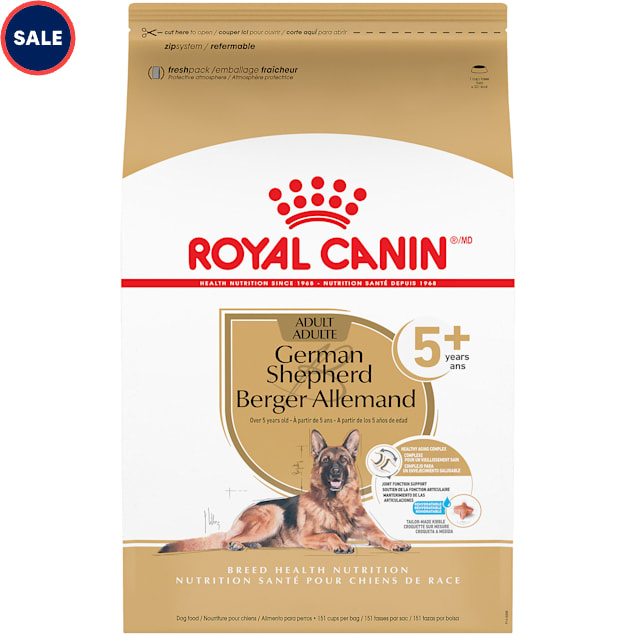
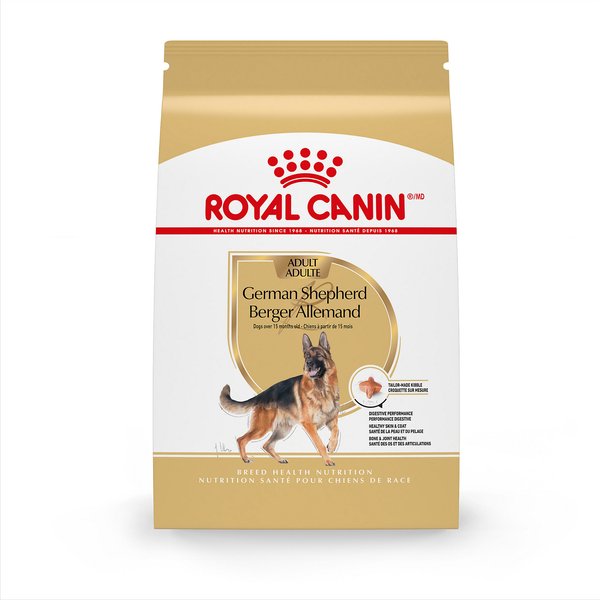
Choosing the right adult dog food for your German Shepherd is a crucial step as they transition from puppyhood to adulthood. The food you select impacts their energy, coat health, and overall well-being. Understanding their specific needs helps you make informed decisions that support a long, healthy life.
Nutritional Needs Of Adults
Adult German Shepherds require a balanced diet rich in protein to maintain their muscle mass and support their active lifestyle. Look for foods with at least 18-22% protein content sourced from quality animal proteins like chicken, beef, or fish.
Fat content should be moderate, around 8-12%, to provide energy without causing weight gain. Don’t forget essential vitamins and minerals, especially calcium and phosphorus, which help keep their bones strong and joints healthy.
Ingredients To Look For
Focus on whole, natural ingredients rather than fillers and by-products. Ingredients like real meat, brown rice, sweet potatoes, and vegetables provide the nutrients your German Shepherd needs.
Omega-3 and Omega-6 fatty acids are vital for a shiny coat and healthy skin. These can come from fish oil or flaxseed in the dog food. Also, antioxidants from fruits and vegetables support immune health.
Avoiding Common Food Allergens
Many German Shepherds can develop allergies to common ingredients like corn, wheat, soy, and certain proteins. Watch for signs such as itching, digestive upset, or ear infections, which might indicate a sensitivity.
Choosing grain-free options or foods with novel protein sources such as duck or venison can reduce allergy risks. Always introduce new foods gradually and monitor how your dog responds to avoid discomfort.
Credit: www.chewy.com
Transitioning To Adult Food
Switching your German Shepherd to adult dog food is a key moment in their growth journey. This change supports their evolving nutritional needs and helps maintain their health and energy. Making this transition smooth ensures your dog adjusts comfortably without digestive troubles or food refusal.
Gradual Introduction Tips
Start by mixing a small amount of adult food with your dog’s current puppy food. Increase the adult food portion slowly over 7 to 10 days until you are feeding only adult formula.
- Begin with 25% adult food and 75% puppy food.
- Move to a 50/50 mix after 3 days.
- Shift to 75% adult food by day 7.
This gradual change helps your German Shepherd accept the new taste and texture without overwhelming their palate. Have you noticed your dog’s preferences during food changes? Observing their reactions can guide how quickly you progress.
Managing Digestive Adjustments
During the transition, your dog’s digestive system may react with minor issues like softer stools or gas. Keep an eye on these signs but don’t panic unless symptoms last longer than a week.
To ease digestion, ensure your dog has plenty of fresh water and avoid feeding treats that might upset their stomach. If issues persist, consulting your vet can provide tailored advice and rule out food sensitivities.
Have you ever had to troubleshoot your dog’s digestion after a diet change? Taking small steps and watching closely can prevent bigger problems down the road.
Feeding Frequency And Portions
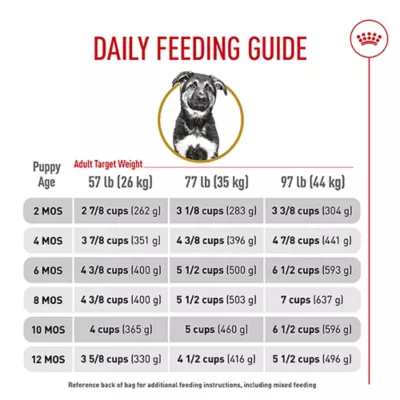
Feeding your German Shepherd the right amount at the right times is crucial as they transition to adult dog food. Knowing how often to feed and how much to offer helps maintain their health, energy, and weight. It also prevents overeating or underfeeding, which can lead to issues down the road.
Daily Feeding Schedule
Adult German Shepherds typically do well with two meals a day—one in the morning and one in the evening. This schedule keeps their metabolism steady and helps avoid hunger-driven behavior. You might notice your dog more relaxed when they know exactly when their meals will come.
Some owners find dividing the daily portion into three smaller meals works better, especially if their dog is highly active or has a sensitive stomach. Watch your dog’s reaction to meal frequency and adjust accordingly. Consistency is key, so try to feed at the same times each day.
Adjusting Portions Based On Activity
Your German Shepherd’s activity level dramatically affects how much food they need. On days packed with long walks, training, or playtime, they’ll require more calories to fuel their energy. On rest days, their food intake should decrease to prevent weight gain.
Keep an eye on your dog’s body condition—are their ribs easily felt but not visible? That’s usually a good sign of proper feeding. If your dog seems sluggish or is gaining weight, consider adjusting portion sizes rather than meal frequency.
Have you tracked how your dog’s appetite changes with different activities? Noticing these patterns can help you fine-tune portions and keep your German Shepherd in peak condition.
Credit: www.petsmart.com
Common Mistakes To Avoid
Switching too early to adult dog food can cause digestion problems for German Shepherd puppies. Ignoring their growth stage needs may lead to poor health and nutrition. Always monitor their development before changing their diet.
Transitioning your German Shepherd from puppy food to adult dog food can be tricky. This change is crucial for their growth and well-being. However, many pet owners make mistakes during this process. Let’s explore some common mistakes to avoid.Switching Too Early Or Late
Timing is everything. Switching your German Shepherd to adult food too early can deprive them of essential nutrients. Puppies need these for growth and bone development. On the other hand, switching too late can lead to weight gain. Adult dog food has a different calorie and nutrient balance. This could cause health issues if not adjusted at the right time. Most German Shepherds are ready for adult food between 12 to 18 months. Monitor their growth and consult your vet if unsure.Ignoring Nutritional Balance
Nutritional balance is key in your German Shepherd’s diet. Adult dog food should meet their energy needs without overloading them with calories. You may think all dog foods are the same. However, each brand varies in nutritional content. Always read labels to ensure a balanced diet. Consider your dog’s activity level and health conditions. Are they a high-energy dog or more sedentary? Tailor their diet accordingly for optimal health. Have you noticed any changes in your German Shepherd’s weight or energy levels? It might be time to reassess their food choices.Consulting Your Veterinarian
Deciding when to switch your German Shepherd from puppy food to adult dog food is an important choice that can impact their health and growth. While general guidelines suggest transitioning around 12 to 18 months, your dog’s unique needs may differ. Consulting your veterinarian ensures you make the right decision tailored to your dog’s development and lifestyle.
Personalized Feeding Advice
Your vet knows your German Shepherd’s medical history and growth pattern best. They can recommend the perfect time to switch to adult food based on factors like weight, activity level, and breed-specific traits.
For example, if your dog is very active or larger than average, your vet might suggest a slower transition or a specific formula. This personalized advice helps prevent nutritional gaps or excesses that could affect your dog’s health.
Monitoring Health And Weight
After starting adult dog food, keep a close eye on your German Shepherd’s health and weight. Your vet can guide you on what changes to watch for, such as energy levels, coat condition, and digestion.
Regular check-ups help catch any issues early. If your dog gains too much weight or seems lethargic, your vet can adjust the feeding plan accordingly. Have you noticed subtle changes in your dog’s behavior after switching food? Sharing these observations with your vet makes a big difference.
Frequently Asked Questions
When Should German Shepherds Switch To Adult Dog Food?
German Shepherds can switch to adult dog food at 12 to 18 months. This timing supports their growth and energy needs properly.
Why Not Feed German Shepherds Adult Food Too Early?
Feeding adult food too early may lack necessary nutrients for puppies. It can affect their bone and muscle development negatively.
How To Transition German Shepherds To Adult Dog Food?
Transition gradually over 7 to 10 days by mixing increasing adult food. This helps avoid digestive upset and makes adjustment easier.
What Are Signs German Shepherds Need Adult Dog Food?
Signs include slowed growth and reduced energy needs. Your vet can confirm the best time based on health checks.
Conclusion
German Shepherds usually switch to adult dog food around one year old. This change helps support their slower growth and adult needs. Feeding the right food keeps them healthy and strong. Watch your dog’s behavior and health during the switch.
Consult your vet if you notice any problems. Each dog grows at its own pace, so patience is key. Giving proper nutrition today helps your dog live a long, happy life. Keep their diet balanced and enjoy many good years together.