
Choosing the right food for your dog is one of the most important decisions you’ll make for their health. You might be wondering, “What age should I start feeding my dog adult dog food?” Feeding your dog the right diet at the right time can boost their energy, keep their coat shiny, and support their overall well-being.
If you switch too early or too late, it could affect their growth and health. Keep reading to find out exactly when to make this important change and how it can benefit your furry friend for years to come.
Credit: www.chewy.com
When To Switch To Adult Dog Food
Knowing the right time to switch your puppy to adult dog food is important. Puppies grow fast, and their nutritional needs change as they mature. Feeding adult food too early or too late can affect their health and growth. This section helps you understand when to make the change for your dog’s well-being.
Age Benchmarks By Breed Size
Different dog breeds grow at different rates. Small breeds reach adulthood faster than large breeds. Here are general age guidelines to consider:
- Small breeds (under 20 pounds): switch around 9 to 12 months
- Medium breeds (20 to 50 pounds): switch around 12 months
- Large breeds (over 50 pounds): switch between 12 to 18 months
These are rough estimates. Some dogs may need adult food earlier or later depending on their growth speed.
Signs Your Puppy Is Ready
Your puppy shows clear signs when ready for adult food. Look for these clues:
- Steady weight gain has slowed
- Energy levels are consistent daily
- Teeth are fully grown and strong
- Behavior feels more mature and calm
These signs tell you that your puppy’s body no longer needs extra puppy nutrients. It is time to change the diet.
Vet Recommendations
Your veterinarian is the best guide for diet changes. Vets can assess your dog’s health and growth. They may suggest:
- Specific age to switch based on breed and size
- Special adult food formulas for health issues
- Gradual transition plans to avoid stomach upset
Regular vet visits help ensure your dog’s diet matches its needs. Always ask your vet before making big changes.
Differences Between Puppy And Adult Food
Choosing the right food for your dog as they grow is crucial for their health and happiness. Puppy food and adult dog food may look similar, but they serve very different purposes. Understanding these differences helps you decide the right time to switch and ensures your dog gets the nutrition they truly need.
Nutritional Needs
Puppies require more protein and fat than adult dogs to support rapid growth and development.
Their food is designed to help build strong bones, muscles, and a healthy immune system.
Adult dogs, on the other hand, need balanced nutrients to maintain their weight and energy without promoting excessive growth.
Calorie Content
Puppy food is calorie-dense to provide the energy needed for active play and development.
Adult dog food contains fewer calories to prevent weight gain as their activity levels slow down.
Feeding your adult dog puppy food can lead to unwanted weight gain and related health issues.
Ingredient Variations
Puppy formulas often include added DHA and EPA, important fatty acids for brain and eye development.
Adult dog food focuses more on ingredients that support joint health and digestion.
Ingredients like glucosamine or prebiotics are common in adult formulas but less so in puppy food.
Potential Risks Of Early Or Late Transition
Transitioning your dog to adult food is a crucial decision. It’s important to time the switch carefully. An early or late change can have risks. Understanding these risks helps ensure your dog’s health.
Health Issues From Early Switch
Switching to adult food too soon might cause health problems. Puppies need more nutrients than adults. Adult food lacks enough calories and protein for growing dogs. This can lead to malnutrition. It might also affect bone development. Puppies need specific nutrients for strong bones. Early transition can disrupt this process.
Problems With Delayed Transition
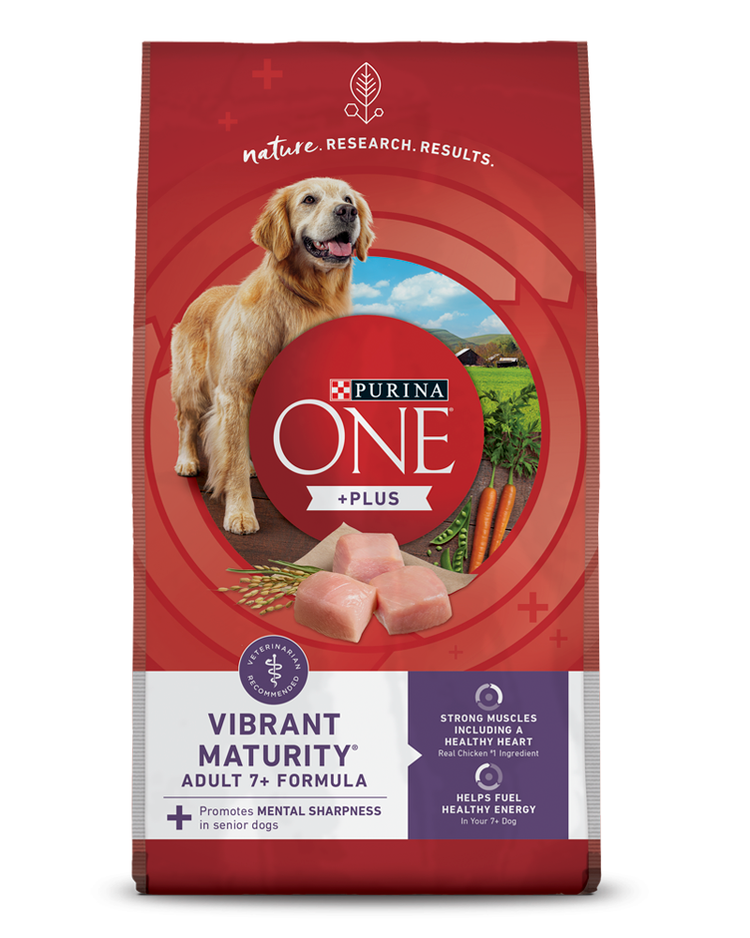
Keeping your dog on puppy food too long can cause issues too. Puppy food has more calories and fat. Adult dogs don’t need these in large amounts. This can lead to weight gain. Overweight dogs face many health risks. Joint problems and heart issues can arise. Delayed transition might also lead to nutrient imbalances. Adult dogs require different vitamins and minerals. Puppy food may not provide the right balance.
Credit: www.purina.com
How To Transition Smoothly
Switching your dog from puppy food to adult dog food requires care to avoid upsetting their stomach or causing picky eating habits. A smooth transition helps your dog adjust to new flavors and nutrients without stress. It also ensures they continue to get the right balance of food for their changing needs.
Gradual Food Mixing
Start by mixing a small amount of adult dog food with your dog’s current puppy food. Over about a week, slowly increase the proportion of adult food while decreasing puppy food.
This slow change helps your dog’s digestive system adapt without sudden shocks. If your dog shows enthusiasm for the new mix, you’re on the right track.
Monitoring Your Dog’s Reaction
Watch how your dog responds to the new food mix. Look for signs like changes in energy, stool consistency, or any digestive upset.
If your dog seems off, such as refusing food or having diarrhea, pause the transition or slow it down. Your dog’s feedback is crucial to find the right pace for switching.
Adjusting Portions
Adult dog food often has different calorie levels than puppy food. Keep an eye on your dog’s weight and energy levels during the switch.
Adjust serving sizes as needed to maintain a healthy weight. Feeding too much or too little can affect your dog’s health, so check labels and consult your vet if unsure.
Special Cases For Transition Timing
Transitioning a dog to adult food does not follow a one-size-fits-all rule. Certain factors change the ideal timing. Breed size, age, and health all influence when to switch. Paying attention to these details supports your dog’s health and growth.
Small Vs. Large Breeds
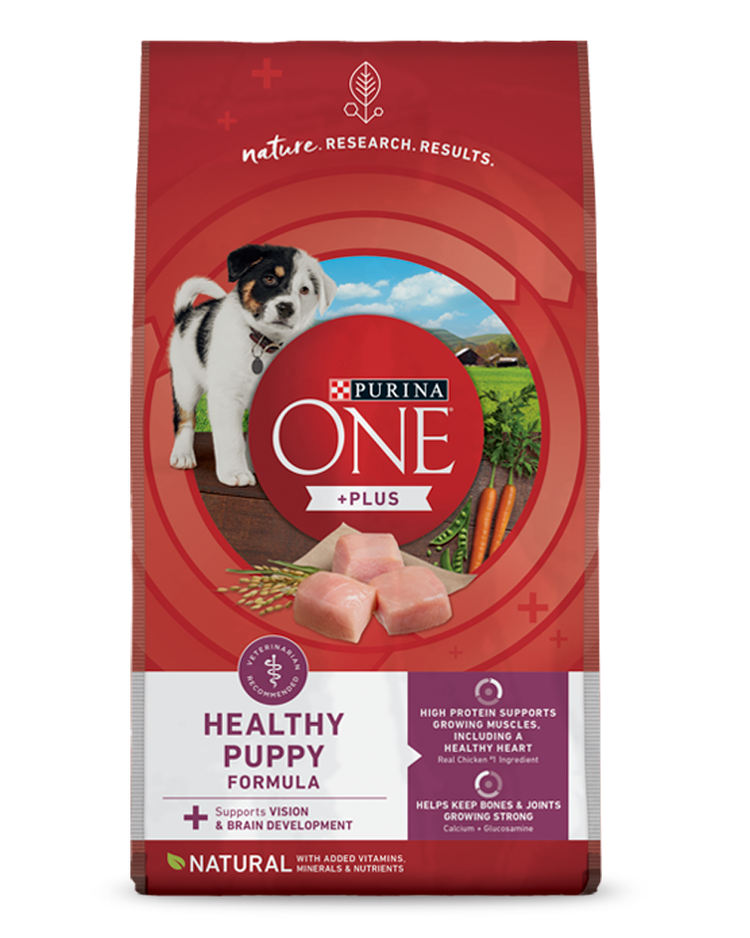
Small breeds mature faster than large breeds. They often switch to adult food around 9 to 12 months. Large breeds take longer to grow. They may need puppy food until 12 to 18 months. Large breed puppy food has special nutrients. It helps control their growth speed. This reduces joint problems later on.
Senior Dogs Switching Foods
Older dogs have different nutritional needs. Some may benefit from senior dog food. It contains fewer calories and more fiber. Switching should happen gradually. Watch for any changes in appetite or digestion. Consult a vet to find the best timing. Some senior dogs do well on adult food longer.
Dogs With Health Concerns
Health issues can affect diet choices. Dogs with allergies may need special formulas. Dogs with kidney or liver problems require tailored nutrition. Switching foods should be slow and monitored closely. Always get advice from a veterinarian. They can recommend the safest timing and type of food.
Credit: www.purina.com
Choosing The Right Adult Dog Food
Choosing the right adult dog food matters for your pet’s health and happiness. Adult dogs need balanced nutrition to stay active and strong. The right food supports their energy, digestion, and coat health. Quality ingredients make a big difference in how your dog feels each day.
Key Ingredients To Look For
- High-quality protein like chicken, beef, or fish
- Healthy fats such as omega-3 and omega-6 fatty acids
- Whole grains or vegetables for fiber and vitamins
- Essential vitamins and minerals for overall health
- Natural antioxidants to support the immune system
Avoiding Harmful Additives
Stay clear of foods with artificial colors or flavors. Avoid products with excessive fillers like corn or wheat. Watch out for preservatives such as BHA, BHT, or ethoxyquin. These can harm your dog’s health over time. Choose foods with natural ingredients and minimal additives.
Tailoring Food To Activity Level
Active dogs need more calories and protein for energy. Less active or older dogs require fewer calories to prevent weight gain. Some formulas target specific breeds or sizes for better nutrition. Match your dog’s food to their daily exercise and lifestyle. This keeps them fit and healthy.
Frequently Asked Questions
When Is The Right Age To Start Adult Dog Food?
Most dogs should transition to adult food at about 12 months. Large breeds may need adult food later, around 18-24 months. This switch supports their changing nutritional needs as they grow out of puppyhood.
How Do I Know When To Switch To Adult Dog Food?
Watch for signs like slower growth and less energy. Your vet can also recommend the best time based on your dog’s breed and health. Proper timing ensures balanced nutrition for your dog’s adult stage.
Can Switching Too Early Harm My Dog’s Health?
Yes, switching too early can cause nutritional imbalances. Puppies need higher calories and nutrients for growth. Moving to adult food too soon may stunt development or cause digestive issues.
What Are The Benefits Of Adult Dog Food?
Adult dog food is formulated to maintain weight and health. It has the right balance of proteins, fats, and vitamins for mature dogs. This helps support energy levels and overall well-being.
Conclusion
Choosing the right time to switch your dog to adult food matters a lot. Usually, dogs change to adult food between one and two years old. This helps them get the nutrients they need as they grow. Watch your dog’s size, breed, and activity to decide the best time.
Talk to your vet for advice tailored to your dog’s needs. A good diet keeps your dog healthy and happy for years to come. Remember, each dog is unique. Pay attention and make the switch when your dog is ready.