
If you have a loved one with autism, you know how important it is to provide them with extra support and comfort. Training a service dog specifically for autism can make a huge difference in their daily life.
But how do you start? What steps do you need to follow to ensure your dog becomes a reliable, calm companion? You’ll discover simple, clear methods to train a service dog that understands your unique needs. Keep reading, because the right guidance can turn your dog into a true lifesaver for your family.
Choosing The Right Service Dog
Choosing the right service dog is a vital step in training a dog for autism support. The right dog makes daily life easier and safer. It must match the needs and personality of the person it will help. Careful selection ensures a strong, trusting bond between the dog and handler. This bond improves the dog’s ability to assist effectively.
Breeds Suited For Autism Support
Certain dog breeds naturally fit autism service roles. These breeds often show calmness, intelligence, and strong social skills. Choosing a breed with these traits helps in training and support tasks.
- Labrador Retrievers: Friendly, patient, and highly trainable
- Golden Retrievers: Gentle, loyal, and easy-going
- Poodles: Intelligent, hypoallergenic, and adaptable
- Border Collies: Alert, responsive, and quick learners
Each breed offers unique strengths. Consider the person’s lifestyle and environment when selecting a breed.
Assessing Temperament And Behavior
The dog’s temperament is as important as its breed. Look for calm, steady behavior under different situations. The dog should be comfortable around people, noise, and new places.
- Observe reactions to loud sounds and sudden movements
- Check for patience and gentle interactions with children
- Ensure the dog can focus despite distractions
- Test willingness to follow commands and cooperate
A well-balanced temperament supports consistent service. Avoid dogs with anxiety or aggression. These traits can hinder training and safety.

Credit: pawswithacause.org
Basic Obedience Training
Basic obedience training lays the foundation for a service dog’s success. It ensures your dog listens and responds reliably in different environments. This training builds trust between you and your dog, which is crucial for effective service work.
Essential Commands To Teach
Start with simple commands that your dog can quickly learn and use daily. Commands like sit, stay, come, and heelare vital. These help control your dog in public and keep both of you safe.
Teach your dog to leave itand downto manage distractions and maintain calm behavior. For autism service dogs, commands such as watch mecan help maintain focus on you, especially in busy places.
Consistency And Positive Reinforcement
Consistency is key to helping your dog understand what you expect. Use the same words and gestures each time you give a command. Changing commands or cues can confuse your dog and slow progress.
Positive reinforcement works best for motivation. Reward your dog immediately with treats, praise, or play when they follow a command correctly. This encourages them to repeat good behavior and makes training enjoyable for both of you.
Think about how your dog reacts when you change rewards or commands abruptly—does it cause hesitation or confusion? Staying consistent and positive helps your dog learn faster and builds a stronger bond.
Specialized Skills For Autism
Training a service dog for autism focuses on teaching special tasks like calming anxiety and improving communication. Patience and consistency help dogs learn skills that support daily needs effectively. Early socialization and positive rewards build strong bonds and trust.
Training a service dog for autism requires specialized skills tailored to support individuals with autism spectrum disorder (ASD). These dogs are not just companions but vital partners in navigating the world with autism. By learning specific skills, they can help mitigate challenges and enhance daily life for those they assist. Let’s dive into some key skills these incredible dogs can learn to aid individuals with autism.Calming Techniques For Anxiety
Service dogs are trained to recognize anxiety signals in their handlers. They can gently nudge, lean, or provide deep pressure therapy by lying across the individual’s lap. These actions help ground and calm the person, reducing stress levels. Imagine having a loyal friend by your side who knows exactly how to soothe you when you feel overwhelmed. How might that change your experience with anxiety?Interrupting Meltdowns And Self-harm
Meltdowns can be intense and challenging to manage, but service dogs can intervene effectively. They are trained to distract or redirect their handler’s attention during a meltdown. For instance, a dog might bring a favorite toy or perform a simple trick to capture attention. This intervention can prevent self-harm and help the person regain control. Wouldn’t it be reassuring to have a trusted companion who knows just when to step in?Navigating Sensory Overload
Sensory overload is a common issue for individuals with autism, and service dogs play a crucial role in helping navigate through it. They can guide their handlers away from loud or crowded environments to quieter spaces. Additionally, some dogs are trained to block out unnecessary sensory input by providing a focus point for their handler. Consider how having a dog like this could transform an overwhelming environment into something manageable. These skills demonstrate the profound impact a service dog can have on the life of someone with autism. The bond between the dog and its handler is more than just a partnership; it’s a lifeline to a more accessible world. How do you think such skills could enhance independence and quality of life for someone with autism?Socialization And Public Access
Socialization and public access are crucial parts of training a service dog for autism. Your dog needs to stay calm and focused in various situations to provide the best support. This training helps your dog feel comfortable and confident outside your home, making public outings smoother for both of you.
Introducing New Environments
Start by taking your dog to quiet, familiar places before moving to busier areas. Let your dog explore at their own pace, rewarding calm behavior with treats or praise. Small, positive experiences build your dog’s confidence and reduce anxiety.
Try different settings like parks, stores, or public transport during off-peak hours. Notice how your dog reacts to new sights and sounds, and adjust your pace accordingly. Your goal is to create positive associations with each new environment.
Handling Crowded And Noisy Places
Crowded, noisy places can overwhelm a service dog. Begin by exposing your dog to mild noise levels and gradually increase the intensity. Use calming techniques like gentle petting or a favorite toy to help your dog stay focused.
Practice commands in busy areas to reinforce your dog’s attention on you, not distractions. If your dog shows signs of stress, take a break in a quiet spot before continuing. How will you recognize when your dog needs a pause?
Bonding And Communication
Bonding and communication form the heart of training a service dog for autism. A strong bond creates a safe space for both the dog and handler. It helps the dog understand and respond to needs quickly. Clear communication builds trust and makes daily tasks easier.
Building Trust And Connection
Trust grows through consistent care and positive interactions. Spend quiet time together to create calm moments. Use gentle tones and soft touches to comfort the dog. Reward good behavior with treats or praise. Keep routines steady; dogs thrive on predictability. Patience is key. Trust builds slowly but stays strong.
Reading Nonverbal Cues
Service dogs often communicate without words. Watch body language like tail wagging, ear position, and eye contact. Notice if the dog seems anxious or relaxed. Learn to recognize signs of stress or excitement. Respond to these signals with calm actions. This understanding improves teamwork and safety. Nonverbal communication deepens the bond and helps the dog assist better.

Credit: guidedog.org.za
Maintaining Training And Health
Training a service dog for autism does not end after initial learning. Maintaining training and health is vital to keep the dog reliable and happy. Consistent practice and good care ensure the dog performs well and stays in good shape. This section highlights key areas to focus on for ongoing success.
Regular Practice Sessions
Short, daily training sessions help the dog remember important tasks. Practice commands like “stay,” “come,” and “alert” frequently. Use positive reinforcement such as treats and praise. Keep sessions fun to avoid boredom. Gradually increase difficulty to challenge the dog. Practice in different places to build confidence and focus. This keeps the dog sharp and ready to assist at all times.
Health Care And Grooming
Regular vet check-ups are essential to spot health issues early. Keep vaccinations and flea control up to date. Brush the dog’s coat often to remove dirt and loose hair. Trim nails every few weeks to prevent discomfort. Clean ears and teeth regularly to avoid infections. Provide a balanced diet suited to the dog’s age and activity level. Good health supports the dog’s ability to work effectively and live longer.
Legal Rights And Certification
Training a service dog for autism includes understanding legal rights and certification. These ensure the dog can assist without issues in public places. Knowing the rules helps protect both the handler and the dog. Certification and documentation prove the dog’s role and training.
Service Dog Laws And Regulations
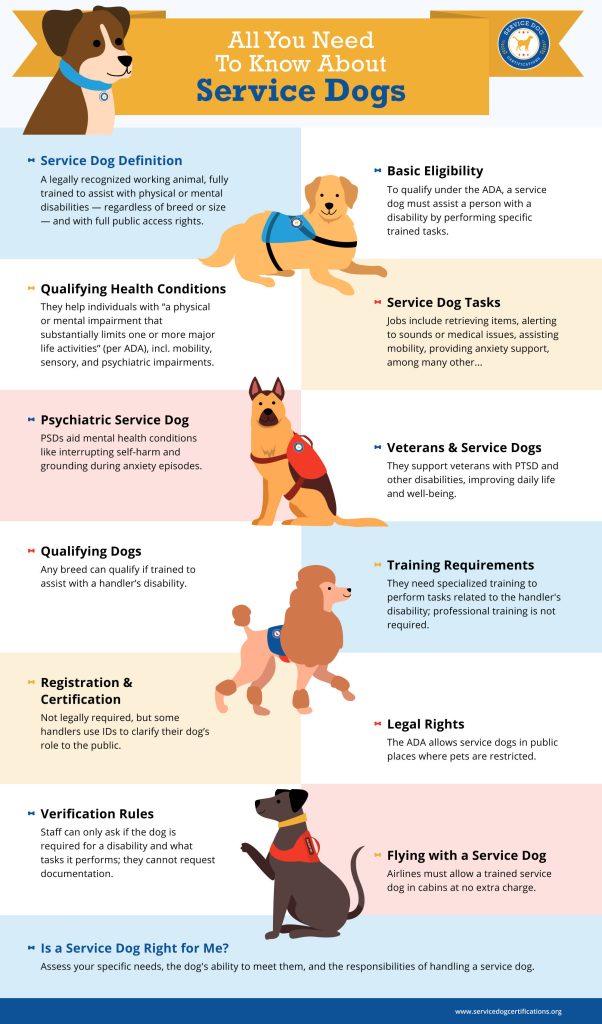
Service dogs have special protections under the law. The Americans with Disabilities Act (ADA) allows service dogs in most public areas. Businesses cannot refuse access based on the dog’s presence. The dog must be trained to perform tasks related to autism.
Other laws, like the Fair Housing Act, allow service dogs in housing without extra fees. Airlines also follow rules to allow service dogs to fly with their handlers. These laws help ensure people with autism get the support they need.
Certification And Documentation
No official national certification is required by law for service dogs. Many trainers provide certificates or ID cards for convenience. These documents help show the dog is a trained service animal.
Proper training records and a letter from a healthcare professional may also help. They confirm the need for a service dog and the dog’s abilities. Carry these papers when in public places to avoid confusion or denial.

Credit: www.youtube.com
Frequently Asked Questions
What Skills Should An Autism Service Dog Learn?
An autism service dog must learn safety, communication, and sensory support skills. They help reduce anxiety and improve social interactions. Basic obedience and public access training are essential. Specialized tasks include interrupting repetitive behaviors and providing deep pressure therapy. These skills enhance the handler’s independence and safety.
How Long Does Training A Service Dog For Autism Take?
Training typically takes 12 to 24 months. It involves socialization, obedience, and task-specific training. Consistent practice and positive reinforcement are key. The duration depends on the dog’s temperament and the handler’s needs. Ongoing training and evaluation ensure the dog’s readiness to assist effectively.
Can Anyone Train Their Own Autism Service Dog?
Yes, but it requires commitment, knowledge, and time. Proper training ensures the dog performs tasks reliably. Professional guidance is recommended for specialized skills. Dogs must be well-behaved in public and responsive to commands. Certification or documentation may be necessary for public access rights.
What Breeds Are Best For Autism Service Dogs?
Labradors, Golden Retrievers, and Poodles are popular choices. These breeds are intelligent, calm, and easy to train. Their gentle nature suits sensory and emotional support tasks. Individual temperament is more important than breed. Selecting a dog with a stable personality improves training success.
Conclusion
Training a service dog for autism takes time and patience. Start with basic commands and build trust daily. Consistent practice helps the dog learn tasks clearly. Remember, every dog learns at its own pace. A well-trained service dog can bring comfort and safety.
This bond supports both the dog and the person. Keep sessions short and positive to maintain focus. Celebrate small successes along the way. With care and effort, a service dog becomes a true helper. The journey is rewarding for both sides.