
Are you looking for a natural way to help your dog shed some extra pounds? You might have heard about raw dog food and wondered if it’s the key to effective weight loss for your furry friend.
Choosing the right diet can be confusing, especially with so many options out there. But what if feeding your dog raw food could make a real difference in their health and waistline? Keep reading to find out how raw dog food works, its benefits, and what you need to know before making the switch.
Your dog’s weight journey could start here.
Raw Dog Food Basics
Understanding the basics of raw dog food is essential if you’re considering it as a part of your dog’s diet, especially for weight loss. Raw feeding isn’t just about tossing a steak on the floor—it involves careful selection of ingredients and balanced nutrition. Let’s break down what raw dog food really means and what goes into it.
What Is Raw Dog Food?
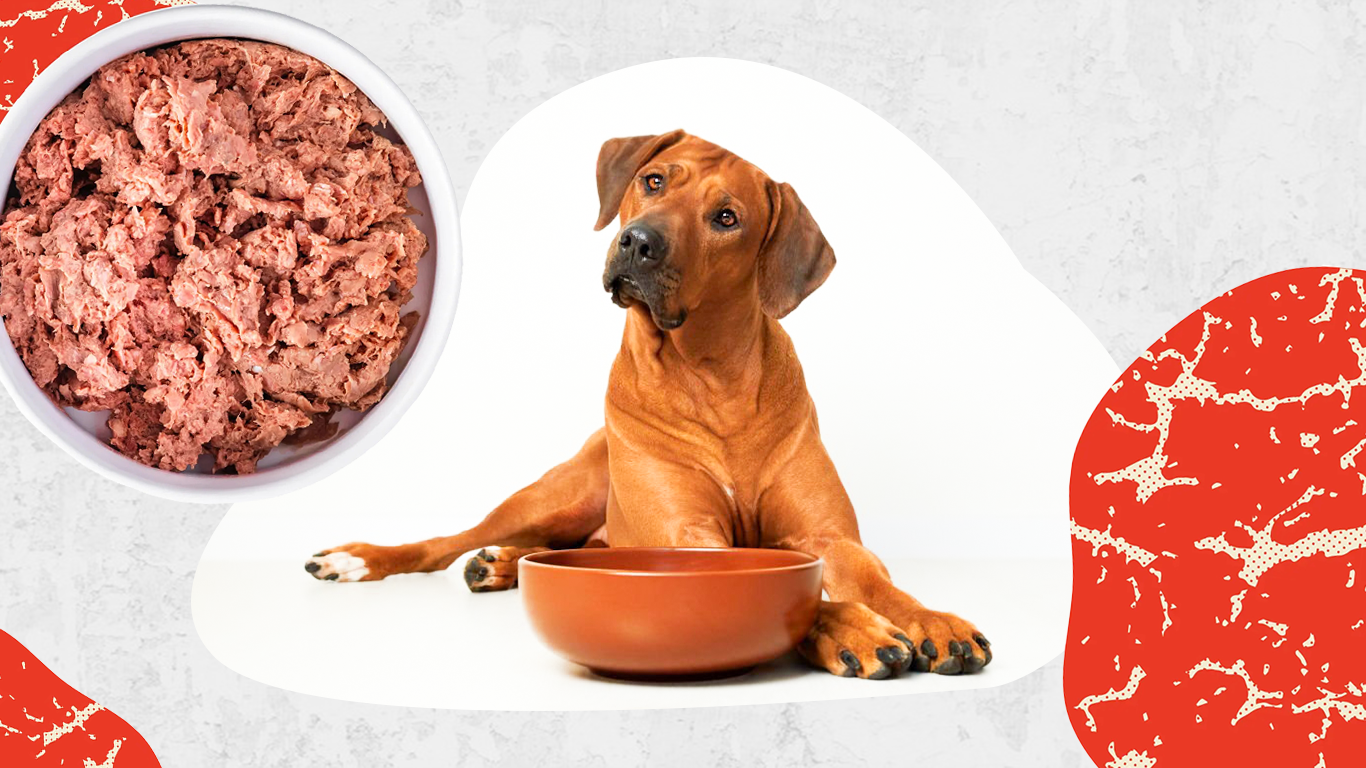
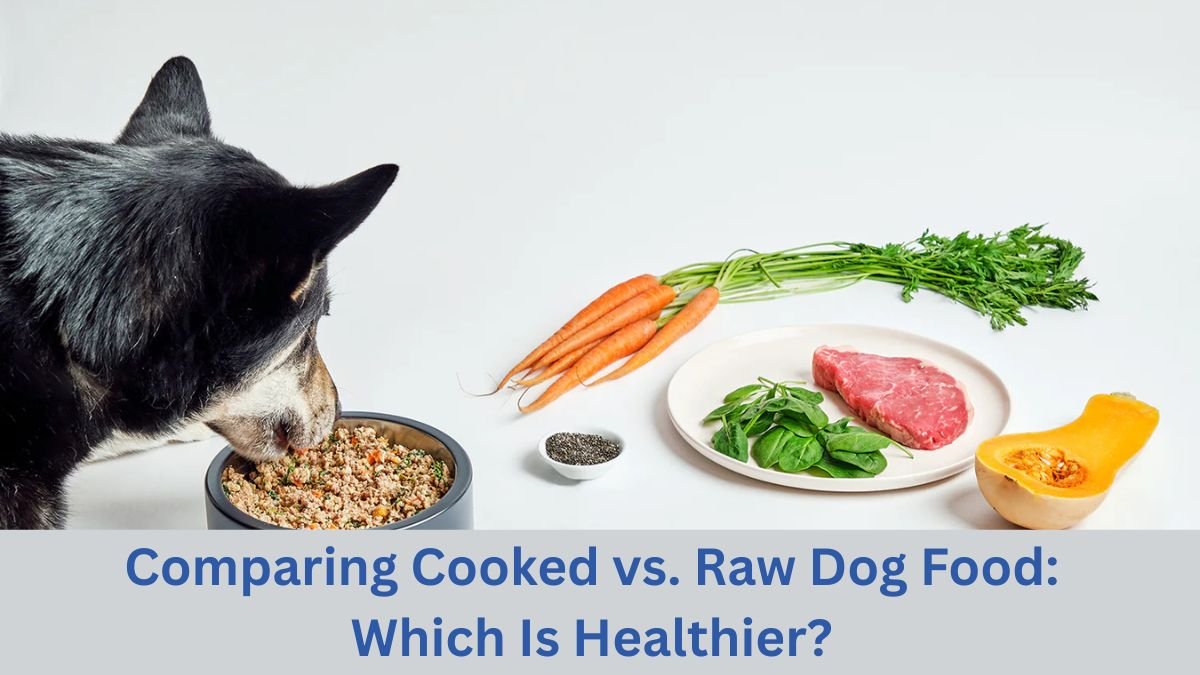
Raw dog food consists of uncooked ingredients that mimic a dog’s natural diet. It usually includes raw meat, bones, organs, and sometimes fruits and vegetables. The goal is to provide nutrients in their most natural, unprocessed form.
Many owners switch to raw food hoping to see improved energy, shinier coats, or weight loss. But have you thought about how feeding raw might affect your dog’s metabolism? It’s not just about cutting calories; it’s about feeding the right nutrients in the right balance.
Common Ingredients
Raw diets typically contain a mix of these components:
- Muscle meat:Chicken, beef, turkey, or fish provide protein and fat.
- Raw meaty bones:These supply calcium and help keep teeth healthy.
- Organs:Liver, kidney, and heart offer essential vitamins and minerals.
- Vegetables and fruits:Some owners add small amounts of pumpkin, spinach, or apples for fiber and antioxidants.
Each ingredient plays a role. For example, muscle meat fuels your dog’s energy, while organs prevent vitamin deficiencies. Have you checked your dog’s current diet to see what might be missing?
Credit: wefeedraw.com
Benefits For Weight Loss
Switching your dog to a raw food diet can have a noticeable impact on their weight. Many dog owners see positive changes that go beyond just shedding pounds. Understanding how raw dog food supports weight loss helps you make informed choices for your pet’s health.
Nutrient Density And Satiety
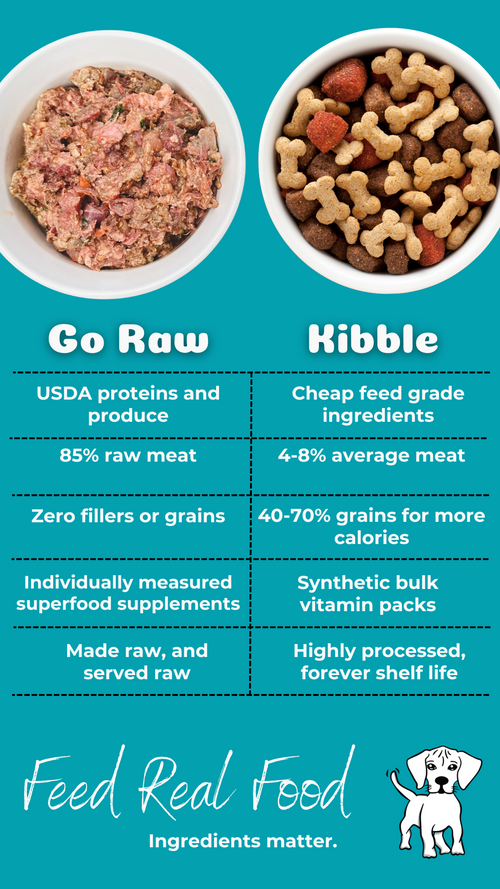
Raw dog food is packed with high-quality proteins and essential nutrients that keep your dog feeling full longer. Unlike some processed foods, raw diets often have fewer fillers, so your dog gets more nutrition with fewer calories.
I’ve noticed my dog feels satisfied after meals without begging for snacks. This helps prevent overeating and controls calorie intake naturally. Could your dog’s constant hunger be linked to the type of food they eat?
Reduced Carbohydrates
Many commercial dog foods contain high levels of carbs and grains, which can contribute to weight gain. Raw diets typically limit these ingredients, focusing on meat, bones, and vegetables instead.
Lower carbs mean your dog’s body relies more on fat and protein for energy, which can support healthier weight management. Have you checked the carbohydrate content in your dog’s current food lately?
Improved Digestion
Raw food supports better digestion by providing enzymes and natural fibers that processed foods often lack. This can help your dog absorb nutrients more efficiently, reducing bloating and discomfort.
Better digestion means your dog can maintain a healthy metabolism, which plays a crucial role in weight control. Does your dog show signs of digestive issues that might be affecting their weight?
Potential Risks And Concerns
While raw dog food diets are gaining popularity, especially for weight management, it’s crucial to consider potential risks and concerns. These diets promise benefits but aren’t without drawbacks. Being aware of these issues can help you make an informed decision for your furry friend.
Nutritional Imbalances
Raw dog food may not always provide the balanced nutrition your dog needs. Commercially prepared meals often undergo rigorous testing to ensure they meet dietary requirements. In contrast, homemade raw diets might lack essential nutrients, leading to deficiencies over time.
It’s important to consult with a veterinarian to ensure your dog’s diet is nutritionally complete. Missing out on vital nutrients can impact your dog’s health and well-being. Have you ever wondered if your dog is getting all the necessary vitamins and minerals?
Bacterial Contamination
Handling raw meat can pose a risk of bacterial contamination, not just for your dog, but for your household as well. Pathogens like Salmonella and E. coli are common in raw meat. These can cause serious health issues in both pets and humans.
Are you prepared to maintain strict hygiene standards in your kitchen? Cleaning surfaces and utensils thoroughly is essential to prevent the spread of bacteria. Consider if you’re ready to commit to these extra precautions.
Cost And Preparation Time
Raw diets can be more expensive than traditional dog foods. The cost of high-quality raw meat, fruits, and vegetables can add up quickly. This might strain your budget more than expected.
Preparation time is another factor to consider. Unlike kibble, raw diets require time to prepare and portion out correctly. Are you ready to dedicate this time each day to ensure your dog’s meals are both safe and nutritious?
Balancing these risks and concerns with the potential benefits is essential. What steps will you take to ensure your dog’s diet is safe and balanced? Your decisions today can shape your dog’s health tomorrow.
Expert Opinions
Experts offer valuable insights when it comes to raw dog food and its potential for weight loss. Their opinions vary, influenced by scientific evidence and clinical experience. Understanding these perspectives can help you decide if this diet suits your dog’s needs.
Veterinarians’ Perspectives
Many veterinarians express caution about raw diets, especially for weight loss. They highlight risks like bacterial contamination and nutrient imbalances that could harm your dog’s health. However, some vets acknowledge that, with careful planning, raw food can support lean muscle development and healthy weight management.
One vet shared how a patient with obesity improved after switching to a carefully monitored raw diet, combined with increased exercise. Yet, they stressed the importance of regular check-ups to avoid deficiencies. Would you be ready to commit to this level of oversight for your dog?
Nutritionists’ Insights
Animal nutritionists focus on the balance and quality of nutrients in raw diets. They point out that raw food can be high in protein and low in carbs, which might help dogs burn fat more effectively. Still, they warn that not all raw diets are created equal—some may lack essential vitamins or minerals.
Nutritionists recommend tailoring the raw diet specifically to your dog’s breed, age, and activity level. They suggest including organ meats and bone content to ensure a full nutrient profile. Could you manage the complexity of preparing such a diet at home?
Success Stories And Case Studies
There are numerous reports from dog owners who saw positive weight loss results with raw food. One case involved a Labrador that lost 15% of its body weight over six months after switching to raw meals and regular walks. Owners often note improved energy and coat condition alongside weight changes.
However, success stories usually come with careful portion control and vet guidance. Randomly feeding raw without structure rarely yields the same results. What steps would you take to replicate these outcomes for your dog?
Tips For Transitioning
Switching your dog to a raw food diet can feel overwhelming, especially if weight loss is your goal. The key is to make the transition smooth and safe to avoid upsetting your dog’s digestion or causing health issues. Here are some practical tips to help you make the change effectively.
Gradual Diet Changes
Start by mixing a small amount of raw food with your dog’s current diet. Increase the raw portion slowly over one to two weeks to give their digestive system time to adjust.
Sudden changes can lead to stomach upset or diarrhea, which might discourage you or your dog from continuing. Pay attention to how your dog reacts each day and slow down the transition if needed.
- Begin with 10% raw food mixed in
- Increase by 10-15% every few days
- Watch for any signs of discomfort or digestive issues
Monitoring Weight And Health
Keep a close eye on your dog’s weight and overall health during the transition. Regular weigh-ins and body condition checks help you see if the raw diet is supporting healthy weight loss.
Notice changes in energy levels, coat condition, and stool quality. These signs give you valuable feedback about how well your dog is adapting to the new diet.
| What to Monitor | Why It Matters |
|---|---|
| Weight | Ensures weight loss is steady and safe |
| Energy Levels | Indicates overall well-being |
| Coat and Skin | Reflects nutritional balance |
| Stool Quality | Shows digestive health |
Consulting Professionals
Speak with your veterinarian before making any big diet changes, especially if your dog has health conditions. A vet can help tailor the raw diet to your dog’s specific needs and weight loss goals.
Consider consulting a pet nutritionist for detailed advice on nutrient balance. Their expertise can prevent common mistakes like nutrient deficiencies or excesses.
Have you thought about what questions to ask your vet before starting the raw food diet? Preparing these will make your consultations more effective and your dog’s diet safer.
Credit: www.perfectbowl.com.au
Alternatives To Raw Diet
If you’re considering weight loss for your dog but feel unsure about a raw diet, you’re not alone. Many pet owners look for practical alternatives that balance nutrition, convenience, and effectiveness. There are several options that can help your dog shed pounds safely without relying solely on raw food.
Commercial Weight Loss Formulas
Commercial weight loss formulas are specially designed to support healthy weight management. These foods often have reduced calories but still provide essential nutrients your dog needs. They can be a great choice if you want something easy to measure and consistent in quality.
Look for products labeled “weight management” or “light,” and check the ingredient list for high-quality protein and fiber. Fiber helps your dog feel full longer, reducing overeating. Always consult your vet before switching to a weight loss formula to ensure it fits your dog’s specific needs.
Home-cooked Balanced Meals
Cooking for your dog at home lets you control every ingredient and portion size. A balanced meal includes lean proteins like chicken or turkey, vegetables such as carrots and green beans, and a small amount of complex carbs like brown rice or sweet potato.
It can be rewarding to prepare meals tailored to your dog’s preferences and dietary restrictions. Just remember, skipping essential nutrients can harm your dog’s health, so consider consulting a pet nutritionist or vet for guidance on meal planning.
Portion Control Strategies
Sometimes, it’s not just what you feed your dog but how much that matters most. Controlling portions can prevent overfeeding, which is a common cause of weight gain. Using a measuring cup or a kitchen scale helps you serve the right amount every time.
Try breaking meals into smaller, more frequent servings to keep your dog satisfied without extra calories. Have you noticed your dog begging after meals? It might be hunger or habit—adjusting portions and feeding schedules can make a big difference in their weight journey.

Credit: wefeedraw.com
Frequently Asked Questions
Is Raw Dog Food Effective For Weight Loss?
Raw dog food can aid weight loss due to its high protein and low carbohydrate content. It helps maintain lean muscle and reduces fat. However, proper portion control and balanced nutrition are essential for effective weight management.
How Does Raw Food Compare To Kibble For Weight Loss?
Raw food often contains fewer fillers and more natural nutrients than kibble. This can support better metabolism and weight control. Kibble may have higher carbs, which can lead to weight gain if overfed. Raw diets require careful planning for balanced nutrition.
Can Raw Dog Food Cause Weight Gain Instead?
Yes, if overfed or unbalanced, raw food can cause weight gain. High-fat raw diets without proper portion control may lead to excess calories. Monitoring your dog’s intake and consulting a vet ensures healthy weight management with raw food.
What Are The Benefits Of Raw Food For Obese Dogs?
Raw food offers lean proteins and fewer carbs, aiding fat loss. It can improve digestion and energy levels in overweight dogs. Raw diets also promote muscle retention during weight loss, supporting overall health and vitality.
Conclusion
Raw dog food can help with weight loss by offering natural nutrients. It often contains fewer fillers and less fat than some commercial diets. Dogs may feel fuller with fewer calories, supporting healthy weight loss. Always consult your vet before changing your dog’s diet.
Watch your dog’s weight and health closely during the transition. Not every dog reacts the same way to raw food. Balance and care make the difference in any diet plan. Weight loss takes time and patience for lasting results.