
If you want a loyal running partner who keeps up with your pace and shares your love for the outdoors, training your dog to run with you is the perfect goal. But how do you make sure your furry friend stays safe, motivated, and happy while jogging by your side?
This guide will show you simple, effective steps to build your dog’s stamina, teach good running habits, and turn every run into a fun adventure for both of you. Keep reading to discover how to make running together a rewarding experience that strengthens your bond and keeps you both healthy.

Credit: zigzag.dog
Benefits Of Running With Your Dog
Running with your dog offers many benefits for both of you. It keeps you active and healthy while giving your dog a fun exercise routine. This shared activity also helps build a stronger connection and keeps your dog’s mind sharp. Below are some key benefits of running with your dog.
Physical Health Gains
Running improves cardiovascular health for both you and your dog. It helps burn calories and maintain a healthy weight. Regular running strengthens muscles and joints. Your dog gains better stamina and energy levels. Exercise reduces the risk of obesity and related diseases.
Strengthening The Bond
Running together creates shared experiences and trust. It builds teamwork and communication between you and your dog. This activity increases your dog’s loyalty and affection. Spending quality time outside improves your relationship. Your dog learns to follow commands better during runs.
Mental Stimulation
Running exposes your dog to new sights and smells. It helps reduce boredom and destructive behavior. The activity challenges your dog’s focus and discipline. Mental exercise improves your dog’s overall happiness. A stimulated dog is calmer and less anxious at home.
Choosing The Right Gear
Choosing the right gear is essential for running safely and comfortably with your dog. The right equipment protects both of you and makes the run more enjoyable. It helps control your dog while allowing freedom of movement.
Proper gear reduces injury risks and keeps your dog motivated. It also supports good training habits. Focus on comfort, fit, and durability when selecting gear for running sessions.
Selecting A Comfortable Leash
A comfortable leash keeps your dog close without pulling too hard. Choose a leash made from strong, lightweight materials like nylon or biothane. It should be easy to grip and not cause hand strain.
- Consider a leash with a padded handle for comfort.
- Adjustable length helps in crowded or open spaces.
- Reflective stitching improves visibility during early morning or evening runs.
Best Harness Types For Running
Harnesses offer better control than collars and prevent neck injuries. Look for harnesses designed for active dogs. They should fit snugly but not restrict movement.
- Front-clip harnesses reduce pulling and improve steering.
- Back-clip harnesses are good for calm dogs and short runs.
- Step-in harnesses are easy to put on and take off.
Proper Running Shoes For Dogs
Running shoes protect your dog’s paws from rough terrain and hot pavement. Choose shoes with good traction and durable soles. They should fit well and stay on during the run.
- Look for breathable materials to keep paws cool.
- Adjustable straps ensure a secure fit.
- Test shoes on short walks before running.
Preparing Your Dog For Running
Start by building your dog’s stamina with short, slow runs. Use positive rewards to encourage steady pacing and good behavior. Gradually increase distance and speed as your dog gets comfortable running alongside you.
Preparing Your Dog for Running Before you lace up those running shoes and hit the trail with your furry friend, it’s essential to ensure your dog is ready for the challenge. Running is a high-impact activity that can be hard on both of you if not approached correctly. By taking the time to prepare your dog, you can foster a positive and safe running experience for both of you.Assessing Your Dog’s Fitness
It’s crucial to evaluate your dog’s current fitness level. Not every breed or individual dog is naturally suited for long-distance running. Consult with your veterinarian to ensure your dog is physically capable of taking on this new activity. Consider your dog’s age, breed, and any existing health issues. A young, energetic Labrador might be ready to run sooner than an older Dachshund. Understanding your dog’s limitations can prevent injuries and keep running enjoyable.Starting With Short Walks
Begin with short, leisurely walks to familiarize your dog with the routine. These walks help build a foundation of endurance and discipline. Use this time to teach basic leash manners, as pulling or darting can be dangerous during a run. During walks, observe how your dog reacts to different environments. Does he get distracted easily? Is he comfortable around traffic or other runners? Identifying these behaviors early helps you tailor training sessions to address specific challenges.Gradual Increase In Distance
Once your dog is comfortable with walking, you can start increasing the distance gradually. Begin by adding a few minutes to each walk, slowly transitioning into a light jog. Consistency is key—aim for small increments to build stamina without overwhelming your dog. Keep an eye on your dog’s body language. Is he panting excessively or lagging behind? These signs indicate it might be time to take a break or slow down. Remember, progress should be steady but not forced. Training your dog to run with you is a rewarding journey. How will you both adapt and grow through this experience?
Credit: ruffwear.com
Training Techniques For Running
Training your dog to run with you requires patience, consistency, and clear communication. The right techniques help your dog stay safe, enjoy the run, and keep pace without pulling or lagging behind. Focus on building a solid foundation with obedience, then fine-tune your teamwork through pacing and distraction management.
Basic Obedience Commands
Before hitting the trail, your dog needs to master basic commands like sit, stay, and heel. These commands keep your dog controlled and responsive during the run. Practice these commands in short sessions and gradually add distractions like other people or dogs to simulate running conditions.
Teaching your dog to respond immediately to a stop or slow-down command can prevent accidents. For example, use a clear word like “easy” or “slow” to signal when you want to reduce speed. Repetition and positive reinforcement are key here—reward your dog with treats or praise when they obey promptly.
Pacing And Synchronization
Matching your dog’s pace with yours is essential to avoid strain or injury. Start with short runs at a comfortable speed for your dog, and watch their body language closely. Are they panting excessively or lagging behind? Adjust your speed accordingly.
You can teach your dog to run beside you rather than pulling ahead or falling behind by using a loose leash technique. Hold the leash with a relaxed grip and gently guide your dog’s position as you run. If your dog pulls, stop running until they return to your side—this helps them learn that pulling won’t get them anywhere faster.
Handling Distractions
Running outside means your dog will face many distractions—squirrels, other dogs, or loud noises. Teaching your dog to stay focused on you amid these distractions takes time. Use consistent verbal cues like “watch me” to redirect their attention back to you.
Start training in quiet areas and slowly introduce more distractions as your dog improves. Carry high-value treats to reward your dog each time they ignore distractions. Have you noticed how quickly dogs can pick up on your frustration? Keeping calm and consistent helps maintain their focus better than yelling or pulling.
Safety Tips During Runs
Running with your dog can be a rewarding experience, but safety should always come first. Both you and your furry friend need proper care to enjoy the run and avoid injuries or health issues. Paying attention to key safety tips can make your runs more enjoyable and stress-free.
Hydration For You And Your Dog
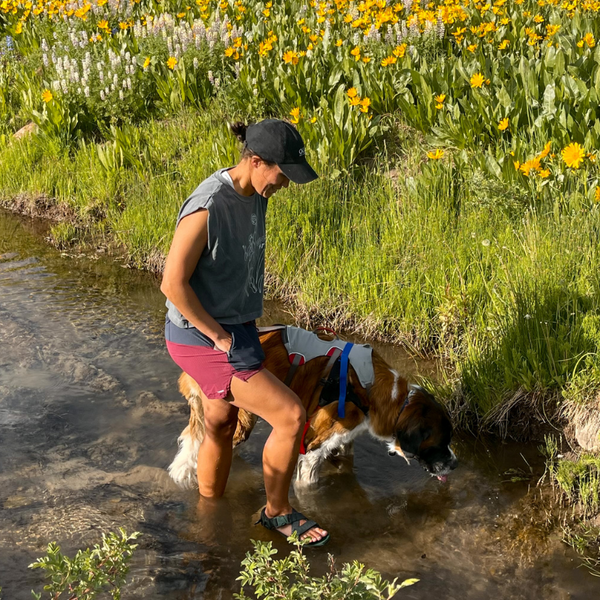
Keeping hydrated is essential for both you and your dog during runs. Carry water and a portable bowl so your dog can drink whenever needed. Don’t wait until either of you feels thirsty—drink water at regular intervals to maintain energy and prevent dehydration.
Notice if your dog is panting heavily or slowing down; these signs mean it’s time to stop and hydrate. I once underestimated hydration needs during a summer run, and my dog quickly showed signs of exhaustion. Now, I always bring water along, and it makes a big difference.
Avoiding Overheating
Running in hot weather can be dangerous for dogs. Choose cooler times of the day like early morning or late evening to avoid heat stress. Watch your dog closely for symptoms like excessive panting, drooling, or weakness.
Wear light-colored, breathable clothes yourself to stay cool. If your dog has a thick coat, consider trimming it or using cooling vests designed for dogs. Do you know the signs that your dog might be overheating before it becomes serious?
Safe Running Routes
Select routes that are safe and dog-friendly. Avoid busy streets with heavy traffic or rough terrain that could injure your dog’s paws. Parks, trails with soft surfaces, or quiet neighborhoods are ideal choices.
Check the ground temperature before running; hot pavement can burn your dog’s paws. If your dog is new to running, start slow on flat, familiar paths to build confidence and stamina. Have you mapped out a route that balances safety and fun for both of you?
Troubleshooting Common Issues
Training your dog to run with you can be a fun way to exercise together. Challenges may arise during training. Troubleshooting common issues helps keep runs smooth and enjoyable. Understanding these problems lets you find quick solutions and improve your dog’s running habits.
Dealing With Pulling
Pulling on the leash is a common problem during runs. It can cause discomfort and make running unsafe. Use a no-pull harness to reduce strain on your dog’s neck. Teach your dog to stay beside you using treats and praise. Stop running when pulling starts and resume only when your dog calms down. This way, your dog learns that pulling ends the fun.
Managing Fatigue
Dogs can get tired quickly, especially if they are new to running. Watch for signs like heavy panting or slowing down. Start with short runs to build endurance. Allow breaks for water and rest. Avoid running in hot weather to prevent overheating. Adjust the pace to match your dog’s fitness level. Gradually increase distance and speed over time.
Addressing Behavioral Problems
Some dogs may show fear or distraction during runs. Loud noises or other animals can cause anxiety. Use a calm voice to reassure your dog. Bring favorite toys or treats to keep focus. Train in quiet, familiar areas before trying busy routes. Consistent training helps reduce unwanted behaviors. Patience and positive reinforcement are key to success.
Advanced Running Tips
Advanced running tips help you and your dog improve endurance and enjoy every run. These techniques build strength, speed, and stamina for both of you. Training beyond the basics creates a stronger bond and keeps exercise fun.
Interval Training With Your Dog
Interval training mixes short bursts of fast running with slower recovery periods. It boosts your dog’s fitness and keeps them engaged. Start with a warm-up walk, then run fast for 30 seconds. Follow with a slow jog or walk for one to two minutes. Repeat this cycle for 15 to 20 minutes. Watch your dog’s energy and adjust pace accordingly. This method increases speed and endurance gradually.
Running On Different Terrains
Running on varied surfaces challenges your dog’s muscles and joints. Try grass, dirt trails, sand, and pavement. Soft surfaces reduce impact, while harder ones build paw strength. Change terrain to prevent boredom and injury. Check paws after each run for cuts or soreness. Avoid hot pavement to protect your dog’s paws. Uneven trails improve balance and coordination for both of you.
Incorporating Rest Days
Rest days are vital for recovery and injury prevention. Your dog needs time to heal muscles and regain energy. Plan at least one or two rest days weekly. Use these days for gentle walks or playtime instead of running. Watch for signs of fatigue or soreness. Proper rest helps maintain long-term health and keeps running enjoyable.
Credit: ruffwear.com
Frequently Asked Questions
How Do I Start Training My Dog To Run With Me?
Begin by teaching basic commands like “heel” and “stay. ” Start with short walks, gradually increasing pace. Use positive reinforcement to encourage good behavior and ensure your dog is comfortable before running longer distances.
What Equipment Do I Need For Running With My Dog?
Use a sturdy harness and a hands-free leash for better control. Avoid retractable leashes to prevent accidents. Carry water for both you and your dog, and consider reflective gear for safety during low-light runs.
How Can I Keep My Dog Motivated During Runs?
Use treats and praise to reward your dog frequently. Change routes to keep runs interesting. Incorporate play breaks to maintain enthusiasm. Always monitor your dog’s energy and avoid overexertion to keep running enjoyable.
When Is The Best Age To Start Running With A Dog?
Wait until your dog is fully grown, usually after 12-18 months. Young dogs’ bones and joints are still developing, so avoid strenuous activity. Consult your vet to ensure your dog is physically ready for running.
Conclusion
Training your dog to run with you takes time and patience. Start slow and keep sessions short. Praise your dog often to build good habits. Watch your dog’s comfort and energy levels closely. Running together can improve both your health and bond.
Stay consistent, and enjoy each step of progress. Your dog will soon love running by your side. Keep safety in mind, and have fun outdoors!