Does your dog keep chasing your cat, turning peaceful moments into stressful ones? You’re not alone, and the good news is, you can change this behavior.
Imagine a home where your dog and cat coexist calmly, without constant chasing or tension. You’ll discover simple, effective steps to train your dog not to chase your cat. Stick with me, and you’ll learn how to create a safer, happier environment for both your furry friends—starting today.
Why Dogs Chase Cats
Understanding why dogs chase cats is key to changing this behavior. It’s not just about mischief or dislike; deeper reasons drive this natural reaction. Once you know why your dog acts this way, you can better guide them toward peaceful coexistence.
Instinct And Prey Drive
Dogs have a natural hunting instinct called prey drive. This means they’re wired to chase moving animals, especially smaller ones like cats. Even if your dog is well-fed and loved, this instinct can trigger a chase when a cat darts across their path.
Think about a time when you saw your dog’s eyes fixate and their muscles tense as a cat ran by. That’s prey drive kicking in. Recognizing this helps you see that the chase isn’t personal—it’s instinct.
Lack Of Socialization
Dogs that haven’t met cats during their early months often react with excitement or fear. This unfamiliarity can lead to chasing, either out of curiosity or a desire to assert control. Dogs need positive experiences with cats to learn calm behavior.
If your dog barks or lunges at every cat they see, ask yourself: have they had enough safe, supervised interactions with cats? Socialization shapes how your dog views and responds to other animals.
Territorial Behavior
Dogs can see cats as intruders in their space. This triggers a protective reaction, making them chase the cat to defend their territory. The yard, home, or even your lap can feel like territory your dog wants to guard.
Consider how your dog acts when a cat enters your yard. Are they alert, growling, or trying to push the cat away? Understanding this helps you manage boundaries and reduce territorial chasing.
:strip_icc()/how_to_train_your_dog_to_sit_1117306_1599-47e4cccf366d48ddb22b2109efb87e53.jpg)
Credit: www.thesprucepets.com
Preparing For Training
Preparing for training your dog not to chase the cat sets the foundation for success. It helps avoid frustration and keeps both pets safe. Begin by understanding your dog’s personality. Then, create a calm, secure space for training. Finally, gather all tools needed to make sessions smooth and effective.
Assessing Your Dog’s Temperament
Know how your dog reacts to cats and other animals. Some dogs have strong prey drives. Others may be curious but gentle. Watch your dog’s body language during encounters. Note signs like barking, lunging, or chasing. This insight guides your training approach and timing.
Creating A Safe Environment
Choose a quiet, controlled area for training sessions. Remove distractions that might trigger chasing. Use gates or leashes to separate pets at first. Ensure the cat has hiding spots to feel secure. Safety reduces stress for both animals and helps focus on learning.
Gathering Training Tools
Prepare items that support positive training. Essentials include:
- Leash and collar for controlling your dog
- Treats to reward good behavior
- Clicker or marker to mark successes
- Toys to redirect your dog’s attention
- Baby gates or barriers for separation
Having these ready makes training consistent and effective.
Basic Obedience Commands
Teaching your dog basic obedience commands like “sit,” “stay,” and “leave it” helps control chasing behavior. Consistent training and rewards encourage your dog to ignore the cat and focus on you instead. Patience and practice make a calm home for both pets.
Training your dog to resist the temptation of chasing cats requires a foundation in basic obedience commands. These commands serve as crucial tools, helping you communicate effectively with your dog. They establish boundaries and create a safer environment for both your dog and any cats they might encounter. Let’s explore how you can teach these essential commands.Teaching Sit And Stay
The “sit” and “stay” commands are fundamental. Start by holding a treat close to your dog’s nose. Move your hand upward, causing them to follow the treat and naturally lower into a sitting position. Once they sit, reward them immediately. To teach “stay,” ask your dog to sit first. Then open your palm in front of their face, like a stop sign, and say “stay.” Take a step back. If they remain, reward them with a treat. Gradually increase the distance and duration. How long can your dog stay without moving?Mastering Recall
“Recall” is the art of getting your dog to come to you when called. Use a happy, inviting tone when calling your dog by name followed by “come!” Start in a distraction-free environment. Reward them lavishly when they respond. Practicing this command in various settings strengthens their response. Imagine the relief when your dog listens, even with a cat nearby!Using Leave It Command
Teaching “leave it” empowers your dog to ignore distractions. Begin by placing a treat in each hand. Show them one closed fist with a treat inside and say “leave it.” Ignore any attempts to get the treat. Once they stop trying, reward them with the treat from the other hand. Repeat this process, gradually introducing real-life situations. Can your dog resist the allure of the forbidden treat—or a cat? By mastering these basic commands, you’re not only training your dog but also enhancing your bond. What challenges do you face in training your dog not to chase cats?:strip_icc()/how_to_train_dog_to_stay_1117308_2937-b8b120370ea049dc8ec1322bf2fce341.jpg)
Credit: www.thesprucepets.com
Introducing Dog To Cat Safely
Introducing your dog to a cat requires patience and careful planning. The goal is to create a calm and safe environment where both animals feel secure. Taking it slow helps prevent fear or aggression, making the process smoother for you and your pets.
Controlled Initial Meetings
Start with short, calm introductions in a quiet room. Keep your dog relaxed by giving treats and praise for calm behavior. Let the cat explore at its own pace without forcing interaction.
Try to avoid eye contact between them at first, as it can trigger chasing instincts in dogs. Instead, focus your dog’s attention on you or a toy. These controlled moments build positive associations and reduce tension.
Using Leash And Barriers
Leashing your dog during first meetings gives you control and prevents sudden lunges. A leash helps you quickly correct any chasing attempts or overexcitement.
Use physical barriers like baby gates or crates to separate them while allowing sight and smell. This setup lets your dog and cat get used to each other safely before direct contact.
Barrier introductions also give your cat a safe retreat, making it less likely to feel threatened. Have these sessions multiple times daily, gradually increasing their duration.
Reading Body Language
Watch closely for signs of stress or aggression from both pets. A stiff dog, raised hackles, or intense staring can mean it’s time to pause the introduction.
Cats may hiss, flatten ears, or puff up their fur when scared. If you notice these signals, separate them and try again later with more distance or distractions.
Understanding these cues helps you intervene before chasing starts. Have you noticed your dog’s tail wagging differently when it sees the cat? That subtle clue can tell you a lot about their mood.
Redirecting Chase Behavior
Redirecting your dog’s chase behavior is key to keeping peace between your pets. Instead of letting the chase continue, you can guide your dog’s attention elsewhere. This approach not only stops the unwanted behavior but also strengthens your control and your dog’s focus on you.
Distraction Techniques
Use toys or treats to pull your dog’s attention away from the cat. A sudden squeaky toy or a favorite chew can shift their focus instantly.
If your dog starts to chase, call them by name and offer a fun game or a quick training command they know well. This quick distraction breaks the chase cycle.
Have these distractions ready before any interaction to prevent the chase from starting. What other objects or activities does your dog love that could serve as a distraction?
Positive Reinforcement
Reward your dog every time they ignore the cat or respond to your commands instead of chasing. Use treats, praise, or petting to show them they made the right choice.
Consistency is crucial here. Even small successes, like looking away from the cat, deserve recognition.
Think about moments when your dog surprised you by behaving well. How did you reward them? Use that experience to build a strong connection between good behavior and positive outcomes.
Consistent Correction
Set clear boundaries for your dog with gentle but firm corrections when they start to chase. Use a calm but serious tone to say “No” or “Leave it.”
A quick leash tug or redirecting their attention to you can stop the chase early. Avoid yelling or harsh punishment, which can increase anxiety or aggression.
Are you consistent every time your dog chases? Without steady correction, your dog may get mixed messages about what is acceptable behavior.
Advanced Training Strategies
Advanced training strategies help reduce your dog’s instinct to chase cats. These techniques focus on changing your dog’s natural reactions. They build calm behavior and positive associations around cats. Consistency and patience are key to success.
Desensitization And Counterconditioning
Desensitization means slowly exposing your dog to cats at a low intensity. Start at a distance where your dog stays calm. Gradually decrease the distance over time. Counterconditioning pairs the presence of cats with good things. Offer treats or praise when your dog notices a cat without chasing. These steps change your dog’s feelings from excitement or fear to calmness.
Using Clicker Training
Clicker training uses a small device that makes a clicking sound. Click the device the moment your dog shows calm behavior near a cat. Follow the click with a treat to reward good behavior. This technique helps your dog understand exactly what behavior you want. It improves focus and speeds up learning. Practice in short sessions to keep your dog interested.
Professional Training Support
Professional trainers offer expert guidance tailored to your dog’s needs. They can spot issues you might miss. Trainers use proven methods to manage chasing behavior. Group classes or private sessions provide socialization and control skills. Working with a professional helps ensure lasting results. Seek a trainer with experience in dog-cat introductions.
Maintaining Long-term Harmony
Keeping peace between your dog and cat over time takes consistent effort. Training them not to chase each other is just the beginning. Maintaining long-term harmony requires daily attention and thoughtful actions to ensure they coexist comfortably.
Regular Supervision
Even after your dog learns not to chase your cat, supervision remains essential. Watch their interactions closely, especially in new environments or when visitors are around. This helps you catch any signs of tension early and intervene before problems escalate.
Think about your own experiences: have you ever ignored a small warning sign only to face bigger issues later? Staying alert lets you prevent those moments and keeps your pets safe.
Ongoing Socialization
Socializing your dog and cat regularly helps maintain their comfort around each other. Introduce new sounds, smells, and situations gradually to reduce stress. Take time for joint play sessions where both animals feel included and relaxed.
Ask yourself: Are your pets growing more confident together, or do they still show signs of anxiety? Adjust your socialization approach based on their reactions to keep progress steady.
Rewarding Calm Behavior
Positive reinforcement is key to long-term success. Praise and reward your dog whenever it remains calm around the cat. Use treats, gentle petting, or a favorite toy to show that peaceful behavior brings benefits.
This encourages your dog to repeat good behavior. Have you noticed how a simple reward can change your pet’s attitude quickly? Consistent encouragement builds a lasting habit of calmness and respect.

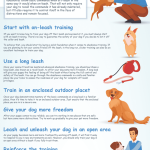
Credit: bestfriends.org
Frequently Asked Questions
How Can I Stop My Dog From Chasing Cats?
Use consistent training with commands like “leave it” and “stay. ” Reward calm behavior around cats. Gradually expose your dog to cats while on a leash to control chasing urges.
Why Do Dogs Chase Cats Instinctively?
Dogs have a natural prey drive that triggers chasing smaller animals. This instinct varies by breed and individual temperament. Training helps manage and redirect this behavior effectively.
What Training Methods Work Best To Prevent Chasing?
Positive reinforcement, leash training, and distraction techniques work well. Use treats and praise to reward good behavior. Avoid punishment, as it can increase anxiety and chasing tendencies.
How Long Does It Take To Train A Dog Not To Chase Cats?
Training duration varies by dog, but consistent daily practice helps. Most dogs show improvement within a few weeks. Patience and persistence are key to long-term success.
Conclusion
Training your dog not to chase your cat takes time and patience. Use clear commands and reward good behavior often. Keep your dog and cat safe by supervising their interactions. Small steps every day help build trust between them. Stay calm and consistent during training sessions.
Remember, both pets need to feel comfortable and secure. With love and practice, they can live peacefully together. The key is patience and kindness in every step.