

Are you struggling to get your dog to listen? Imagine having a simple guide that turns your furry friend into a well-behaved companion.
The right book can make training easier, faster, and even fun for both of you. You’ll discover how to choose and use the perfect “How to Train Your Dog” book to unlock your dog’s potential. Keep reading to find out the secrets that can transform your training experience!
Choosing The Right Training Book
Choosing the right training book can make a huge difference in how quickly and effectively you teach your dog new skills. Not every book suits every dog or owner, so it’s essential to pick one that fits your specific needs. Think about your dog’s personality, your training goals, and your preferred learning style as you decide.
Factors To Consider
Look for books that match your dog’s age, breed, and temperament. Some dogs respond better to gentle, reward-based methods, while others might need firmer guidance.
Check if the book explains techniques clearly with step-by-step instructions and pictures. Does it address common challenges you face, like leash pulling or house training?
Also, consider your own experience level. If you’re new to dog training, a beginner-friendly book with simple language and basic commands is more helpful than an advanced manual.
Popular Training Books
- “The Art of Raising a Puppy” by The Monks of New Skete– Loved for its balance of kindness and discipline, perfect for first-time dog owners.
- “Don’t Shoot the Dog!” by Karen Pryor– Focuses on positive reinforcement and is great if you want to avoid harsh methods.
- “How to Raise the Perfect Dog” by Cesar Millan– Offers practical insights from a well-known dog behaviorist, especially useful for addressing behavioral issues.
Have you ever noticed how some training books feel like they speak directly to your situation? That’s the kind you want.
Books For Different Dog Breeds
Different breeds have unique traits and needs. A herding dog like a Border Collie may require a book that emphasizes mental stimulation and advanced commands.
On the other hand, a stubborn breed like a Bulldog benefits from training approaches that focus on patience and consistency.
Specialized breed books offer tailored advice, such as exercise needs, temperament traits, and breed-specific challenges.
Choosing a breed-specific guide can save you time and frustration by addressing your dog’s natural instincts right from the start.

Credit: www.hoopladigital.com
Basic Training Techniques
Training your dog starts with mastering a few basic techniques that build a strong foundation. These methods help your dog understand what you expect and make learning enjoyable for both of you. Let’s dive into some essential approaches that can transform your training sessions into effective and fun experiences.
Positive Reinforcement
Positive reinforcement means rewarding your dog when they do something right. This could be treats, praise, or a favorite toy. By giving your dog something they like, you encourage them to repeat good behavior.
Try to reward immediately after the behavior so your dog connects the action with the reward. It’s powerful and builds trust between you and your dog. Have you noticed how a simple “good job” can light up your dog’s eyes?
Clicker Training
Clicker training uses a small device that makes a clicking sound to mark the exact moment your dog performs the right behavior. This sound tells your dog they did something correct and that a reward is coming.
It’s especially helpful for teaching complex tricks or commands because it provides clear, consistent communication. Many trainers find that dogs learn faster with clicker training, but it requires practice to time the clicks just right. Have you tried using sound cues to improve your dog’s focus?
Consistency And Patience
Consistency means using the same commands and rewards every time your dog learns something new. Dogs thrive on routine; confusing signals can slow progress. Make sure everyone in your household uses the same words and gestures.
Patience is key because dogs don’t learn overnight. Some days will be better than others, and that’s okay. Ask yourself if you’re giving your dog enough time to understand and respond before moving on.
Advanced Training Methods
Advanced training methods in the book focus on clear commands and positive rewards. These techniques help dogs learn faster and behave better. Consistent practice builds a strong bond between you and your dog.
Advanced training methods in dog training elevate your furry friend’s skills beyond basic commands. These techniques not only sharpen your dog’s abilities but also deepen the bond you share. Whether it’s agility, obedience, or behavior correction, mastering these areas can transform your dog into a well-rounded companion.Agility Training
Agility training is a fantastic way to challenge both the mind and body of your dog. By setting up an obstacle course, you can encourage your dog to jump, weave, and navigate through various challenges. This activity not only boosts physical fitness but also enhances mental agility. Imagine the joy of watching your dog confidently tackle a course, their tail wagging in excitement. You can start with simple setups in your backyard using cones or hoops. As your dog progresses, increase the complexity and see how quickly they adapt.Obedience Commands
Obedience commands are crucial for effective communication with your dog. Advanced commands like “stay,” “heel,” and “come” can make everyday interactions smoother and safer. Consistent practice is key to mastering these commands. Consider incorporating hand signals alongside verbal cues for better clarity. Dogs are incredibly adept at reading body language, which can strengthen their understanding. Rewarding good behavior with treats or praise will reinforce positive learning.Behavior Correction
Behavior correction focuses on addressing unwanted habits that your dog may have developed. Whether it’s excessive barking, digging, or jumping, understanding the root cause is essential. Patience and consistency are your best allies in this process. Redirect your dog’s attention to more desirable behaviors by using toys or treats. For instance, if your dog tends to jump on guests, teaching them to sit instead can prevent this. Remember, every dog is unique, and what works for one might not work for another.Training Tools And Equipment
Training tools and equipment help make dog training easier and more effective. These items support good behavior and help your dog learn commands faster. Choosing the right tools is important for safety and success.
Leashes And Collars
Leashes control your dog’s movement during training sessions. A standard leash about 4 to 6 feet long works well. Collars come in many types, like flat, martingale, or head collars. Flat collars are simple and safe for everyday use. Martingale collars prevent dogs from slipping out. Head collars guide your dog’s head gently. Choose collars that fit well and feel comfortable.
Training Treats
Tasty treats motivate dogs to follow commands. Use small, soft treats that your dog loves. Treats should be easy to chew and swallow quickly. Avoid giving too many at once to prevent weight gain. Keep treats handy during training for immediate rewards. This helps dogs understand which behavior is right.
Toys And Clickers
Toys can make training fun and keep your dog interested. Use toys your dog enjoys, like balls or tug ropes. Clickers give a clear sound to mark good behavior. The click sound helps dogs connect actions to rewards. Use a clicker right before giving a treat. This builds a strong, positive training signal.
Common Training Challenges
Training a dog involves many challenges that owners often face. These challenges can slow progress and cause frustration. Understanding common training problems helps in finding the right solutions. This section highlights key issues and tips to overcome them.
Dealing With Distractions
Dogs easily lose focus when distractions appear. Noises, other animals, or people can draw their attention away. Training in quiet places first can help build focus. Gradually add distractions to teach your dog to stay attentive. Consistent practice with short sessions works best.
Managing Aggression
Aggression can show in many ways like growling or biting. It is important to identify triggers early. Avoid punishments that increase fear or anger. Use calm, firm commands and reward good behavior. Seek help from a professional if aggression worsens.
Handling Separation Anxiety
Separation anxiety causes dogs to feel stressed alone. They may bark, whine, or destroy items. Start by leaving your dog alone for short times. Give toys or treats to keep them busy. Create a safe, comfortable space and keep goodbyes calm and quick.

Credit: www.amazon.ca
Training Puppies Vs. Adult Dogs
Training puppies and adult dogs requires different approaches. Puppies are like sponges, eager to learn and explore the world. Adult dogs might have habits set in their behavior. Understanding the differences helps tailor the training process effectively. Both need consistent guidance but at different paces and methods.
Age-specific Approaches
Puppies respond well to short, fun training sessions. Their attention spans are short, so keep lessons brief. Use positive reinforcement like treats and praise. Adult dogs benefit from more structured, steady training. They can focus longer but may resist new commands. Adjust training tools and rewards based on age and energy.
Socialization Tips
Early socialization is key for puppies. Introduce them to new people, sounds, and places gently. This helps reduce fear and aggression later. Adult dogs need socialization too, but with care. Slow introductions prevent stress. Use calm, controlled environments to build confidence. Social skills improve behavior and ease future training.
Patience And Expectations
Puppies make mistakes as they learn. Patience is crucial to avoid frustration. Celebrate small wins to keep motivation high. Adult dogs may show stubbornness or fear. Adjust expectations and give extra encouragement. Training takes time for both ages. Stay calm and consistent for the best results.
Maintaining Training Progress
Keeping your dog’s training on track is just as important as the initial lessons. Training is not a one-time event; it requires ongoing effort to make sure your dog remembers commands and behaves well consistently. Let’s look at ways to maintain the progress you’ve made and keep your dog sharp.
Regular Practice
Practice sessions don’t have to be long or complicated. Short, frequent training moments throughout the day help your dog stay familiar with commands.
Try setting reminders to practice simple commands like “sit” or “stay” during daily routines. This keeps training fresh and prevents slipping back into old habits.
Have you noticed your dog getting distracted more easily? Frequent practice can improve focus and make your dog more responsive over time.
Reinforcing Good Behavior
Rewarding good behavior motivates your dog to repeat it. Use treats, praise, or playtime as positive reinforcement.
Consistency is key—make sure everyone in your household rewards the same behaviors the same way. Mixed signals confuse your dog and slow progress.
Consider keeping a small bag of treats handy during walks or visits to new places. Catching your dog doing something right in different environments strengthens learning.
Adjusting Training As Needed
Your dog’s needs may change as they grow or face new situations. Be ready to modify training techniques to fit their current stage.
If a command that was easy before becomes challenging, break it down into smaller steps or try a different approach.
Have you tried new commands to keep your dog mentally engaged? Adding variety can prevent boredom and encourage steady progress.
Benefits Of Training For Happy Pets
Training your dog brings many rewards beyond basic commands. It creates a happier pet and a more peaceful home. Dogs learn how to behave well and feel secure. This helps them enjoy life more fully. Training offers physical and mental benefits that keep your dog active and sharp. It also builds trust and love between you and your pet.
Improved Behavior
Training teaches dogs what is right and wrong. They learn to follow rules and listen carefully. This reduces unwanted habits like barking, chewing, or jumping. Well-behaved dogs are easier to manage in public and at home. Clear instructions make dogs feel safe and less anxious.
Stronger Bond
Training sessions create special moments together. You and your dog spend quality time learning and playing. This builds trust and respect on both sides. Dogs become more loyal and eager to please. The connection deepens, making your relationship stronger and happier.
Mental Stimulation
Training challenges your dog’s mind with new tasks. Solving problems and learning commands keeps their brain active. This prevents boredom and destructive behaviors. Mental exercise helps dogs stay alert and content. It also improves their focus and memory over time.
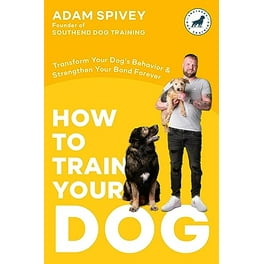
Credit: www.walmart.com
Frequently Asked Questions
What Is The Best Age To Start Training A Dog?
The ideal age to start training a dog is between 8 to 16 weeks. Early training helps build good habits and social skills. Puppies are more receptive and learn faster during this period. Consistent training at a young age prevents behavioral issues later.
How Long Should Daily Dog Training Sessions Be?
Daily dog training sessions should last about 10 to 15 minutes. Short sessions keep your dog focused and prevent boredom. Frequent, brief training encourages better learning and retention. Always end sessions positively to motivate your dog.
What Basic Commands Should Every Dog Learn First?
Every dog should learn basic commands like sit, stay, come, and heel first. These commands ensure safety and good behavior. They form the foundation for advanced training. Consistent practice of these basics improves communication with your dog.
Can Training Books Replace Professional Dog Trainers?
Training books provide valuable guidance but can’t fully replace professional trainers. Experts offer personalized advice and hands-on help. Books are great for learning techniques and understanding dog behavior. Combine both for the best training results.
Conclusion
Training your dog takes patience and practice every day. This book gives clear steps to guide you well. Small efforts lead to big changes in your dog’s behavior. Keep sessions short and fun to hold your dog’s attention. Trust and kindness build a strong bond between you and your pet.
Remember, every dog learns at its own pace. Stay calm, be consistent, and enjoy the journey together. With time, your dog will become a happy and well-behaved friend. Training is simple with the right approach and care.