
Have you ever wondered how police dogs become the heroes you see in action? These dogs don’t just happen to be skilled—they go through intense and specialized training that sharpens their instincts and abilities.
If you want to know what it takes to turn a regular dog into a powerful partner for law enforcement, keep reading. You’ll discover the surprising steps, techniques, and secrets behind their training, and you might even see your favorite police dog in a whole new light.
Ready to dive in? Let’s explore how police dogs are trained.
Selection Of Police Dogs
Choosing the right dog is the first step in training an effective police dog. The selection process is careful and detailed. It ensures the dog can handle tough tasks and work well with officers. Trainers evaluate dogs on several key factors. These factors help predict the dog’s success in police work.
Breed Characteristics
Some breeds have traits suited for police work. German Shepherds and Belgian Malinois are popular choices. They have strength, speed, and sharp senses. Their size allows them to perform physical tasks easily. These breeds also show high intelligence and eagerness to learn. Trainers look for these natural abilities first.
Temperament Testing
A dog’s behavior is vital for police duties. Trainers test dogs for confidence and calmness. Dogs must stay focused in noisy, crowded places. They should not be overly aggressive or shy. A balanced temperament helps dogs work well with people. It also makes them safe for public interaction.
Health Screening
Good health is essential for police dogs. Trainers check for joint problems and vision issues. A strong immune system helps dogs endure long shifts. Vaccinations and parasite control are part of health checks. Healthy dogs perform better and last longer in service.
Basic Obedience Training
Basic obedience training forms the foundation for police dogs. It builds trust and ensures dogs follow commands reliably. This training focuses on clear communication between handler and dog. It also teaches dogs how to behave in public and under pressure. Without this groundwork, advanced skills like tracking and apprehension can’t develop properly.
Command Familiarization
Police dogs learn simple commands first. These include sit, stay, come, and heel. Trainers use clear, consistent words or signals. Repetition helps dogs understand what each command means. Positive reinforcement rewards good responses. This stage ensures dogs respond quickly and accurately to handlers.
Leash And Socialization Skills
Dogs get used to walking calmly on a leash. They learn not to pull or jump. Socialization exposes dogs to people, animals, and noises. This reduces fear and aggression. It prepares dogs for real-world situations they might face on duty. Calm, controlled behavior on leash is essential for safety.
Impulse Control
Impulse control teaches dogs to wait before acting. They practice holding positions like sit or down for longer times. This training helps dogs resist distractions. It improves focus and patience. Good impulse control keeps dogs ready for commands, even in chaotic environments.
Specialized Skill Development
Police dogs undergo specialized training to hone their skills. This training prepares them for various tasks in law enforcement. Each dog learns specific skills to assist officers in different situations. These skills range from sniffing out substances to tracking individuals. The training process ensures that dogs can perform their duties effectively and safely.
Scent Detection
Police dogs excel in scent detection due to their keen sense of smell. They can identify drugs, explosives, and even missing people. Trainers use scent samples to teach dogs to recognize specific smells. The dogs learn to indicate a find by sitting or barking. This ability is crucial for search and rescue missions.
Tracking And Trailing
In tracking and trailing, dogs follow a human scent trail. This skill helps locate lost individuals or fleeing suspects. Trainers simulate real-life scenarios to enhance their tracking abilities. Dogs learn to focus on a trail for long distances. This training is vital for search operations in various environments.
Apprehension Techniques
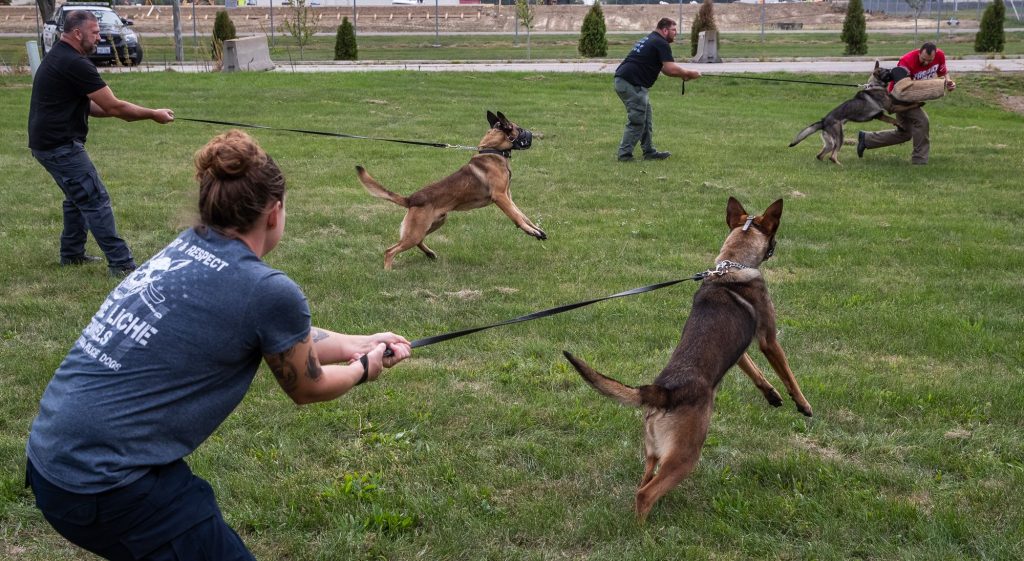
Apprehension techniques involve training dogs to detain suspects. Dogs learn to hold a suspect by the arm or leg without causing harm. This requires controlled aggression and obedience. Trainers use padded suits for safe practice sessions. These techniques help officers safely apprehend individuals during arrests.

Credit: www.gwent.police.uk
Use Of Positive Reinforcement
Positive reinforcement is key in training police dogs. It helps build trust and encourages good behavior. Trainers use rewards to guide dogs toward desired actions. This approach creates a strong bond between the handler and the dog. It also makes learning fun and effective.
Reward Systems
Trainers use treats, toys, or praise as rewards. These rewards come immediately after the dog performs a task. This timing helps the dog connect the action with the reward. Often, a clicker sound marks the correct behavior before the reward. This system helps dogs learn commands faster and with less stress.
Motivation And Engagement
Keeping dogs motivated is crucial during training. Trainers choose rewards that excite each dog the most. Playtime with a favorite toy often works well. Praise and petting also boost the dog’s enthusiasm. A motivated dog learns commands quicker and stays focused longer.
Consistency In Training
Consistent training ensures clear communication between dog and handler. Trainers use the same commands and reward methods every time. This helps the dog understand expectations better. Regular practice sessions reinforce learned behaviors. Consistency builds confidence and reliability in police dogs.
Handler And Dog Bonding
The bond between a police dog and its handler is the core of effective teamwork. This connection grows from constant interaction, trust, and clear communication. Without this bond, training and operations can falter. The handler must understand the dog’s signals and needs. The dog must trust and respond to the handler’s commands promptly.
Building this strong relationship takes time and deliberate effort. Handlers spend many hours with their dogs, not only training but also playing and relaxing. This creates a sense of partnership and loyalty that is essential for high-stress situations. Let’s explore key elements that shape this bond.
Communication Cues
Handlers use clear, consistent signals to talk to their dogs. These include verbal commands, hand signals, and body language. Dogs learn to recognize each cue quickly. Consistency helps dogs understand what is expected during work or training.
- Short, simple words for commands
- Distinct hand gestures
- Calm but firm tone of voice
This clear communication reduces confusion and improves response time. Dogs respond best to positive reinforcement after following cues correctly.
Trust Building Exercises
Trust is the foundation of the handler-dog relationship. Exercises focus on creating safety and confidence. Handlers reward calm behavior and obedience. They avoid harsh punishments to keep trust strong.
- Gentle petting and praise
- Consistent feeding and care routines
- Short, frequent training sessions
These exercises help dogs feel secure and willing to follow commands. Trust encourages dogs to stay focused during challenging tasks.
Joint Training Sessions
Training together builds teamwork and strengthens the bond. Sessions include obedience drills, agility courses, and scent work. Handlers guide dogs through each task, offering support and rewards.
| Training Type | Purpose | Handler Role |
|---|---|---|
| Obedience | Improve response to commands | Give clear cues, reward success |
| Agility | Enhance physical fitness and focus | Guide dog through obstacles |
| Scent Work | Develop tracking and detection skills | Encourage and praise discoveries |
Regular joint practice ensures both handler and dog work as one team. This unity increases efficiency in real police operations.
Advanced Scenario Training
Advanced scenario training pushes police dogs beyond basic obedience. It prepares them for complex, real-life situations. Trainers create environments that mimic actual police work. Dogs learn to react under pressure and follow commands precisely. This training builds confidence and sharpens their instincts.
Simulated Crime Scenes
Trainers set up fake crime scenes for dogs to explore. These scenes include hidden evidence and scents to track. Dogs practice finding weapons, drugs, or missing people. The realistic setup helps dogs learn to work calmly amid distractions. It also tests their ability to focus on scent cues.
Crowd Control Drills
Dogs train in noisy, crowded places to manage public order. They learn to stay calm and alert with many people around. Trainers teach them to follow commands even with loud noises and movement. This training helps dogs assist officers during protests or large events. It improves their ability to protect officers and control crowds safely.
Search And Rescue Missions
Police dogs train to find missing persons in difficult areas. They practice searching forests, mountains, and rubble from disasters. Dogs learn to track faint scents over long distances. Trainers expose them to different weather and terrain conditions. This training saves lives by preparing dogs for urgent rescue work.
Ongoing Maintenance And Evaluation
Ongoing maintenance and evaluation keep police dogs sharp and ready. Training does not stop once a dog is certified. Continuous practice ensures dogs respond quickly and accurately during missions. Regular checks help trainers spot any skill drops or health issues early.
Regular Skill Assessments
Police dogs undergo frequent skill tests to maintain their abilities. These tests cover obedience, tracking, and detection tasks. Trainers use simulated scenarios to check a dog’s reaction and performance. Consistent evaluations help keep the dog’s skills reliable under pressure.
Refresher Training
Refresher sessions reinforce important commands and techniques. These short training periods help dogs recall key skills. They also introduce updates to methods or new tactics. Regular refreshers prevent skill fading and boost confidence.
Health And Fitness Monitoring
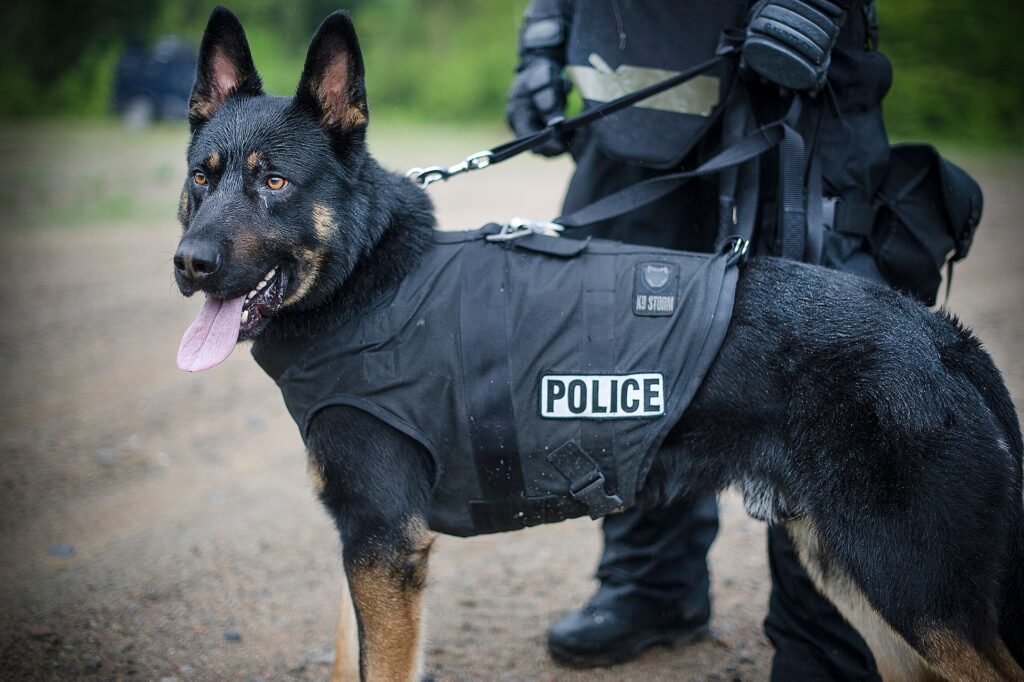
Daily health checks are vital for police dogs. Trainers watch for signs of fatigue, injury, or illness. Nutrition, exercise, and rest are carefully balanced. Keeping dogs fit supports their performance and extends their working life.

Credit: www.k9academytraining.ca
Credit: npf-fpn.com
Frequently Asked Questions
How Long Does Police Dog Training Take?
Police dog training typically lasts 6 to 12 months. This period ensures dogs master obedience, detection, and apprehension skills. Continuous training follows to maintain their abilities. The process is rigorous and tailored to each dog’s strengths and role within the police force.
What Breeds Are Best For Police Dog Training?
German Shepherds, Belgian Malinois, and Dutch Shepherds are top choices. These breeds are intelligent, agile, and have strong work drives. Their physical and mental traits make them ideal for various police tasks, including tracking, detection, and protection.
How Do Trainers Teach Scent Detection To Police Dogs?
Trainers use reward-based methods to teach dogs specific scents. Dogs learn to identify and alert handlers to substances like drugs or explosives. Positive reinforcement encourages accurate and reliable scent detection during real operations.
What Skills Do Police Dogs Learn Besides Obedience?
Police dogs learn tracking, scent detection, suspect apprehension, and search skills. They also train in agility and socialization to work safely with handlers and crowds. These skills enable them to assist in diverse law enforcement tasks effectively.
Conclusion
Police dogs play a vital role in keeping us safe. Training these dogs takes time, patience, and skill. They learn to follow commands and find important clues. Trainers build strong bonds with each dog. This trust helps dogs work well under pressure.
Their training ensures they can protect and serve. Many people do not see the hard work behind the scenes. Understanding this process helps us appreciate police dogs more. Their dedication saves lives every day. These dogs truly are heroes in our communities.