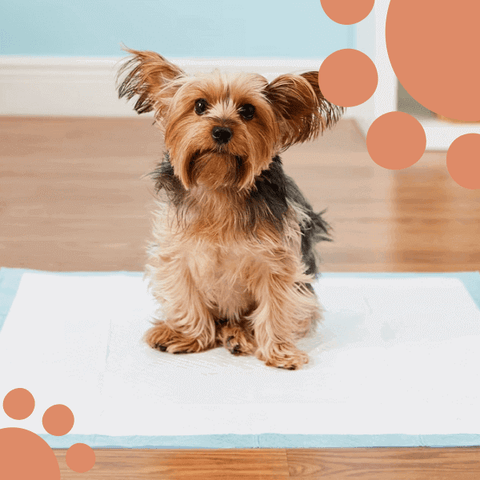

Training your dog to use training pads can make life so much easier for both of you. Whether you live in an apartment, have a busy schedule, or just want a clean, stress-free way to handle potty time, training pads are a smart solution.
But how do you get your dog to actually use them without frustration? You’ll discover simple, effective steps that anyone can follow. By the end, you’ll feel confident and ready to teach your dog this important skill—making your home cleaner and your bond stronger.
Keep reading, because the secret to success is easier than you think!
Credit: www.petco.com
Choosing The Right Training Pads
Choosing the right training pads makes a big difference for your dog’s learning. The right pad keeps your home clean and helps your dog understand where to go. Consider the material, size, and scent of the pads. These factors affect your dog’s comfort and success.
Material And Absorbency
Training pads come in many materials. Most have a soft top layer and a waterproof bottom. The top layer should feel comfortable for your dog’s paws. Absorbency is key to avoid leaks and odors.
- Look for pads with multiple layers for better absorbency.
- Some pads have gel crystals to lock in moisture.
- Choose pads that dry quickly to reduce smells.
Size And Placement Options
Pads come in small, medium, and large sizes. Small dogs need smaller pads, while large dogs need bigger ones. The pad size should match your dog’s size and bathroom habits.
Place the pad in a quiet, easy-to-find spot. Keep it consistent so your dog learns faster. You can use a tray or mat to hold the pad in place.
Scented Vs Unscented Pads
Scented pads have a smell to attract dogs. This helps some dogs find the right spot. Unscented pads are better for dogs with sensitive noses.
Try both types to see which your dog prefers. Avoid strong perfumes that might confuse or irritate your dog.
Preparing Your Dog For Training Pads
Preparing your dog to use training pads sets the foundation for success. It helps your dog feel safe and understand what is expected. Start by creating a positive environment. Make the process simple and clear. This reduces confusion and encourages your dog to learn quickly.
Creating A Comfortable Space
Choose a quiet and easy-to-clean area for the training pads. The space should be free from distractions. Place the pad on a flat surface where your dog can easily find it. Keep the area consistent to build a routine. Add a soft mat or blanket nearby for comfort. This makes your dog feel more relaxed during training.
Introducing The Pad Gradually
Let your dog explore the pad without pressure. Allow sniffing and walking on the pad at first. Reward any interest shown with treats or praise. Slowly encourage your dog to use the pad by bringing them there often. Avoid forcing your dog onto the pad. Gentle guidance builds trust and eagerness to learn.
Using Commands And Signals
Choose simple words or phrases like “Go potty” to signal bathroom time. Use the same command every time you take your dog to the pad. Pair the command with a hand signal for better understanding. Praise and reward your dog immediately after they use the pad. Consistent commands and signals help your dog connect actions with words.
Step-by-step Training Process
Training your dog to use training pads requires patience and consistency. Each step helps your dog understand where to go. Follow these steps to ensure success and keep your home clean.
Timing And Supervision
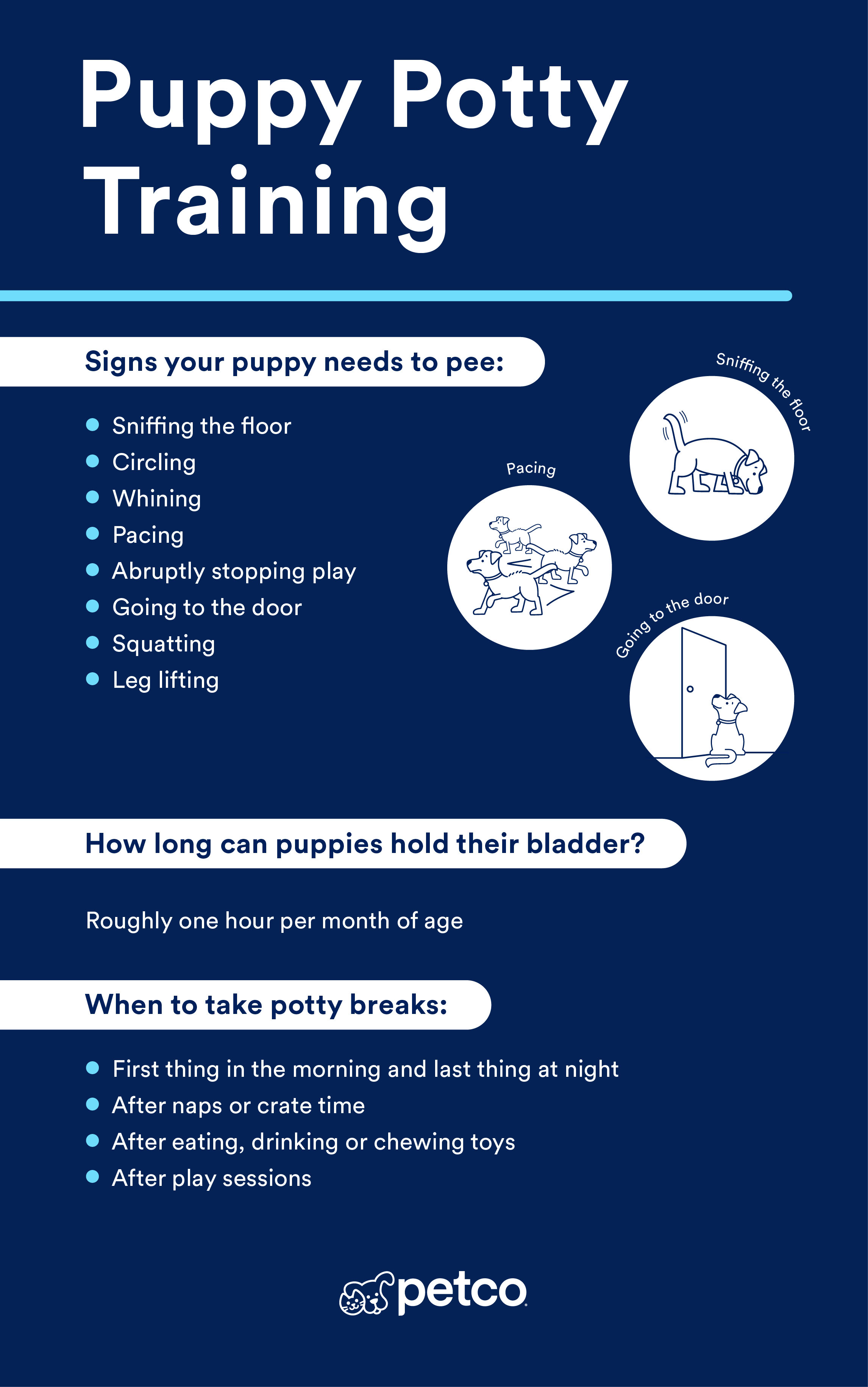
Keep an eye on your dog’s schedule. Dogs often need to go after eating or drinking. Watch for signs like sniffing or circling. Guide your dog to the pad during these times. Supervision helps prevent accidents. Stay close to your dog, especially in the beginning. This lets you react quickly if needed.
Encouraging Your Dog To Use The Pad
Place the pad in a quiet, accessible spot. Lead your dog to the pad frequently. Use commands like “go potty” to associate the action. Be patient. Your dog may take time to understand. Praise your dog when they sniff or stand on the pad. Positive reinforcement creates a good connection.
Rewarding Successful Attempts
Celebrate successes with treats or praise. A small reward reinforces good behavior. Give the reward immediately after they use the pad. Timing is crucial for effective training. Consistent rewards make the habit stick. Gradually reduce treats as your dog learns.
Handling Common Challenges
Training your dog to use pads can sometimes be tricky. You might face some bumps along the way, but don’t get discouraged. Understanding and handling common challenges will help you stay on track and make the process smoother for both you and your furry friend.
Accidents Outside The Pad
Accidents happen, especially in the beginning. When your dog pees or poops outside the pad, avoid punishing them. Dogs don’t link punishment with the accident—they just get scared or confused.
Instead, clean the area thoroughly to remove any scent. This prevents your dog from returning to the same spot. Try placing an extra pad nearby if accidents happen frequently in one spot.
Ask yourself: Are you consistent with taking your dog to the pad? Timing is key. Dogs often need to go right after eating, drinking, or waking up.
Reluctance To Use Pads
Sometimes, dogs just don’t want to use the pads. This could be because the pad is in a noisy or busy area. Dogs prefer quiet, private spots for bathroom breaks.
Try moving the pad to a calm corner. Use treats and praise when your dog uses the pad correctly. You might also want to try different pad brands—some dogs dislike certain textures or smells.
Consider if your dog is stressed or anxious. Are there recent changes at home? Dogs can refuse pads if they feel unsettled.
Regression And Inconsistent Behavior
Even after good progress, your dog might suddenly stop using the pad. This regression can be frustrating, but it’s common. Look for changes in routine, diet, or health that could cause this.
Keep rewarding your dog for using the pad correctly. Consistency in praise and routine is crucial. Sometimes, going back a few steps in training helps reinforce good habits.
Have you noticed if your dog seems distracted or overstimulated? Sometimes too much excitement can cause accidents. Creating calm moments around bathroom breaks can improve consistency.
Maintaining Good Habits
Maintaining good habits is key to successful pad training for your dog. Consistency helps your dog understand expectations. It also prevents accidents and confusion. Keeping habits steady builds trust and confidence in your pet.
Regular Pad Replacement
Change training pads often to keep the area clean. Dirty pads discourage your dog from using them. Fresh pads smell better and attract your pet to the spot. Check the pad several times a day. Replace it immediately after your dog uses it.
Transitioning Outdoors If Needed
Some owners prefer to move their dogs outside over time. Start by placing a pad near the door. Gradually move the pad closer to the outdoors. Praise your dog for going near the door and outside. This step-by-step move helps dogs adjust smoothly.
Consistency In Training
Stick to a daily routine for bathroom breaks and pad use. Use the same words or commands every time. Reward your dog with treats and praise after successful potty moments. Consistent signals make it easier for your dog to learn. Avoid sudden changes in schedule or instructions.

Credit: aminpetshop.com

Credit: www.namibian.com.na
Frequently Asked Questions
How Long Does It Take To Train A Dog With Pads?
Training duration varies by dog, but most learn within 2-4 weeks. Consistency, patience, and positive reinforcement speed up the process.
What Supplies Are Needed For Pad Training?
You need training pads, treats, a leash, and cleaning supplies. Choose absorbent pads that fit your dog’s size and space.
How Do I Prevent My Dog From Chewing Pads?
Use bitter sprays on pads and supervise your dog. Provide chew toys to redirect their chewing behavior effectively.
Can All Dog Breeds Use Training Pads?
Yes, all breeds can use pads. Some may adapt faster, but patience and consistent training help all dogs succeed.
Conclusion
Training your dog to use pads takes time and patience. Stay consistent with your routine and rewards. Watch your dog’s signals closely and guide them gently. Expect small mistakes and learn from them. Celebrate each success to keep your dog motivated.
Clean and place pads in the same spot always. This helps your dog understand where to go. With care and practice, your dog will learn well. Enjoy the process and build a strong bond together. Training pads can make life easier for both of you.
Keep trying, and you will see good results soon.