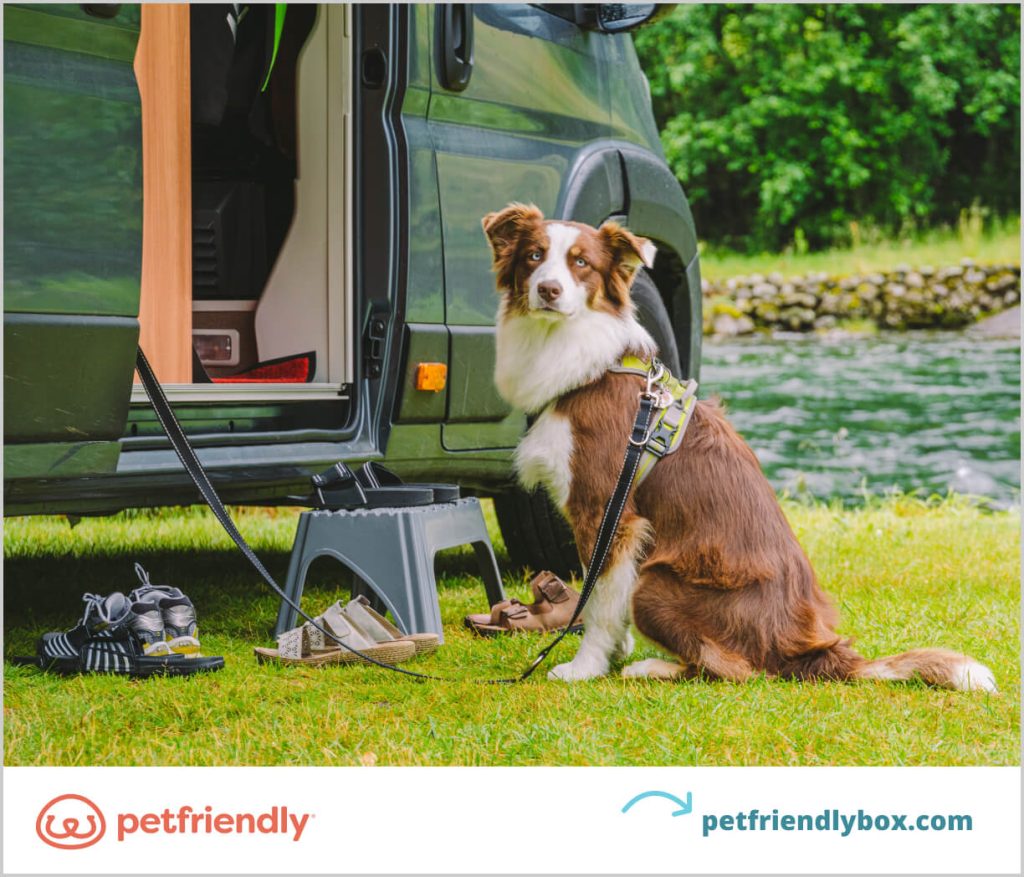

Traveling with a dog can turn any trip into a joyful adventure. But it also comes with its own set of challenges that might surprise you.
Imagine exploring new places without leaving your furry friend behind. Sounds amazing, right? Yet, to make this experience smooth and stress-free for both you and your dog, you need to plan carefully. Keep reading to discover simple tips that will help you enjoy every moment of your journey together.
Preparing Your Dog For Travel
Traveling with your dog requires thoughtful preparation. A smooth trip depends on how ready your pet is. Preparing your dog helps reduce stress and keeps them safe. It also ensures a happier experience for both of you.
Health Check And Vaccinations
Visit the vet before traveling. Make sure your dog is healthy and fit for the trip. Ask the vet about necessary vaccinations. Some destinations require specific vaccines or health certificates. Check for flea and tick prevention too. A healthy dog travels better and avoids illness.
Packing Essentials For Your Dog
Pack all important items your dog needs. Include:
- Food and water bowls
- Enough dog food for the trip
- Leash and collar with ID tags
- Comfortable bed or blanket
- Toys and chew items
- Waste bags for cleaning up
- Any medications prescribed by the vet
Keeping these essentials handy makes travel easier and more comfortable.
Training For Travel Behavior
Train your dog to handle travel situations calmly. Practice car rides or short trips first. Teach your dog to stay relaxed in the carrier or seat. Reward good behavior with treats and praise. This training lowers anxiety and prevents restless behavior. A calm dog makes travel safer and more enjoyable.
Choosing The Right Travel Method
Choosing the right travel method for your dog shapes the entire trip experience. It affects your pet’s comfort, safety, and your peace of mind. Think about your dog’s personality, size, and health before deciding how you’ll travel together.
Road Trips With Your Dog
Road trips offer flexibility that few other travel methods can match. Your dog can stretch their legs during frequent stops and enjoy familiar surroundings inside the car.
Make sure to bring a cozy crate or seatbelt harness to keep your dog secure. Have water, snacks, and favorite toys within reach to keep them calm and entertained.
Ask yourself: Does your dog handle car rides well? If your pet gets anxious, shorter drives before the big trip can help them adjust.
Flying With Pets
Flying can be stressful for dogs, but sometimes it’s the fastest way to reach your destination. Airlines have specific rules about pet carriers, size limits, and health certificates.
Choose direct flights to reduce travel time and avoid layovers that complicate logistics. If your dog is small, they might be allowed in the cabin, but larger dogs usually travel in the cargo hold.
Consider your dog’s breed and temperament—some dogs don’t handle loud noises or pressure changes well. Have you checked your airline’s pet policy recently? They can vary widely.
Using Public Transport
Public transport like trains and buses can be a practical option, especially in urban areas. Many systems allow small dogs if they’re in carriers, but rules differ by city and company.
Prepare your dog by practicing calm behavior in crowded, noisy environments. Bring a leash and muzzle if required, and always carry proof of vaccinations or permits.
Think about the duration and crowd levels during your travel time. Would your dog stay relaxed or get overwhelmed? Planning around off-peak hours can make a big difference.
Comfort And Safety On The Road
Keeping your dog secure with a harness or crate ensures both comfort and safety during travel. Frequent breaks help reduce stress and keep your pet calm on the road.
Traveling with your furry friend can be an exciting adventure, but ensuring their comfort and safety on the road is crucial. Whether it’s a short trip to the park or a long drive across the country, your dog’s well-being should always come first. From securing them safely in the car to managing their anxiety, small steps can make a big difference.Carriers And Restraints
Proper carriers and restraints are essential for your dog’s safety. An unrestrained dog can be a distraction and a hazard during sudden stops. Consider investing in a dog seat belt or a crash-tested carrier. Always choose a restraint that suits your dog’s size and temperament. For larger breeds, a harness that attaches to the car’s seatbelt can be effective. Smaller dogs might feel more comfortable in a secure carrier that offers a view.Managing Anxiety And Motion Sickness
Some dogs enjoy car rides, while others may experience anxiety or motion sickness. If your dog seems nervous, try a calming spray or a snug-fitting anxiety wrap. These can offer comfort and reduce stress. Motion sickness can be mitigated by keeping your dog facing forward and ensuring they have plenty of fresh air. Offering a small meal a few hours before travel can also help settle their stomach.Regular Breaks And Exercise
Just like humans, dogs need regular breaks during long trips. Plan stops every couple of hours to let your dog stretch and relieve themselves. This helps them stay relaxed and reduces the risk of accidents in the car. Make these breaks fun by incorporating a quick game of fetch or a short walk. It keeps their energy levels balanced and makes the journey more enjoyable for both you and your pet. Are you prepared for your next road trip with your dog? Taking these steps can ensure a smooth and enjoyable experience for everyone involved.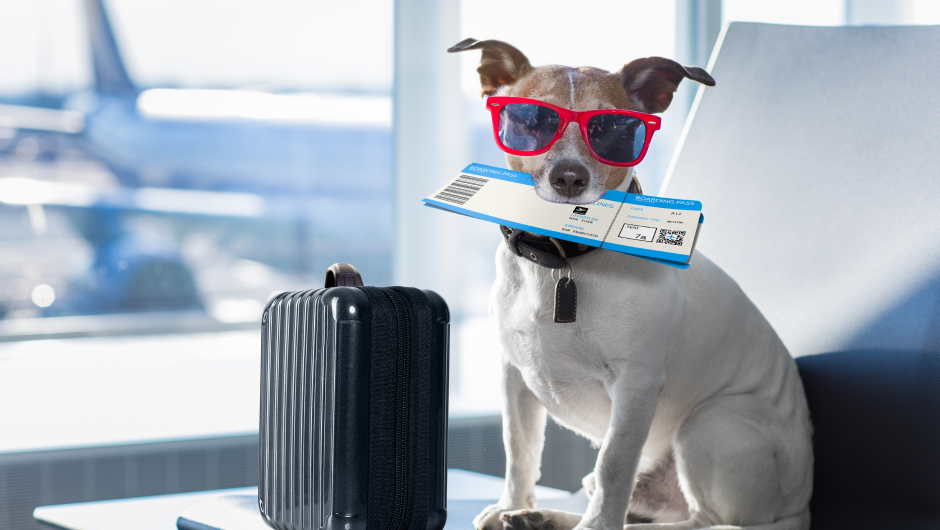
Credit: sarasotaveterinarycenter.com
Finding Dog-friendly Accommodations
Finding accommodations that welcome your dog can make or break your trip. Your furry friend deserves comfort just like you do, so planning ahead is key. Knowing where to stay helps you avoid last-minute stress and ensures both you and your dog have a great experience.
Hotels And Rentals That Welcome Pets
Many hotels now openly welcome dogs, but the policies can vary widely. Some allow pets for free, while others charge a fee or have weight limits. Check reviews and hotel websites to understand their pet rules clearly before booking.
Vacation rentals often offer more space and privacy for your dog to roam. Platforms like Airbnb and Vrbo allow you to filter for pet-friendly homes. Look for places with fenced yards or nearby parks to give your dog room to play safely.
Camping And Outdoor Options
If your dog loves the outdoors, camping can be a fantastic choice. Many campgrounds allow dogs, but some require leashes or have restricted areas. Research campgrounds with dog-friendly trails and water access to keep your dog entertained.
Consider state parks or private campgrounds that advertise pet amenities like dog wash stations or off-leash areas. Bringing familiar items like your dog’s bed or favorite toys can help them feel comfortable in the wilderness.
Booking Tips For Pet-friendly Stays
- Call ahead:Confirm pet policies directly with the property even if online listings say they are pet-friendly.
- Ask about pet fees:Some places add cleaning fees or deposits, so know the total cost upfront.
- Check for nearby vet services:It’s wise to know where emergency care is available just in case.
- Read recent reviews:Look for feedback from other travelers with dogs to spot any hidden issues.
Have you ever faced last-minute accommodation problems with your dog? Planning your stay carefully can avoid those headaches and make your trip smoother for both you and your pet.
Navigating New Environments
Traveling with your dog means stepping into new places full of sights, sounds, and smells they’ve never encountered. Navigating these environments well keeps your dog calm and safe. It also helps you enjoy the trip without unexpected stress or setbacks.
Introducing Your Dog To New Surroundings
Start by letting your dog explore the area slowly. Allow them to sniff around and get comfortable at their own pace. Watch for signs of anxiety like pacing or whining and give them breaks if needed.
Bring along familiar items like their favorite blanket or toy. These help create a sense of home no matter where you are. Have you noticed how a familiar scent can calm your dog instantly?
Local Regulations And Leash Laws
Every place has its own rules about dogs, especially about leashes and where dogs are allowed. Check local laws before you arrive to avoid fines or conflicts. Some parks require dogs to be on a leash at all times, while others may have designated off-leash areas.
Respect these rules not just to avoid trouble but to protect your dog and others. You don’t want your dog to get lost or cause problems. Do you keep a list of local regulations handy when traveling?
Avoiding Common Hazards
New environments come with new risks. Watch out for toxic plants, busy roads, unfamiliar animals, and sharp objects. Keep a first aid kit in your travel bag for emergencies.
Be cautious about what your dog eats or drinks outside your control. Some local water sources or food scraps can cause illness. Have you ever had to deal with a sudden health issue while on the road?
Credit: www.totalveterinarycare.com
Maintaining Routine On The Go
Maintaining your dog’s routine during travel helps reduce stress and keeps them happy. Dogs thrive on consistency, so sticking to familiar habits is important. It also helps your pet adjust quickly to new places and situations. Simple steps in feeding, exercise, and rest can make a big difference on the road.
Feeding And Hydration Tips
Feed your dog at the same times each day as usual. Use their regular food to avoid stomach issues. Carry enough water and offer it often to keep your dog hydrated. Avoid giving food or water from unknown sources. Bring portable bowls for easy feeding and drinking during stops.
Exercise And Playtime
Keep up with daily walks and play sessions to burn energy. Use familiar toys to comfort your dog. Short breaks for stretching help prevent stiffness during travel. New surroundings can be exciting but keep your dog on a leash. Exercise helps reduce anxiety and boredom on trips.
Sleep And Rest Strategies
Create a cozy sleeping area that resembles home. Bring your dog’s bed or favorite blanket to provide comfort. Maintain regular sleep times to ensure good rest. Avoid loud noises and bright lights near their resting spot. Rest is vital for your dog’s health and mood while traveling.
Handling Emergencies While Traveling
Traveling with your dog is full of joy, but emergencies can happen anytime. Being prepared to handle unexpected situations keeps your pet safe and eases your stress. Knowing how to act quickly can make a big difference in your dog’s well-being during trips.
Finding Veterinary Care
Before you leave, research veterinary clinics along your route and at your destination. Save their contact details and addresses on your phone or write them down. Apps and websites like VetFinder or PetMD can help you locate emergency vets fast.
During a sudden illness or injury, time matters. Have a plan for how to get to the nearest vet quickly. Think about the best transportation options available, whether it’s your car or local emergency services.
First Aid Basics For Dogs
Carrying a pet first aid kit is essential. Include items like bandages, antiseptic wipes, tweezers, and a digital thermometer. Knowing how to use these tools can stabilize your dog until professional help arrives.
Learn simple first aid skills such as how to stop bleeding, perform CPR, or treat choking. Taking a pet first aid course can boost your confidence. Would you know what to do if your dog suddenly collapsed?
Travel Insurance For Pets
Pet travel insurance can cover unexpected vet bills and emergencies. Policies vary, so check what’s included before you buy. Some plans cover accidents, illnesses, and even trip cancellations involving your dog.
Having insurance means you won’t hesitate to seek medical care because of cost worries. It’s a safety net that lets you focus on your dog’s health instead of financial stress. Have you considered how an emergency could impact your travel budget?
Credit: www.latimes.com
Frequently Asked Questions
How To Prepare My Dog For Travel?
Start with short practice trips to get your dog comfortable. Pack essentials like water, food, and a leash. Bring familiar toys or blankets to reduce anxiety. Schedule a vet checkup to ensure your dog is healthy for travel.
What Are The Best Travel Modes With Dogs?
Car travel is often the easiest for dogs. Air travel requires proper crates and airline approval. Train and bus policies vary, so check beforehand. Always prioritize your dog’s comfort and safety during any travel.
How To Keep My Dog Calm During Trips?
Use calming treats or pheromone sprays recommended by vets. Maintain a consistent routine with feeding and walks. Speak softly and offer reassurance. Frequent breaks during car trips help reduce stress and keep your dog comfortable.
Are There Travel Documents Needed For Dogs?
Yes, most places require vaccination records and health certificates. International travel may need additional permits or microchip registration. Check destination-specific rules well before traveling. Carry all documents in an accessible folder for emergencies.
Conclusion
Traveling with your dog can be a joyful experience for both. Plan carefully to keep your pet safe and happy. Bring familiar items to comfort your dog during trips. Take breaks often so your dog can stretch and relax. Always check pet-friendly places before you go.
Enjoy the adventure and build great memories together. Traveling with a dog brings extra fun and love to your journey.