Is your furry friend turning one soon, and you’re wondering if it’s time to switch their food? You want to make sure your dog stays healthy and happy, but choosing the right diet can be confusing.
Should you keep feeding puppy food, or is adult dog food the better choice now? Understanding when and why to make this change can make a big difference in your dog’s energy, growth, and overall well-being. Keep reading to find out exactly what’s best for your one-year-old dog and how to make the transition smooth and safe.
When To Switch To Adult Dog Food
Knowing the right time to switch your dog to adult food is important. Puppies and adult dogs have different nutritional needs. Feeding the right food supports healthy growth and energy levels. Changing at the right moment helps your dog stay healthy and strong.
Signs Your Dog Is Ready
- Your dog has reached about 80% of its adult size.
- Growth slows down or stops noticeably.
- Your dog’s energy levels stabilize and are less hyperactive.
- Teeth have fully developed and look strong.
- Your vet confirms your dog’s growth stage is complete.
Breed And Size Considerations
Small breeds grow faster and may need adult food before one year. Large breeds take longer to mature, sometimes up to 18 months.
Switching too early or late can cause nutritional imbalances. Large breeds especially need specific nutrients for joint health.
Consult your vet about your dog’s breed and size to choose the best feeding time.

Credit: greensafaris.com
Differences Between Puppy And Adult Food
Understanding the differences between puppy and adult dog food is key to making the right choice for your furry friend. Your 1-year-old dog is at a stage where its nutritional needs begin to change. Feeding the wrong type of food might impact their health and energy levels.
Nutritional Needs
Puppies need more protein and fat to support rapid growth and development. Their food is designed to help build strong muscles, bones, and a healthy immune system. Adult dogs, on the other hand, require balanced nutrients to maintain their weight and overall health rather than to fuel growth.
Have you noticed your dog’s energy changing as they age? This shift often reflects their changing nutritional needs. Giving your adult dog the high protein levels meant for puppies might lead to unnecessary weight gain or digestive issues.
Calorie Content
Puppy food contains more calories per serving because puppies burn more energy throughout the day. Adult dog food generally has fewer calories to prevent obesity. Overfeeding your 1-year-old dog with puppy food can cause excess weight, which affects joint health and mobility.
Think about your dog’s activity level now compared to when they were younger. Does their food match that energy demand? Adjusting calorie intake at the right time helps keep your dog fit and active.
Ingredient Variations
Ingredients in puppy food often include added vitamins and minerals like calcium and DHA, important for brain and bone development. Adult dog food focuses on ingredients that support maintenance, such as antioxidants for a healthy immune system and joint-supporting nutrients.
You might find adult food with ingredients promoting digestion and skin health, which aren’t as emphasized in puppy formulas. Checking the ingredient list helps you pick the food that fits your dog’s current health needs best.
Risks Of Feeding Adult Food Too Early
Feeding your 1-year-old dog adult food too early can pose risks. A puppy’s nutritional needs differ from an adult dog’s needs. Adult dog food might not support proper growth and development. Understanding these risks helps ensure your pup’s health and well-being.
Nutritional Deficiencies
Puppies need specific nutrients for growth. Adult food may lack these nutrients. Essential vitamins and minerals might be insufficient. This can lead to weakened bones and a fragile immune system. Puppies require higher protein levels for muscle development. Adult food often falls short in this area.
Growth And Development Issues
Feeding adult food too early can stunt growth. Puppies need balanced calcium and phosphorus levels. Adult food may disrupt this balance. This can cause improper bone development. Fast-growing large breeds are especially at risk. Joint problems may arise from incorrect nutrient ratios. Always ensure your puppy gets the right food for their age.
Credit: www.thinkjinx.com
Choosing The Right Adult Dog Food
Choosing the right adult dog food is essential for your one-year-old dog’s health. At this age, your dog’s nutritional needs change from puppy food to adult food. Adult dog food supports energy levels, maintains a healthy weight, and keeps the coat shiny. Selecting the best food means understanding labels, ingredients, and special dietary needs. This helps your dog thrive and enjoy every meal.
Reading Labels
Check the label for the dog’s age range. Look for words like “adult” or “mature” to match your dog’s stage. Notice the guaranteed analysis section. It shows protein, fat, fiber, and moisture percentages. Protein should be high to support muscles. Avoid foods with vague terms like “meat by-product.”
Ingredients are listed by weight, from most to least. The first few ingredients matter most. Avoid foods with fillers like corn, wheat, or soy. These add little nutrition and may cause allergies. Look for specific meat sources like chicken, beef, or fish.
Selecting Quality Ingredients
Choose foods with real meat or fish as the first ingredient. Whole grains like brown rice or oats provide good energy. Vegetables and fruits add vitamins and antioxidants. Avoid artificial colors, flavors, or preservatives. These can harm your dog’s health over time.
Healthy fats like omega-3 and omega-6 keep skin and coat healthy. Ingredients such as fish oil or flaxseed are good sources. Balanced minerals like calcium and phosphorus support bones and teeth. A quality adult dog food will have a mix of these key nutrients.
Considering Special Dietary Needs
Some dogs have allergies or sensitive stomachs. Choose foods labeled for sensitive digestion if needed. Weight control formulas help if your dog is overweight. Senior formulas suit older dogs with joint support ingredients.
Talk to your vet about any health concerns. Your dog might need grain-free, low-fat, or high-protein options. Special diets improve your dog’s quality of life. Always introduce new food gradually to avoid upset stomachs.
Transitioning Your Dog’s Diet
Transitioning your dog’s diet is a crucial step when moving from puppy food to adult dog food. It helps avoid digestive problems and ensures your dog gets the right nutrients for their new life stage. Your dog’s digestive system needs time to adjust, so how you make the change can make a big difference.
Gradual Food Change
Switch your dog’s food slowly over 7 to 10 days. Start by mixing 25% adult food with 75% puppy food. Then, increase the adult food portion each day until your dog is eating only adult food.
This slow change helps your dog’s stomach adapt without causing upset. Sudden switches can lead to diarrhea or vomiting, which nobody wants. You know your dog best, so watch how they react and adjust the pace if needed.
Monitoring For Reactions
After starting the transition, keep an eye on your dog’s behavior and stool. Look out for signs like diarrhea, vomiting, or a loss of appetite. These could mean your dog isn’t adjusting well to the new food.
Sometimes, your dog might be sensitive to ingredients in adult food. If you notice any problems, pause the switch and consult your vet. Have you noticed any changes in your dog’s energy or mood during diet changes? These can be just as important as physical signs.
Feeding Schedule And Portion Control
Feeding your 1-year-old dog adult food requires careful attention to schedule and portions. Proper feeding helps maintain healthy weight and energy levels. It also supports digestion and overall health. Following a consistent plan ensures your dog gets the right nutrition without overeating.
Meal Frequency
At one year, many dogs transition to adult feeding schedules. Most adult dogs do well with two meals per day. This routine helps regulate hunger and energy. Smaller, regular meals prevent stomach upset and overeating. Puppies often eat three or more times daily, but adult dogs need less frequent meals.
- Feed twice a day, morning and evening
- Keep meal times consistent each day
- Adjust frequency based on your dog’s activity level
Adjusting Portions As Needed
Portion control is key to avoid weight gain or loss. Use the feeding guidelines on your dog food package as a starting point. Monitor your dog’s weight and body condition weekly. Adjust portions up or down depending on activity and metabolism. Overweight dogs need smaller portions, while active dogs may need more food.
| Activity Level | Portion Size Adjustment |
|---|---|
| Low activity | Reduce portion by 10-20% |
| Moderate activity | Follow standard feeding guidelines |
| High activity | Increase portion by 10-20% |
Always provide fresh water alongside meals. Avoid free-feeding to control intake better. Regular check-ins with your vet help fine-tune feeding plans for your dog’s needs.
Consulting Your Veterinarian
Consulting your veterinarian is a smart step before switching your 1-year-old dog to adult food. Vets understand your dog’s health and nutritional needs best. Their advice helps avoid feeding mistakes that could affect growth or health.
Every dog is unique. What works for one may not suit another. A vet can give clear guidance based on your dog’s breed, size, activity, and health status. This guidance ensures your dog gets the right nutrients at the right time.
When To Seek Advice
- Before changing your dog’s diet from puppy to adult food
- If your dog shows signs of digestive upset
- When your dog has allergies or special health issues
- If your dog is overweight or underweight
- When unsure about food portions or feeding frequency
Personalized Feeding Plans
Veterinarians create feeding plans tailored to your dog’s needs. These plans include:
- Type of food best suited for your dog’s age and health
- Daily portion sizes to maintain ideal weight
- Feeding schedules to support digestion and energy levels
- Recommendations for supplements if needed
Following a vet’s personalized plan helps your dog stay healthy and happy. It also reduces the risk of nutritional problems later in life.
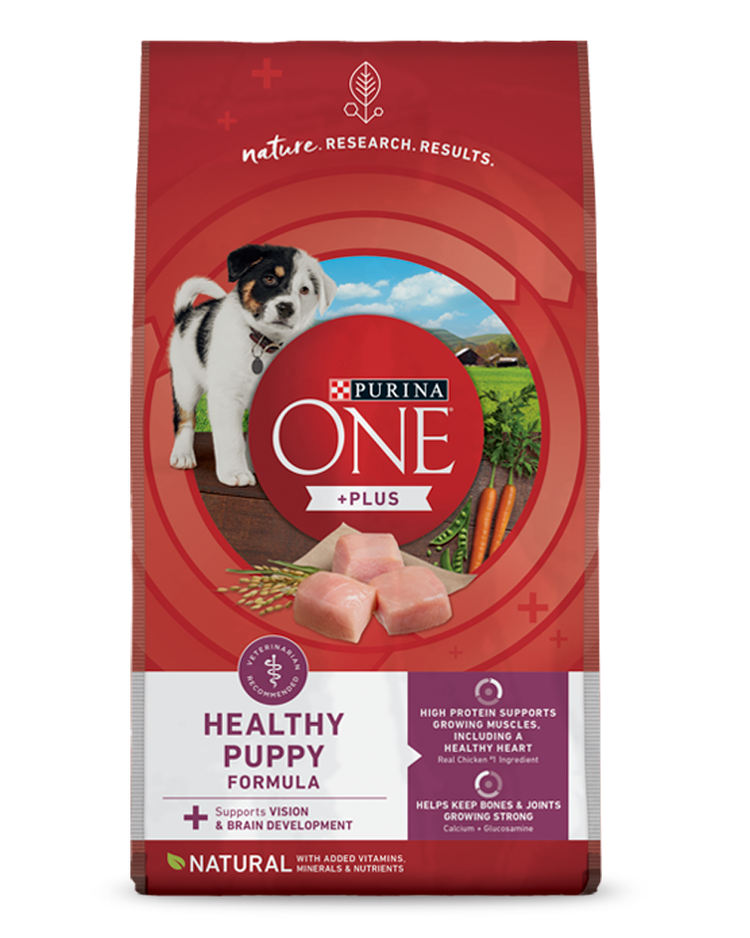
Credit: www.purina.com
Frequently Asked Questions
Can 1 Year Old Dogs Eat Adult Dog Food Safely?
Yes, most 1-year-old dogs can transition to adult food. It supports their changing nutritional needs after puppy growth. Always choose a high-quality adult formula suited to your dog’s size and breed.
When Should I Switch My Dog To Adult Food?
Switch your dog to adult food around 12 months old. This timing aligns with their growth completion and energy needs. Consult your vet to confirm the best transition period for your dog.
Is Adult Dog Food Nutritious For Young Dogs?
Adult dog food has balanced nutrients for mature dogs. It may lack extra calcium and calories that growing puppies need. Avoid feeding adult food to dogs younger than 1 year to ensure healthy development.
What Are Risks Of Feeding Adult Food Too Early?
Feeding adult food too early can cause nutrient deficiencies. Puppies may miss essential vitamins and minerals for bone and brain growth. This can lead to health issues and stunted development.
Conclusion
A 1-year-old dog can eat adult food, but choose carefully. Check the food’s ingredients and nutrition to match your dog’s needs. Puppies and adults need different nutrients for health and energy. Gradually change food to avoid stomach upset. Watch your dog’s weight and energy after switching.
Always ask your vet if unsure about diet changes. Feeding the right food helps your dog stay happy and strong. Simple steps make the transition smooth and safe. Keep your dog’s health the top priority.