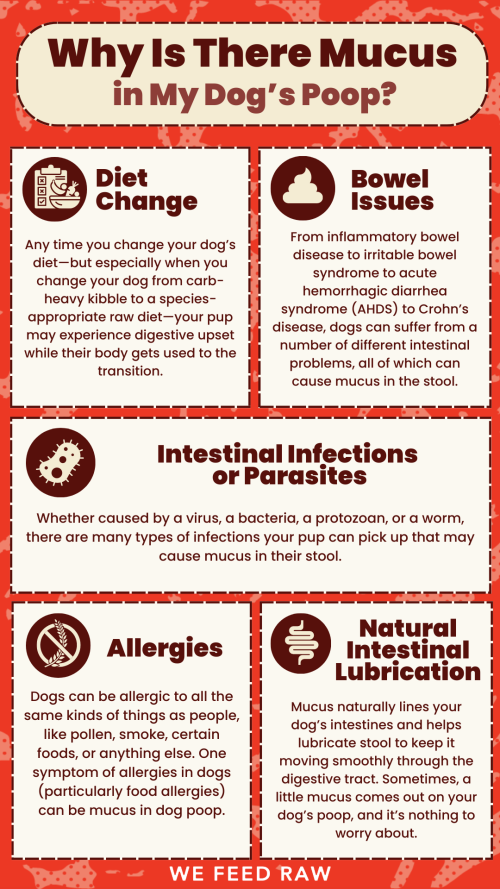

Are you worried because your adult dog suddenly has diarrhea after eating puppy food? You’re not alone.
Many dog owners face this confusing problem and wonder if the food is to blame. Understanding why this happens can help you keep your furry friend healthy and comfortable. You’ll discover the real reasons puppy food might cause digestive trouble for adult dogs—and what you can do to fix it.
Keep reading to find out how to protect your dog’s tummy and avoid unnecessary stress.
Puppy Food Basics
Understanding what makes puppy food different is crucial if you’re wondering why your adult dog might get diarrhea after eating it. Puppy food isn’t just smaller portions or cuter packaging—it’s specially designed to meet the needs of growing dogs. Knowing the basics helps you make better choices for your dog’s diet and health.
Key Ingredients In Puppy Food
Puppy food contains specific ingredients that support growth and development. These include higher levels of protein and fat to fuel their active, growing bodies. You’ll also find added vitamins like DHA for brain development and calcium for strong bones.
Many puppy foods have ingredients like chicken, lamb, or fish as primary protein sources. They often add antioxidants to boost the immune system, which is critical during early stages of life. But these richer ingredients can sometimes be too heavy for adult dogs.
Nutritional Differences From Adult Dog Food
Adult dog food is formulated for maintenance, not growth. It has lower calories and less fat compared to puppy food. This helps prevent weight gain and digestive upset in mature dogs.
Feeding your adult dog puppy food can overwhelm their digestive system. The extra fat and protein might cause diarrhea or stomach discomfort. Have you noticed your dog’s stool changing after switching foods? That’s a sign to reconsider their diet.
Think about your dog’s lifestyle and health needs. Matching food to their age and activity level keeps their digestion smooth and their energy balanced.
Credit: www.splootvets.com
Digestive Impact On Adult Dogs
Adult dogs have different nutritional needs than puppies, especially when it comes to digestion. Feeding your adult dog puppy food can disrupt their digestive system because the ingredients and nutrient balance are tailored for growing pups. Understanding how this mismatch affects digestion helps you make smarter choices for your dog’s health.
How Puppy Food Affects Adult Dog Digestion
Puppy food is rich in protein, fat, and calories to support rapid growth. Adult dogs don’t need as much of these nutrients, so their digestive systems can struggle to process the excess. This often leads to digestive upset because the gut bacteria and enzymes in adult dogs are adapted to a different diet.
Have you noticed your dog’s stool becoming softer or more frequent after switching to puppy food? That’s a common sign their digestion is off balance. The extra fat and protein can overwhelm the digestive tract, causing irritation and faster transit times through the intestines.
Common Digestive Issues Linked To Puppy Food
- Diarrhea:One of the most frequent problems is loose stools or diarrhea, caused by the high-fat content in puppy food.
- Gas and Bloating:Excess nutrients can ferment in the gut, leading to uncomfortable gas and bloating.
- Changes in Appetite:Some adult dogs may eat less or more due to the unbalanced nutrient profile.
- Weight Gain:Over time, the extra calories can cause unwanted weight gain, putting stress on digestion.
Have you ever wondered why your adult dog’s digestion reacts differently to puppy food compared to their usual diet? Understanding these issues helps you prevent discomfort and maintain a happy, healthy dog.
Causes Of Diarrhea In Adult Dogs
Diarrhea in adult dogs can be troubling for both pets and their owners. Understanding what causes it is key to preventing and managing the issue effectively. The causes range from diet-related triggers to underlying health problems, each requiring different attention.
Dietary Triggers
Switching your dog to puppy food might seem harmless, but it can upset their digestive system. Puppy food is richer in calories and nutrients, designed for growing pups, which can be too heavy for adult dogs.
Sudden changes in diet often lead to diarrhea. Even the best dog food can cause trouble if introduced abruptly. Have you noticed your dog’s stool getting loose right after a food switch?
Other common dietary triggers include:
- Eating spoiled or unfamiliar food
- Food allergies or sensitivities
- Overfeeding or feeding too quickly
Other Health Factors
Not all diarrhea is related to food. Parasites like worms or infections can cause digestive upset. If your dog’s diarrhea persists despite diet adjustments, a vet visit is crucial.
Stress and anxiety also play a surprising role. Dogs can develop diarrhea from changes in their environment or routine.
Chronic conditions such as inflammatory bowel disease or pancreatitis might also be culprits. Is your dog showing other signs like lethargy or vomiting alongside diarrhea? These clues help pinpoint the real cause.
Credit: www.diamondpet.com
Expert Opinions On Puppy Food And Diarrhea
Understanding whether puppy food causes diarrhea in adult dogs requires looking into expert opinions. Veterinarians and nutritional experts offer valuable insights based on their experience and research. Their perspectives help you decide what’s best for your dog’s digestive health.
Veterinarian Insights
Many vets warn that feeding adult dogs puppy food regularly can upset their digestion. Puppy food is richer in calories, fat, and certain nutrients designed for growing pups, which might overwhelm an adult dog’s system.
Dr. Emily Harris, a practicing veterinarian, shares that she has seen adult dogs develop loose stools after switching to puppy food. She explains this happens because the dog’s digestive enzymes aren’t always equipped to handle the higher fat and protein levels.
However, vets also stress that occasional puppy food use isn’t usually harmful. The problem arises with long-term feeding, which can lead to nutrient imbalances and gastrointestinal issues.
Nutritional Expert Views
Nutritionists highlight the importance of matching food to your dog’s life stage. Puppy formulas contain extra calcium and phosphorus for bone growth, which adult dogs don’t need in large amounts.
Sarah Kim, a pet nutritionist, points out that excess nutrients can cause diarrhea by irritating the gut lining. She advises pet owners to gradually transition foods rather than making sudden switches.
Experts also suggest checking ingredient lists carefully. Some adult dogs may react to specific additives or protein sources in puppy food that differ from their usual diet.
Are you noticing digestive changes in your dog after feeding puppy food? Consulting your vet or a pet nutritionist can help you tailor a diet that supports your dog’s unique needs.
Managing Diet To Prevent Diarrhea
Feeding adult dogs puppy food can upset their stomach and cause diarrhea. Adjusting diet slowly helps prevent digestive issues and keeps your dog healthy. Choosing appropriate food supports better digestion and comfort for adult dogs.
Managing your dog’s diet is crucial to prevent digestive issues like diarrhea. As your puppy grows into adulthood, their nutritional needs change significantly. Feeding them puppy food, which is richer in calories and nutrients, might upset their stomach and lead to diarrhea. Understanding how to manage this transition can make a big difference in their health and happiness.Switching From Puppy To Adult Food
Transitioning from puppy food to adult food is a significant step. This switch needs to be done at the right time, typically when your dog reaches about 80% of their expected adult size. A sudden change can shock their digestive system, leading to diarrhea. Start by mixing a small amount of adult food with their puppy food. Gradually increase the adult food portion over a week or two. This allows your dog’s digestive system to adjust smoothly.Gradual Diet Changes
Abrupt changes in diet can cause distress. Gradual changes are key. Sudden food changes can lead to loose stools and discomfort for your dog. Introduce new food over a period of 7-10 days. Begin with a mix of 75% old food and 25% new food. Slowly increase the new food portion while reducing the old food. This step-by-step approach minimizes digestive upsets.Choosing The Right Food For Adult Dogs
Selecting the right adult dog food is essential for their health. Look for food that matches your dog’s size, breed, and activity level. A balanced diet supports their overall well-being and prevents digestive issues. Avoid foods with fillers and artificial additives. Check labels for quality ingredients. Consult your vet to ensure you’re making the best choice for your dog’s dietary needs.
Credit: www.houndsy.com
When To Seek Veterinary Care
Diarrhea in adult dogs eating puppy food may not always be serious. Still, some cases need quick veterinary care. Knowing when to seek help protects your dog’s health. Watch for signs that show the problem is more than just a minor upset. Early action can prevent severe illness and complications.
Signs Of Serious Digestive Problems
- Diarrhea lasting more than two days
- Blood or mucus in stool
- Severe vomiting or repeated vomiting
- Loss of appetite for over 24 hours
- Extreme lethargy or weakness
- Dehydration, such as dry gums or sunken eyes
- Abdominal pain or bloating
These signs suggest your dog might have a serious digestive issue. Prompt veterinary care can identify the cause and start treatment fast.
Diagnostic Approaches
Veterinarians use various tests to find the cause of diarrhea. They begin with a physical exam and medical history review. Stool tests check for parasites, bacteria, or infections. Blood tests help assess organ function and detect inflammation.
Sometimes, X-rays or ultrasound scans are needed. These show blockages or abnormalities in the digestive tract. Accurate diagnosis guides the right treatment plan. This helps your dog recover quickly and safely.
Frequently Asked Questions
Can Puppy Food Cause Diarrhea In Adult Dogs?
Yes, puppy food can cause diarrhea in adult dogs due to higher protein and fat. Adult dogs may struggle to digest these nutrients, leading to digestive upset and loose stools.
Why Do Adult Dogs Have Diarrhea After Eating Puppy Food?
Adult dogs may have diarrhea after eating puppy food because their digestive systems differ. Puppy food is richer, which can overwhelm adult dogs’ digestion, causing diarrhea and stomach discomfort.
Is It Safe To Feed Adult Dogs Puppy Food Regularly?
Feeding adult dogs puppy food regularly is not recommended. The nutrient levels are designed for growth, which can cause digestive issues and nutrient imbalances in adult dogs.
How To Transition Adult Dogs From Puppy Food Safely?
Transition adult dogs gradually by mixing puppy food with adult dog food over 7-10 days. This helps their digestive system adjust and reduces the risk of diarrhea and upset stomach.
Conclusion
Puppy food can upset an adult dog’s stomach. Their digestive system needs different nutrients. Feeding the wrong food often leads to diarrhea. Always choose food made for your dog’s age. Watch your dog’s reaction to any diet change. Consult a vet if diarrhea lasts long.
Healthy food helps your dog feel good and strong. Keep meals consistent to avoid stomach problems. Careful feeding means a happier, healthier dog.
