
Training your dog to listen can change everything about your daily life together. Imagine having a pet that responds quickly when you call, follows commands without hesitation, and behaves calmly in any situation.
You want your dog to be that well-behaved companion, right? The good news is, with the right steps, you can make this happen. You’ll discover simple, practical ways to teach your dog to listen and obey. Stick with me, and by the end, you’ll feel confident guiding your dog toward better behavior – making your bond stronger than ever.
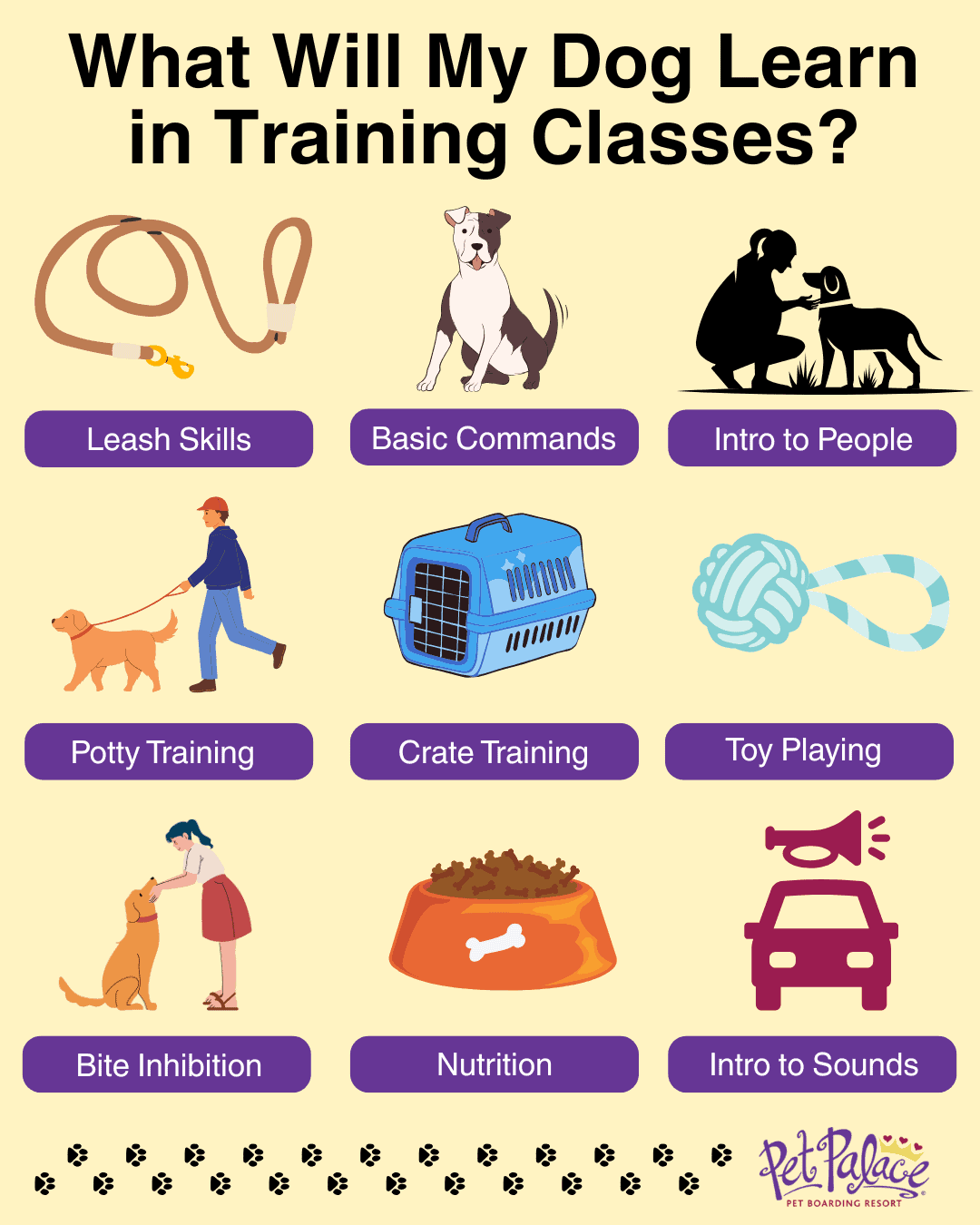
Credit: www.petpalaceresort.com
Choose The Right Training Approach
Choosing the right training approach sets the foundation for a well-behaved dog. Training should be clear and kind. Dogs respond best to methods that build trust and understanding. The right approach helps your dog learn faster and enjoy the process. Here are key points to focus on.
Positive Reinforcement Basics
Positive reinforcement rewards good behavior. This encourages your dog to repeat actions you want. Use treats, praise, or play as rewards. Timing is important—give the reward immediately after the desired behavior. This makes the connection clear. Positive methods make training fun and build your dog’s confidence.
Avoiding Negative Methods
Negative methods can hurt your dog and slow learning. Avoid yelling, hitting, or using shock collars. These cause fear and stress. Fear can cause your dog to ignore commands or act out. Gentle guidance works best. Patience and kindness lead to better results.
Consistency Is Key
Training must be consistent. Use the same commands and signals every time. Everyone in the family should follow the same rules. Consistency helps your dog understand what you expect. Practice daily in short sessions. Repetition strengthens learning and builds good habits.

Credit: pupford.com
Establish Clear Commands
Establishing clear commands is the foundation of effective dog training. Your dog needs to understand exactly what you want to avoid confusion. Clear commands make learning faster and strengthen your bond.
Simple And Distinct Words
Choose short, one-word commands like “sit,” “stay,” or “come.” Simple words reduce misunderstanding and make it easier for your dog to recognize. Avoid using similar-sounding commands close together to prevent confusion.
For example, I used “down” and “no” with very different sounds and meanings. This helped my dog respond quickly without hesitation. You can test this by saying your commands out loud and imagining how they might sound to your dog.
Using Hand Signals
Hand signals add a visual cue that complements your words. Dogs often respond well to gestures, especially in noisy environments. Develop a unique signal for each command and use it consistently.
Try pairing your verbal command with a clear hand movement, like an open palm for “stay” or pointing down for “sit.” Over time, your dog may respond to the signal alone, which is handy when you need silent commands.
Maintaining Tone And Body Language
Your tone of voice and body language tell your dog if you’re serious, happy, or upset. Use a firm but calm tone for commands to show authority without scaring your dog. Avoid shouting, which can cause anxiety or confusion.
Stand tall and face your dog directly when giving commands. Leaning in or using exaggerated gestures can make your instructions clearer. Have you noticed how your dog reacts when you change your tone? Paying attention to this can improve your training success.
Create A Distraction-free Environment
Remove loud noises and distractions to help your dog focus better during training. A quiet, calm space makes listening easier for your pet. This helps your dog understand commands without getting sidetracked.
Creating a distraction-free environment is crucial in training your dog to listen effectively. When teaching new commands, minimizing external stimuli helps your dog focus solely on you and the task at hand. Think of it as setting the stage for success, where your dog can fully concentrate and understand what you’re asking.Starting Indoors
Begin your training sessions indoors, where distractions are minimal. Choose a quiet room free from toys, other pets, and noise. In this controlled environment, your dog can focus entirely on learning commands like sit, stay, and come. Engage your dog with treats or toys to make the training fun. Use clear and consistent commands. Your dog will soon associate these commands with positive outcomes.Gradually Adding Distractions
Once your dog responds well indoors, gradually introduce distractions. Start by adding mild distractions like a TV or a family member walking by. This helps your dog learn to maintain focus even when their surroundings change. If your dog gets distracted, gently redirect their attention back to you. Consistency is key. Reward your dog for staying focused, reinforcing the behavior you want.Training In Different Locations
Varying your training locations is essential for building your dog’s listening skills. Try training in the backyard, then move to a quiet park. Different settings challenge your dog to adapt and listen, no matter where you are. Remember, each new environment will present new distractions. Be patient and gradually increase the complexity of distractions. Celebrate small victories to keep your dog motivated and confident.Use Treats And Rewards Effectively
Using treats and rewards effectively can make a huge difference in how quickly your dog learns to listen. It’s not just about giving a treat every time; it’s about timing, the type of reward, and knowing when to switch things up. This approach builds a strong connection between good behavior and positive outcomes.
Timing Of Rewards
Timing is everything when giving your dog a treat. You want to reward your dog immediately after they follow a command, ideally within one or two seconds. This helps your dog link the behavior with the reward clearly.
Imagine calling your dog to come, but giving the treat a few seconds later—your dog might get confused about what they’re being rewarded for. Stay alert and ready to reward right after the desired action.
Choosing High-value Treats
Not all treats are created equal. Find out what your dog loves most, whether it’s tiny pieces of chicken, cheese, or a special dog biscuit. Using high-value treats can motivate your dog to pay better attention.
Think about times when you felt extra motivated—maybe a bigger reward made you work harder. Your dog feels the same way with tasty rewards. Keep a variety of treats handy and use the most exciting ones for new or difficult commands.
Transitioning To Verbal Praise
Once your dog starts responding well to treats, it’s time to mix in verbal praise. Gradually reduce treats and add enthusiastic words like “Good job!” or “Well done!” to keep your dog engaged without always needing food.
Verbal praise builds your dog’s trust and strengthens your bond. Ask yourself: how can you keep your dog excited to listen even without treats? Try pairing praise with petting or play to make it feel just as rewarding.
Practice Short, Frequent Sessions
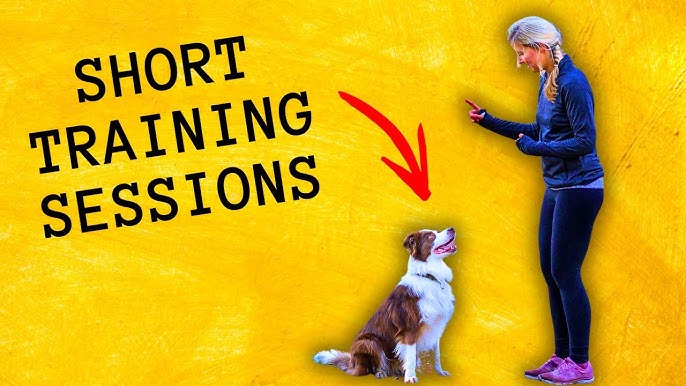
Practice short, frequent sessions to train your dog effectively. Dogs have limited attention spans, so brief training bursts keep them focused and eager to learn. Consistency over time builds strong habits without overwhelming your pet or you.
Avoiding Overtraining
Too much training at once can tire your dog and cause frustration for both of you. Short sessions lasting 5 to 10 minutes prevent boredom and stress. Have you noticed your dog zoning out or losing interest quickly? That’s a sign it’s time to pause and try again later.
Overtraining can also lead to resistance, making your dog less willing to listen next time. Keep an eye on their body language—if they seem distracted or anxious, it’s best to stop. It’s better to end on a positive note than push through and risk setbacks.
Keeping Sessions Engaging
Variety keeps your dog excited to learn. Mix up commands, use different rewards, and change locations to maintain their interest. For example, switch between practicing “sit” indoors and “come” in the park.
Adding playtime or quick breaks between commands can make the session feel like fun, not work. You want your dog to associate training with positive experiences. Have you tried using toys or treats that your dog really loves? That can make a big difference.
Tracking Progress
Keeping track of what your dog learns helps you see improvements and spot areas needing more work. Use a simple notebook or an app to note which commands your dog masters and which ones need extra practice.
Documenting progress also motivates you to keep consistent. What if you realized your dog already knows “stay” but struggles with “heel”? This insight helps tailor sessions to be more effective.
Regularly reviewing progress ensures you celebrate small wins and stay patient with challenges. How often do you check your dog’s learning milestones? Setting goals for each week can keep you both on track.

Credit: www.youtube.com
Address Common Listening Challenges
Training your dog to listen well means tackling some common challenges head-on. Understanding these hurdles helps you create a better learning environment and strengthens your bond. Let’s look closely at what often holds dogs back from listening and how you can address these issues effectively.
Dealing With Distractions
Distractions can pull your dog’s attention away quickly. Start training in a quiet space where there are fewer things competing for their focus. Gradually add distractions, like toys or other people, but keep sessions short to avoid overwhelming your dog.
Try using high-value treats or favorite toys as rewards when your dog listens despite distractions. This helps your dog connect listening with positive outcomes. Have you noticed which distractions your dog finds hardest? Target those specifically in your training.
Managing Stubborn Behavior
Sometimes, your dog might simply ignore commands out of stubbornness. Instead of repeating commands louder or getting frustrated, change your approach. Use a calm but firm tone and give clear, consistent cues.
Reward small improvements to encourage cooperation. If your dog resists, take a break and try again later with fresh energy. Think about what motivates your dog most—is it treats, praise, or play? Use that to break through stubborn moments.
Improving Focus And Attention
Building your dog’s focus takes patience and practice. Short, frequent training sessions work better than long, tiring ones. Keep sessions fun and vary commands to keep your dog engaged.
Use eye contact as a tool. Call your dog’s name and reward when they look at you. Over time, your dog will learn that paying attention to you leads to good things. What small signs show your dog is starting to focus better?
Incorporate Socialization
Socializing your dog plays a key role in teaching them to listen. When dogs interact with different people, animals, and environments, they learn important social cues and become more adaptable. This makes it easier for you to get their attention and maintain control in various situations.
Introducing New People And Pets
Start by gently exposing your dog to new people and pets in calm settings. Let your dog observe from a distance before allowing closer interaction. This approach helps prevent overwhelming your dog and builds positive associations.
Have you noticed how your dog reacts when meeting someone new? If they seem nervous, give them space and reward calm behavior. This teaches your dog that staying relaxed around strangers leads to good things.
Using Group Training Classes
Group classes offer a controlled environment where your dog can practice listening while distracted. Being around other dogs and people challenges your dog to focus on your commands despite the excitement.
Choose classes that match your dog’s temperament and skill level. The consistency of weekly sessions helps reinforce good habits. Plus, trainers can provide useful tips tailored to your dog’s needs.
Building Confidence
A confident dog listens better because they feel safe and understand what’s expected. Help your dog gain confidence by celebrating small wins during social situations and training sessions.
Try simple activities like walking near new environments or meeting friendly dogs on leash. Notice how your dog’s body language changes as they grow more comfortable. How can you make these moments more rewarding for your dog?
Maintain Training Long-term
Maintaining your dog’s training over time is key to keeping good behavior. Consistency helps your dog understand what you expect. Training should become part of daily life. This keeps skills sharp and builds a strong bond.
Regular Practice
Practice commands every day, even for a few minutes. Short, frequent sessions work best. Practice in different places and situations. This helps your dog listen no matter the environment. Regular practice stops skills from fading away.
Reinforcing Commands
Always reward your dog for obeying commands. Use treats, praise, or play as rewards. Reinforcement encourages your dog to repeat good behavior. Avoid punishment, as it can create fear or confusion. Clear rewards make learning positive and fun.
Adapting To Your Dog’s Growth
Adjust training as your dog changes with age. Puppies need more patience and simple commands. Adult dogs can handle more complex tasks. Senior dogs may need slower pace and gentle reminders. Pay attention to your dog’s needs and abilities over time.
Frequently Asked Questions
How Long Does It Take To Train My Dog To Listen?
Training duration varies by dog’s age, breed, and consistency. Most dogs respond well within a few weeks of daily practice. Patience and positive reinforcement speed up the learning process. Regular short sessions improve focus and retention for better listening skills.
What Are The Best Commands To Teach My Dog First?
Start with essential commands like “sit,” “stay,” “come,” and “heel. ” These commands build a foundation for good behavior and control. Use clear, consistent cues and reward your dog immediately. Early mastery of these commands promotes better listening and obedience.
How Can I Improve My Dog’s Listening Skills At Home?
Minimize distractions during training sessions to enhance focus. Use treats and praise to motivate your dog. Practice commands in different rooms and environments. Consistent, short training sessions daily improve listening skills effectively and strengthen your bond.
Why Is Positive Reinforcement Important In Dog Training?
Positive reinforcement encourages desired behaviors by rewarding your dog. It builds trust and makes training enjoyable. Avoid punishment, which can create fear and confusion. Rewards like treats and praise motivate your dog to listen and obey commands consistently.
Conclusion
Training your dog to listen takes time and patience. Keep sessions short and fun. Use clear commands and reward good behavior. Consistency helps your dog understand what you want. Practice daily to build strong habits. Remember, every dog learns at their own pace.
Stay calm and positive throughout training. Enjoy the process and celebrate small wins. Good listening makes life easier for both of you. Keep training simple and steady for best results. Your dog will thank you with better behavior.