
Training your dog can sometimes feel like an uphill battle. You want your furry friend to listen, behave, and stay safe, but getting there isn’t always easy.
That’s where a shock collar can come in handy—as a tool to help you communicate clearly with your dog. If you’re wondering how to use a shock collar the right way, this guide is for you. By the end, you’ll understand how to train your dog effectively while keeping their well-being in mind.
Ready to take the next step in your dog training journey? Let’s dive in.

Credit: pawproshop.com
Choosing The Right Shock Collar
Choosing the right shock collar is crucial for effective and humane dog training. The collar you pick should match your dog’s size, temperament, and training needs. A well-chosen collar makes training smoother and safer for both you and your dog.
Types Of Shock Collars
There are several types of shock collars available, each designed for different training styles and dog behaviors. Some collars offer static stimulation, which delivers a mild electric pulse. Others include vibration or beep options as alternatives to the shock.
Remote-controlled collars give you more control during outdoor training, while automatic collars activate based on your dog’s behavior. Think about what fits your training goals best—do you need a collar for correcting barking or one for off-leash training?
Features To Consider
Look for collars with adjustable intensity levels so you can start at the lowest setting and only increase if necessary. Waterproof collars are a smart choice if your dog loves water or if you train in different weather conditions.
Battery life is another key feature. A collar that dies quickly can interrupt training and cause frustration. Some models also include safety features like automatic shut-off to prevent over-correction.
Sizing And Fit
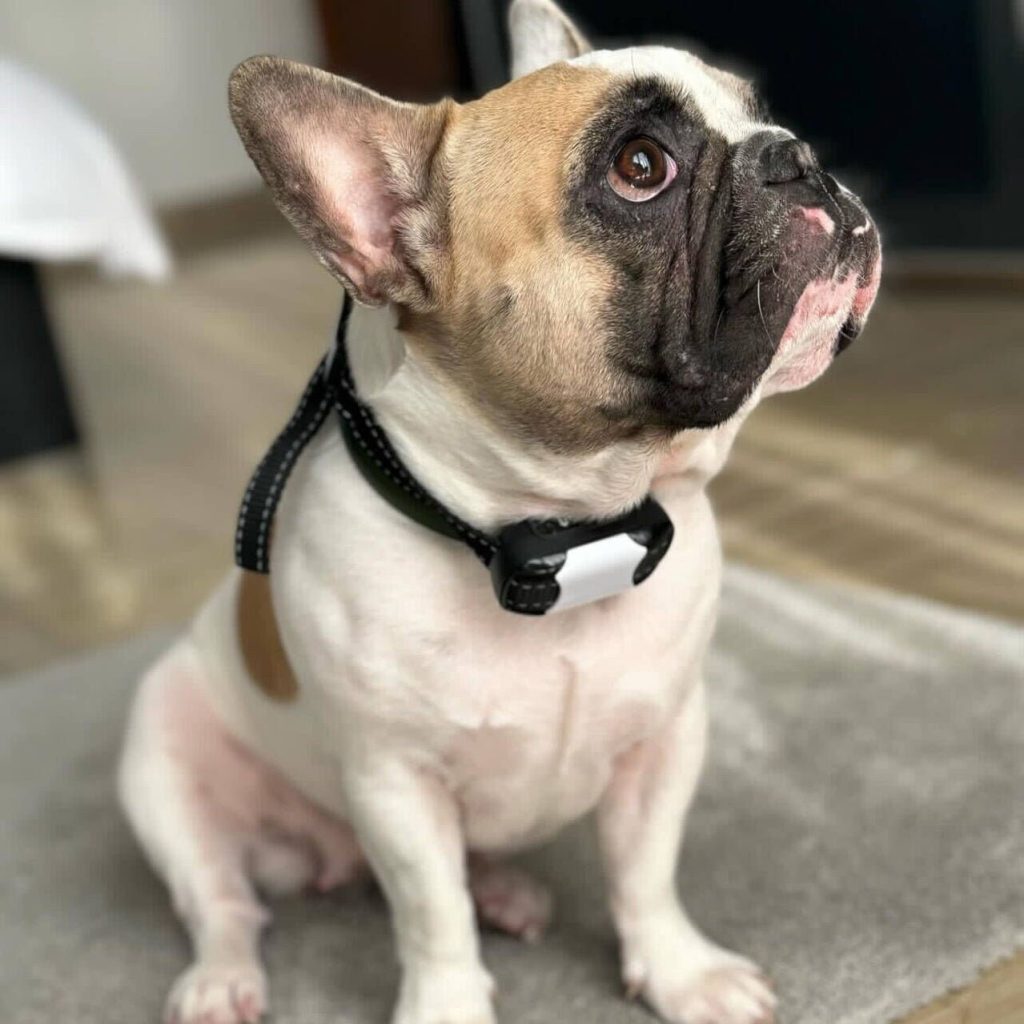
The collar must fit your dog comfortably without being too tight or too loose. You should be able to fit two fingers between the collar and your dog’s neck. A poorly fitting collar can cause discomfort or even injury.
Measure your dog’s neck accurately before purchasing and check if the collar is adjustable. Remember, a collar that fits well is more effective and ensures your dog stays safe throughout the training process.
Preparing Your Dog For Training
Preparing your dog for training with a shock collar is crucial to ensure a smooth and positive experience. This phase helps your dog get used to the collar without fear or stress. Taking time here can make your training more effective and build trust between you and your dog.
Introducing The Collar
Start by letting your dog wear the collar without turning it on. This helps them get comfortable with the new sensation around their neck.
Allow your dog to explore and move freely while wearing the collar for short periods. You can use treats or playtime to create a positive association with the collar.
Watch for signs of discomfort or irritation, and adjust the fit if needed. A snug but not tight collar works best.
Observing Your Dog’s Reaction
Once your dog is used to wearing the collar, observe their behavior closely when you activate it at the lowest setting.
Look for subtle cues like ear position, tail movement, or sudden attention shifts. These signals tell you how your dog feels about the stimulus.
Be ready to pause or stop if your dog shows signs of fear or distress, such as whining, trembling, or trying to remove the collar.
Setting Initial Intensity Levels
Begin with the lowest intensity level that your dog can feel but doesn’t find uncomfortable. This is often enough to get their attention without causing pain.
Test different settings briefly and watch your dog’s reactions. Increase intensity gradually only if your dog does not respond at lower levels.
Remember, the goal is to communicate, not punish. Using the collar responsibly ensures your dog learns effectively and stays confident.
Basic Training Techniques
Using a shock collar requires patience and care to avoid hurting your dog. Start with low settings and reward good behavior immediately. Consistent training helps your dog learn commands faster and stay safe.
Training your dog with a shock collar requires a clear understanding of basic techniques to ensure effective and humane instruction. While some may have reservations about using a shock collar, when used correctly, it can be a valuable tool in reinforcing desired behaviors. It’s essential to focus on the right training methods to maximize positive results and maintain a strong bond with your pet.Using Positive Reinforcement
Despite the shock collar’s purpose, it’s crucial to integrate positive reinforcement into your training regimen. Reward your dog with treats, praise, or playtime when they respond correctly to commands. This encourages them to associate the collar’s stimulus with positive outcomes, making training sessions more enjoyable and effective.Timing The Stimulus
Timing is everything when using a shock collar. The stimulus should be applied at the moment your dog exhibits unwanted behavior, not after the fact. Quick and timely responses help your dog connect the behavior with the consequence, making it easier for them to learn and adjust their actions.Combining Commands With The Collar
Pair verbal commands with the collar’s stimulus for more effective training. Start with simple commands like “sit” or “stay,” and give the stimulus as you issue the command. This combination helps your dog understand what is expected, reinforcing the association between your words and the collar’s signal. By focusing on these techniques, you’re not just training your dog—you’re building a relationship based on trust and understanding. What has been your experience in using a shock collar for training? Share your thoughts and tips in the comments below.
Credit: www.calmshops.co.uk
Common Training Scenarios
Using a shock collar can be effective if you apply it thoughtfully to common training challenges. The key is understanding the specific behavior you want to change and setting clear expectations for your dog. Let’s look at some typical situations where a shock collar might help you guide your dog toward better habits.
Stopping Barking
Barking is a natural behavior, but constant noise can be frustrating. A shock collar can interrupt excessive barking, helping your dog learn when to stay quiet. Start by observing what triggers the barking—doorbells, strangers, or boredom.
Use the collar’s tone or vibration feature first, reserving the shock as a last step. Timing is crucial: apply the correction immediately when the barking begins. This helps your dog connect the behavior with the consequence quickly.
Have you tried rewarding quiet moments with treats? Combining positive reinforcement with the collar’s corrective signals can speed up the learning process.
Preventing Running Away
Running off can be dangerous, especially in busy areas. A shock collar can remind your dog to stay close when you call them back. Practice recall training in a safe, enclosed space before testing it outdoors.
Set the collar to a low stimulation level and activate it only if your dog ignores your calls. This helps avoid fear or anxiety, keeping the experience positive. Consistency is vital—always use the same command and correction to avoid confusion.
Think about how your dog responds to distractions. Are they motivated by play or treats? Use these incentives along with the collar to reinforce coming back promptly.
Correcting Aggressive Behavior
Aggression can be complex, often rooted in fear or territorial instincts. A shock collar might help interrupt aggressive outbursts, but it’s not a standalone solution. Pair the collar with professional guidance and behavior modification techniques.
Apply the correction at the first sign of aggression, such as growling or lunging. This brief interruption can give you a chance to redirect your dog’s attention. Avoid high-level shocks that may escalate fear or aggression.
Have you noticed what triggers your dog’s aggression? Identifying and managing these triggers is just as important as the collar training itself.
Avoiding Mistakes
Using a shock collar to train a dog needs care and attention. Avoiding common mistakes helps make training safe and effective. Small errors can cause confusion or stress for your dog. Focus on understanding your dog’s reactions and using the collar responsibly.
Overusing The Shock
Too much shock can harm your dog’s trust. Use the collar only when necessary. Keep the shocks brief and at the lowest effective level. Overuse can cause fear or aggression. Training works best with gentle, clear corrections.
Ignoring Dog’s Signals
Your dog will show signs of stress or discomfort. Pay close attention to body language and behavior. If your dog seems scared or confused, stop and reassess. Proper training respects your dog’s feelings. Adjust your approach based on these signals.
Failing To Reward Good Behavior
Rewarding good behavior encourages your dog to learn. Use treats, praise, or play as positive rewards. Avoid relying only on the shock collar for control. A balance between correction and reward builds trust and motivation. Celebrate small successes to keep your dog engaged.
Maintaining Your Shock Collar
Maintaining your shock collar ensures it works well and lasts longer. Regular care keeps the device safe for your dog. It also helps avoid unexpected failures during training sessions.
Battery Care
Check the battery level before each use. Replace or recharge batteries as needed. Avoid letting the battery fully drain. Store batteries in a cool, dry place. Use only batteries recommended by the manufacturer.
Cleaning And Inspection
Wipe the collar and receiver with a damp cloth. Avoid using harsh chemicals or soaking the device. Inspect the collar for cracks or loose parts. Check the contact points for dirt or hair. Clean contact points gently to maintain good connection.
Safe Storage
Store the collar in a dry, cool area. Keep it away from direct sunlight and moisture. Avoid placing heavy objects on top of it. Remove batteries if storing for a long time. Use a protective case to prevent damage.

Credit: eileenanddogs.com
Frequently Asked Questions
How Does A Shock Collar Help Train Dogs?
A shock collar provides controlled stimuli to correct unwanted behaviors. It helps reinforce commands and improve obedience when used responsibly.
Is Using A Shock Collar Safe For Dogs?
Yes, when used correctly and at low settings, shock collars are safe. Always follow manufacturer guidelines and avoid prolonged use.
Can Shock Collars Replace Traditional Training Methods?
No, shock collars should complement, not replace, positive reinforcement and consistent training techniques for best results.
How Do I Properly Fit A Shock Collar On My Dog?
Place the collar snugly around the neck, touching the skin. Avoid placing it too tight or too loose to ensure effectiveness.
Conclusion
Training a dog with a shock collar takes patience and care. Always start with low levels and watch your dog’s reactions. Use the collar as a tool, not a punishment. Consistency helps your dog learn faster and behave better. Remember, kindness builds trust between you and your dog.
Training should be safe, clear, and fair. With time, your dog will understand commands and behave well. A happy dog means a happy owner. Keep practicing and stay positive throughout the process.