
Do you want your dog to fetch like a pro? Teaching your dog to play fetch is easier than you think.
Not only is fetch a fun game, but it also helps your dog stay active and strengthens the bond between you. In this guide, you’ll discover simple, step-by-step tips that make training fetch enjoyable for both you and your furry friend.
Keep reading, and soon your dog will be chasing and retrieving like a champ!
Benefits Of Fetch
Playing fetch is more than just a fun game for your dog. It offers a range of benefits that improve your dog’s health and happiness. Understanding these benefits helps you appreciate why teaching fetch can be one of the best activities you share with your furry friend.
Physical Exercise
Fetch gives your dog a great way to burn off energy. Running to catch and retrieve the ball or toy works their muscles and improves endurance. This activity helps maintain a healthy weight and keeps your dog’s joints and heart strong.
Dogs often get restless without enough exercise. Playing fetch regularly can reduce unwanted behaviors like chewing or excessive barking. How much exercise does your dog need each day to stay calm and happy?
Mental Stimulation
Fetch challenges your dog’s brain as well as their body. They must focus on the thrown object and figure out how to bring it back to you. This sharpens their problem-solving skills and improves memory.
Training your dog to fetch also reinforces commands and listening skills. It turns playtime into a learning session, which can prevent boredom. Have you noticed how mentally tired your dog feels after a good game of fetch?
Bonding With Your Dog
Playing fetch strengthens the connection between you and your dog. It creates a shared experience based on trust and fun. Your dog learns to look to you for guidance and rewards, building a deeper relationship.
Spending focused time together improves communication and mutual respect. You’ll see your dog’s excitement and loyalty grow with each game. What moments with your dog make you feel closest?
Credit: www.newsweek.com
Choosing The Right Toy
Choosing the right toy is a crucial part of teaching your dog to play fetch. The toy you pick can either make the game exciting or frustrating for your furry friend. It’s important to find something that keeps your dog interested, safe, and comfortable while playing.
Safe And Durable Options
Safety should be your top priority. Avoid toys that can easily break or have small parts your dog might swallow. Look for toys made from non-toxic materials that can withstand chewing and rough play.
My dog once shredded a cheap tennis ball in minutes, which left him with sore gums. After switching to a rubber ball designed for dogs, he played longer and stayed safe. Durable toys not only last longer but protect your dog’s teeth and health.
Consider brands known for quality dog toys, like Kong or Chuckit!, which offer a variety of tough, safe options. Also, regular inspection of toys ensures they don’t become a hazard over time.
Size And Texture Considerations
The size of the toy matters as much as its material. If it’s too small, your dog might swallow it, risking choking. Too big, and your dog may struggle to carry it comfortably during fetch.
Think about your dog’s breed and mouth size. A small terrier needs a different toy than a large retriever. Try different sizes to see what your dog picks up easily and enjoys chasing.
Texture is another factor. Some dogs prefer soft plush toys, while others like firm rubber or rope. Notice how your dog reacts—does she shake the toy vigorously or gently carry it? Matching texture to your dog’s preference will keep the game fun and engaging.
Preparing Your Dog
Start by choosing a quiet place with few distractions. Use a favorite toy and keep training sessions short and fun. Encourage your dog with gentle praise and treats to build interest in fetch.
Preparing your dog to play fetch is a rewarding journey that strengthens your bond and keeps them physically and mentally stimulated. Before you start, it’s essential to lay a solid foundation to ensure your dog is ready and eager for the game. This preparation involves teaching basic obedience commands and building their interest in toys, both crucial steps in setting the stage for a fun and successful fetch experience.Basic Obedience Commands
Teaching your dog basic obedience commands like “sit,” “stay,” and “come” is crucial. These commands create a sense of discipline and understanding, making it easier for your dog to grasp the rules of fetch. A simple game of fetch can quickly turn chaotic without these commands in place. Imagine calling your dog back when they’ve run too far off chasing the ball. Basic commands are your lifeline in such situations. Practicing these commands regularly, even outside of fetch training, helps reinforce them.Building Interest In Toys
Not all dogs naturally have an interest in toys, which can make fetch training challenging. Introduce toys gradually, starting with ones that are soft and easy for your dog to carry. Observe which toys your dog responds to the most. Use treats or a favorite snack to encourage interaction with these toys. Does your dog have a natural preference for certain textures or sizes? Pay attention to these details as they can significantly impact your fetch training success. Regular play sessions with these toys can help build the excitement needed for a fun game of fetch. By focusing on these aspects, you’re setting the stage for a successful fetch training experience. Are you ready to see your dog’s eyes light up with enthusiasm every time you reach for that ball?Step-by-step Fetch Training
Training your dog to play fetch can be a fun and rewarding experience for both of you. It builds trust and sharpens your dog’s focus. Let’s break down the process into clear, manageable parts to help your dog master fetch with confidence.
Introducing The Fetch Toy
Start by picking a toy your dog loves or shows interest in. Let your dog sniff, paw, and mouth the toy to get comfortable with it.
Hold the toy in front of your dog and praise them for any interaction, like touching or picking it up. This builds positive association with the fetch toy.
Encouraging The Chase
Once your dog is comfortable with the toy, toss it a short distance on the ground. Cheer your dog on as they chase after it.
If your dog hesitates, try moving closer or rolling the toy gently to spark their interest. Your enthusiasm will motivate your dog to pursue the toy.
Teaching The Release
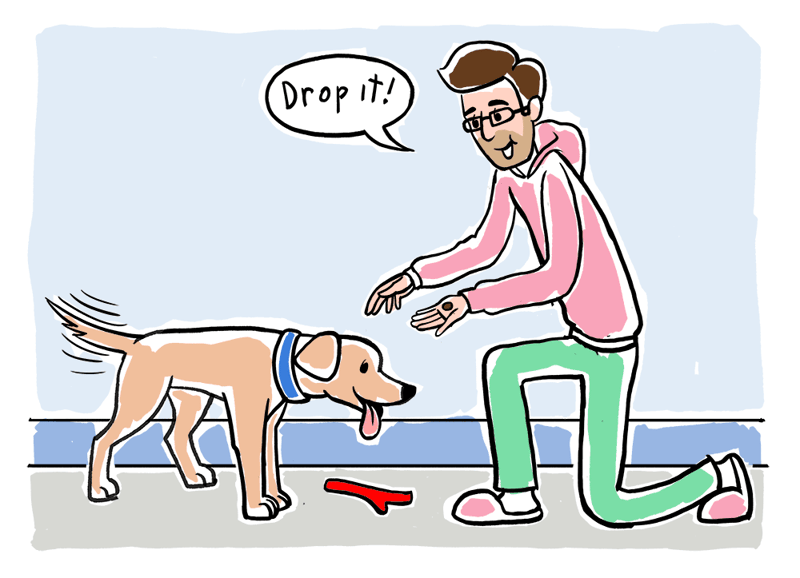
Getting your dog to bring the toy back is just the first step; teaching them to let go is crucial. Offer a treat or another toy as a trade when your dog returns with the fetch toy.
Practice the “drop it” command by rewarding your dog the moment they release the toy. This helps your dog understand that giving up the toy leads to positive outcomes.
Adding The Throw
When your dog consistently chases and returns the toy, start throwing it farther. Increase the distance gradually to build your dog’s stamina and excitement.
Try throwing the toy in different directions to keep your dog engaged. This also helps improve their agility and listening skills.
Reinforcing With Rewards
Use treats, praise, or extra playtime as rewards to reinforce the fetch behavior. Consistent rewards help your dog link fetch with something enjoyable.
Remember, timing matters. Reward your dog immediately after they return and release the toy to strengthen the connection.
What reward does your dog respond best to? Experiment with different treats or games to keep fetch training fresh and exciting.
Common Challenges
Training your dog to play fetch can be a joyful experience, but it often comes with its share of challenges. Understanding these common hurdles helps you stay patient and find the right solutions. Let’s look at some typical issues you might face and how to handle them effectively.
Dog Doesn’t Bring Toy Back
One of the most frequent frustrations is when your dog chases the toy but doesn’t return it. This behavior can stem from a lack of understanding or simply because your dog sees the toy as a new chew or possession.
Try rewarding your dog the moment they come back, even if they don’t have the toy. Use treats or praise to encourage the return. You can also teach a “drop it” command separately to make handing over the toy easier.
Lack Of Interest In Fetch
Sometimes, your dog might not show much enthusiasm for fetch at all. This can happen if fetch doesn’t align with their natural play style or if they haven’t found the right toy yet.
Experiment with different toys—balls, frisbees, or squeaky toys—to see what excites your dog. Keep sessions short and fun to build positive associations. If your dog still resists, ask yourself: what games do they love? You might find a better way to bond through play.
Overexcitement Or Distraction
Overexcited dogs can be tricky to manage during fetch, often rushing off without waiting for your signal or getting distracted by their surroundings. This breaks the flow of the game and can make training feel like a battle.
Focus on building impulse control by practicing simple commands like “sit” and “stay” before throwing the toy. Choose quiet, familiar places to reduce distractions. Remember, even a few minutes of calm focus can improve your dog’s attention dramatically.
Advanced Fetch Techniques
Advanced fetch techniques take the classic game to a new level. These methods build on basic skills and keep your dog excited. They improve your dog’s focus, obedience, and physical fitness. Try these ideas to make fetch more fun and useful.
Playing Indoors
Indoor fetch works well in small spaces. Use soft toys or balls that won’t break things. Clear an area free of obstacles for safe play. Short throws keep the game controlled and fun. This approach is great for rainy days or apartment living. It helps your dog burn energy without going outside.
Using Fetch For Training
Fetch can teach important commands and manners. Ask your dog to “sit” or “stay” before throwing the toy. Reward your dog for bringing the toy back quickly. Use fetch to practice “drop it” or “leave it” commands. This method increases your dog’s discipline while playing. It makes training feel like a fun activity.
Variations Of Fetch Games
Change the game to keep your dog interested. Try hiding the toy and letting your dog find it. Use different toys to add variety. Play fetch with a frisbee for a flying challenge. Let your dog chase you instead of the toy sometimes. These changes sharpen your dog’s senses and skills.
Safety Tips During Fetch
Playing fetch is fun but safety should be a priority. Dogs can get tired or hurt if not careful. Knowing how to keep your dog safe helps make fetch more enjoyable. Follow these tips to protect your dog during playtime.
Avoiding Overexertion
Dogs can get tired quickly, especially in hot weather. Watch for signs like heavy panting, slowing down, or limping. Stop play before your dog becomes too tired. Offer water breaks often to keep your dog hydrated. Shorter sessions work better for puppies and older dogs.
Safe Play Areas
Choose a place free from traffic and hazards. Grass fields or fenced yards are ideal. Avoid areas with sharp objects, glass, or holes. Make sure the ground is even to prevent injuries. Keep away from busy roads or crowded parks.
Monitoring Health
Check your dog’s body before and after fetch. Look for cuts, swelling, or limping. Watch your dog’s breathing and energy levels closely. Stop play if your dog shows signs of pain or discomfort. Regular vet visits help catch health issues early.
Credit: www.youtube.com

Credit: www.youtube.com
Frequently Asked Questions
How Long Does It Take To Train A Dog To Fetch?
Training a dog to fetch usually takes one to two weeks of consistent practice. Short daily sessions help dogs learn faster and stay engaged.
What Is The Best Age To Start Fetch Training?
Puppies as young as 8 weeks old can start fetch training. Early training builds good habits and strengthens your bond.
Which Toys Work Best For Teaching Fetch?
Soft balls, rubber toys, and frisbees are ideal for fetch training. Choose toys safe for your dog’s size and chewing habits.
How Do I Motivate My Dog To Fetch?
Use treats, praise, and play to encourage fetching. Positive reinforcement makes fetch fun and rewarding for your dog.
Conclusion
Training your dog to play fetch builds a strong bond and keeps them active. Practice regularly, stay patient, and celebrate small wins. Use clear commands and reward good behavior every time. Play fetch in safe, open spaces to keep your dog happy.
Enjoy the fun moments as your dog learns this simple game. Fetch is more than play—it’s a way to connect and exercise together. Keep sessions short and positive for the best results. Your dog will love the game, and so will you.