Are you wondering if feeding your adult dog puppy food could cause harm? It’s a common question for many dog owners like you who want the best for their furry friends.
Choosing the right food is crucial because what you feed your dog affects their health, energy, and happiness. But could giving adult dogs puppy food actually hurt them? Keep reading to discover the surprising facts and expert advice that will help you make the best choice for your dog’s diet.
Your dog’s well-being depends on it!
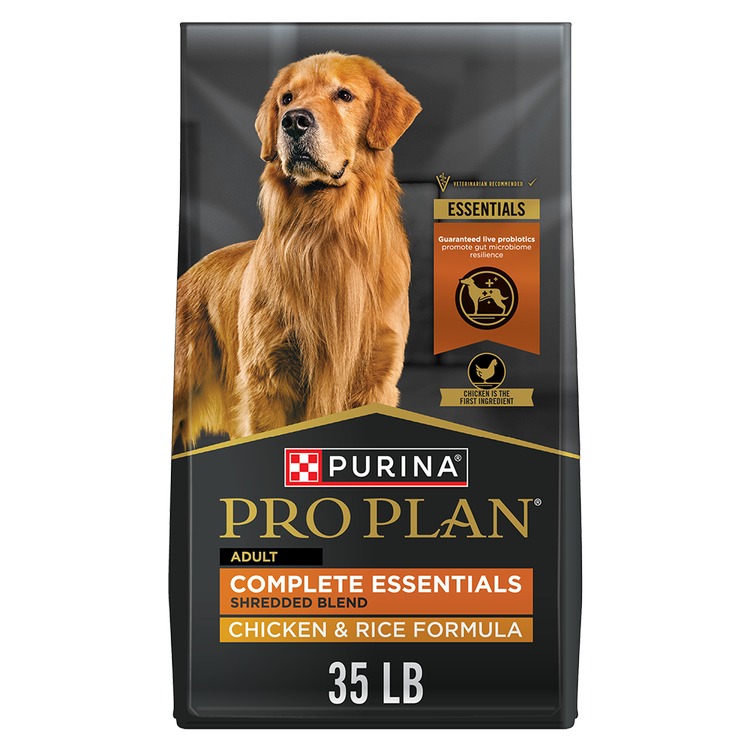
Credit: www.purina.com
Adult Dogs And Puppy Food
Adult dogs and puppy food are not designed the same way. Puppy food supports fast growth and high energy. Adult dogs have slower metabolism and different needs. Feeding puppy food to an adult dog can cause issues. Understanding these differences helps keep dogs healthy.
Nutritional Differences
Puppy food contains more vitamins and minerals. It supports bone growth and brain development. Adult dog food focuses on maintenance and balanced nutrition. Too many nutrients can stress an adult dog’s body. Nutritional balance is key for long-term health.
Calorie And Protein Content
Puppy food has higher calories to fuel growth. Protein levels are also higher for muscle building. Adult dog food has moderate calories to prevent weight gain. Excess calories can lead to obesity in adult dogs. Proper calorie control helps maintain ideal weight.
Impact On Growth And Weight
Feeding puppy food to adult dogs may cause rapid weight gain. This can lead to joint problems and health risks. Puppy food is not harmful in small amounts but not ideal long-term. Balanced adult dog food supports healthy weight and body condition.
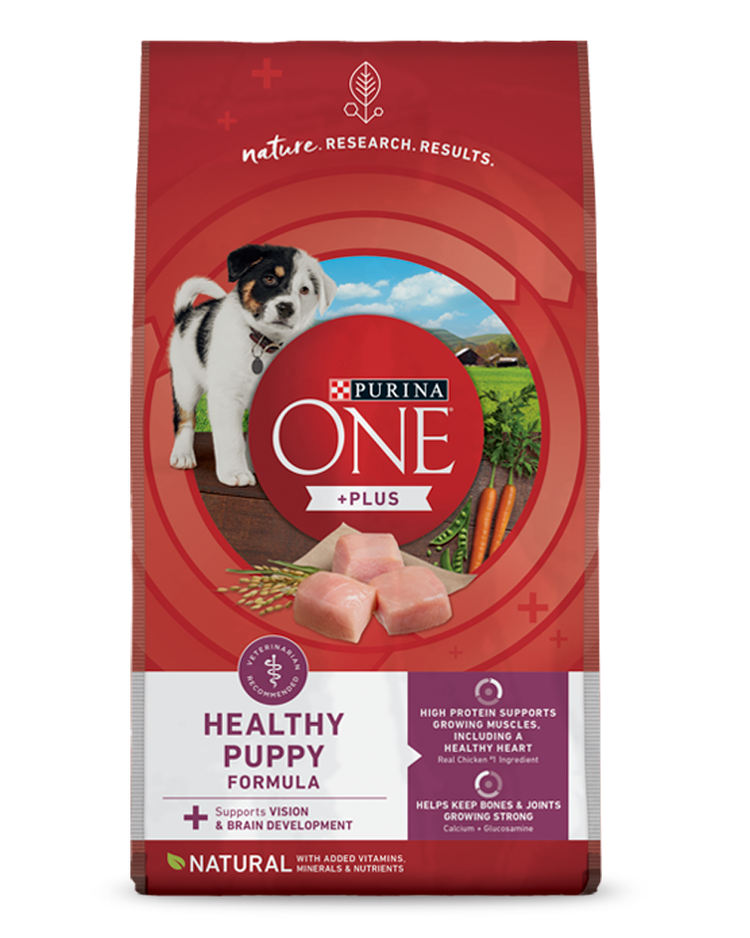
Credit: www.purina.com
Potential Health Risks
Feeding adult dogs puppy food might seem harmless, but it can lead to several health problems. Puppy food is designed to meet the needs of growing dogs, which are very different from adults. Ignoring this difference can cause issues that affect your dog’s well-being.
Digestive Issues
Puppy food is richer in fats and proteins, which can be hard for adult dogs to digest. You may notice symptoms like diarrhea, vomiting, or stomach discomfort if your dog eats puppy food regularly. These digestive problems happen because adult dogs have slower metabolisms compared to puppies.
Have you seen your dog’s stool change or noticed them feeling lethargic after switching their diet? These signs could mean their digestive system is struggling with the wrong food.
Nutrient Imbalance
Puppy food contains extra nutrients like calcium and calories to support growth. Feeding this to an adult dog can result in too many nutrients, causing imbalances. For example, too much calcium can lead to joint problems or kidney stress in adult dogs.
It’s important to consider whether your dog’s current food matches their life stage. Are you aware that adult dogs need fewer calories but enough fiber and vitamins to stay healthy?
Long-term Effects
Consistently feeding puppy food to an adult dog can cause serious health concerns over time. Excess calories may lead to obesity, which brings risks like diabetes and heart disease. Nutrient overload can strain organs, potentially shortening your dog’s lifespan.
Think about your dog’s future health when choosing their diet. Are you willing to risk these problems just because puppy food looks more appealing or is easier to find?
When Puppy Food Might Be Beneficial
Adult dogs can sometimes eat puppy food without harm, especially if they need extra nutrients. Puppy food is richer, so long-term feeding might cause weight gain. Switching back to adult food after a short time is usually safe.
When Puppy Food Might Be Beneficial Puppy food is packed with nutrients. It’s designed to support growth and development. But, it’s not just for puppies. Adult dogs might benefit too. Specific situations can make it beneficial. Let’s explore these scenarios.Senior Dogs With Special Needs
Some senior dogs struggle with eating. They may have dental issues. Puppy food is often softer. Easier to chew and digest. It provides extra nutrients. This can help maintain their health. Especially if they’re losing weight. Or lack appetite.Dogs Recovering From Illness
Illness can weaken dogs. They need more nutrients to heal. Puppy food can offer this. It’s rich in calories and proteins. Perfect for building strength. Aiding faster recovery. Consult a vet before making changes.High Energy Requirements
Active dogs burn calories fast. They need more energy. Puppy food is high in calories. Ideal for energetic breeds. Or dogs with demanding activities. It helps maintain their energy levels. Ensures they stay active and healthy.Signs Of Feeding Problems
Recognizing signs of feeding problems in adult dogs is important for their health. Feeding the wrong food, like puppy food, can cause issues that affect behavior and body. Watch your dog closely to spot early signs of discomfort or illness related to diet. Early detection helps prevent serious problems and ensures your dog stays happy and healthy.
Behavioral Changes
Changes in behavior can signal feeding problems. Your dog might:
- Refuse to eat or eat less than usual
- Show restlessness or irritability
- Become unusually tired or less active
- Display signs of anxiety around mealtime
Such changes suggest your dog’s body may not be adjusting well to the food.
Physical Symptoms
Physical signs often show feeding issues clearly. Look for:
- Upset stomach or vomiting
- Diarrhea or constipation
- Excessive gas or bloating
- Weight loss or sudden weight gain
- Changes in coat condition, such as dullness or hair loss
These symptoms indicate that the food may not be suitable for your adult dog.
Veterinary Alerts
Your vet can spot feeding problems during checkups. Pay attention to:
- Abnormal blood test results
- Signs of nutrient imbalances
- Digestive tract issues detected by examination
- Recommendations to change diet for better health
Professional advice helps keep your dog’s diet safe and balanced.
Choosing The Right Food
Choosing the right food for your adult dog is more important than you might think, especially if you’re considering feeding them puppy food. Adult dogs have different nutritional needs compared to puppies, so understanding what to look for in dog food can help you avoid potential health issues. Let’s break down how you can make the best choice for your furry friend’s diet.
Reading Labels
Start by carefully reading the ingredient list and nutritional information on dog food packages. Look for foods that list a high-quality protein source, such as chicken or beef, as the first ingredient. Avoid foods with excessive fillers like corn or soy, which offer little nutritional value.
Check the guaranteed analysis to understand protein, fat, and fiber content. Puppy food usually has more protein and fat, which might be too rich for an adult dog. Have you ever noticed how your dog’s energy levels or digestion change after switching foods? That’s a sign to reconsider what’s on their plate.
Consulting A Vet
Your vet is a great resource to determine the best diet for your dog’s age, size, and health conditions. They can advise whether your dog can safely eat puppy food or if a specialized adult formula is better. Don’t hesitate to ask about any supplements or adjustments that might help during a diet change.
Veterinarians can also help identify if your dog has allergies or sensitivities that influence food choice. Have you talked to your vet about your dog’s current diet lately? Sometimes a quick check-in can prevent future health problems.
Transitioning Diets Safely
Switching your dog from puppy food to adult food requires patience. Sudden changes can upset their stomach, causing diarrhea or vomiting. A gradual transition over 7-10 days is best, mixing increasing amounts of the new food with the old.
Watch how your dog reacts during the transition. If you notice any digestive issues or changes in behavior, slow down the process or consult your vet. How do you think your dog would respond to a sudden change in their meals?
Credit: www.chewy.com
Frequently Asked Questions
Can Adult Dogs Eat Puppy Food Safely?
Adult dogs can eat puppy food occasionally, but it’s not ideal. Puppy food is higher in calories and nutrients, which may cause weight gain or digestive issues in adults over time.
Does Puppy Food Harm An Adult Dog’s Health?
Puppy food generally won’t harm an adult dog if given short-term. However, long-term feeding can lead to obesity and nutrient imbalances due to its rich formula.
What Are The Risks Of Feeding Adults Puppy Food?
Feeding adult dogs puppy food regularly risks excessive calorie intake, weight gain, and digestive upset. It’s best to provide age-appropriate food for balanced nutrition.
When Should Adult Dogs Avoid Puppy Food?
Adult dogs should avoid puppy food if they have weight issues, sensitive stomachs, or specific dietary needs. Consult a vet for the best diet for your dog.
Conclusion
Feeding adult dogs puppy food can cause digestive upset. Puppy food has extra nutrients meant for growing pups. Adult dogs do not need these extra calories. Over time, this can lead to weight gain or other health problems. Always choose food made for your dog’s current age.
Watch your dog’s behavior and health closely. Speak with your vet about the best diet. Proper nutrition keeps dogs happy and healthy. Avoid confusion by feeding age-appropriate food only. Your dog will thank you with better energy and health.