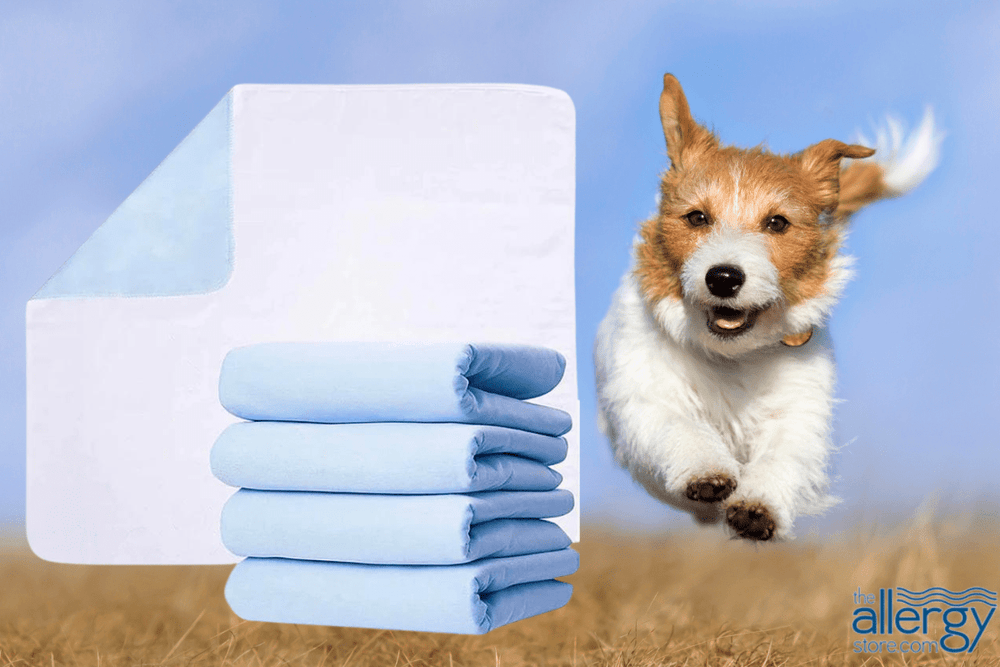

Training your dog to use a pee pad can save you time, protect your floors, and make life easier for both you and your furry friend. If you’ve been struggling with accidents around the house or want a simple solution for indoor potty training, you’re in the right place.
This guide will walk you through easy, step-by-step methods to teach your dog where to go, so you can enjoy a cleaner home and a happier pet. Keep reading, and you’ll discover the secrets to successful pee pad training that actually work!
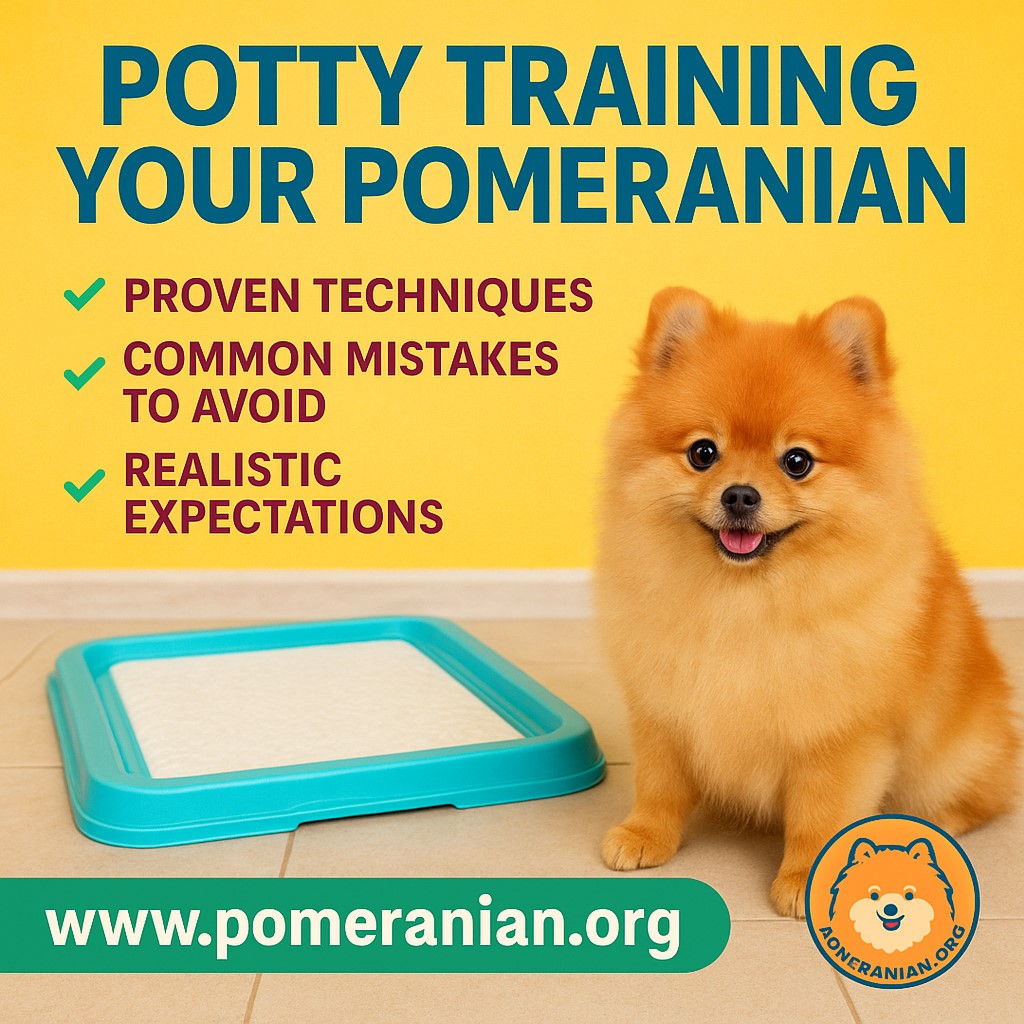
Credit: pomeranian.org
Choosing The Right Pee Pad
Choosing the right pee pad is key to training your dog effectively. The right pad makes cleanup easy and keeps your home fresh. It also helps your dog learn where to go quickly.
Materials And Sizes
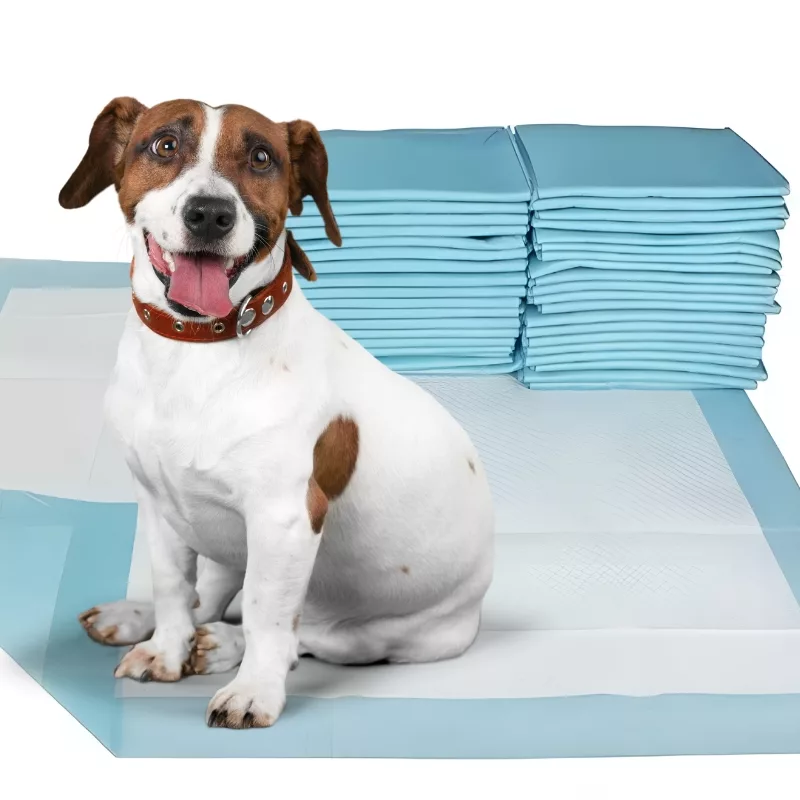
Pee pads come in different materials. Some have extra absorbent layers to hold more liquid. Others have a waterproof backing to protect floors. Choose a pad that suits your dog’s size and needs.
- Small pads work well for puppies or small dogs.
- Larger pads suit bigger breeds or multiple dogs.
- Check for non-toxic materials to keep your dog safe.
- Look for pads with odor control to reduce smells.
Placement Tips
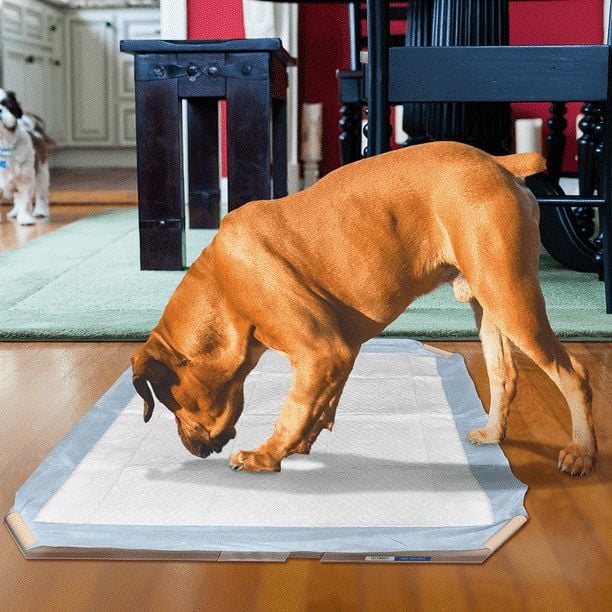
Place the pee pad in a quiet, accessible spot. Avoid busy or noisy areas that might scare your dog. Consistency helps your dog remember the location.
- Choose a corner or room your dog uses often.
- Keep the pad away from their food and sleeping areas.
- Secure the pad with tape or a holder to prevent slipping.
- Replace pads regularly to keep the area clean and inviting.
Credit: www.walmart.ca
Preparing Your Dog For Training
Preparing your dog for pee pad training is essential for success. Dogs learn best with clear signals and consistent habits. Before starting, focus on creating an environment that helps your dog understand what to expect.
Patience and observation play key roles in this stage. Each dog is different, so knowing their habits makes training easier. Setting a good routine and recognizing the signs your dog shows before going to the bathroom will make the process smooth.
Setting A Routine
Dogs respond well to routines. Choose specific times for bathroom breaks, especially after meals and naps. Consistency helps your dog know when to use the pee pad.
- Take your dog to the pee pad first thing in the morning.
- Offer bathroom breaks after eating or drinking.
- Keep bathroom times regular every day.
- Use calm and gentle commands during these times.
This steady routine builds good habits. Your dog starts to expect the pee pad as the right spot.
Recognizing Signs
Watch your dog closely. They often show signs before needing to go. Learning these signs helps you act quickly and guide them to the pee pad.
- Sniffing around the floor or pacing.
- Whining or barking softly.
- Circling in one spot.
- Sudden restlessness or moving toward the door.
Noticing these signs means you can bring your dog to the pee pad in time. This prevents accidents and reinforces good behavior.
Step-by-step Training Process
Training your dog to use a pee pad involves patience and consistency. This step-by-step process makes it easy for your furry friend to learn. Follow these simple steps to ensure success.
Introducing The Pee Pad
Start by placing the pee pad in a quiet area. Make sure the spot is easily accessible for your dog. Let your dog sniff and explore the pad. This helps them get familiar with it. You can also rub the pad with a scent that attracts them.
Encouraging Use
Observe your dog for signs of needing to pee. Common signs include circling, sniffing, or restlessness. When you see these signs, guide them to the pee pad. Use a consistent command like “go potty” to reinforce the habit. Stay with them until they use the pad.
Rewarding Success
Immediately praise your dog when they use the pee pad. Use treats or affection as rewards. Positive reinforcement helps them associate the pad with good things. Consistency is key. Repeat this process until it becomes a habit.
Credit: primdog.ie
Handling Accidents Effectively
Handling accidents effectively is a key part of training your dog to use a pee pad. Accidents happen, especially during the early stages. How you respond can shape your dog’s learning and confidence. Clean up quickly and calmly. Stay patient to keep your training on track.
Cleaning Techniques
Use an enzymatic cleaner to remove urine smells. These cleaners break down odor molecules. Avoid ammonia-based products; they smell like urine to dogs. Blot the area with paper towels before cleaning. Rinse the spot with water if needed. Dispose of used towels properly. Clean accidents promptly to prevent repeat marking.
Avoiding Punishment
Never yell or hit your dog for accidents. Punishment can cause fear and confusion. Dogs do not connect punishment with the accident after it happens. Instead, focus on praise when your dog uses the pad correctly. Calmly redirect your dog to the pee pad after an accident. Positive reinforcement builds trust and good habits.
Troubleshooting Common Issues
Training a dog to use pee pads can sometimes bring challenges. Understanding common issues helps solve problems faster. Troubleshooting keeps your training on track. It reduces frustration for both you and your dog.
Reluctance To Use Pads
Some dogs may avoid pee pads at first. This can happen if the pad smells strange or is in a bad spot. Place the pad in a quiet, easy-to-reach area. Use treats and praise to encourage your dog.
Try these tips:
- Change the pad location if your dog seems uncomfortable.
- Keep the pad clean and dry to attract your dog.
- Use a small piece of your dog’s urine on the pad to create familiarity.
- Reward your dog immediately after they use the pad.
Frequent Accidents Outside The Pad
Accidents outside the pad can happen during training. Watch your dog closely to spot signs they need to go. Move your dog to the pad quickly when you see these signs.
To reduce accidents:
- Increase the number of pee pads in different locations.
- Clean accident spots with an enzyme cleaner to remove odors.
- Keep a regular schedule for bathroom breaks.
- Be patient and avoid punishment for mistakes.
Maintaining Consistency And Patience
Training your dog to use a pee pad takes more than just setting it down and hoping for the best. Consistency and patience are your strongest allies throughout this process. Dogs learn through repetition and clear signals, so sticking to a routine helps them understand what you expect.
It’s easy to get frustrated when accidents happen, but remember: patience lets your dog build confidence and feel safe in their learning environment. Every small success is a step closer to your goal. Have you noticed how dogs respond differently depending on your tone and timing? Keeping calm and consistent makes a huge difference.
Tracking Progress
Keep a simple log of your dog’s potty habits. Note when and where they go, and how often they use the pee pad correctly. This helps you see patterns and identify times when your dog might need extra help or reminders.
Use this tracking to celebrate small wins. Did your dog use the pad three times in a row without an accident? That’s progress worth acknowledging. Tracking progress also reveals if certain times of day are more challenging, so you can adjust your schedule accordingly.
Adjusting Training As Needed
Be ready to tweak your approach if things aren’t working. If your dog ignores the pad, try moving it to a quieter spot or use a different scent attractant. Sometimes, changing the size or type of pad helps, especially for larger breeds.
If you notice setbacks, ask yourself: Has your dog’s routine changed? Are they getting enough bathroom breaks? Adjusting the training plan based on real observations keeps it effective. Your flexibility shows your dog you’re paying attention to their needs.
Frequently Asked Questions
How Long Does It Take To Train A Dog On A Pee Pad?
Training usually takes 1 to 3 weeks with consistent practice. Dogs learn faster with regular schedules and positive reinforcement.
What Is The Best Way To Introduce A Pee Pad?
Place the pad in a quiet, accessible area. Encourage your dog to use it by rewarding every successful attempt.
How Often Should I Change The Pee Pad?
Change the pee pad immediately after it is soiled. Frequent changing keeps the area clean and encourages use.
Can All Dog Breeds Learn To Use A Pee Pad?
Yes, most breeds can be trained with patience. Smaller breeds often adapt faster, but any dog can learn.
Conclusion
Training your dog on a pee pad takes time and patience. Stay consistent with your routine every day. Praise your dog when they use the pad correctly. Clean the area well to keep it fresh and inviting. Watch your dog’s signals to learn their needs.
This method helps keep your home clean and your dog happy. Small steps lead to big progress. Keep calm and enjoy the journey together.