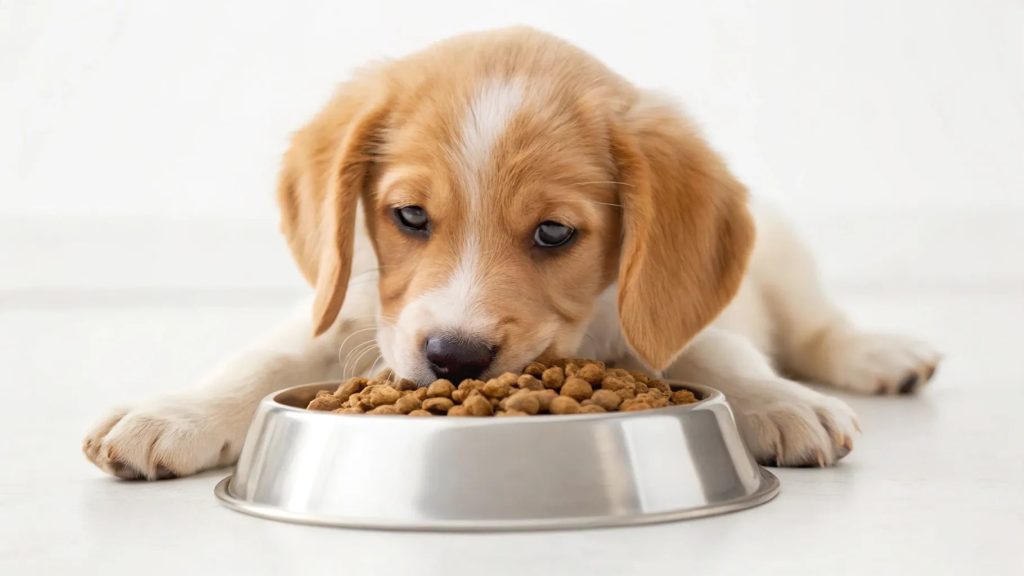

Are you wondering when your puppy is ready to switch from puppy food to adult dog food? This change is important for your furry friend’s health and growth.
Feeding your puppy the right food at the right time helps them stay strong, energetic, and happy. But making the switch too early or too late can cause problems you want to avoid. Keep reading to discover the perfect age to start adult dog food and how to make this transition smooth and safe for your puppy.
Your dog will thank you!
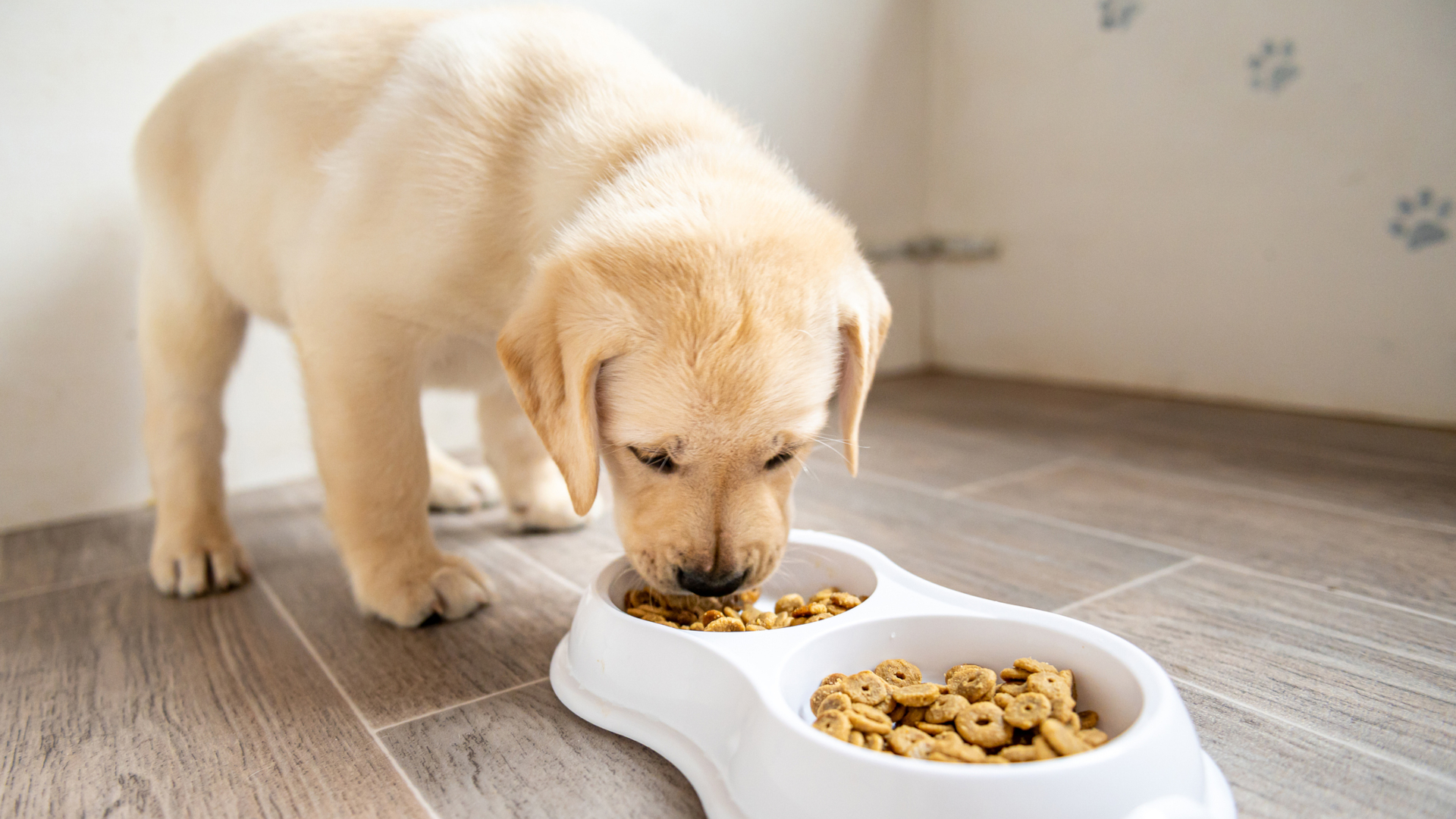
Credit: www.petsradar.com
Puppy Nutritional Needs
Puppies have very specific nutritional needs that differ greatly from adult dogs. Understanding these needs helps you provide the right food at the right time. Feeding your puppy properly supports healthy growth and sets the foundation for a strong, happy life.
Growth And Development
During the first year, puppies grow rapidly. Their bones, muscles, and organs develop at a fast pace, which means they need more calories than adult dogs. You might notice your puppy eating more frequently and seeming hungrier—that’s because their bodies are working hard to build a strong frame.
Have you ever wondered why puppies seem to have endless energy? Their nutrition directly fuels this activity and development. Skipping on key nutrients can slow growth or cause health problems later.
Key Nutrients For Puppies
Puppies require a balanced mix of protein, fat, vitamins, and minerals. Protein is especially important as it helps build muscle and repair tissues. Fat provides energy and supports brain development.
- Calcium and phosphorusare crucial for strong bones and teeth.
- DHA, an omega-3 fatty acid, supports healthy brain and eye development.
- Vitamins A, D, and Eplay roles in immune function and cell growth.
Neglecting these nutrients might seem harmless at first, but it can affect your puppy’s long-term health. Have you checked the nutrient profile on your puppy food label lately?
Differences From Adult Dog Diets
Puppy food is specially formulated to meet their unique needs. It contains higher levels of protein, fat, and calories than adult dog food. This extra nutrition helps support their rapid growth and energy demands.
Adult dog food often lacks sufficient nutrients for puppies, which can slow development or cause deficiencies. Switching to adult food too soon might seem tempting, but it’s important to wait until your puppy is physically ready.
Think about your own diet—would you eat the same food as a toddler? Just like humans, puppies need age-appropriate nutrition to thrive.
When To Transition To Adult Food
Knowing the right time to switch your puppy to adult dog food is essential for their health and growth. Transitioning too early or too late can affect their development and energy levels. Paying attention to breed size and your puppy’s behavior helps make this change smooth and beneficial.
Age Guidelines By Breed Size
Small breeds tend to mature faster than larger breeds. Typically, small dogs can move to adult food around 9 to 12 months.
Medium breeds often switch between 12 to 14 months, while large and giant breeds may need puppy food until 18 to 24 months.
Here’s a quick guide:
| Breed Size | Recommended Age to Transition |
|---|---|
| Small (under 20 lbs) | 9-12 months |
| Medium (20-50 lbs) | 12-14 months |
| Large (50-90 lbs) | 12-18 months |
| Giant (over 90 lbs) | 18-24 months |
Signs Your Puppy Is Ready
Beyond age, look for signs your puppy is ready to make the switch. Is your pup maintaining a healthy weight? Are they less hyperactive and showing steady growth?
Check their teeth too—adult teeth replacing puppy teeth often signal readiness.
Also, consider how their current food is supporting their activity. If your puppy seems less energetic or gains too much weight, adult food might be the right next step.
Risks Of Early Transition
Switching to adult food too soon can cause nutritional gaps. Puppy formulas have higher protein and fat, crucial for rapid growth.
Early transition may lead to stunted growth or weak bones, especially in large breeds.
Have you noticed your puppy losing interest in their food? That might be a clue to either adjust the diet or wait longer before changing.
Choosing The Right Adult Dog Food
Puppies can start eating adult dog food around one year old, depending on their breed and size. Transition gradually to avoid stomach upset and ensure balanced nutrition for healthy growth.
Choosing the right adult dog food for your puppy transitioning into adulthood is crucial. You want to ensure that your furry friend gets the best nutrition possible as they grow. But how do you make sure you’re making the best choice?Ingredients To Look For
When selecting adult dog food, focus on high-quality protein sources like chicken, beef, or fish. Proteins are vital for muscle development and overall health. Consider foods with whole grains, fruits, and vegetables for balanced nutrition. Whole grains provide necessary carbohydrates, while fruits and veggies offer essential vitamins and minerals. Always check the ingredient list to ensure these are among the top ingredients.Avoiding Harmful Additives
Be cautious of dog foods with artificial colors, flavors, or preservatives. These additives can be harmful to your dog’s health over time. Opt for brands that use natural preservatives like vitamin E and C. Some additives can cause allergic reactions or digestive issues. Reading labels carefully can help you avoid these unnecessary risks.Consulting Your Veterinarian
Your veterinarian is a valuable resource in choosing the right adult dog food. They understand your dog’s unique dietary needs and can provide personalized recommendations. Regular check-ups allow your vet to assess your dog’s health and adjust dietary advice as needed. Have you ever discussed your dog’s diet with your vet? It might be time to schedule a chat for peace of mind.How To Switch Puppy Food To Adult Food
Switching your puppy from puppy food to adult dog food is a crucial step in their growth journey. This change supports their evolving nutritional needs as they move past their rapid growth phase. Handling this transition carefully helps avoid digestive upset and ensures your dog continues to thrive.
Gradual Transition Steps
Start by mixing a small amount of adult food into your puppy’s regular meal. Increase the adult food portion gradually over 7 to 10 days while decreasing the puppy food. This slow change helps your dog’s digestive system adjust without stress.
Pay attention to the texture and taste differences between the two foods. Some dogs may prefer the new flavor more quickly, while others need extra time to get used to it. Patience during this phase is key.
Monitoring Your Dog’s Reaction
Watch closely for any signs of digestive upset such as diarrhea, vomiting, or changes in appetite. If these symptoms appear, slow down the transition or pause for a couple of days. Healthy digestion is a good indicator your dog is accepting the new food well.
Also, observe your dog’s energy levels and coat condition. These can reveal how well the new food meets their nutritional needs. Don’t hesitate to consult your vet if you notice concerning changes.
Adjusting Portions And Frequency
Adult dogs usually require fewer calories than puppies, so adjust portion sizes accordingly. Use the feeding guidelines on the adult dog food package as a starting point, then tailor the amounts based on your dog’s weight and activity level.
Consider feeding frequency too. Puppies often eat three to four times daily, but adult dogs typically do well with two meals per day. Changing this schedule along with the food can help your dog settle into their adult routine smoothly.
Special Considerations
Special considerations play a key role when deciding the right time for puppies to switch to adult dog food. Each puppy has unique needs based on breed, health, and allergies. Understanding these factors helps ensure proper growth and well-being. Careful attention to these details supports a smooth and safe diet transition.
Breed-specific Needs
Different breeds grow at different rates. Small breeds mature faster than large breeds. Small breed puppies may move to adult food around 9 to 12 months. Large breed puppies often need puppy food longer, up to 18-24 months. Puppy food for large breeds contains specific nutrients to support joint health. Choosing breed-appropriate food prevents nutritional gaps and supports healthy development.
Health Conditions And Diet
Some puppies have health conditions affecting their diet. Puppies with digestive issues might need special formulas. Food allergies or sensitivities require limited ingredient diets. Puppies with kidney or liver problems need tailored nutrition. Consult a vet to choose the best food for these conditions. A proper diet helps manage health and prevents complications.
Puppies With Allergies
Food allergies are common in puppies. Symptoms include itching, vomiting, or diarrhea. Identifying the allergen is important for diet changes. Hypoallergenic or limited ingredient diets reduce allergic reactions. Switching to adult food should be done carefully to avoid flare-ups. Always monitor the puppy’s response to new food and consult a vet if issues arise.
Credit: dogsauce.co
Common Mistakes To Avoid
Changing a puppy’s diet to adult dog food requires care. Many pet owners make simple mistakes that affect their dog’s health and growth. Avoiding these errors helps your dog stay healthy and happy during this important transition.
Switching Too Early Or Too Late
Changing your puppy to adult food too early can cause nutrient gaps. Puppies need extra nutrients for growth. Adult food may lack these. Switching too late can lead to weight gain. Your dog may get too many calories. Watch your dog’s breed and size. These help decide the right time to switch food.
Ignoring Weight Changes
Weight changes show if your dog’s diet is right. Ignoring sudden weight gain or loss can harm your dog. Check your dog’s weight weekly during the switch. Adjust food amounts based on weight and activity. Keep your dog’s body shape in mind. Healthy weight means a happy dog.
Overfeeding Adult Food
Adult dog food has more calories than puppy food. Feeding too much can cause obesity. Measure food portions carefully. Follow feeding guides on the dog food package. Avoid free feeding or leaving food out all day. Controlled portions keep your dog fit and active.
Benefits Of Feeding Adult Dog Food On Time
Feeding your puppy adult dog food at the right time comes with clear benefits that affect their health immediately and far into the future. Transitioning at the right moment ensures your dog gets the nutrients they need without overloading or underfeeding them. This careful timing supports their growth, avoids nutritional gaps, and sets the stage for a healthier life.
Supporting Healthy Growth
Puppies grow fast, and their bodies need the right balance of nutrients to develop strong bones, muscles, and organs. Adult dog food is formulated differently, with adjusted protein and calorie levels that suit a mature dog’s slower metabolism. Switching at the right age helps your dog avoid excessive weight gain or nutrient imbalances that can stunt growth.
I remember when my Labrador was nearing one year old, I delayed the switch to adult food and noticed he started gaining extra weight quickly. Once I changed his diet on time, his energy stabilized, and he maintained a healthy weight. This experience showed me how crucial the timing really is.
Preventing Nutritional Deficiencies
Puppies require more vitamins and minerals like calcium and phosphorus for strong bones and teeth. Adult dog food usually contains these nutrients in lower amounts, so feeding it too early can lead to deficiencies. On the other hand, feeding puppy food for too long might cause excesses that stress organs.
Monitoring your dog’s diet closely helps you spot any signs of nutritional issues early. Are you aware of the symptoms your puppy might show if their diet isn’t right? Issues like lethargy, poor coat condition, or irregular growth should prompt a diet review.
Long-term Health Impact
Feeding adult dog food on time can reduce risks of obesity, joint problems, and heart issues later in life. Adult formulas are tailored to support maintenance rather than rapid growth, which helps your dog stay fit and active longer. Proper nutrition now can mean fewer vet visits and a better quality of life down the road.
Think about your dog’s future health when choosing when to switch food. Are you setting them up for a long, healthy life or risking complications from poor nutrition? Your decision today shapes their tomorrow.

Credit: us.eukanuba.com
Frequently Asked Questions
When Can Puppies Start Eating Adult Dog Food?
Puppies can usually start eating adult dog food around 12 months old. Large breeds may need up to 18 months. Consult your vet for breed-specific advice.
Why Switch Puppies To Adult Dog Food Gradually?
Switching gradually prevents digestive upset. Mix increasing amounts of adult food with puppy food over 7-10 days. This helps puppies adjust smoothly.
What Are Risks Of Early Adult Dog Food Feeding?
Feeding adult food too early can cause nutrient deficiencies. Puppies need more protein, fat, and calories for growth. Premature switching may stunt development.
How To Know If Puppy Is Ready For Adult Food?
Look for signs like adult teeth, steady growth, and vet approval. Healthy weight and energy levels indicate readiness for adult dog food.
Conclusion
Puppies grow fast and need special food to stay healthy. Most dogs switch to adult food around one year old. Watch your puppy’s size, activity, and vet advice to decide the right time. Feeding adult food too early can cause problems.
Feeding puppy food too long may not meet their needs. Choose the right food to help your dog grow strong and happy. This small change supports their health for years ahead. Keep your dog’s diet balanced and watch them thrive.