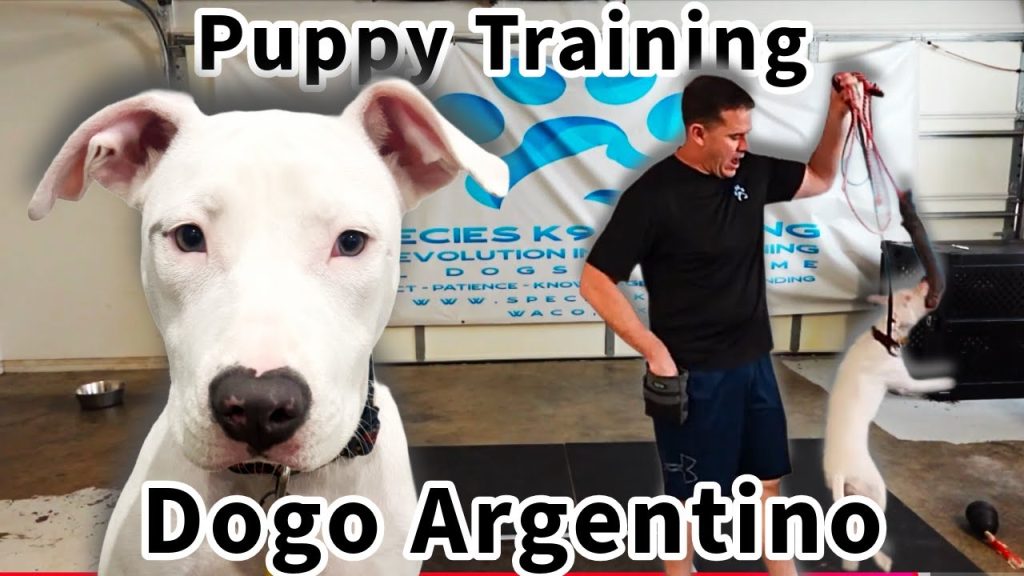

Training your Dogo Argentino puppy can feel like a big challenge, but it’s also one of the most rewarding experiences you’ll have as a dog owner. You want your puppy to grow into a well-behaved, confident companion who listens to you and fits perfectly into your life.
The good news is, with the right steps and a little patience, you can make this happen. In this guide, you’ll discover simple, effective ways to train your Dogo Argentino puppy from day one. Ready to build a strong bond and raise a happy, obedient dog?
Keep reading—you’re about to unlock the secrets to success.

Credit: www.amazon.com
Choosing The Right Puppy
Choosing the right Dogo Argentino puppy sets the foundation for a happy and well-trained dog. This breed needs a strong bond with its owner from the start. Picking a puppy with the right traits makes training easier and more enjoyable.
Selecting A Reputable Breeder
A good breeder cares about the health and behavior of their puppies. They follow breed standards and provide a clean, safe environment. Visit the breeder’s place to see how the puppies and their parents live. Ask about health tests and vaccinations. A trustworthy breeder answers questions openly and offers support after purchase.
Evaluating Puppy Temperament
Each puppy has a unique personality. Watch how they interact with people and other dogs. Choose one that shows confidence but is not overly aggressive. A puppy that is curious and calm adapts better to training. Play with the puppy to see if it responds well to gentle handling. Early socialization is key for a well-mannered adult dog.
Preparing Your Home
Get your home ready before bringing the puppy. Remove hazards like small objects and toxic plants. Set up a quiet, comfortable space for the puppy to rest. Buy essential supplies such as food bowls, a collar, and chew toys. Plan a daily routine for feeding, play, and training sessions. A safe and organized home helps the puppy feel secure and confident.
Basic Training Foundations
Starting basic training with your Dogo Argentino puppy sets the tone for a well-behaved and confident dog. These early lessons build trust and communication between you and your puppy. Focus on clear, consistent habits that shape their understanding and help them feel secure.
Establishing A Routine
Dogs thrive on predictability. Setting a daily routine for feeding, playtime, and training helps your puppy know what to expect. This reduces anxiety and makes learning new commands easier.
Try to feed your puppy at the same times every day. Use regular potty breaks to prevent accidents and reinforce house training. When your puppy knows the schedule, they become more focused and calm during training sessions.
Housebreaking Techniques
Housebreaking requires patience and consistency. Take your puppy outside often, especially after eating, drinking, or waking up. Celebrate their successes with praise or treats immediately to link good behavior with rewards.
If accidents happen inside, clean the area thoroughly to remove smells that encourage repeat behavior. Avoid punishment—it can scare your puppy and set back progress. Ask yourself: Are you watching your puppy closely enough to catch the right moments for outdoor bathroom breaks?
Crate Training Benefits
Crate training gives your puppy a safe space they can call their own. It also helps with housebreaking by limiting their freedom when unsupervised. Your puppy learns to hold their bladder because they naturally avoid soiling their sleeping area.
Introduce the crate positively—place treats and toys inside and never use it as punishment. Short, frequent crate sessions build comfort and trust. Have you noticed how your puppy reacts when they see the crate? Their willingness can guide your approach.
Socialization Strategies
Socializing a Dogo Argentino puppy is crucial for their development. It shapes their personality and behavior. Early exposure helps them grow into well-adjusted dogs. Effective socialization builds confidence and reduces anxiety. Let’s explore some strategies to achieve this.
Introducing To People And Pets
Introduce your puppy to different people. Include friends, family, and neighbors. This helps them get used to various human interactions. Encourage gentle petting and calm voices. Reward them with treats for good behavior. Meet other dogs in controlled settings. Dog parks or training classes work well. Ensure all interactions are positive and safe.
Exposure To New Environments
Take your puppy to various places. Parks, streets, and pet-friendly stores are great options. Let them experience new sights and sounds. Gradually increase the complexity of environments. Use a leash to ensure safety during outings. Encourage curiosity and exploration. Always reward calm and confident behavior.
Handling Fear And Anxiety
Watch for signs of fear or anxiety. These may include trembling or hiding. Give them time to adjust to new situations. Never force them into stressful scenarios. Use positive reinforcement to build confidence. Create a safe space at home for them. It should be quiet and comfortable. Comfort them during stressful times. Speak softly and offer treats for reassurance.

Credit: www.amazon.com
Obedience Training
Obedience training is a key part of raising a well-mannered Dogo Argentino puppy. It shapes your puppy’s behavior and builds a strong bond between you both. Starting early with clear guidance helps prevent problems later on and makes daily life more enjoyable for everyone.
Teaching Basic Commands
Start with simple commands like “sit,” “stay,” and “come.” Use short, clear words and repeat them consistently. Your puppy learns faster when you keep training sessions brief—around 5 to 10 minutes—and fun.
Watch your puppy’s body language closely. If they seem distracted or tired, take a break and try again later. Consistency matters, so practice commands several times a day, especially before meals or playtime.
Leash Training Tips
Leash training sets the foundation for safe walks and good manners outside. Begin indoors or in a quiet area where distractions are low. Let your puppy get used to wearing a collar and leash without pulling or resistance.
If your puppy pulls, stop walking immediately. Wait patiently until the leash loosens, then continue. This teaches your puppy that pulling won’t get them where they want to go faster.
Positive Reinforcement Methods
Use rewards like treats, praise, or play to encourage good behavior. Positive reinforcement makes learning enjoyable and motivates your puppy to repeat actions you want.
Timing is crucial. Give the reward immediately after your puppy does the right thing. This connection helps them understand exactly what you expect.
Have you noticed how your puppy responds to different types of rewards? Some prefer a tasty treat, while others love a quick game or cuddle. Tailor your approach to what truly excites your Dogo Argentino.
Managing Behavioral Challenges
Managing behavioral challenges with your Dogo Argentino puppy requires patience and consistency. These strong-willed dogs can test your limits, but with the right approach, you can guide them toward positive habits. Understanding why certain behaviors occur is key to addressing them effectively.
Addressing Chewing And Biting
Chewing and biting are natural puppy behaviors, especially for a breed as energetic as the Dogo Argentino. Provide plenty of chew toys to redirect their urge away from your furniture and shoes. When your puppy bites during play, immediately stop interaction to show that biting ends the fun.
Have you noticed if your puppy chews more when anxious or bored? Adding regular exercise and mental stimulation can reduce unwanted chewing. Consistency is crucial; everyone in the household should respond the same way to biting to avoid confusion.
Handling Aggression
Aggression can be alarming but often stems from fear, protectiveness, or lack of socialization. Early and gentle exposure to different people, animals, and environments helps your puppy feel more secure. If your puppy shows signs of aggression, stay calm and avoid punishment that might increase fear.
Use positive reinforcement to reward calm behavior and teach clear boundaries. Have you observed what triggers your puppy’s aggressive behavior? Identifying these triggers allows you to manage and gradually desensitize your dog in controlled settings.
Dealing With Separation Anxiety
Separation anxiety can cause destructive behavior and distress in your Dogo Argentino puppy. Start by leaving your puppy alone for short periods and gradually increase the time. Creating a safe and comfortable space with favorite toys helps ease their anxiety.
Before you leave, try to remain calm and avoid long goodbyes to prevent building stress. Does your puppy follow you everywhere or show signs of panic when you prepare to leave? Recognizing these signs early can help you take steps to make departures less stressful.
Health And Nutrition
Keeping your Dogo Argentino puppy healthy starts with good care and proper nutrition. These large, strong dogs need a balanced diet and plenty of activity. Healthy habits from the start help them grow well and stay active.
Feeding Guidelines
Feed your puppy high-quality dog food made for large breeds. Check the package for recommended amounts based on age and weight. Divide meals into 3 to 4 portions daily for young puppies.
Watch for signs of overfeeding like weight gain or sluggishness. Avoid giving too many treats or human food. Fresh water should always be available to keep your puppy hydrated.
Exercise Requirements
Dogo Argentinos need regular exercise to burn energy and build muscle. Short walks and play sessions suit young puppies best. Gradually increase exercise time as your puppy grows.
Avoid intense activity until their bones fully develop. Mental exercises like training games also help keep your puppy sharp and happy.
Regular Vet Checkups
Schedule vet visits early to track your puppy’s health and vaccinations. Regular checkups catch problems before they get serious. Your vet can offer advice on diet, exercise, and care specific to your puppy.
Keep a health record and follow vaccination schedules strictly. Early care ensures a strong, healthy Dogo Argentino for life.
Advanced Training And Activities
Advanced training and activities push your Dogo Argentino puppy beyond basic commands. These challenges keep your dog sharp, happy, and healthy. They also deepen the connection between you and your furry friend, making training a rewarding experience.
Agility And Obedience Competitions
Agility courses test your puppy’s speed, coordination, and focus. Setting up simple obstacle courses at home can be a fun start. Use tunnels, jumps, and weave poles to keep your dog engaged and physically active.
Obedience competitions demand precision and control. Practicing commands like “stay,” “heel,” and “come” in distracting environments will prepare your dog for real challenges. Have you noticed how your dog reacts to new surroundings? This insight helps tailor your training approach.
Mental Stimulation Games
Dogs need mental workouts just like physical ones. Puzzle toys, scent games, and hide-and-seek are great ways to challenge your Dogo’s mind. These activities reduce boredom and prevent destructive behaviors.
- Hide treats around the house and let your dog sniff them out.
- Use interactive toys that require problem-solving to release a reward.
- Teach new tricks to keep learning exciting and fresh.
Have you tried mixing up the games to see which sparks your dog’s interest the most? Variety keeps training stimulating and fun.
Building A Strong Bond
Trust and respect grow with consistent, positive interactions. Spend quality time with your Dogo Argentino through training sessions that are fun and rewarding. Use praise and treats to encourage good behavior.
Patience is key. Remember, every dog learns at its own pace. You might find that your puppy thrives with short, frequent training bursts rather than long sessions.
How do you show your dog that training is a shared adventure, not a chore? Small moments of connection create a lifelong partnership.
Credit: www.greenfieldpuppies.com
Frequently Asked Questions
How Early Should I Start Training A Dogo Argentino Puppy?
Start training your Dogo Argentino puppy as early as 8 weeks old. Early training helps establish good behavior and social skills. Consistency and positive reinforcement are key to effective learning at this young age.
What Is The Best Training Method For Dogo Argentino Puppies?
Positive reinforcement training works best for Dogo Argentino puppies. Use treats, praise, and play to reward good behavior. Avoid harsh punishments, as they can cause fear and aggression in this sensitive breed.
How Long Should Training Sessions Last For Puppies?
Keep training sessions short, around 10-15 minutes each. Puppies have short attention spans, so brief sessions prevent boredom and improve focus. Multiple short sessions daily are more effective than one long session.
How Important Is Socialization For A Dogo Argentino Puppy?
Socialization is crucial for Dogo Argentino puppies to develop confidence and reduce aggression. Introduce them to various people, animals, and environments early on. Proper socialization helps them become well-rounded adult dogs.
Conclusion
Training a Dogo Argentino puppy takes time and patience. Start early with simple commands and gentle guidance. Be consistent and use positive rewards to encourage good behavior. Socialize your puppy with other dogs and people often. Keep training sessions short to hold their attention.
Remember, every puppy learns at its own pace. Enjoy the journey and build a strong bond with your dog. Good training helps your puppy grow into a happy, well-behaved adult. Stay calm and patient—you will see great results.