
Feeding your 10 lb adult dog the right amount of food is more important than you might think. Too much can lead to weight gain and health problems, while too little can leave your furry friend hungry and lacking energy.
You want to give your dog just the right portion to keep them healthy and happy. You’ll discover exactly how much food your small dog needs each day. Keep reading to find simple tips that make mealtime stress-free and ensure your dog gets the nutrition they deserve.
Credit: www.chewy.com
Daily Calorie Needs
Understanding a 10 lb adult dog’s daily calorie needs is key to good health. Feeding the right amount keeps your dog energetic and at a healthy weight. Calories are the energy source your dog uses for daily activities and bodily functions.
Each dog’s calorie needs differ. Factors like weight, age, and activity level shape how many calories your dog requires. Too many calories can lead to weight gain. Too few can cause lack of energy and health problems.
Calculating Calories For Weight
Start with your dog’s weight to estimate daily calories. A 10 lb adult dog usually needs about 200 to 300 calories per day. This range varies based on metabolism and overall health.
Use this simple formula to get a rough estimate:
| Dog Weight (lbs) | Calories Needed per Day |
|---|---|
| 10 | 200-300 |
Adjust the amount depending on your dog’s condition and vet advice.
Activity Level Impact
Activity level changes how many calories your dog burns daily. A more active dog needs more calories to fuel energy use. A less active dog requires fewer calories to avoid weight gain.
- Low activity:Calm dogs need fewer calories, about 200 per day.
- Moderate activity:Dogs with daily walks need around 250 calories.
- High activity:Very active dogs may need up to 300 calories or more.
Watch your dog’s weight and energy. Adjust food amounts to keep balance.
Credit: www.purina.com
Types Of Dog Food
Choosing the right type of food for a 10 lb adult dog affects their health and energy. Different foods provide various nutrients and textures. Knowing the options helps in feeding the right amount and maintaining your dog’s wellbeing.
Dry Vs Wet Food
Dry food, or kibble, is popular for its convenience and crunch. It helps keep teeth clean and lasts longer once opened. Dry food is often more affordable and easier to store.
Wet food contains more moisture, which aids hydration. It usually smells stronger and has a softer texture. This type can be more appealing to picky eaters and may be easier to chew for older dogs.
Both dry and wet foods offer balanced nutrition. Check labels for protein, fat, and fiber content. Your dog’s taste and health needs guide the best choice.
Raw And Homemade Diets
Raw diets use uncooked meat, bones, and vegetables. Some believe this mimics a dog’s natural eating habits. It may improve coat shine and energy levels.
Homemade diets allow full control over ingredients. This helps avoid allergens and use fresh foods. Cooking at home ensures the food is safe and balanced.
Both diets require careful planning to meet nutritional needs. Consult a vet to avoid missing essential vitamins or minerals. Safety and variety keep your dog healthy and happy.
Portion Size Guidelines
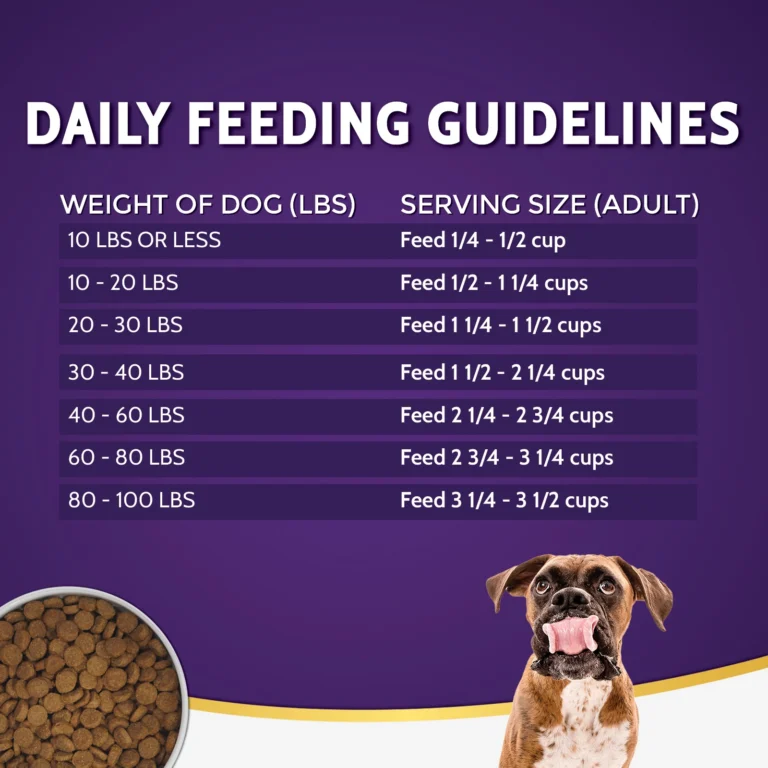
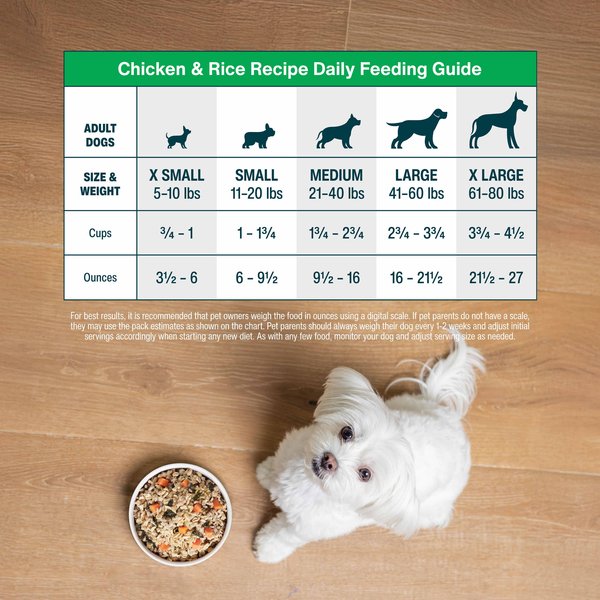
A 10 lb adult dog usually needs about 1/2 to 3/4 cup of food daily. Portion size depends on activity and food type. Adjust feeding amounts to keep your dog healthy and energetic.
Feeding your furry friend the right amount of food can be a balancing act. You want to ensure your 10 lb adult dog remains healthy and energetic, without overfeeding or underfeeding. Proper portion size is crucial. By understanding how much food to provide, you help maintain your dog’s ideal weight and overall well-being. Let’s dive into some guidelines to help you make informed feeding decisions.Measuring Food Amounts
Accuracy is key when determining how much food your dog needs. Use a standard measuring cup to avoid guesswork. Don’t rely on scooping food straight from the bag, as this can lead to inconsistent servings. If you have ever wondered why your dog seems a bit rounder than usual, inaccurate measuring might be the culprit. Some pet owners find it useful to weigh their dog’s food using a kitchen scale. This method offers precision, especially if you are dealing with high-calorie kibble. Remember, it’s better to measure more carefully than to overestimate portion sizes.Adjusting Portions By Age
As your dog ages, its nutritional needs will change. Puppies require more calories for growth, while senior dogs need fewer to maintain a healthy weight. If your 10 lb dog is in its golden years, consider reducing the portion size to prevent weight gain. Conversely, if you have a young, active adult dog, ensure they’re getting enough calories to fuel their energy. Have you noticed changes in your dog’s activity level? Adjusting portions based on age and activity can help avoid obesity or malnutrition. Keep an eye on their behavior and consult with your vet to tailor the diet as needed.Feeding Frequency
Feeding frequency plays a key role in maintaining a healthy weight for a 10 lb adult dog. Regular meals support good digestion and steady energy throughout the day. Establishing a consistent feeding schedule helps prevent overeating and reduces the risk of digestive upset. Understanding how often to feed and the best timing can make meal times smoother for both you and your dog.
Number Of Meals Per Day
Most adult dogs thrive on two meals per day. Splitting the daily food amount into morning and evening helps balance energy levels. Small dogs, like a 10 lb adult dog, might do well with this routine. It prevents hunger and maintains metabolism. Puppies or dogs with special needs may require more frequent meals, but adults usually do best with two.
Timing And Routine
Feeding your dog at the same times each day builds a strong routine. Dogs feel more secure when meals come regularly. Aim for 12-hour intervals between meals, such as 7 a.m. and 7 p.m. This consistency aids digestion and behavior. Avoid feeding right before or after intense exercise to protect your dog’s stomach. A calm, quiet space also improves mealtime focus and comfort.
Special Considerations
Feeding a 10 lb adult dog requires attention to special factors. These factors help keep your dog healthy and happy. Different dogs need different amounts and types of food. Knowing these special considerations helps you feed the right portions.
Health Conditions
Some dogs have health issues that affect their diet. Conditions like diabetes or kidney problems need special food. Dogs with allergies may require limited ingredient diets. Overweight dogs need fewer calories to lose weight safely. Always follow your vet’s advice on feeding amounts. Regular health check-ups help adjust food as needed.
Puppies Vs Adult Dogs
Puppies need more calories than adult dogs. Their growing bodies use energy fast. Feeding too little slows growth and weakens bones. Adult dogs need stable portions to maintain weight. Overfeeding adults can lead to obesity and joint problems. Separate feeding guidelines exist for puppies and adults. Adjust portions as your dog moves from puppy to adult.
Monitoring And Adjusting
Monitoring and adjusting your 10 lb adult dog’s food intake is essential for their health. Regular checks help maintain the right weight and energy levels. Dogs’ needs can change due to age, activity, or health. Observing these changes ensures your dog stays fit and happy.
Tracking Weight Changes
Weigh your dog weekly to notice any weight shifts. Use a consistent scale for accuracy. Keep a simple chart to record the weight over time. Small changes matter and can signal if feeding amounts need adjustment. Steady weight means feeding is on track.
Signs Of Overfeeding Or Underfeeding
- Rapid weight gain or obesity shows overfeeding.
- Low energy and weight loss often mean underfeeding.
- Look for changes in coat shine and skin health.
- Frequent hunger or begging can signal too little food.
- Sluggishness and difficulty moving may indicate too much food.
Watch your dog closely. Adjust food amounts based on these signs. Your goal is a healthy, active dog with a balanced weight.
Credit: www.petsmart.com
Frequently Asked Questions
How Much Food Does A 10 Lb Dog Need Daily?
A 10 lb adult dog typically needs about 200 to 300 calories daily. This varies based on activity, age, and metabolism. Always check your dog’s food label for specific feeding guidelines.
What Is The Best Food Type For A 10 Lb Dog?
High-quality dry kibble or wet food formulated for small breeds is ideal. Look for balanced nutrients, protein, and essential vitamins. Consult your vet for specific dietary needs.
How Often Should I Feed My 10 Lb Dog?
Feed your 10 lb dog two to three times daily. Smaller, frequent meals aid digestion and maintain energy levels. Adjust portions based on your dog’s appetite and activity.
Can I Feed My 10 Lb Dog Human Food?
Some human foods like carrots or plain chicken are safe in small amounts. Avoid toxic foods such as chocolate, onions, and grapes. Always consult your vet before introducing new foods.
Conclusion
Feeding a 10 lb adult dog the right amount keeps them healthy and happy. Watch their weight and energy to adjust food as needed. Quality dog food with balanced nutrients supports their growth and vitality. Small meals spread through the day can help with digestion.
Always provide fresh water alongside meals. Consult a vet for personalized advice. Caring for your dog’s diet shows love and keeps them strong. Simple steps make a big difference in your pet’s life.