
Choosing the best dog food for your adult dog aged 6 and older can feel overwhelming. You want to keep your furry friend healthy, happy, and full of energy as they enter their senior years.
But with so many options out there, how do you know which one truly meets their needs? This guide will help you discover the right nutrition that supports your dog’s unique health, boosts their vitality, and makes mealtime something they look forward to every day.
Keep reading to find out what makes a dog food the best choice for your loyal companion now and in the years to come.

Credit: neaterpets.com
Nutritional Needs Of Adult Dogs 6+
Adult dogs aged six and older have unique nutritional needs. Their bodies slow down, and their metabolism changes. Proper nutrition supports their health, energy, and longevity. Feeding the right food helps maintain a healthy weight and prevent common age-related issues. Understanding these needs is key to choosing the best dog food for seniors.
Key Nutrients For Senior Dogs
Senior dogs require balanced nutrients to stay healthy. Protein helps maintain muscle strength. Omega-3 fatty acids support joint and brain health. Fiber aids digestion and keeps the gut healthy. Antioxidants protect cells from damage. Vitamins and minerals boost immunity and overall well-being.
Calorie Requirements And Portion Control
Older dogs need fewer calories than younger dogs. Their activity levels and metabolism slow down. Overfeeding can lead to obesity and health problems. Controlling portions helps maintain a healthy weight. Feeding smaller, more frequent meals can improve digestion and energy levels.
Common Health Concerns In Older Dogs
Senior dogs face health issues like arthritis, kidney problems, and dental disease. Proper nutrition can ease joint pain and support kidney function. High-quality ingredients reduce the risk of allergies and digestive upset. Regular vet check-ups help catch problems early and adjust diets as needed.
Types Of Dog Food For Older Dogs
Choosing the right type of dog food for your senior dog is crucial. Older dogs have different nutritional needs than younger ones, so the type of food you pick can impact their health and happiness. Understanding the options available can help you make a choice that suits your dog’s lifestyle and health requirements.
Dry Kibble Benefits And Drawbacks
Dry kibble is popular because it’s convenient and often more affordable. It helps keep your dog’s teeth clean by reducing plaque buildup through chewing.
However, some older dogs may struggle with hard kibble due to dental issues or sensitive gums. Also, not all kibble is created equal—some may contain fillers that don’t add much nutritional value. Would your dog prefer a texture that’s easier to chew without sacrificing nutrients?
Wet Food Options
Wet food offers a softer texture, which can be easier for older dogs to eat. It usually has higher moisture content, helping to keep your dog hydrated, especially if they don’t drink enough water.
One downside is that wet food often costs more and can spoil quickly once opened. You might want to try mixing wet food with dry kibble to balance convenience, hydration, and texture.
Raw And Homemade Diets
Raw and homemade diets let you control exactly what your dog eats. This can be great if your dog has allergies or specific dietary needs.
Preparing balanced meals at home requires time and knowledge to avoid nutritional gaps. If you choose this route, consulting a vet or pet nutritionist is essential. Have you considered how much time you can commit to preparing your dog’s meals regularly?
Top Ingredients For Senior Dog Food
High-quality protein supports muscle health in senior dogs. Ingredients like antioxidants and fiber help digestion and boost immunity. Omega-3 fatty acids promote joint comfort and brain function in adult dogs 6+.
As our furry friends age, their nutritional needs evolve, requiring a diet tailored to support their overall health and vitality. When selecting food for senior dogs, it’s crucial to focus on ingredients that cater to their changing needs, ensuring they receive the nutrients necessary to maintain energy, joint health, and a strong immune system. Let’s dive into the top ingredients you should prioritize when choosing the best dog food for your senior companion.Proteins And Amino Acids
Protein is a fundamental building block in your dog’s diet. For senior dogs, high-quality protein sources like chicken, turkey, and fish are essential. They help maintain muscle mass and repair tissues. Amino acids, the building blocks of proteins, play a significant role in your dog’s health. They support vital functions like metabolism, immune response, and overall vitality. Look for foods with a balanced amino acid profile to keep your senior dog fit and active.Essential Fatty Acids
Healthy fats are crucial for senior dogs, aiding in joint health, brain function, and a shiny coat. Omega-3 and Omega-6 fatty acids, found in fish oil and flaxseed, are particularly beneficial. These fats can reduce inflammation, support cognitive function, and contribute to healthy skin. If your dog’s coat is dull or their joints seem stiff, consider a food rich in these essential fatty acids.Vitamins And Minerals
Vitamins and minerals are vital for maintaining your senior dog’s overall health. Antioxidant-rich vitamins like E and C support a strong immune system, while minerals like calcium and phosphorus keep bones strong. As dogs age, their ability to absorb nutrients can decline. Choose a dog food that is fortified with essential vitamins and minerals to ensure your senior companion gets all they need to thrive.Fiber And Digestive Health
Digestive health can become a concern for older dogs. Fiber plays a crucial role in maintaining a healthy digestive system, preventing constipation, and managing weight. Foods with added fiber, such as pumpkin or beet pulp, can promote regular bowel movements and improve nutrient absorption. If your senior dog struggles with digestion, a high-fiber diet might be the key to comfort and health. Choosing the right food for your senior dog can make a significant difference in their quality of life. What ingredients have you found most beneficial for your aging pet? Share your experiences and let’s keep our furry friends happy and healthy!
Credit: www.amazon.ca
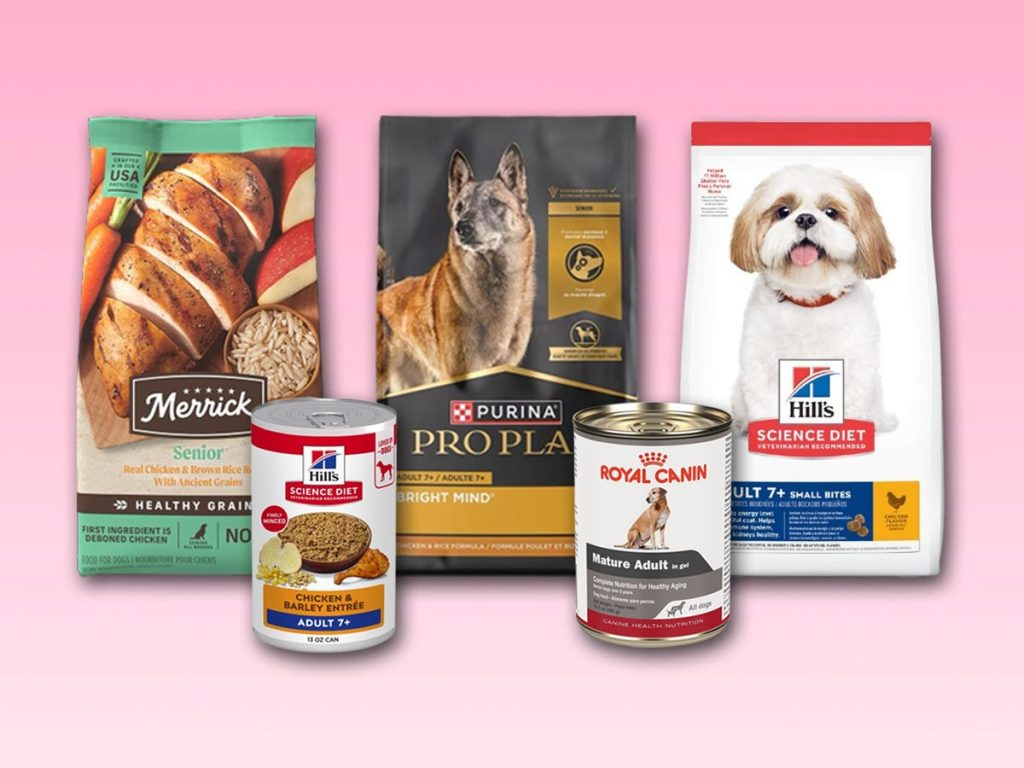
Best Dog Food Brands For Dogs 6+
Choosing the right dog food brand for your adult dog aged 6 and above is crucial for their health and vitality. As dogs enter this stage, their nutritional needs evolve, requiring foods that support joint health, digestion, and a balanced energy level. Picking a brand that aligns with these needs can make a noticeable difference in your dog’s quality of life.
Premium Brand Recommendations
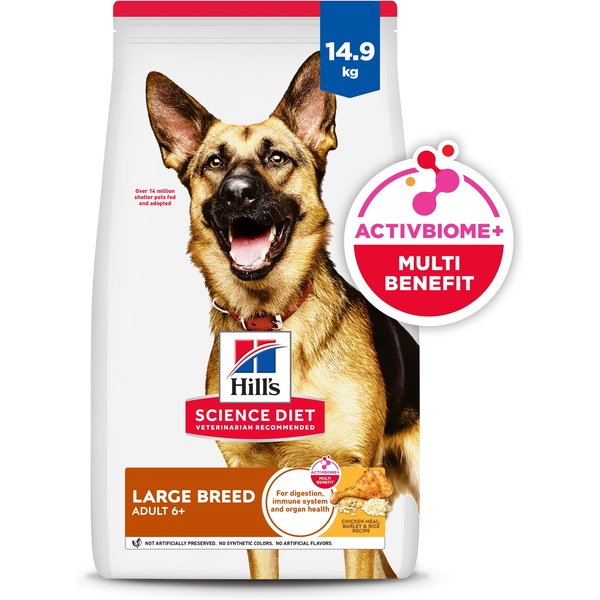
Premium dog food brands often use high-quality ingredients and advanced formulas designed specifically for aging dogs. Brands like Hill’s Science Diet, Blue Buffalo Life Protection, and Royal Canin Aging 6+offer tailored nutrition that supports mobility and healthy weight. These brands usually include antioxidants and glucosamine to support joint health, which is essential for older dogs.
While premium brands might be pricier, many dog owners notice improvements in coat condition, energy levels, and overall wellness. Have you observed changes in your dog’s health after switching to a specialized senior formula?
Budget-friendly Choices
Not everyone can stretch their budget for premium options, but quality nutrition doesn’t have to break the bank. Brands like Purina ONE SmartBlendand Nutro Wholesome Essentialsprovide balanced diets at a reasonable price. These options often include essential nutrients without unnecessary fillers.
When selecting budget-friendly foods, check the ingredient list carefully. Does the food have named protein sources upfront, or is it mostly by-products and fillers? Your dog’s health depends on what you feed them, so even on a budget, aim for the best possible quality.
Grain-free Vs. Grain-inclusive Options
Grain-free dog foods have gained popularity, but they’re not always better for adult dogs over 6 years old. While some dogs have grain allergies, most do well on grain-inclusive diets that provide fiber and energy. Brands like Merrick Grain-Freeand Canidae Grain Inclusiveoffer both options, making it easier to choose based on your dog’s needs.
Are you aware that some grain-free diets have been linked to heart issues in dogs? Before switching, consider if your dog truly needs a grain-free diet or if whole grains could actually benefit their digestion and energy. Always consult your vet if you’re unsure about the best fit.
Special Diets For Health Issues
Special diets help manage health problems in adult dogs aged 6 and older. These diets support specific needs like weight control, joint health, and allergies. Choosing the right food can improve your dog’s quality of life. Here are some common special diet options.
Weight Management Formulas
Weight management foods help keep dogs at a healthy weight. They have fewer calories and more fiber to make dogs feel full. These formulas reduce the risk of obesity-related problems. A balanced diet with proper portions supports steady weight loss or maintenance.
Joint Support Foods
Joint support diets contain ingredients that ease joint pain and improve mobility. Common additives include glucosamine, chondroitin, and omega-3 fatty acids. These nutrients help repair cartilage and reduce inflammation. Feeding joint support food can help dogs stay active and comfortable.
Allergy-friendly Options
Allergy-friendly foods avoid common allergens like wheat, soy, or beef. They often use novel proteins such as duck or venison. Limited ingredient diets simplify digestion and reduce allergic reactions. These foods improve skin health and reduce itching or digestive upset.
Credit: www.chewy.com
Tips For Transitioning To New Dog Food
Switching your adult dog to a new food requires care and attention. Abrupt changes can upset their stomach and cause unnecessary stress. Understanding how to transition smoothly can make the process easier for both you and your furry friend.
Gradual Switching Techniques
Start by mixing a small amount of the new food with your dog’s current food. Gradually increase the new food portion over 7 to 10 days. This slow change helps their digestive system adjust without causing diarrhea or vomiting.
Try this schedule:
| Days | Old Food (%) | New Food (%) |
|---|---|---|
| 1-3 | 75 | 25 |
| 4-6 | 50 | 50 |
| 7-9 | 25 | 75 |
| 10+ | 0 | 100 |
Monitoring Your Dog’s Reaction
Watch your dog closely during the transition. Look for changes in appetite, energy levels, and stool quality. Mild digestive upset might be normal, but persistent vomiting or diarrhea is a red flag.
Ask yourself: Is your dog still excited about mealtime? Are they showing signs of discomfort? These observations will help you decide whether to slow down the switch or reconsider the new food.
When To Consult A Veterinarian
If your dog shows ongoing digestive issues beyond two weeks, it’s time to seek professional advice. Sudden changes in behavior, weight loss, or skin problems may also indicate a food intolerance or allergy.
A vet can recommend tests or suggest a specialized diet. Don’t hesitate to ask questions—they can provide guidance tailored specifically to your dog’s health needs.
Frequently Asked Questions
What Nutrients Are Essential In Dog Food For Adult Dogs 6+?
Adult dogs 6+ need protein, fiber, omega-3 fatty acids, and antioxidants. These support muscle health, digestion, skin, and immunity. Balanced nutrition helps maintain energy and slows aging effects. Choose foods formulated specifically for senior dogs to meet these needs effectively.
How To Choose The Best Dog Food For Senior Dogs?
Look for age-appropriate formulas with controlled calories and joint-support ingredients. Check for quality protein and added vitamins. Avoid fillers and artificial additives. Consult your vet to match food with your dog’s health status and activity level for optimal results.
Is Grain-free Dog Food Better For Older Dogs?
Grain-free food is not always better. Some dogs may benefit if they have allergies or sensitivities. However, grains provide essential nutrients and fiber. Always check ingredient quality and consult your vet before switching to grain-free options for senior dogs.
How Often Should I Feed My Adult Dog 6+?
Feed senior dogs two smaller meals per day to aid digestion and maintain metabolism. Consistent meal times help regulate energy levels and prevent overeating. Adjust portions based on activity, weight, and health conditions to keep your dog healthy.
Conclusion
Choosing the right food helps your adult dog stay healthy and happy. Focus on ingredients that support energy, digestion, and joint health. Balanced nutrition keeps your dog active and strong. Watch for foods with quality protein and essential vitamins. Remember, each dog has unique needs and preferences.
Regular vet visits ensure your dog’s diet stays on track. Give your dog food that fits their age and lifestyle. Healthy meals lead to a joyful, long life together. Trust your care and attention to guide your choices.