

Training your dog can be challenging, especially when you want quick and effective results. If you’ve heard about shock collars but aren’t sure how to use one safely and correctly, this guide is for you.
You’ll learn exactly how to use a shock collar to help your dog listen better and behave well, without causing harm or stress. Keep reading to discover simple steps that make training easier and build a stronger bond between you and your furry friend.
Choosing The Right Shock Collar
Choosing the right shock collar is important for effective dog training. A good collar fits well and suits your dog’s size and temperament. It should offer control without causing harm or stress. Understanding different types and features helps you pick the best one. Proper sizing ensures comfort and proper function.
Types Of Shock Collars
- Static Shock Collars: Deliver a mild electric pulse to get the dog’s attention.
- Vibration Shock Collars: Use vibrations instead of shocks for gentler correction.
- Spray Shock Collars: Release a harmless spray to distract the dog.
- Remote-Controlled Shock Collars: Allow you to control the correction from a distance.
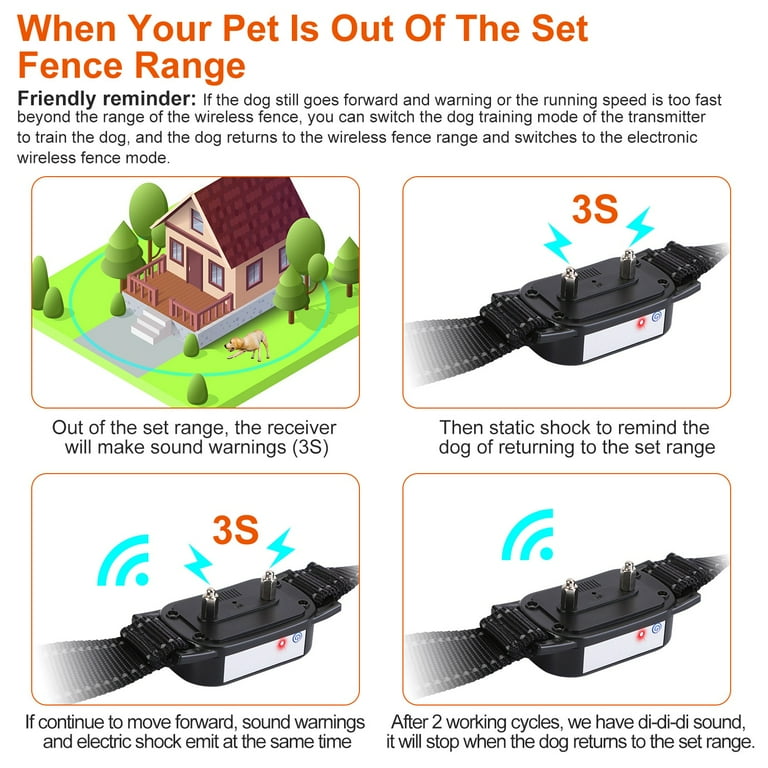
- Automatic Shock Collars: Activate based on the dog’s behavior or location.
Features To Look For
- Adjustable Intensity: Helps set the right level for your dog’s comfort.
- Multiple Correction Modes: Offers options like beep, vibration, and shock.
- Range: Check how far the remote control works.
- Battery Life: Longer battery life means less frequent charging.
- Water Resistance: Useful for dogs that play outdoors or swim.
- Safety Lock: Prevents accidental shocks during handling.
Sizing And Fit
Measure your dog’s neck before buying a collar. The collar should fit snugly but not too tight. It must stay in place without causing discomfort. Adjustable straps help achieve the perfect fit. Check the weight of the collar to avoid strain on small dogs. Proper fit improves training results and keeps your dog safe.

Credit: www.amazon.com
Preparing Your Dog For Training
Preparing your dog for training with a shock collar is a crucial step to ensure the experience is positive and effective. Taking time to understand your dog’s personality and introducing the collar carefully can make all the difference. Clear goals will help both you and your dog stay focused and motivated throughout the training process.
Assessing Your Dog’s Temperament
Not every dog reacts the same way to a shock collar. Some dogs are sensitive and may become fearful, while others might be more resilient. Observe how your dog responds to new stimuli and situations before starting.
Ask yourself: Does your dog get anxious easily? How does your dog react to sudden noises or changes? This will guide you on whether a shock collar is appropriate or if alternative training tools might work better.
Introducing The Collar Gradually
Start by letting your dog wear the collar without activating it. This helps them get used to the feel of it around their neck without associating it with discomfort. Keep sessions short and positive, combining collar time with treats and praise.
Once your dog is comfortable, you can begin introducing mild corrections, always watching for signs of stress. Gradual introduction builds trust and prevents negative reactions that could derail your training.
Setting Clear Training Goals
Decide exactly what behaviors you want to shape or stop. Clear goals help you use the collar effectively without confusing your dog. Whether it’s reducing barking, improving recall, or preventing jumping, write down your targets.
Think about measurable milestones like “respond to recall command 90% of the time” rather than vague aims. This keeps your training focused and helps you track progress realistically.
Setting Up The Shock Collar
Place the shock collar snugly around your dog’s neck, ensuring it’s not too tight or loose. Test the fit by sliding one finger under the collar to keep your dog comfortable during training.
Setting up a shock collar is a crucial step in ensuring effective and safe training for your dog. Doing it right can make all the difference in the training experience, both for you and your furry friend. By following these steps, you can ensure your dog understands the signals and responds appropriately.Adjusting The Intensity Levels
Begin by setting the collar to the lowest intensity level. It’s essential to start gently and gradually increase the intensity, if necessary. Carefully observe your dog’s reaction to find the level that prompts a response without causing distress. Pay attention to your dog’s body language and behavior. If your dog seems uncomfortable or anxious, reduce the intensity. The goal is to communicate, not to cause discomfort.Testing The Collar Safely
Before placing the collar on your dog, test it on your hand or forearm. This helps you understand the sensation your dog will experience. It also ensures the collar is working correctly without any surprises. Testing the collar yourself builds empathy. You’ll be more mindful of the settings, knowing firsthand how it feels. This step is about ensuring safety and effectiveness.Positioning The Collar Correctly
Proper placement of the collar is key to its effectiveness. The collar should sit high on the dog’s neck, just below the jawline, with the contact points touching the skin. Ensure it’s snug but not too tight. A good fit ensures consistent contact and communication. If the collar is too loose, the signals may not be received, leading to confusion. Regularly check the fit, especially if your dog has a thick coat. By setting up the shock collar thoughtfully, you’re creating a foundation for successful training. Are you ready to guide your dog towards better behavior with confidence and care?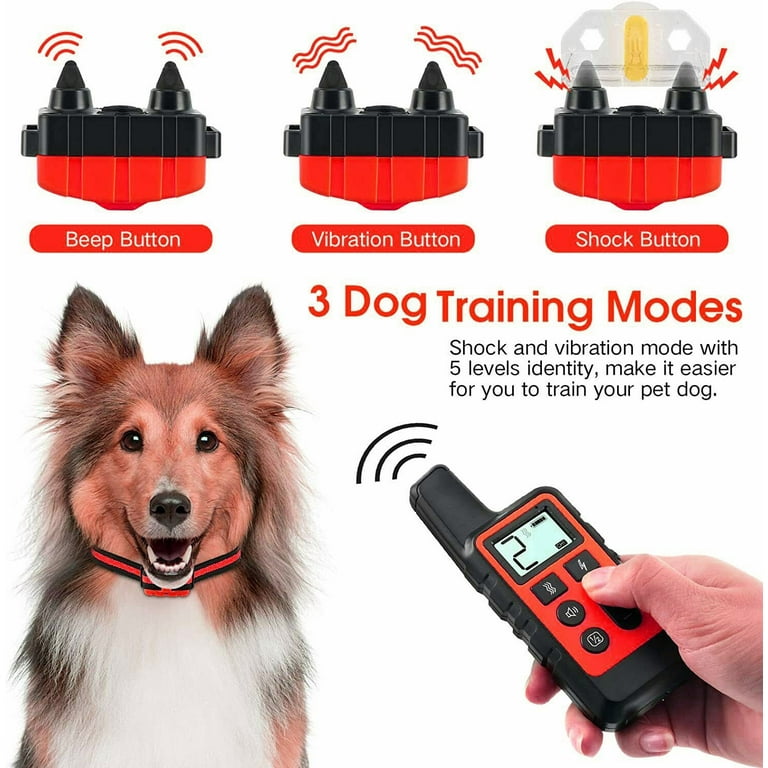
Credit: www.walmart.com
Effective Training Techniques
Effective training techniques build a strong bond between you and your dog. They help your dog learn commands clearly and behave better. Using a shock collar carefully can support this learning process. The key lies in combining gentle methods with the collar’s signals. This approach encourages positive behavior without causing fear or stress.
Using Positive Reinforcement
Positive reinforcement means rewarding good behavior. Give treats, praise, or playtime when your dog follows a command. This makes your dog want to repeat the action. Use the shock collar only as a reminder, not as punishment. Reward your dog right after the collar signal stops. This helps your dog link the reward with the right behavior.
Timing The Stimulation
Timing is crucial when using a shock collar. Deliver the stimulation immediately after a wrong action. This helps your dog understand what to avoid. Use short, gentle bursts of stimulation. Avoid long or strong shocks to prevent fear. Stop the stimulation as soon as your dog corrects the behavior. This clear timing guides your dog effectively.
Combining Commands With Signals
Pair voice commands with the collar signals. Say the command before giving the stimulation. This helps your dog connect the sound to the action needed. Use simple commands like “sit,” “stay,” or “come.” Consistency is key—use the same commands every time. Over time, your dog will respond to commands without the collar signal.
Common Mistakes To Avoid
Using a shock collar to train your dog can be effective, but it requires careful handling. Avoiding common mistakes will make training smoother and safer for your furry friend. Pay close attention to your dog’s behavior and your training habits to get the best results.
Overusing The Shock
Applying the shock too often can confuse and scare your dog instead of teaching them. It’s important to use the collar as a last resort, not the first tool. If you rely heavily on the shock, your dog might become anxious or even aggressive.
Think about how many times you’ve accidentally repeated a command – would your dog respond better to constant shocks or gentle reminders? Try to limit the use of the shock and combine it with positive reinforcement like treats or praise.
Ignoring Dog’s Reactions
Your dog’s reactions are the clearest signals of how they feel about the training. If you notice signs of stress, fear, or confusion, it’s time to pause and rethink your approach. Ignoring these reactions can harm your dog’s trust and slow down progress.
Have you watched your dog’s body language during training? Look for things like tail position, ear movement, or avoidance behavior. Adjust the collar’s settings or switch to a different method if your dog seems uncomfortable.
Inconsistent Training Sessions
Training with a shock collar needs regular and consistent sessions to be effective. Skipping days or changing the rules can confuse your dog, making it harder for them to learn what you expect. Keep training short but frequent to build good habits.
Do you set a regular schedule for training? Consistency helps your dog associate the collar’s signals with their behavior quickly. Make sure everyone involved in training follows the same plan to avoid mixed messages.
Monitoring Progress And Making Adjustments
Monitoring your dog’s progress is key to effective training with a shock collar. You need to watch how your dog reacts and changes over time. This helps you see if the collar is working well or needs adjustment. Careful observation keeps training safe and positive for your dog.
Tracking Behavioral Changes
Keep a daily log of your dog’s behavior. Note improvements and any signs of stress or fear. Look for:
- Less unwanted barking or jumping
- Increased response to commands
- Signs of anxiety or avoidance
Record the time and type of correction used. Tracking these details shows what works best.
Adjusting Intensity And Duration
Start with the lowest shock setting. Increase slowly only if your dog does not respond. Use short correction bursts. Avoid long or repeated shocks. Watch your dog’s reaction closely. If the dog looks scared or upset, lower the intensity immediately.
Adjust the collar settings based on progress. The goal is to use the least intensity needed for clear communication.
When To Seek Professional Help
Consult a trainer if your dog shows fear or aggression. Professionals can guide safe and effective collar use. Seek help if:
- Behavior does not improve
- Your dog reacts strongly or negatively
- You feel unsure about adjustments
Experts offer personalized advice to protect your dog’s well-being.
Safety And Ethical Considerations
Training your dog with a shock collar requires careful attention to safety and ethics. The collar can help manage behavior but must never cause harm or fear. Protecting your dog’s well-being is the top priority throughout training. Understanding comfort, stress signals, and alternatives keeps training humane and effective.
Ensuring Dog’s Comfort
Choose the right collar size for your dog’s neck. The collar should fit snugly but not too tight. Check the skin under the collar regularly for irritation or sores. Start with the lowest stimulation level. Watch how your dog reacts and adjust accordingly. Use the collar only during short training sessions to avoid discomfort.
Recognizing Signs Of Stress
Watch for signs like whining, shaking, or trying to remove the collar. Your dog may pant excessively or avoid eye contact. Aggression or sudden behavior changes also indicate stress. Stop training immediately if these signs appear. Allow your dog time to calm down before continuing. Respect your dog’s limits to build trust.
Alternatives To Shock Collars
Consider positive reinforcement tools like treats and clickers. These methods reward good behavior without pain. Use gentle voice commands and consistent routines. Harnesses and head collars offer control without discomfort. Training classes with professionals can provide guidance and support. Choose methods that fit your dog’s personality and needs.
Credit: www.walmart.com
Frequently Asked Questions
What Is The Purpose Of A Shock Collar In Dog Training?
A shock collar helps correct unwanted behaviors by delivering mild electric stimulation. It reinforces commands and discourages disobedience safely when used properly.
How Do You Properly Fit A Shock Collar On A Dog?
Fit the collar snugly but not too tight around the neck. Ensure the contact points touch the skin for effective stimulation without causing discomfort.
Can Shock Collars Harm My Dog’s Health?
When used correctly, shock collars are safe and humane. Avoid high intensity and long duration shocks to prevent stress or injury.
How Soon Will My Dog Respond To Shock Collar Training?
Dogs typically respond within a few sessions. Consistency and positive reinforcement alongside the collar improve training speed and effectiveness.
Conclusion
Training your dog with a shock collar needs care and patience. Always start with low settings to avoid stress. Watch your dog’s reactions closely during training sessions. Use the collar as a guide, not a punishment tool. Pair the collar with positive rewards for best results.
Consistency helps your dog learn commands faster and better. Respect your dog’s limits and adjust training as needed. With time, your dog will behave well and stay safe. Training builds trust and a strong bond between you both.