
Are you wondering when it’s the right time to switch your furry friend to adult dog food? Knowing the perfect moment can make a big difference in your dog’s health and happiness.
Feeding your dog the right food at the right age helps them grow strong and stay active. You’ll discover clear signs to look for and simple tips to make the transition smooth. Keep reading to learn exactly when your dog is ready for adult food and how to keep them thriving every step of the way.
Puppy Growth Stages
Understanding the puppy growth stages is key to knowing the right time to switch your furry friend to adult dog food. Each stage has specific nutritional needs that support healthy development. Paying attention to these phases helps you provide the best care and avoid feeding mistakes.
Newborn To Weaning
During the first few weeks, puppies rely entirely on their mother’s milk. This milk provides all the nutrients they need to grow strong and build immunity. You don’t need to think about solid food yet, but make sure the mother dog is well-fed to produce quality milk.
Have you noticed how tiny and fragile puppies seem at this stage? Their digestive systems are still developing, so solid foods could upset their stomachs if introduced too early.
Transition To Solid Food
Around 3 to 4 weeks old, puppies start showing interest in solid food. This is when you can gently introduce soft, moistened puppy food. Mixing dry kibble with warm water or puppy formula makes it easier for them to eat.
Feed small amounts several times a day and watch how your puppy reacts. Some puppies may take to solid food quickly, while others need more time. Patience here is important to avoid digestive upset or refusal to eat.
Rapid Growth Phase
Between 8 weeks and 6 months, puppies grow rapidly and need more calories, protein, and nutrients. High-quality puppy food is designed to meet these needs, supporting muscle and bone development.
At this stage, switching to adult dog food is premature and can cause nutritional gaps. Keep feeding puppy food until your dog reaches about 80% of their expected adult size. This usually happens between 9 and 12 months, depending on the breed.
Think about your puppy’s breed and size—is it small, medium, or large? Larger breeds often need to stay on puppy food longer to ensure proper growth without joint problems. Are you tracking their growth closely enough to decide the right time for the switch?
Credit: www.zehrs.ca
Signs Your Dog Is Ready
Knowing when your dog is ready for adult food is crucial for their health and development. Watching for specific signs can help you make the right decision at the right time. Let’s look closely at the key indicators that show your furry friend is ready to switch to adult dog food.
Weight And Size Milestones
One of the clearest signs your dog is ready for adult food is reaching certain weight and size milestones. Puppies grow rapidly in their first months, but growth slows as they near adulthood.
If your dog has reached about 80% of their expected adult size, it’s a good time to consider the switch. For example, a Labrador puppy that weighs around 50 pounds at six months might be ready to transition soon.
Keep in mind, different breeds grow at different rates. Smaller breeds mature faster, sometimes by 9 to 12 months, while large breeds may take up to 18 months. Watch your dog’s growth charts and consult your vet for personalized advice.
Dental Development
Your dog’s teeth offer clear clues about their readiness for adult food. Puppies start losing their baby teeth and grow permanent ones typically between 4 to 6 months old.
When your dog has most of their adult teeth in place, they can handle the texture and density of adult kibble better. This means less risk of choking and better digestion.
Try gently feeling your dog’s mouth or observe their chewing habits. If they’re comfortably chewing tougher food, it’s a strong sign they’re ready for adult food.
Behavioral Changes
Behavior changes also signal your dog’s transition into adulthood. You might notice that your puppy’s energy levels start to stabilize—they aren’t as hyperactive as before.
They may begin eating less frequently but consume larger meals, which fits the adult feeding schedule. Additionally, your dog might show more independence and less frequent demand for attention.
Have you noticed your dog taking longer naps or being more focused during walks? These subtle changes often align with their readiness for adult food, reflecting their maturing metabolism and lifestyle.
Choosing The Right Adult Food
Choosing the right adult dog food is crucial for your pet’s health. As dogs grow, their dietary needs change. Proper nutrition ensures they stay active and happy. Selecting the best food involves understanding their unique needs and preferences.
Nutritional Needs
Adult dogs need a balanced diet for energy and growth. Their food should include proteins for muscle repair. Carbohydrates provide energy for daily activities. Fats are essential for a shiny coat and healthy skin. Vitamins and minerals support the immune system. Always check the label for these nutrients.
Types Of Adult Dog Food
There are several types of adult dog food available. Dry kibble is convenient and helps clean teeth. Wet food is softer and often more flavorful. Semi-moist food is tasty but can have more sugar. Choose based on your dog’s preference and health needs.
Avoiding Common Ingredients
Some ingredients can be harmful to dogs. Avoid foods with artificial colors and flavors. Preservatives like BHA and BHT are not ideal. Corn syrup and sugar can lead to obesity. Check for natural ingredients on the label. This ensures a healthier diet for your dog.
Transitioning To Adult Food
Transitioning your dog to adult food is a key step in their growth. It helps meet new nutritional needs as they mature. Making this change carefully supports their health and digestion.
Gradual Food Mixing
Start by mixing a small amount of adult food with puppy food. Gradually increase the adult food portion over 7 to 10 days. This slow change helps your dog’s stomach adjust without upset.
Mix food like this:
- Day 1-3: 25% adult food, 75% puppy food
- Day 4-6: 50% adult food, 50% puppy food
- Day 7-9: 75% adult food, 25% puppy food
- Day 10: 100% adult food
Monitoring Digestive Health
Watch for signs of digestive issues during the switch. Check your dog’s stool for consistency and frequency. Loose stools or vomiting may mean the transition is too fast.
Keep an eye on energy levels and appetite. Healthy digestion means your dog stays active and interested in food.
Adjusting Portions
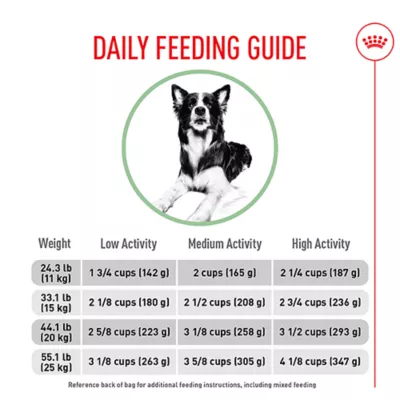
Adult dogs usually need fewer calories than puppies. Adjust the amount of food based on your dog’s weight and activity. Use feeding guidelines on the dog food package as a starting point.
Feed smaller, more frequent meals if your dog seems hungry or has a sensitive stomach. Track your dog’s weight to avoid overfeeding or underfeeding.
Special Considerations
Transitioning your dog to adult food isn’t just about age. Several special considerations affect the timing and type of food your dog should eat. Understanding these factors helps you make the best choice for your pet’s health and happiness.
Breed Differences
Not all breeds grow at the same rate. Small breeds often mature faster and can switch to adult food around 9 to 12 months, while large breeds might need puppy food for up to 18 or 24 months.
Large breeds require controlled calcium and protein levels to support their slower bone development. Have you noticed how your Great Dane’s growth seems slower than your Chihuahua’s? This difference means their food needs differ significantly.
Health Conditions
Your dog’s health status plays a crucial role in choosing the right food. Dogs with allergies, digestive issues, or metabolic disorders may need specialized diets that don’t always fit the typical adult dog food profile.
For example, a dog with sensitive skin might benefit from foods rich in omega fatty acids, while one with kidney problems may require low-protein formulas. Have you discussed your dog’s unique health needs with your vet before making a food change?
Senior Dogs
Senior dogs, generally over 7 years old, often need diets that differ from both puppy and adult foods. Their metabolism slows down, and joint health becomes a priority.
Adult dog food isn’t always suitable for seniors, who may benefit from reduced calories and added supplements like glucosamine. Are you adjusting your aging dog’s diet to support their changing needs?

Credit: us.eukanuba.com
Veterinary Advice
Knowing the right time to switch your dog to adult food is important, but getting professional advice ensures you do it safely. Veterinarians have the expertise to guide you based on your dog’s breed, health, and growth patterns.
When To Consult A Vet
If you notice unusual changes in your puppy’s growth or eating habits, it’s a good time to see your vet. Puppies grow at different rates, so the standard age to change food might not fit all dogs. Your vet can tell you the best moment to start adult food, avoiding digestive issues or nutrient gaps.
Tailoring Diet Plans
Every dog has unique nutritional needs. Your vet can help create a diet plan that matches your dog’s activity level, size, and health conditions. For example, some breeds need more protein, while others benefit from joint-supporting nutrients. This tailored approach helps your dog stay healthy and happy.
Regular Health Checks
Regular vet visits help track your dog’s health as they grow. These checkups allow for adjustments in diet if your dog gains too much weight or shows signs of allergies. Have you noticed any changes in your dog’s energy or coat? Discussing these with your vet can keep your dog on the right nutrition path.

Credit: jiminys.com
Frequently Asked Questions
When Should Puppies Switch To Adult Dog Food?
Puppies typically switch to adult dog food around 12 months old. Large breeds may transition later, up to 18 months. The switch supports their changing nutritional needs as they mature and helps maintain healthy growth.
What Signs Indicate Dogs Need Adult Dog Food?
Signs include slowed growth, reduced energy needs, and a more stable weight. If your dog’s vet confirms maturity, it’s time to switch. Adult food better suits their metabolism and health requirements after puppyhood.
Can Feeding Adult Dog Food Too Early Harm Puppies?
Yes, feeding adult dog food too early can cause nutrient deficiencies. Puppies need higher protein and fat for growth. Prematurely switching may stunt development and affect overall health.
How To Gradually Introduce Adult Dog Food?
Mix increasing amounts of adult food with puppy food over 7-10 days. This helps prevent digestive upset. Monitor your dog’s reaction and adjust the ratio gradually until fully switched.
Conclusion
Dogs need adult food when they reach about one year old. Switching too early can upset their stomach. Watch their growth and energy for signs to change food. Consult your vet to choose the best time. Feeding the right food helps keep dogs healthy and happy.
Remember, every dog is different, so patience is key. This simple step supports a strong, active life for your dog. Careful timing makes all the difference.