
Are you wondering if your 8-month-old dog can start eating adult dog food? It’s a common question for many pet owners like you who want the best for their furry friend.
Making the right choice about your dog’s diet now can impact their health and happiness for years to come. Keep reading to discover what’s best for your growing dog and how to make the switch safely when the time is right.
Your dog’s well-being depends on it!
Credit: dogsauce.co
Growth Stages Of Dogs
Understanding the growth stages of your dog is essential when deciding whether to switch from puppy food to adult dog food. Each stage of development demands different nutritional support to keep your furry friend healthy and active. Knowing these stages helps you provide the right diet at the right time.
Puppy Development Milestones
Puppies grow rapidly in their first few months. By 8 months old, many dogs have reached around 80% of their adult size, but their bones and muscles are still developing. During this time, they need food rich in protein and fat to fuel their growth and energy levels.
At this stage, puppies are also developing their immune systems and brain function. Nutrients like DHA and antioxidants play a vital role here. If you’ve watched your puppy zoom around the house or master a new trick, that energy and brain growth are powered by the right nutrition.
Transition From Puppy To Adult
The switch from puppy food to adult food usually happens between 9 and 12 months, but it depends on your dog’s breed and size. Larger breeds may take longer to mature, needing puppy food for more extended periods.
Adult dog food has fewer calories and different nutrient balances since your dog’s growth rate slows down. If you switch too early, your dog might miss out on key nutrients; too late, and they might gain unnecessary weight.
Consider your dog’s activity level and growth progress. Are they still growing taller or more muscular? If so, keep feeding puppy food a bit longer. If they’ve plateaued, it might be time to change their diet. What signs do you notice in your dog’s behavior or body that suggest it’s time to adjust their food?
Nutritional Needs At 8 Months
At 8 months old, your dog is in a critical phase of growth and development. Their body is transitioning from the rapid growth of puppyhood to the more stable stage of adulthood. During this time, their nutritional needs shift, but they still require a diet that supports strong bones, healthy muscles, and a robust immune system.
Key Nutrients For Growing Dogs
Your 8-month-old dog needs specific nutrients to support their active lifestyle and development. Protein is essential for muscle growth and repair, so choose foods with high-quality animal proteins like chicken, beef, or fish.
Calcium and phosphorus are crucial for strong bones and teeth. Too little or too much can cause problems, so balanced amounts in food are vital.
Fat provides energy and helps keep your dog’s coat shiny and skin healthy. Omega-3 fatty acids, found in fish oils, also support brain development and reduce inflammation.
Don’t forget vitamins and minerals like vitamin E, zinc, and antioxidants, which boost your dog’s immune system and overall health.
Differences Between Puppy And Adult Food
Puppy food is specially formulated to meet the demands of rapid growth. It has higher calories, more protein, and extra nutrients compared to adult food. Switching too early to adult food can leave your dog without enough fuel to grow properly.
Adult dog food has fewer calories and different nutrient ratios to maintain health rather than promote growth. Feeding adult food to an 8-month-old may slow down their development or cause nutrient gaps.
Ask yourself: Is your dog still growing in size and energy? If yes, sticking with puppy food or a transitional formula might be better until their growth plateaus.
When To Switch To Adult Food
Deciding when to switch your dog from puppy food to adult food is a critical decision that impacts their health and growth. While eight months might seem early for some breeds, it could be just right for others. Understanding your dog’s specific needs and development stage is essential to make this transition smoothly.
Signs Your Dog Is Ready
Noticing changes in your dog’s behavior and physical development can signal readiness for adult food. Look for a reduction in growth rate; if your dog’s height seems to stabilize, it might be time. Additionally, a decrease in energy levels might indicate that the high-calorie puppy food is no longer necessary.
Observe their eating habits. If they seem less interested in puppy food or experience digestive issues, this could be a sign. Consulting with your vet can provide personalized guidance based on your dog’s breed and health status.
Risks Of Early Transition
Transitioning too early can pose significant risks to your dog’s health. Adult food lacks the specific nutrients needed for a growing puppy, potentially stunting growth. An early switch might lead to malnutrition, affecting bone development and overall vitality.
Your dog’s digestive system may struggle to adapt to the denser composition of adult food, causing stomach upset. Balancing the timing of this transition ensures your dog receives the necessary nutrients without unnecessary strain. Always prioritize your dog’s well-being over convenience when considering this change.
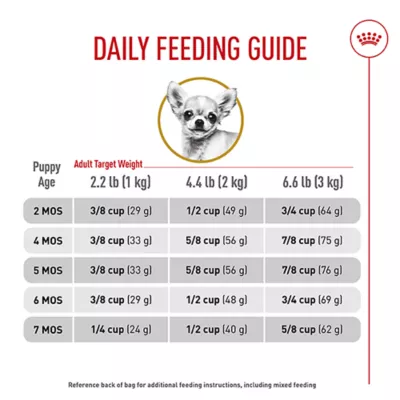
Credit: www.petsmart.com
Choosing The Right Adult Food
Choosing the right adult food for your 8-month-old dog can feel tricky. You want to make sure the switch supports their growth without causing any nutritional gaps. The key lies in understanding what makes adult dog food suitable and how to pick the best option tailored to your dog’s needs.
Ingredients To Look For
Look for dog foods that list real meat, like chicken, beef, or fish, as the first ingredient. Proteins are essential for muscle development and overall health at this stage.
Healthy fats like omega-3 and omega-6 fatty acids support your dog’s skin and coat. Whole grains, vegetables, and fruits provide fiber and important vitamins.
- Real meat or meat meal as the primary ingredient
- Balanced amounts of protein and fat
- Added vitamins and minerals for immune support
- Sources of omega fatty acids
When I switched my dog to adult food, I noticed a marked improvement in her energy levels. It made me realize how important quality ingredients are for their daily vitality.
Avoiding Common Additives
Many adult dog foods contain fillers and additives that don’t benefit your dog’s health. Avoid foods with excessive artificial colors, flavors, or preservatives.
Ingredients like corn syrup, by-products, and unnamed “meat” can lead to allergies or digestive issues. These additives often reduce the overall nutritional value of the food.
- No artificial colors or flavors
- No corn, wheat, or soy as primary fillers
- Avoid ambiguous meat sources like “meat meal” without specification
- Minimal or no chemical preservatives such as BHA or BHT
Have you ever checked your dog food label and wondered what some ingredients really mean? Taking a moment to read and understand can save your dog from unnecessary health risks.
How To Transition Safely
Transitioning your 8-month-old dog from puppy food to adult food requires care and patience. Sudden changes can upset your dog’s stomach, leading to discomfort or digestive problems. Taking the right steps ensures your dog adapts smoothly to the new diet while staying healthy and happy.
Step-by-step Feeding Change
Start by mixing a small amount of adult food into your dog’s current puppy food. Gradually increase the portion of adult food over 7 to 10 days.
- Days 1–3: 75% puppy food, 25% adult food
- Days 4–6: 50% puppy food, 50% adult food
- Days 7–9: 25% puppy food, 75% adult food
- Day 10 onwards: 100% adult food
This slow approach helps your dog’s digestive system adjust without shock. Watch your dog’s eating habits closely during this period. If they refuse the new food, try mixing in some warm water or low-sodium broth to make it more appealing.
Managing Digestive Issues
Some dogs may experience loose stools or mild diarrhea during the transition. If this happens, slow down the switch by staying longer on one mixing ratio.
Keep an eye on your dog’s energy levels and hydration. If diarrhea lasts more than a couple of days, or if your dog shows signs of lethargy, consult your vet immediately.
Adding probiotics to your dog’s diet can support gut health. You can find probiotic supplements specifically made for dogs or use plain yogurt with live cultures in small amounts as a natural option.
Have you noticed your dog’s mood or activity change with new food? Sometimes, digestive discomfort affects behavior more than we expect. Paying attention to these signs can help you make better feeding choices.

Credit: www.aldog.com
Special Considerations
Feeding an 8-month-old dog adult food requires some special care. Dogs at this age are still growing and developing. Their nutritional needs are different from fully grown dogs. Choosing the right food helps support healthy growth and prevents problems later.
Breed Size And Food Type
Small, medium, and large breeds grow at different rates. Large breeds need food with controlled calcium and phosphorus to protect their bones. Small breeds need more calories per pound because they burn energy faster. Adult food formulas vary to match these needs.
Some adult foods are made for specific breed sizes. Check the label to find the right type. Switching too early to adult food can cause nutritional gaps or excesses. Choose food that fits your dog’s breed size and growth stage.
Health Conditions Affecting Diet
Health conditions can change what your dog should eat. Dogs with allergies may need special hypoallergenic adult food. Those with sensitive stomachs require gentle, easy-to-digest formulas. Some dogs need food to support joint health or weight control.
Consult your vet before changing your dog’s diet. They can recommend the best adult food based on health needs. Careful food choices help keep your dog strong and happy during growth.
Feeding Tips For Optimal Health
Feeding an 8-month-old dog the right food supports their growth and health. Transitioning to adult food requires careful attention. Proper feeding helps maintain energy and supports body development. Follow these tips to keep your dog healthy and active.
Portion Control And Feeding Schedule
Measure your dog’s food to avoid overfeeding. Use a kitchen scale or measuring cup for accuracy. Feed your dog twice a day, at consistent times. Regular meals support digestion and energy levels. Avoid free feeding to control intake and weight.
Monitoring Weight And Activity
Check your dog’s weight weekly to track changes. Notice their body shape; ribs should be felt but not seen. Adjust food portions based on activity level. More active dogs may need extra calories. Less active dogs require smaller portions to prevent weight gain.
Frequently Asked Questions
Can An 8 Month Old Dog Eat Adult Food Safely?
Yes, an 8-month-old dog can start eating adult food if they show slower growth. Consult your vet for the right time and food type.
When Should I Switch My Puppy To Adult Dog Food?
Switch to adult food around 8 to 12 months, depending on breed size. Larger breeds may need puppy food longer for proper development.
What Are The Risks Of Feeding Adult Food Too Early?
Feeding adult food too early can cause nutrient imbalance. Puppies may miss vital growth nutrients leading to poor bone and muscle development.
How To Transition My 8 Month Old Dog To Adult Food?
Gradually mix adult food with puppy food over 7-10 days. This helps avoid digestive upset and allows your dog to adjust comfortably.
Conclusion
An 8-month-old dog can start eating adult food with care. Their body grows fast but still needs good nutrients. Switching too soon may cause stomach upset or lack of vitamins. Watch your dog’s health and energy after the change. Choose food made for adult dogs with balanced ingredients.
Consult your vet to know the best time to switch. Feeding the right food helps your dog stay strong and happy. Keep your dog’s needs in mind for a smooth transition.