Are you wondering when the right time is to switch your furry friend from puppy food to adult dog food? Making this change at the perfect age is crucial for your dog’s health and happiness.
Too early, and you might miss out on essential nutrients; too late, and your dog could gain unwanted weight or miss vital growth support. You’ll discover clear signs and expert tips to help you make the best decision for your dog’s diet.
Keep reading to ensure your loyal companion gets the nutrition they need at every stage of life.
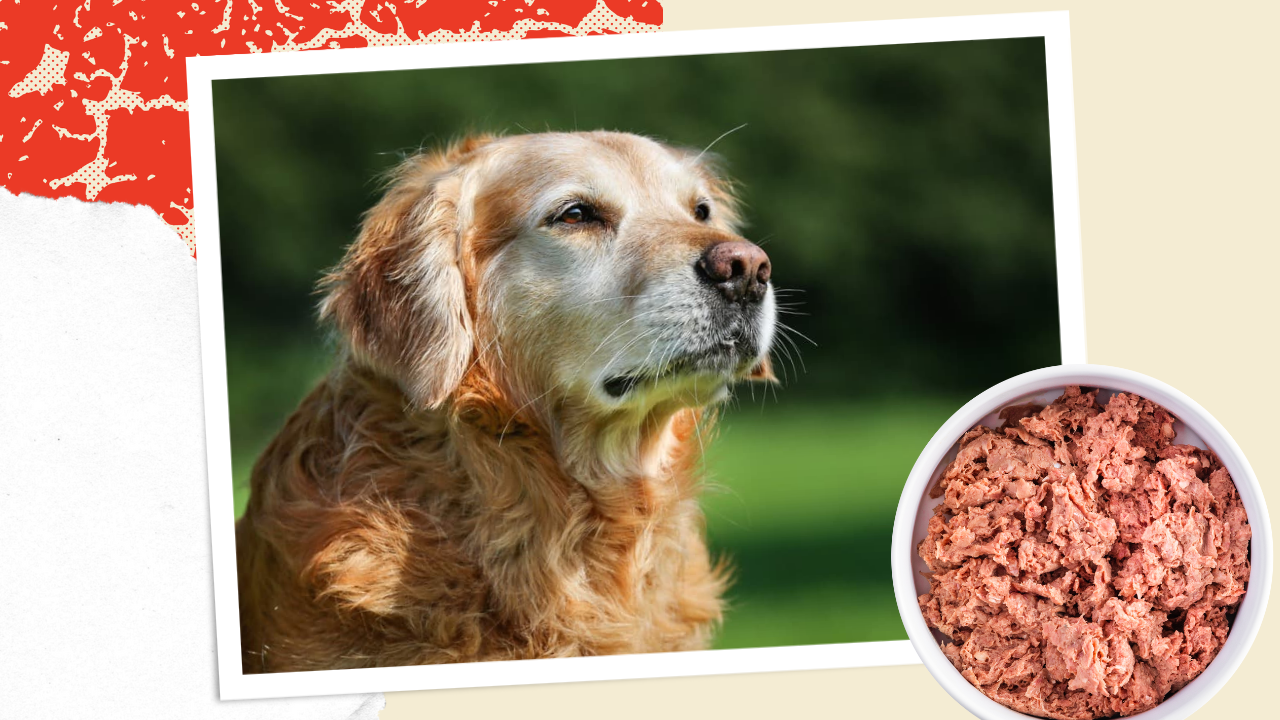
Credit: wefeedraw.com
When To Switch To Adult Dog Food
Knowing the right time to switch your dog from puppy food to adult dog food is important. Dogs need different nutrients as they grow. Feeding the right food helps keep them healthy and active. Timing the switch well supports their growth and energy levels. Watch your dog’s development closely to choose the best moment to change their diet.
Age Guidelines By Breed Size
Different dog breeds grow at different rates. Breed size affects when to switch their food.
| Breed Size | Switch to Adult Food |
|---|---|
| Small Breeds | 9 to 12 months |
| Medium Breeds | 12 months |
| Large Breeds | 12 to 18 months |
| Giant Breeds | 18 to 24 months |
Small dogs mature faster. Giant breeds take longer to grow. Adjust the switch based on your dog’s breed size.
Signs Your Dog Is Ready
- Steady weight gain slows down
- Less playful puppy behavior
- Teeth fully developed
- Calmer energy levels
- Reduced growth spurts
These signs show your dog is moving into adulthood. They need food that supports maintenance, not rapid growth.
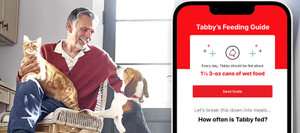
Credit: www.purina.com
Why Timing Matters
Choosing the right moment to switch your dog from puppy to adult food can make a big difference in their health and happiness. Timing isn’t just about age; it’s about matching their changing body needs as they grow. Getting this right helps your dog thrive during every stage of life.
Nutritional Needs By Life Stage
Your puppy’s body is growing rapidly, requiring lots of energy and specific nutrients like protein, calcium, and fat. Puppy food supports this fast growth with higher calorie content and balanced vitamins. As your dog matures, their metabolism slows, and they need fewer calories but more maintenance nutrients to stay fit.
Switching too early means your dog might miss out on essential nutrients needed for bone and muscle development. Waiting too long can lead to excess weight gain or nutrient imbalances because adult food doesn’t support growth as well. Pay attention to breed size and growth rate — large breeds often need a longer puppy phase than small breeds.
Risks Of Early Or Late Switching
Switching to adult food too soon can stunt growth and lead to nutrient deficiencies. Some dogs may develop digestive issues like diarrhea or vomiting if their new diet doesn’t meet their immature digestive system’s needs.
Delaying the switch beyond the ideal age risks obesity and joint problems due to excess calories and inappropriate nutrient ratios. It can also cause your dog to lose interest in food if it doesn’t satisfy their maturing taste buds and energy levels.
Have you noticed your dog’s energy or weight changing before the switch? Observing these signs can help you decide the perfect timing. A gradual transition over 7-10 days can ease the change and help your dog adapt smoothly.
Choosing The Right Adult Dog Food
Dogs usually switch to adult food around one year old. Some larger breeds may need adult food later. Watch your dog’s size and energy for the best time to change.
Choosing the right adult dog food for your furry friend is a significant decision that can impact their health and happiness. Transitioning from puppy food to adult dog food is not just about age; it’s about meeting the changing nutritional needs of your dog as they grow. Your dog’s breed, size, activity level, and any specific health concerns should guide your choice.Key Nutrients To Look For
When selecting adult dog food, prioritize essential nutrients. Proteins are vital for muscle maintenance. Look for high-quality sources like chicken, beef, or fish. Fats are necessary for energy and a shiny coat. Opt for foods rich in omega-3 and omega-6 fatty acids. Carbohydrates provide energy, so whole grains or sweet potatoes are excellent choices. Vitamins and minerals support overall health. Ensure the food contains essential nutrients like calcium for strong bones and antioxidants for immune support.Special Formulas For Health Issues
Some dogs have specific health needs that require special formulas. If your dog has allergies, consider hypoallergenic options. These often use novel proteins and avoid common allergens. For dogs with joint issues, foods enriched with glucosamine and chondroitin can be beneficial. Dogs with digestive problems may benefit from easily digestible formulas with added probiotics. It’s crucial to consult your vet about any health concerns. They can recommend a diet tailored to your dog’s needs, ensuring they remain healthy and active. Choosing the right food is more than just picking a bag off the shelf. It’s about understanding your dog’s unique needs and providing them with the best nutrition possible. What changes have you noticed in your dog’s health with the right diet?Transitioning Your Dog’s Diet
Changing your dog’s diet from puppy food to adult dog food is a crucial moment. It affects their health, energy, and digestion. Making the switch too quickly can upset their stomach, while waiting too long might not meet their nutritional needs.
Step-by-step Switching Process
Start by mixing a small amount of adult dog food into your dog’s current puppy food. Aim for about 25% adult food and 75% puppy food for the first few days.
Gradually increase the adult food portion over 7 to 10 days until your dog is eating only adult food. This slow change helps your dog’s digestive system adjust without discomfort.
- Begin with 25% adult food and 75% puppy food
- After 3 days, switch to 50/50 mix
- Then move to 75% adult food, 25% puppy food
- Finally, transition to 100% adult food
Watch your dog’s behavior and stool during this period. If you notice any diarrhea or vomiting, slow down the process. Your dog’s comfort is the priority.
Managing Digestive Adjustments
Digestive changes are common when switching diets. Your dog’s gut bacteria need time to adapt to the new ingredients and nutrient levels.
Offer plenty of fresh water to help digestion. Avoid giving treats or table scraps that might confuse their system.
If your dog experiences mild digestive upset, adding a probiotic supplement can support gut health. Consult your vet before adding any supplements.
How closely are you monitoring your dog’s reaction to new food? Small signs like changes in appetite or energy can tell you a lot about how well they’re adjusting.
Expert Tips For A Smooth Change
Switching your dog from puppy to adult food is more than just a simple swap—it’s a process that needs attention and care. A smooth transition helps avoid digestive upset and ensures your dog continues to get the right nutrients. Here are expert tips to guide you through this change confidently.
Monitoring Your Dog’s Response
Watch your dog closely after introducing adult food. Changes in appetite, stool consistency, or energy levels can signal how well your dog is adapting.
Keep a daily log of what your dog eats and any reactions you notice. This helps spot patterns, like whether a certain ingredient causes discomfort.
Don’t rush the transition; mix increasing amounts of adult food with the puppy food over 7 to 10 days. This gradual approach allows your dog’s digestive system to adjust smoothly.
Have you noticed your dog acting differently after a meal? Small signs like mild diarrhea or reduced enthusiasm can be early hints to slow down the change.
When To Consult A Veterinarian
If your dog shows persistent vomiting, diarrhea lasting more than a couple of days, or seems unusually lethargic, reach out to your vet promptly. These symptoms may mean your dog needs a different diet or medical attention.
Your vet can recommend specific adult dog foods tailored to your dog’s breed, size, and health needs. This personalized advice is invaluable, especially if your dog has allergies or special dietary requirements.
Remember, you’re not alone in this. Professional guidance ensures your dog’s transition is safe and supports their long-term health.

Credit: www.purina.com
Frequently Asked Questions
When Is The Right Age To Switch To Adult Dog Food?
Most dogs should switch to adult food at 12 months. Large breeds may need to wait until 18-24 months. This timing supports healthy growth and prevents obesity or nutritional imbalances.
Why Should Puppies Switch From Puppy To Adult Food?
Adult dog food contains balanced nutrients for maintenance, not growth. Continuing puppy food can cause excess calories and weight gain. Switching supports optimal health and energy levels in mature dogs.
How To Transition From Puppy To Adult Dog Food?
Gradually mix adult food with puppy food over 7-10 days. Increase adult food portion daily to avoid digestive upset. This smooth transition helps your dog adjust comfortably.
Can Premature Switching Affect My Dog’s Health?
Switching too early can lead to nutrient deficiencies or slowed growth. Too late may cause weight gain or digestive issues. Follow breed-specific guidelines for best results.
Conclusion
Switching your dog to adult food at the right age matters. Usually, dogs change from puppy to adult food between one and two years old. This depends on their size and breed. Large dogs may need adult food later than small dogs.
Watch your dog’s growth and health to decide the best time. Choose food that fits your dog’s needs. Feeding the right food helps keep your dog healthy and strong. Remember, a good diet supports a happy, active life. Trust your instincts and talk to your vet if unsure.