
Are you wondering if it’s okay to give your adult dog large breed puppy food? You’re not alone.
Many dog owners ask this question because they want the best for their furry friends. Feeding the right food can affect your dog’s health, energy, and happiness. But is puppy food made for large breeds really suitable for adult dogs?
Keep reading to find out what experts say and how you can make the best choice for your dog’s diet. This simple answer could change the way you feed your dog forever.
Large Breed Puppy Food Basics
Understanding the basics of large breed puppy food is key if you’re thinking about feeding it to your adult dog. This type of food is crafted differently than adult dog food, targeting the unique needs of growing large breed puppies. Knowing what’s inside these formulas helps you decide if they fit your adult dog’s diet.
Nutrient Composition
Large breed puppy food contains a balanced mix of proteins, fats, and minerals designed to support healthy growth. The protein levels are moderate—not too high—to help build strong muscles without stressing developing bones. Calcium and phosphorus are carefully controlled to prevent bone issues common in large breeds.
Have you noticed how some adult dogs seem to thrive on foods meant for puppies? That might be because of how these nutrients support overall health.
Calorie Content
These foods usually have higher calories per serving than adult dog food. Puppies need more energy for growth and play, so their food packs in extra calories. Feeding this to an adult dog could lead to unwanted weight gain if they don’t burn off that energy.
Think about your dog’s activity level—does their current food match their calorie needs?
Growth Support
Large breed puppy formulas include ingredients that promote gradual and controlled growth. This helps prevent problems like joint stress and skeletal deformities. Ingredients like glucosamine and omega fatty acids are often added to support healthy joints and brain development.
Would your adult dog benefit from these added supports, or is their growth phase behind them? This question matters when choosing the right food.

Credit: us.eukanuba.com
Adult Dog Nutritional Needs
Adult dogs need a balanced diet that fits their changing body needs. Their growth has slowed, so their food must support health without adding extra calories. Choosing the right nutrition keeps them active and happy.
Energy Requirements
Adult dogs need fewer calories than puppies. Their activity level affects energy needs. Overfeeding can cause weight gain and health problems. Feeding the correct amount keeps their weight healthy and supports daily energy.
Protein Levels
Protein helps maintain muscle and repair tissues. Adult dogs require less protein than growing puppies. Quality protein sources are important for overall health. Too much protein may strain kidneys, so balance is key.
Joint Health Considerations
Large breeds often face joint problems as adults. Nutrients like glucosamine and omega-3 fatty acids support joint health. Feeding food designed for adults helps protect their joints. Proper nutrition reduces the risk of arthritis and stiffness.
Feeding Puppy Food To Adult Dogs
Feeding puppy food to adult dogs can be a curious topic for many dog owners. Puppy food is typically richer in calories and nutrients to support rapid growth, but does that mean it’s suitable for adult dogs? Let’s dive into the potential benefits, possible risks, and when it might be appropriate to consider this feeding choice.
Potential Benefits
Puppy food is packed with proteins and fats necessary for growth. If your adult dog is underweight or recovering from illness, these extra nutrients can aid in weight gain and recovery. In some cases, older dogs with specific nutritional needs might benefit from the higher calorie count.
Imagine your senior dog, Buddy, who is losing weight despite a regular diet. Introducing puppy food could potentially help Buddy regain strength by providing the extra calories he needs.
Possible Risks
Feeding puppy food to adult dogs does come with its share of risks. The high-calorie content can lead to weight gain and obesity in adult dogs not needing extra calories. This can further lead to joint problems and other health issues.
Additionally, the nutrient balance designed for puppies might not meet the dietary needs of adult dogs. Excessive nutrients can sometimes do more harm than good, upsetting the digestive system.
When It Might Be Appropriate
There are specific situations where puppy food might be appropriate for adult dogs. If your vet recommends it for a particular health condition, it might be worth considering. Adult dogs with increased energy needs, such as working dogs or those with high activity levels, might also benefit from the additional nutrients.
Remember to always consult with your veterinarian before making dietary changes. What works for one dog might not be suitable for another. Are you considering feeding puppy food to your adult dog? Weigh the pros and cons carefully to ensure your furry friend’s health and happiness.
Credit: www.purina.com
Signs Of Overfeeding Or Imbalance
Feeding your adult dog with large breed puppy food may seem harmless at first, but it can lead to signs of overfeeding or nutritional imbalance. Recognizing these signs early can help you adjust your dog’s diet before serious health issues develop. Let’s look at key indicators that your dog’s food intake might be off balance.
Weight Gain Indicators
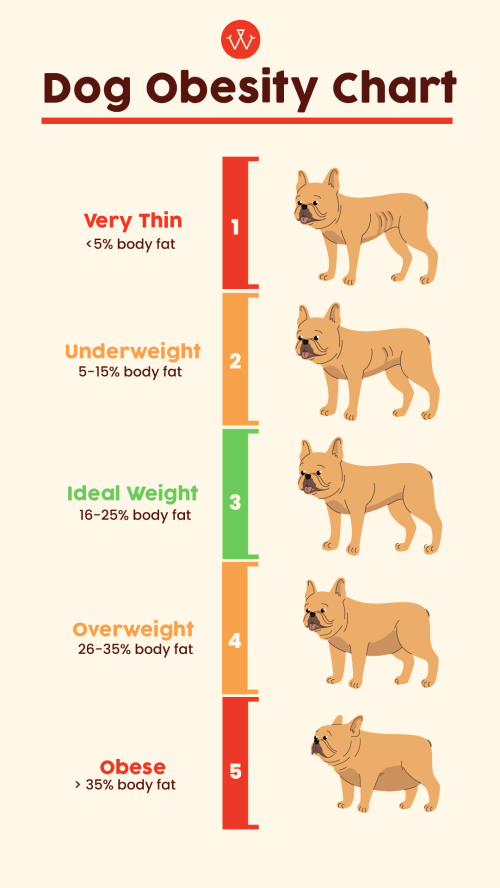
One of the most obvious signs of overfeeding is sudden or excessive weight gain. If your dog’s waistline starts to disappear or you notice difficulty feeling their ribs, it’s a red flag. You might also see your dog struggling with mobility or getting tired faster during walks.
Have you checked your dog’s weight recently? Regularly monitoring weight can help catch problems early and prevent obesity-related illnesses.
Digestive Issues
Feeding large breed puppy food to an adult dog can cause digestive upset. Watch for diarrhea, constipation, or frequent gas. These symptoms may signal that the nutritional content or portion size isn’t right for your dog’s current stage of life.
It’s important to track your dog’s bathroom habits closely. Persistent digestive problems mean it’s time to rethink their diet to avoid long-term gut health issues.
Behavioral Changes
Your dog’s behavior can tell you a lot about how their diet affects them. Overfeeding or imbalanced food can lead to lethargy or irritability. Conversely, some dogs become restless or overly hungry if their nutritional needs aren’t met correctly.
Have you noticed changes in energy or mood after switching foods? These clues can guide you to better feeding choices that match your dog’s needs.
Alternatives To Puppy Food For Adults
Adult dogs have different nutritional needs than puppies. Feeding puppy food to adult dogs can cause weight gain and nutrient imbalance. Choosing the right food supports health and energy levels. Several alternatives to puppy food provide balanced nutrition for adult dogs.
Large Breed Adult Formulas
Large breed adult dog foods contain fewer calories than puppy formulas. They focus on controlled growth and maintaining a healthy weight. These formulas have adjusted protein and fat levels. They include nutrients that support strong bones and joints. Look for foods with glucosamine and chondroitin for joint health. Feeding these foods helps prevent obesity and joint problems.
Homemade Diet Options
Some owners prefer homemade meals for their adult dogs. A balanced homemade diet has protein, vegetables, and grains. Use lean meats like chicken or turkey for protein. Add cooked vegetables such as carrots or green beans. Brown rice or sweet potatoes provide carbohydrates. Consult a vet or pet nutritionist to ensure meal balance and safety.
Supplements For Joint Support
Joint supplements help maintain mobility in large breed dogs. Common supplements include glucosamine, chondroitin, and omega-3 fatty acids. These support cartilage health and reduce inflammation. Supplements come in chewables, powders, and liquids. Always check with a vet before adding supplements to your dog’s diet.
Credit: www.petco.com
Veterinarian Recommendations
Veterinarian recommendations play a crucial role when deciding whether to feed large breed puppy food to an adult dog. Every dog has unique nutritional needs that can change with age, size, and health conditions. Consulting a veterinarian ensures you provide the right diet that supports your dog’s well-being without risking health issues.
Consulting Professionals
Your vet can give you clear advice tailored to your dog’s specific needs. They consider factors like your dog’s weight, activity level, and any existing health problems. Have you ever wondered if your dog’s current food really supports their energy and joint health? A professional consultation can answer that.
It’s also important to mention any changes you’ve noticed in your dog’s behavior or digestion. These details help your vet recommend if switching to adult or large breed puppy food is beneficial or risky. Never guess—getting expert input can save you from costly health issues later.
Tailoring Diet Plans
Vets don’t just give generic advice; they help create diet plans specific to your dog’s life stage. For example, large breed puppies need less calcium than small breeds to avoid bone problems, but adults might need a different balance. Have you checked if your dog’s food matches their current health goals?
Adjusting your dog’s diet gradually based on professional advice can prevent digestive upsets. Your vet might suggest mixing puppy and adult food during transition periods or adding supplements if necessary. Custom plans keep your dog’s weight and energy levels in check.
Monitoring Health Changes
Feeding large breed puppy food to an adult dog requires close monitoring of their health. Your vet can guide you on what signs to watch for, such as changes in weight, coat quality, or energy. Are you prepared to notice subtle differences that signal a diet isn’t right?
Regular vet visits help track your dog’s progress and adjust their diet as needed. Blood tests or physical exams can reveal if the food supports optimal organ function and joint health. Staying proactive prevents problems before they start, keeping your dog happy and healthy.
Frequently Asked Questions
Can Adult Dogs Eat Large Breed Puppy Food Safely?
Yes, adult dogs can eat large breed puppy food occasionally. However, it’s not ideal long-term due to excess calories and nutrients meant for growth.
What Risks Come From Feeding Puppy Food To Adult Dogs?
Feeding puppy food to adults may cause weight gain, digestive issues, and nutrient imbalance. Puppy food is richer and can overload mature dogs.
When Should You Switch From Puppy To Adult Dog Food?
Switch to adult dog food when your large breed puppy reaches 12-18 months. This supports their maintenance needs without excess calories.
Does Large Breed Puppy Food Support Adult Dog Health?
Large breed puppy food is formulated for growth, not maintenance. Adult dogs need balanced nutrients tailored for their activity and metabolism levels.
Conclusion
Feeding large breed puppy food to an adult dog is not always ideal. Puppy food has extra nutrients meant for growth. Adult dogs need balanced nutrition for maintenance. Too many calories can cause weight gain and health issues. Always check your dog’s age and health needs.
Consult a vet before changing your dog’s diet. Choosing the right food helps keep your dog happy and healthy. Feeding the correct diet supports a long, active life. Simple choices make a big difference for your dog’s well-being.