

If you’ve just welcomed a rescue dog into your life, you’re probably wondering when the best time to start training is. You want to build trust, create a strong bond, and help your new friend feel safe and happy.
But rushing in too soon or waiting too long can make training harder for both of you. You’ll discover the key moments to begin training your rescue dog, so you can set them up for success and enjoy a smoother, more rewarding relationship.
Keep reading to learn exactly what to do—and when—to help your rescue dog thrive.
Choosing The Right Time
Choosing the right time to start training a rescue dog can shape your entire experience together. It’s not just about eagerness to begin but about understanding your dog’s unique needs and readiness. Rushing into training can cause setbacks, while waiting too long might miss vital learning windows.
Assessing The Dog’s Background
Your dog’s history plays a huge role in deciding when to start training. A dog rescued from neglect or trauma may need more time to adjust before focusing on commands. Ask yourself: has your dog experienced abuse or long periods of isolation? Those factors can affect trust and behavior.
Look for signs in their past that might influence training speed. Dogs from shelters might be overwhelmed by new environments and require gentle socialization first. Knowing these details helps you tailor your approach and avoid frustration for both of you.
Evaluating Age And Health
Age isn’t just a number when it comes to training. Puppies have shorter attention spans but learn quickly, while older dogs might require more patience and slower pacing. Health issues can also limit what your dog can handle physically and mentally.
If your rescue dog has health problems like arthritis or vision loss, training should adapt to their capabilities. Consult your vet to understand any restrictions. Starting training too early or too intensively can cause stress or injury, so timing is key.
Considering Emotional Readiness
Emotional readiness often determines how well your dog will respond to training. Is your dog calm enough to focus or still anxious and reactive? Sometimes, building a bond and providing stability takes priority over commands.
Ask yourself: does your dog seek your attention or avoid interaction? A dog fearful of strangers might need confidence-building exercises before obedience training. Patience here pays off with stronger trust and better long-term results.
Preparing Your Home
Create a calm space with few distractions before bringing a rescue dog home. Begin training soon to build trust and help the dog adjust quickly. Prepare basic supplies like a bed, leash, and food to support early training efforts.
Preparing your home for a rescue dog is crucial. It ensures a smooth transition. A well-prepared space helps your dog feel safe and secure. Before bringing your new friend home, make sure everything is set.Creating A Safe Space
Designate a quiet area for your dog. Use a comfortable bed or crate. This will be their personal space to relax. Place it away from busy areas. Avoid loud noises nearby. This helps reduce stress and anxiety.Gathering Training Supplies
Collect essential training tools. Include a leash, collar, and harness. Consider interactive toys to keep them engaged. Training treats are a must. They motivate and reward your dog. Have a clicker for effective training sessions.Setting A Consistent Routine
Establish a daily schedule. Include feeding, walking, and playtime. Consistency builds trust and confidence. Stick to regular meal times. Walks should happen at the same time daily. This routine helps your dog adapt quickly.Building Trust
Building trust with a rescue dog is the foundation for successful training. Many rescue dogs have faced fear or trauma. They need time and patience to feel safe. Trust grows through calm, kind, and consistent actions. It helps the dog open up and learn new behaviors. Focus on small moments of connection. These moments create a bond that lasts.
Establishing Positive Interactions
Start with gentle greetings and soft voices. Avoid sudden movements that might scare the dog. Offer treats and praise to encourage good feelings. Spend quiet time together without pressure. Let the dog explore at its own pace. Positive interactions show the dog that people are safe. They build a strong base for training sessions.
Using Gentle Communication
Speak in calm, clear tones. Use short, simple words for commands. Your body language should be relaxed and open. Avoid yelling or harsh corrections. Use gentle touch to reassure the dog. Consistent signals help the dog understand what you want. This kind of communication reduces fear and confusion.
Recognizing Signs Of Stress
Watch for changes in the dog’s behavior. Signs like yawning, lip licking, or avoiding eye contact show stress. The dog may also freeze or try to escape. These signs mean the dog feels unsafe. Pause training and give the dog space. Adjust your approach to keep trust strong. Respecting the dog’s limits helps build confidence.

Credit: wagabonding.com
Starting Basic Training
Starting basic training with a rescue dog sets the foundation for a strong bond. It helps the dog adjust and feel safe in the new home. Early training builds trust and confidence. The key is patience and consistency. Focus on clear, simple steps that your dog can understand easily.
Introducing Simple Commands
Begin with easy commands like “sit,” “stay,” and “come.” Use calm, clear words to avoid confusion. Repeat commands regularly to help your dog learn faster. Keep your tone positive and encouraging. Simple commands create a routine your dog can follow.
Using Reward-based Techniques
Reward your dog with treats or praise after good behavior. This method motivates your dog to repeat the action. Use small, tasty treats that your dog likes. Avoid punishment, as it can create fear and mistrust. Rewards build a positive learning experience.
Keeping Training Sessions Short
Limit each training session to 5-10 minutes. Short sessions keep your dog focused and prevent boredom. End sessions on a positive note with rewards or play. Frequent, brief training is more effective than long sessions. This approach fits well with your dog’s attention span.
Addressing Behavioral Challenges
Training a rescue dog often involves tackling behavioral challenges early on. These dogs may have experienced trauma or neglect. They might show fear, anxiety, or unwanted behaviors. Addressing these issues helps build trust. It also creates a strong bond and a safe environment for the dog. Patience and consistency are key during this process.
Managing Fear And Anxiety
Fear and anxiety are common in rescue dogs. They may hide, bark, or growl out of stress. Watch for signs like trembling or avoiding people. Create a calm, quiet space for your dog. Use soft voices and slow movements to comfort them. Positive reinforcement helps the dog feel safe. Reward calm behavior with treats or gentle praise. Avoid forcing the dog into scary situations. Let them explore at their own pace.
Correcting Unwanted Behaviors
Unwanted behaviors may include chewing, barking, or jumping. These actions often come from stress or confusion. Set clear rules and stick to them. Redirect bad habits with toys or commands. Use consistent training sessions, but keep them short. Praise good behavior immediately to encourage it. Avoid punishment, which can increase fear. Instead, focus on teaching what you want.
Seeking Professional Help When Needed
Some behaviors need expert guidance. Aggression or severe anxiety require professional help. Trainers or behaviorists understand rescue dog challenges. They provide tailored advice and techniques. Early intervention prevents problems from worsening. Don’t hesitate to reach out for support. A professional can guide you and your dog to success.
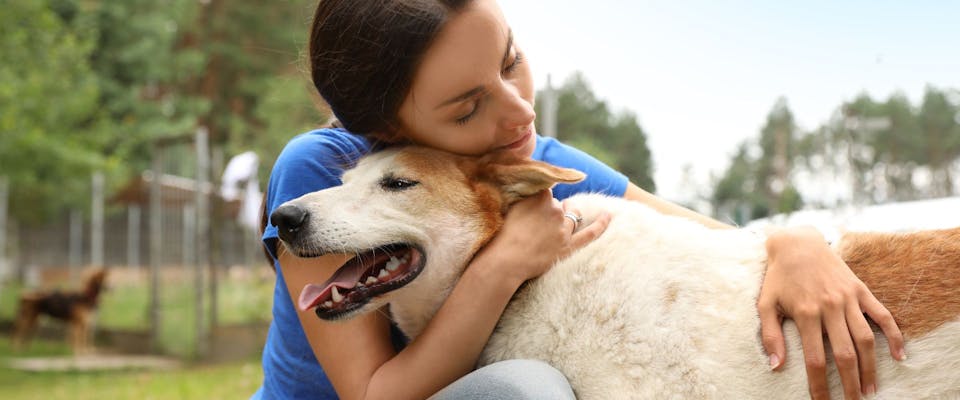
Credit: www.trustedhousesitters.com
Maintaining Progress
Maintaining progress with your rescue dog is just as important as the initial training. Without ongoing effort, even the best results can slip away. Staying engaged with your dog’s development helps build a strong, lasting bond and ensures good behavior becomes a permanent part of their routine.
Consistency In Training
Consistency is key to reinforcing what your rescue dog has learned. Stick to the same commands, routines, and rules every day to avoid confusion. When you and everyone in the household use consistent signals, your dog understands what is expected and feels more secure.
Think about your own learning—would you remember a skill if you only practiced once in a while? Dogs are the same. Regular short training sessions, even 5-10 minutes daily, keep their minds sharp and behaviors solid.
Regular Socialization
Socialization doesn’t end after the first few weeks. Your dog needs ongoing exposure to different people, animals, and environments to stay comfortable and confident. This helps prevent anxiety and unwanted reactions later on.
Try introducing your dog to new sights and sounds gradually. Visit parks, meet friendly dogs, or invite guests over. Watch how your dog reacts and adjust the pace to keep experiences positive.
Monitoring Long-term Development
Keep an eye on your dog’s behavior over time to catch any signs of regression or stress. Sometimes old habits resurface if something changes in their environment or routine. Being proactive lets you address problems before they become serious.
Ask yourself questions like: Is my dog still responding well to commands? Are there new triggers causing anxiety? Tracking progress helps you adapt your training approach as needed and keeps your rescue dog happy and balanced.

Credit: cincinnatianimalcare.org
Frequently Asked Questions
When Is The Best Time To Start Training A Rescue Dog?
Start training your rescue dog as soon as you bring them home. Early training helps build trust and establishes good behavior. It also reduces anxiety and prevents bad habits from forming, making the transition smoother for both you and your dog.
How Long Should Initial Training Sessions Last?
Keep initial training sessions short, around 5 to 10 minutes. Short sessions prevent overwhelming your rescue dog and keep them engaged. Gradually increase session length as your dog becomes more comfortable and focused during training.
What Are Key Training Priorities For Rescue Dogs?
Focus on basic commands like sit, stay, and come first. Establish a routine to create stability and security. Socialization and positive reinforcement are essential for building confidence and reducing fear or aggression in rescue dogs.
Can Rescue Dogs Learn New Commands Quickly?
Yes, rescue dogs can learn new commands quickly with patience and consistency. Positive reinforcement and gentle training methods help build trust and speed up learning. Every dog’s pace varies, so adapt training to fit your dog’s needs.
Conclusion
Starting training early helps rescue dogs feel safe and loved. Consistency and patience build trust between you and your dog. Small steps lead to big progress over time. Watch your dog’s signals and adjust training as needed. Every rescue dog learns at their own pace.
Training creates a stronger bond and a happier life together. Begin gently, stay calm, and enjoy the journey. Rescue dogs can thrive with the right care and training.