
Are you wondering if it’s okay to feed your adult dog puppy food? You’re not alone.
Many dog owners ask this question, especially when they want the best for their furry friend. But before you make a decision, it’s important to understand what’s really at stake. Feeding the wrong food can affect your dog’s health, energy, and happiness.
Keep reading to discover the surprising facts about puppy food for adult dogs—and learn how to choose the best diet for your loyal companion.
Differences Between Puppy And Adult Dog Food
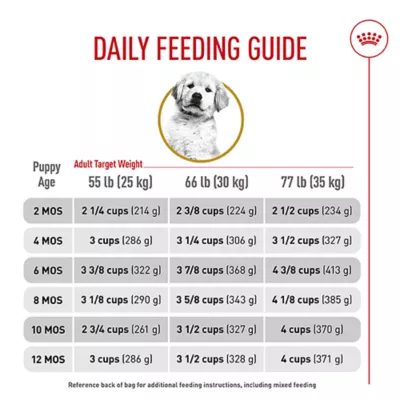
Understanding the differences between puppy and adult dog food is crucial for your pet’s health. Each type of food supports a specific life stage. Choosing the right one ensures your dog gets the nutrients it needs to thrive. Puppy food is designed to support rapid growth and development. Adult dog food focuses on maintaining health and energy levels. These differences affect ingredients, nutrient levels, and calorie content.
Nutritional Needs Of Puppies
Puppies require more calories than adult dogs to fuel their growth. They need extra protein to build muscles and strong bones. Essential fatty acids help develop the brain and coat. Vitamins and minerals support immune system and organ function. Puppies also need higher calcium and phosphorus levels for healthy bone development. Balanced nutrition helps prevent future health problems.
Nutritional Needs Of Adult Dogs
Adult dogs need fewer calories to avoid weight gain. Protein supports muscle maintenance rather than growth. Fat levels are adjusted to provide steady energy without excess. Fiber helps digestive health and regular bowel movements. Adult food includes antioxidants to support aging cells. Proper nutrient balance keeps adult dogs active and healthy.
Key Ingredient Variations
- Protein:Higher in puppy food for growth, moderate in adult food for maintenance.
- Fat:Increased in puppy food for energy, controlled in adult food to prevent obesity.
- Calcium and Phosphorus:Elevated in puppy food for bone development, balanced in adult food.
- Calories:More in puppy food to support fast metabolism, less in adult food.
- Fiber:Often higher in adult food for digestive health.
Credit: www.petsmart.com
Potential Effects Of Feeding Puppy Food To Adult Dogs
Feeding puppy food to an adult dog might seem harmless at first. However, puppy formulas are designed with higher calories and nutrients to support growth, which can lead to some unexpected effects when given to fully grown dogs. Understanding these potential impacts can help you make better choices for your dog’s health.
Weight Management Concerns
Puppy food is richer in calories and fat to fuel growing bodies. If your adult dog eats this regularly, they might start gaining weight quickly. Excess weight can put strain on their joints and lead to health issues like diabetes.
Have you noticed your adult dog gaining pounds despite no change in exercise? It might be time to check their food. Adjusting their diet to adult-specific formulas can help maintain a healthy weight.
Digestive Health Impacts
Adult dogs have different digestive needs compared to puppies. The higher protein and fat content in puppy food can cause stomach upset, diarrhea, or even constipation in some adult dogs. Digestive discomfort can affect their overall mood and appetite.
One time, my adult dog showed signs of loose stools after a few days on puppy food. Switching back to adult food quickly resolved the problem. Are you watching how your dog’s digestion responds to their diet?
Energy Levels And Activity
Puppy food provides extra energy, which might seem beneficial for active adult dogs. But too much energy intake without matching activity can lead to restlessness or weight gain. Conversely, some adult dogs might not feel satisfied with less calorie-dense food.
Consider your dog’s lifestyle carefully. Is their activity level high enough to justify a richer diet, or will it cause imbalances? Finding the right balance supports both energy and wellbeing.
When Puppy Food Might Be Suitable For Adults
Puppy food is rich in nutrients to support rapid growth and high energy needs. Some adult dogs might benefit from these extra nutrients. Feeding puppy food to adults is not always harmful. Certain conditions may call for the extra calories and vitamins found in puppy formulas.
Growth Or Recovery Phases
Adult dogs recovering from illness or surgery need extra nutrition. Puppy food can provide the protein and calories for healing. Puppies growing into larger sizes sometimes need extended feeding of puppy food. This supports bone and muscle development during growth spurts.
High Energy Or Working Dogs
Working dogs burn more calories daily. Puppy food meets the higher energy demands with extra fat and protein. Active dogs in jobs like herding or search and rescue need more fuel. Puppy food can help maintain their strength and stamina.
Veterinary Recommendations
Veterinarians may suggest puppy food for adult dogs in special cases. Dogs with weight loss or poor appetite might benefit from richer food. Some health conditions require extra nutrients found in puppy formulas. Always follow your vet’s advice before changing your dog’s diet.

Credit: www.petscare.com
Risks Of Prolonged Puppy Food For Adults
Feeding puppy food to an adult dog for too long can cause weight gain and nutrient imbalances. Adult dogs need fewer calories and different nutrients than puppies for healthy growth. Prolonged puppy food may lead to health problems like obesity or joint issues.
Feeding your adult dog puppy food for a prolonged period might seem harmless, but it can lead to some significant health issues. Puppy food is designed to support the rapid growth and high energy needs of young pups. However, when given to adult dogs, it can cause more harm than good. Let’s dive into the key risks associated with this dietary choice.Nutrient Imbalance
Puppy food is rich in proteins and fats to help young dogs grow strong. For an adult dog, this nutrient composition can lead to an imbalance. Your dog’s nutritional needs change as they age, and excess protein or fat can disrupt their health. Imagine eating a teenager’s diet packed with energy drinks and protein shakes as an adult. It might sound fun, but your body wouldn’t appreciate it over time. Ensure your adult dog gets a diet tailored to their current life stage to keep them healthy.Obesity And Related Health Issues
One of the biggest risks of feeding puppy food to an adult dog is obesity. Puppy food is calorie-dense to fuel growth. For an adult dog who no longer grows, those extra calories turn into unwanted pounds. Obesity in dogs can lead to a range of health problems, including joint pain, diabetes, and heart disease. Is your dog moving less or panting more? These could be signs of excess weight.Long-term Organ Stress
An adult dog’s organs are not designed to process the high levels of protein and fat found in puppy food for extended periods. This can put undue stress on their liver and kidneys. Over time, this stress can lead to organ damage or failure. It’s crucial to consider whether the short-term convenience of feeding the same food is worth the potential long-term health costs. Switching to an age-appropriate diet can help maintain your dog’s organ health and overall well-being. Take a moment to think about how you can best support your furry friend’s health journey.How To Transition Between Puppy And Adult Food
Switching your dog from puppy food to adult food needs careful planning. Sudden changes can upset their stomach and cause discomfort. A smooth transition helps your dog accept the new diet easily. Watch their health and behavior closely during this time. Consulting a vet ensures the best food choice for your dog’s age and needs.
Gradual Diet Changes
Start by mixing a small amount of adult food with puppy food. Increase the adult food portion each day. Over 7 to 10 days, the puppy food should disappear completely. This slow change helps your dog’s digestive system adjust. Sudden switches may cause diarrhea or vomiting. Keep meals consistent in timing and amount.
Monitoring Health And Behavior
Observe your dog’s appetite and energy levels daily. Watch for signs like vomiting, diarrhea, or constipation. Changes in stool quality may indicate intolerance to the new food. Notice if your dog seems lethargic or restless. Record any unusual behavior for reference. Healthy skin and coat reflect good nutrition. Adjust feeding based on your dog’s response.
Consulting Your Veterinarian
Your vet can recommend the best adult food type. They assess your dog’s weight, breed, and health conditions. Discuss any allergies or sensitivities your dog has. The vet may suggest supplements if needed. Regular check-ups ensure your dog thrives on the new diet. Follow professional advice for feeding amounts and schedules.

Credit: us.eukanuba.com
Selecting The Right Food For Your Dog’s Life Stage
Selecting the right food for your dog’s life stage is essential for their health. Puppies, adults, and seniors have different nutritional needs. Feeding the correct food supports growth, energy, and overall well-being. Choosing the right diet helps prevent health issues and keeps your dog happy.
Reading Pet Food Labels
Pet food labels show important information about ingredients and nutrients. Look for the life stage statement on the package. It tells if the food is for puppies, adults, or seniors. Check the protein, fat, and fiber amounts. High protein and fat suit puppies. Adult dog food has balanced nutrients for maintenance.
Considering Breed And Size
Breed and size affect your dog’s food needs. Small breeds burn energy faster and need more calories per pound. Large breeds need food that supports joint health. Some breeds have specific dietary needs. Choose food that matches your dog’s size and breed for best results.
Special Dietary Needs
Some dogs have allergies or health problems requiring special diets. Talk to your vet about allergies, weight issues, or medical conditions. Your vet can recommend food with limited ingredients or added supplements. Special diets help manage your dog’s health and improve quality of life.
Frequently Asked Questions
Can Adult Dogs Eat Puppy Food Safely?
Adult dogs can eat puppy food occasionally, but it’s not ideal. Puppy food has extra calories and nutrients meant for growth. Feeding it long-term may cause weight gain or nutrient imbalance in adult dogs.
What Happens If Adult Dogs Eat Puppy Food Regularly?
Regularly feeding adult dogs puppy food can lead to obesity. The extra calories and fat content can cause weight gain. It may also disrupt their balanced adult nutrient needs, potentially affecting their overall health.
Is Puppy Food More Nutritious Than Adult Dog Food?
Puppy food contains higher protein, fat, and calorie levels. These nutrients support rapid growth and development. Adult dog food has balanced nutrients tailored to maintenance, not growth. So, puppy food is richer but not suitable for adult dogs’ needs.
How To Transition Adult Dogs From Puppy To Adult Food?
Switch gradually over 7-10 days by mixing increasing amounts of adult food. This helps avoid digestive upset. Monitor your dog’s weight and health during the transition for best results.
Conclusion
Feeding puppy food to an adult dog is not always safe. Puppy food has extra nutrients for growth, which adults do not need. Too many nutrients can upset an adult dog’s health. Choose food made for your dog’s age and size.
Watch your dog’s weight and energy to see if food suits them. Always ask a vet before changing diets. Healthy food helps your dog live a happy, long life. Simple care makes a big difference.