Training your dog to follow commands can transform your daily life in ways you might not expect. Imagine having a loyal companion who listens the first time you call, waits patiently, and behaves calmly around others.
This isn’t just a dream—it’s something you can achieve with the right approach. Whether you’re a new dog owner or looking to improve your pet’s behavior, learning how to train your dog commands effectively will make your bond stronger and your home happier.
Keep reading, and you’ll discover simple, proven steps that anyone can use to teach their dog important commands quickly and confidently.
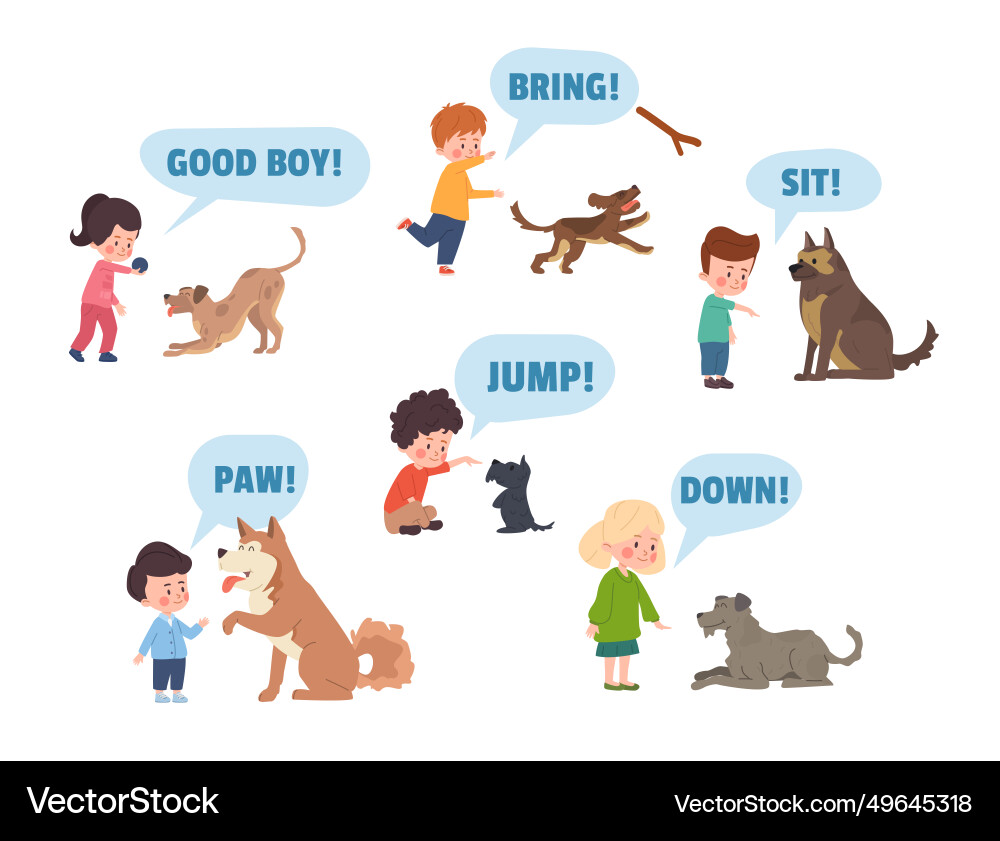
Credit: www.vectorstock.com
Choosing Basic Commands
Choosing the right basic commands is key to effective dog training. These commands build a foundation for good behavior and clear communication. Start with simple commands that your dog can learn quickly. This helps your dog understand what you expect. Basic commands also keep your dog safe in different situations. Focus on commands that are useful every day.
Sit
The “Sit” command is one of the easiest for dogs to learn. It teaches your dog to stop and pay attention. Use treats to encourage your dog to sit. This command helps control your dog in busy places or around guests. It is a polite way to ask your dog to wait calmly.
Stay
“Stay” tells your dog to hold its position. It builds patience and control. Start with short stays and increase the time slowly. This command helps keep your dog safe near roads or in crowded areas. It also makes other training easier.
Come
The “Come” command is important for your dog’s safety. It calls your dog back to you. Use a happy voice and treats to make coming to you fun. This command helps stop your dog from running away or chasing things. Practice it often in a quiet place.
Heel
“Heel” means your dog walks close to your side. It helps control your dog on walks. Teach your dog to walk beside you without pulling the leash. This command makes walks more enjoyable and safe. It also shows respect and good manners.

Credit: www.reddit.com
Preparing For Training
Preparing for training sets the foundation for your dog’s success. Before you begin teaching commands, getting everything ready can save you time and frustration. Think about what you need, when you’ll train, and how to keep things fun and encouraging for your dog.
Gathering Supplies
Having the right tools makes training smoother and more effective. Start with small, tasty treats that your dog loves to keep their attention.
You’ll also want a clicker or a consistent verbal marker like “yes” to let your dog know when they do something right. Don’t forget a sturdy leash and a collar or harness for control during outdoor sessions.
Consider toys as rewards too—they can be great motivators and break up the routine.
Setting A Training Schedule
Consistency is key. Pick specific times each day for short training sessions—about 5 to 10 minutes works best to hold your dog’s focus.
Try to train when your dog is alert but not overly excited or tired. Early mornings or after a walk are often good choices.
What times do you notice your dog is most responsive? Adjust your schedule around those moments to get the best results.
Creating A Positive Environment
Training should feel safe and fun for your dog. Choose a quiet spot without distractions so your dog can concentrate on learning.
Keep your tone cheerful and avoid punishment; positive reinforcement builds trust and enthusiasm.
Remember, your mood affects your dog. Stay patient and celebrate small victories to keep both of you motivated.
Step-by-step Training Process
Begin by choosing a quiet place to avoid distractions. Use clear words and reward your dog with treats for each correct response. Practice regularly, keeping sessions short and positive to build good habits.
Training a dog is not just about teaching commands; it’s about building a bond of trust and understanding between you and your furry friend. The step-by-step training process is your roadmap to instilling essential commands that will make life smoother for both you and your dog. It involves patience, consistency, and a sprinkle of fun. Let’s dive into each part of this journey.Introducing Commands
Begin by introducing simple commands like “sit,” “stay,” and “come.” Speak clearly, and ensure your dog is focused on you. Use a firm yet friendly tone to avoid intimidating your pet. Think about the time and place for training sessions. Choose a quiet environment where distractions are minimal. Short, frequent sessions work best, keeping your dog engaged without overwhelming them.Using Hand Signals
Pair verbal commands with hand signals to enhance understanding. Dogs are visual creatures, and hand signals can be a powerful tool. For example, an open palm facing down can indicate “sit.” Be consistent with your gestures. Use the same signal each time to avoid confusing your dog. This dual approach helps in situations where verbal communication might not work, like in noisy environments.Positive Reinforcement
Reward your dog immediately after they perform a command correctly. Use treats, praise, or a favorite toy as a reward. This positive reinforcement makes the learning process enjoyable for your dog. Avoid punishment or negative reinforcement. Focus on encouraging good behavior rather than highlighting mistakes. This keeps the training atmosphere positive and motivates your dog to learn.Consistency In Practice
Consistency is key in dog training. Regular practice helps reinforce what your dog has learned. Aim for at least 5-10 minutes of training each day. Involve all family members in the training process. This ensures your dog receives the same commands and signals from everyone, reinforcing the learning process. Have you ever noticed how dogs thrive on routine? Use this to your advantage by keeping a consistent schedule. By following these steps, you’ll not only teach your dog commands but also strengthen your relationship. Remember, training is a journey, not a race. Are you ready to embark on this rewarding adventure with your furry companion?Handling Common Challenges
Training a dog comes with challenges that can test any owner’s patience. Handling common issues like distractions, short attention spans, and unwanted behaviors is key. Understanding these hurdles helps keep training sessions effective and stress-free. Here are practical tips to tackle these common problems.
Dealing With Distractions
Distractions pull your dog’s focus away from commands. Start training in a quiet place with few interruptions. Gradually add distractions once your dog listens well.
- Use treats to keep your dog’s attention.
- Give clear, calm commands.
- Practice near other dogs or noises in short sessions.
- Reward good focus immediately.
Managing Short Attention Spans
Dogs, especially puppies, have brief attention spans. Keep training sessions short, about 5 to 10 minutes. Frequent breaks help your dog stay fresh and interested.
- Mix commands to avoid boredom.
- Use fun, high-value rewards.
- End sessions on a positive note.
- Repeat training regularly but avoid long sessions.
Correcting Unwanted Behavior
Unwanted behaviors can slow progress. Address them calmly and consistently. Avoid harsh punishments; they cause fear and confusion.
- Redirect behavior to a positive action.
- Use commands like “No” or “Leave it” firmly but kindly.
- Reward good behavior immediately.
- Be patient; change takes time.
Advanced Training Tips
Advanced training takes your dog’s skills beyond the basics. It challenges both you and your dog to build stronger communication and sharper responses. These tips will help you push your dog’s learning in ways that keep training sessions fresh and effective.
Increasing Command Difficulty
Once your dog masters simple commands, raise the challenge gradually. Add distractions like toys or other people nearby. Ask for longer durations, such as holding a “stay” for 30 seconds instead of 5.
Try combining commands, like “sit” followed by “down” without a break. This tests your dog’s ability to follow a sequence and stay focused. Have you noticed how your dog reacts when you switch up the order? That reaction can guide your next training move.
Training In Different Environments
Dogs can behave very differently at home versus outside. Practice commands in various locations—parks, streets, or even busy stores. This ensures your dog obeys regardless of distractions or unfamiliar settings.
Start in quiet places and slowly move to busier spots. Watch if your dog hesitates or looks confused; that’s a sign to slow down. Changing environments often reveals hidden gaps in your dog’s understanding.
Using Clicker Training
Clicker training offers precise timing that many dogs respond to quickly. The click sound marks the exact moment your dog performs the desired action. Pair the click with a treat to reinforce positive behavior.
This method reduces guesswork for your dog. It’s like giving instant feedback, which speeds up learning. Have you tried a clicker yet? Many trainers say it transforms their sessions from frustrating to fun.
Maintaining Training Success
Maintaining training success is key to a well-behaved dog. Consistency keeps commands clear and easy to follow. Without regular reinforcement, dogs may forget what they learned. Keep training part of daily life to maintain good habits.
Regular Practice
Practice commands daily, even for a few minutes. Short sessions work better than long ones. Use the same words and gestures every time. Practice in different places to generalize the behavior. This helps your dog obey anywhere.
Rewarding Progress
Reward your dog for following commands correctly. Use treats, praise, or playtime as rewards. Rewards motivate your dog to repeat good behavior. Celebrate small improvements to keep your dog eager. Avoid punishing mistakes; focus on positive reinforcement.
Keeping Training Fun
Make training enjoyable for both you and your dog. Use toys and games during sessions to hold interest. Change activities often to prevent boredom. Keep a calm and happy tone of voice. Training should be a bonding time, not a chore.
Credit: www.thetrustedcompanion.com
Frequently Asked Questions
How Long Does It Take To Train Basic Dog Commands?
Training basic dog commands usually takes 2 to 4 weeks. Consistent daily practice and positive reinforcement speed up learning. Each session should be short, around 10-15 minutes, to keep your dog engaged and motivated.
What Are The Easiest Commands To Teach A Dog?
The easiest commands to teach are “sit,” “stay,” and “come. ” These commands form the foundation of good behavior. Start with simple commands and gradually increase difficulty as your dog improves.
How Often Should I Train My Dog Daily?
Training your dog for 10-15 minutes twice a day is ideal. Short, frequent sessions keep your dog focused and prevent boredom. Consistency is key to reinforcing good habits.
What Tools Help In Training Dog Commands Effectively?
Use treats, clickers, and verbal praise to train commands. Treats motivate your dog, while clickers mark correct behavior. Positive reinforcement builds trust and encourages learning.
Conclusion
Training your dog takes time and patience. Small steps each day help build strong habits. Keep commands clear and use rewards often. Practice regularly to see steady progress. Enjoy the bond growing between you and your dog. Training brings joy and better behavior together.
Stay calm, consistent, and positive throughout. Your dog will learn and respond well. Simple commands create a happy, safe home. Keep training fun and never give up.