
Planning a trip with your dog can be exciting, but have you thought about how much it might cost? From transportation fees to pet-friendly accommodations, the expenses can add up quickly.
Understanding these costs beforehand helps you avoid surprises and ensures your furry friend has a comfortable, safe journey. You’ll discover the real expenses involved in traveling with a dog and tips to keep your budget in check. Ready to make your next adventure stress-free and affordable for both you and your pet?
Keep reading to find out how.
Planning Your Trip With A Dog
Planning a trip with your dog requires more than just packing a leash and some treats. You need to think carefully about where you’ll go, what rules you must follow, and what items your furry friend truly needs. Proper planning saves you money and keeps your pet safe and happy throughout the journey.
Choosing Dog-friendly Destinations
Not every place welcomes dogs the same way. Look for destinations that offer dog-friendly parks, trails, and accommodations. Some cities and resorts even provide special amenities like doggy pools or pet menus.
Think about your dog’s personality and energy level. Would they enjoy a quiet beach or an active hiking trail more? Picking the right spot ensures your dog feels comfortable and you both get the most out of the trip.
Travel Regulations And Requirements
Traveling with pets means following specific rules. Airlines, trains, and even hotels often have their own pet policies, including size limits, carrier rules, and health documentation. Check these details early to avoid last-minute surprises.
Are vaccinations up to date? Some countries require a pet passport or quarantine period. Knowing these requirements can prevent costly delays or denied entry.
Packing Essentials For Your Pet
What you bring can make or break your dog’s travel experience. Beyond food and water, pack familiar items like their favorite blanket or toy to reduce anxiety. Don’t forget a portable water bowl and waste bags for walks.
- Leash and harness
- Health records and vaccination certificates
- Medications and flea/tick treatments
- Comfort items (blanket, toys)
- Portable food and water bowls
- Waste bags
Have you ever forgotten a simple item that caused stress during travel? Preparing a checklist can help you avoid those moments and keep your dog happy on the road.
Transportation Costs
Transportation costs are a major part of traveling with a dog. Different travel modes have different fees and rules. Planning ahead helps manage expenses and avoid surprises. Knowing what to expect makes the journey smoother and cheaper.
Flying With Your Dog
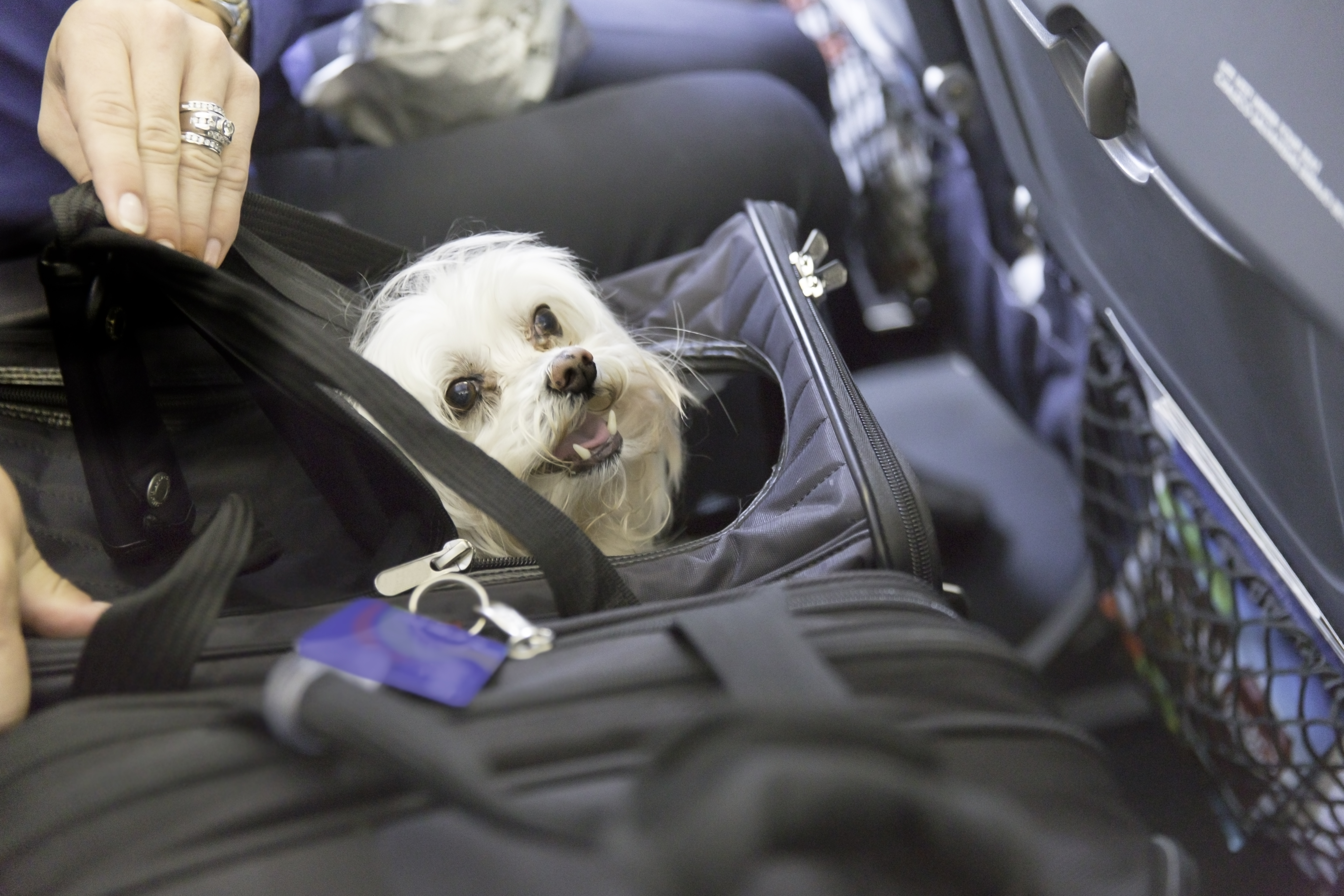
Airlines often charge a fee for pets on board. This fee can range from $75 to $200 each way. Small dogs may travel in the cabin, but larger dogs usually go in the cargo hold. Booking early helps secure your dog’s spot. You might also need a special carrier that fits airline rules. Some airlines require health certificates and vaccinations. These add to the overall cost.
Road Trips And Fuel Expenses
Driving with your dog means fuel costs rise depending on distance. Larger vehicles use more gas, so consider fuel efficiency. Plan for extra stops to let your dog stretch and drink water. Parking fees and tolls may add to expenses. Bringing your own food and water for your dog saves money. No extra charges for pets in the car, but safety gear like seat belts or crates is essential.
Train And Bus Travel
Train and bus companies have different pet policies. Some allow small dogs for a small fee, usually $10 to $50. Larger dogs might not be accepted or need a special ticket. Carriers or leashes are usually required. Check rules before booking to avoid extra charges. Public transport may limit pet travel during busy times. Planning helps ensure a smooth ride for you and your dog.
Accommodation Expenses
Traveling with your furry friend can add a layer of excitement to your adventures, but it also introduces a new set of considerations, especially when it comes to accommodation expenses. Balancing your budget while ensuring your dog is comfortable and welcome is key. Let’s explore some practical tips and options for finding the perfect place to stay without breaking the bank.
Pet-friendly Hotels And Rentals
Finding a pet-friendly hotel or rental doesn’t have to be a daunting task. Many major hotel chains like Marriott and Hilton have embraced pet policies, allowing your dog to stay with you for an additional fee. It’s important to check in advance what amenities are included for your pet, such as dog beds or treats.
Vacation rentals, often found on platforms like Airbnb or Vrbo, can offer more space for your dog to roam. Some hosts even provide fenced yards or dog-friendly beaches nearby. Always read the reviews to ensure the property lives up to its pet-friendly promise.
Booking Tips To Save Money
Saving on accommodation when traveling with your dog is possible with a few savvy strategies. Look for hotels that offer pet packages, which might include waiving pet fees or providing a special rate. Signing up for loyalty programs can also unlock discounts and perks.
Booking in advance can often secure better rates, especially during peak travel seasons. Consider using apps that offer last-minute deals if you’re flexible with your plans. Always double-check the cancellation policy in case you need to change your plans.
Alternative Lodging Options
Beyond traditional hotels and rentals, consider unique lodging options that might be more budget-friendly. Camping is a great way to enjoy the great outdoors with your dog, and many campgrounds welcome pets. Ensure you check the leash rules and available facilities.
House swapping or pet sitting can also be creative ways to find accommodation. Websites like TrustedHousesitters connect pet owners with people willing to look after their home and pets in exchange for a place to stay. It’s a win-win situation if you enjoy a homely environment.
Have you ever considered these options for your travels? Finding the right accommodation for both you and your dog can make your trip truly memorable.
Credit: www.nerdwallet.com
Food And Supplies Budget
Traveling with a dog means planning for food and supplies. These costs can add up quickly. Budgeting for dog food, treats, toys, and health products keeps your trip smooth. It also keeps your pet happy and healthy during travel.
Buying Dog Food On The Go
Buying dog food while traveling can be more expensive. Pack some of your dog’s favorite food to start. Look for pet stores or supermarkets along the route. Prices and availability may vary by location. Small bags or travel packs are easier to carry. Check labels to match your dog’s usual diet. Switching food suddenly can upset your dog’s stomach.
Treats And Toys
Treats help keep your dog calm and happy on trips. Bring a small supply from home to avoid high costs. Choose lightweight treats that do not spoil easily. Toys distract your dog during long waits or rides. Pick compact and durable toys to save space. Avoid noisy toys that may disturb others.
Health And Hygiene Products
Health products include flea and tick prevention and any medications. Bring enough for the whole trip to avoid emergencies. Hygiene products like wipes, poop bags, and shampoo keep your dog clean. Travel-sized bottles save space and weight. Keeping your dog clean helps prevent infections and discomfort.
Health And Safety Costs
Traveling with your dog means prioritizing their health and safety, which comes with its own set of costs. These expenses are essential to ensure your furry friend stays healthy, comfortable, and protected throughout the journey. Knowing what to budget for can help you avoid surprises and keep your pet’s well-being at the forefront.
Vaccinations And Vet Visits
Before any trip, your dog needs up-to-date vaccinations. This includes common shots like rabies, distemper, and parvovirus, plus any specific vaccines required for your destination. A vet visit typically costs between $50 and $150, but added vaccinations or health certificates can increase that amount.
Scheduling a pre-trip check-up also helps catch any hidden health issues. If your dog has special needs, you might spend more on medications or treatments. Think of these visits as an investment in peace of mind.
Travel Insurance For Pets
Pet travel insurance can cover unexpected illnesses, accidents, or even trip cancellations related to your dog. Policies vary widely, costing anywhere from $10 to $50 per month depending on coverage. It’s worth considering if you want to avoid high vet bills while away from home.
Ask yourself: would a sudden emergency ruin your trip or your budget? Having insurance means you can focus on enjoying your travel without constant worry about medical expenses.
Emergency Care Planning
Emergencies can happen at any time, so knowing where to find a 24/7 vet or animal hospital at your destination is crucial. Costs for emergency care can be steep, ranging from $200 to over $1,000 depending on the situation. Setting aside a separate emergency fund for your dog can save you stress later.
Consider carrying a pet first-aid kit and learning basic emergency care skills. Being prepared can reduce risks and improve your dog’s safety. How ready are you to handle an unexpected health issue while traveling?

Credit: www.youtube.com
Activity And Entertainment Fees
Activity and entertainment fees are an important part of your travel budget when bringing your dog along. These costs cover the fun and engagement your furry friend will have during your trip. Knowing what to expect can help you plan better and avoid surprises while ensuring your dog enjoys the adventure as much as you do.
Dog-friendly Attractions
Many tourist spots now welcome dogs, but some charge an entry fee or require a reservation for pets. Popular dog-friendly museums, historical sites, or even beaches might have specific rules and fees. Have you checked if your destination offers discounts for pets or special dog passes?
Visiting a dog-friendly winery or café often means a small fee or a minimum purchase. These places sometimes host dog events or offer dog treats, which add to the cost but make the experience memorable for both of you.
Parks And Outdoor Activities
National parks and nature reserves usually allow dogs but may require a permit or pay-to-enter pass. These fees vary widely depending on the location and can range from a few dollars to over $30. Is your dog ready for a hike, and have you factored in the cost of permits or parking?
Dog parks and beaches often don’t charge admission, but some private or specialty parks might have a daily fee or membership option. These places offer off-leash fun, agility courses, or swimming spots that can keep your dog entertained for hours.
Training And Daycare Services
If you plan to spend time on activities where dogs aren’t allowed, you might need daycare or training services. Daily rates for doggy daycare can range from $20 to $50 depending on the facility’s location and amenities. Have you considered how these services fit into your schedule and budget?
Training sessions, especially if you want to work on travel-specific commands or socialization, can add to costs. Group classes are more affordable, but private lessons tailored to travel needs might be worth the extra expense for a smoother trip.
Tips To Cut Travel Costs
Traveling with your dog can be a joyful experience, but it often comes with extra expenses. Cutting down these costs doesn’t mean sacrificing comfort or fun. It means being smart about planning and taking advantage of opportunities to save.
Booking In Advance
Booking your flights, accommodations, and pet services early can save a significant amount of money. Many pet-friendly hotels offer lower rates for early reservations. Airlines also tend to have cheaper pet fees if you book well ahead of your travel date.
Think about how far in advance you usually plan your trips. Could booking two to three months earlier reduce your expenses? It’s a simple habit that often pays off.
Using Rewards And Discounts
Do you have credit cards that offer travel rewards? Use those points to cover part of your trip or pet fees. Also, check for discounts specifically for traveling with pets, like reduced pet boarding fees or waived pet charges at certain hotels.
Don’t forget to sign up for newsletters from airlines and pet service providers. They often send exclusive deals directly to subscribers. Have you ever missed a discount because you didn’t check your email?
Traveling Off-season
Choosing to travel during the off-season can drastically lower your costs. Many destinations charge less for pet-friendly stays when fewer tourists are around. Flights and pet fees may also drop during these quieter times.
Ask yourself if a trip during less busy months could still fit your schedule. What’s the value of saving money versus traveling at peak times? Sometimes adjusting your plans slightly opens up a whole new range of affordable options.
Credit: www.jetblue.com
Frequently Asked Questions
How Much Does Airline Pet Travel Cost?
Airline pet travel fees vary between $75 and $500. Costs depend on airline policies, pet size, and travel type. In-cabin travel is usually cheaper than cargo. Additional expenses may include health certificates and pet carriers.
What Are Typical Pet Accommodation Costs While Traveling?
Pet accommodation fees range from $20 to $100 per night. Prices vary based on location, hotel policies, and room type. Some hotels charge a flat fee, while others charge per night. Booking pet-friendly lodging in advance can save money.
How Much Does Pet Travel Insurance Cost?
Pet travel insurance usually costs $10 to $30 per month. It covers accidents, illnesses, or emergencies during travel. Rates depend on pet age, breed, and coverage level. Insuring your dog provides peace of mind on trips.
Are There Extra Fees For Dog Transportation Services?
Yes, professional dog transportation services charge $200 to $1,000+. Costs depend on distance, service type, and pet size. Some services include door-to-door pickup and drop-off. Research and compare providers to find the best value.
Conclusion
Traveling with a dog involves extra costs to plan for. Expenses include transportation, pet fees, and supplies. Budgeting helps avoid surprises and keeps trips smooth. Each journey may cost differently based on distance and needs. Careful preparation ensures your dog stays happy and safe.
Enjoy your trip without stress by knowing the costs first. This way, both you and your dog can have fun together.