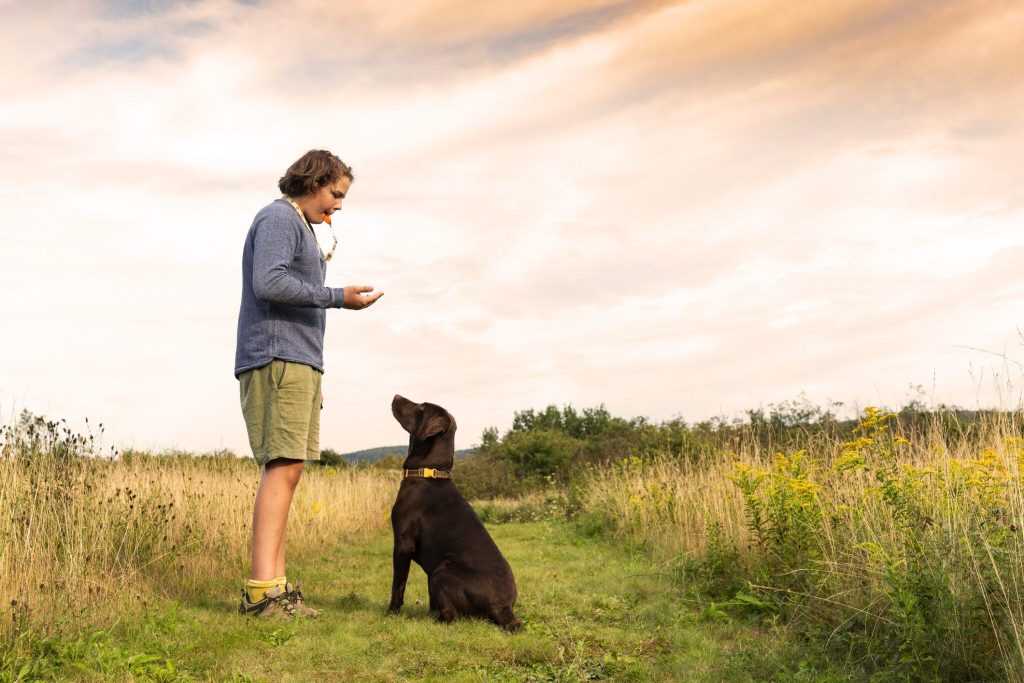

Training your dog with a whistle can change the way you communicate with your furry friend. Imagine calling your dog from a distance and having them come instantly, no matter the distractions.
Sounds amazing, right? Using a whistle is simple, effective, and can make your bond stronger. In this guide, you’ll discover easy steps to teach your dog to respond to whistle commands. Get ready to unlock a new level of obedience and fun with your dog! Keep reading to learn how you can start training today.

Credit: www.amazon.ca
Choosing The Right Whistle
Choosing the right whistle is key to successful dog training. A whistle must catch your dog’s attention without causing stress. The sound should be clear and consistent for easy learning. Different whistles offer different sounds and features. Understanding these helps you pick the best one for your dog.
Types Of Dog Whistles
- Pea Whistles:Traditional whistles with a small ball inside. They produce a loud, sharp sound.
- Ultrasonic Whistles:Emit high-pitched sounds beyond human hearing. Dogs hear them clearly.
- Metal Whistles:Durable and weather-resistant. Good for outdoor training.
- Plastic Whistles:Lightweight and often quieter. Suitable for indoor use.
Selecting The Best Frequency
Dogs hear higher frequencies better than humans. Whistles that use ultrasonic tones work well. Choose a frequency your dog responds to quickly.
Common whistle frequencies range from 2,000 to 4,000 Hz. Some dogs prefer lower tones; others react to higher pitches.
Test different frequencies to find what suits your dog’s hearing. A clear, consistent pitch helps your dog learn commands faster.
Preparing Your Dog For Whistle Training
Preparing your dog for whistle training sets the stage for success. Your dog needs to feel safe and ready to learn new signals. Creating the right mood helps your dog pay attention to the whistle sound. Training in a calm space reduces distractions and builds focus. Consistency and timing strengthen your dog’s understanding. These steps make the training process smoother and more effective.
Creating A Positive Environment
Choose a quiet place with few distractions. This helps your dog listen closely to the whistle. Use a calm voice and gentle touch to comfort your dog. Offer treats and praise to reward good behavior. Keep training sessions short to avoid stress. A happy dog learns better and faster.
Timing And Consistency
Use the whistle at the same time during training. Always follow the whistle with a reward or command. Practice daily to build strong habits. Be patient and repeat signals clearly. Consistent training helps your dog connect the sound with actions. This creates reliable responses over time.
Basic Whistle Commands
Basic whistle commands form the foundation of training your dog. These commands use simple whistle sounds to communicate clear instructions. Dogs respond well to whistles because the sound travels far and is consistent. Learning these commands helps you control your dog easily during walks or playtime.
Calling Your Dog
Use a sharp, short whistle blast to call your dog. This sound should be distinct and easy to recognize. Start training in a quiet area with few distractions. Blow the whistle and wait for your dog to come to you. Reward your dog with praise or a treat when it arrives. Repeat this several times to build understanding. Gradually increase distance and distractions for better results.
Stopping And Attention Signals
A long, steady whistle can signal your dog to stop or pay attention. Use this sound when your dog is moving away or not listening. Blow the whistle clearly and remain calm. When your dog stops or looks at you, offer a reward. This teaches your dog to focus on the whistle sound. Practice often to make the signal strong and reliable.
Step-by-step Training Process
Training a dog with a whistle involves clear signals and consistent practice. The process builds a strong connection between you and your dog. Follow these steps to ensure your dog understands and responds well to whistle commands.
Introducing The Whistle
Start by letting your dog hear the whistle sound in a calm environment. Blow the whistle once and immediately give a treat or praise. Repeat this several times so the dog links the sound with positive rewards. Keep sessions short to hold your dog’s attention.
Reinforcing Responses
Use the whistle to ask your dog to perform simple actions like coming or sitting. Blow the whistle, wait for your dog’s response, and reward it quickly. Consistency matters. Always reward correct responses with treats or affection. Avoid giving treats for no response to keep training effective.
Practicing In Different Settings
Practice whistle training in various places to improve reliability. Start in your backyard, then try parks or quiet streets. This helps your dog learn to respond despite distractions. Keep sessions short and positive. Gradually increase distance between you and your dog for better control.
Common Challenges And Solutions
Training a dog with a whistle can face some common challenges. Understanding these helps you stay patient and consistent. This section covers typical issues and how to overcome them.
Ignoring The Whistle
Sometimes dogs ignore the whistle sound. They might not connect it with a command or reward yet. Repetition and clear association are key. Blow the whistle, then offer a treat or praise immediately.
Try these tips:
- Use a high-quality, consistent whistle tone.
- Start training in a quiet place with no distractions.
- Reward your dog right after the whistle sound.
- Keep sessions short and positive.
Distractions During Training
Distractions can make dogs lose focus. Other animals, noises, or people may divert their attention. Gradually introduce distractions to build focus over time.
- Begin training indoors or in a calm yard.
- Slowly add mild distractions like toys or movement.
- Reward your dog for returning attention to the whistle.
- Be patient and increase distractions step by step.
Advanced Whistle Training Tips
Once your dog understands the basics of whistle training, you can take it a step further with advanced techniques. These tips help sharpen your dog’s responsiveness and make training more effective in real-life situations. You’ll see faster reactions and better control, especially in busy or distracting environments.
Combining Whistle With Verbal Commands
Using a whistle alongside verbal commands can strengthen your dog’s understanding. Start by blowing the whistle and immediately giving the verbal cue. This creates a clear connection between the sound and the word in your dog’s mind.
Practice this in short sessions to avoid confusion. For example, blow the whistle and say “come” or “sit” right after. Over time, your dog will respond to either the whistle or the verbal command, giving you more flexibility.
Have you noticed how your dog reacts differently to sounds versus words? Try mixing both and observe which your dog prefers. This can guide you on when to use the whistle alone or pair it with commands.
Using Whistle For Recall At Distance
Recall is one of the most important commands for any dog, especially when off-leash. A whistle is perfect for this because the sound travels far and cuts through background noise better than your voice.
Start training recall at a short distance and gradually increase it. Blow the whistle, then reward your dog immediately when they come to you. Consistent rewards build a positive link between the whistle and returning to you.
Try this in different environments like parks or trails. Notice how your dog’s response changes with distance and distractions. This helps you adjust your training approach to keep their focus sharp.
Maintaining And Strengthening Training
Consistent practice with a whistle helps keep your dog’s training sharp and reliable. Repeating commands and rewarding good behavior builds strong habits over time. Regular sessions make the dog more responsive and focused on the whistle signals.
Maintaining and strengthening your dog’s training with a whistle is essential for ensuring your furry friend remains obedient and responsive. Consistency is key, but it’s not just about repeating commands—it’s about making each session meaningful. Think of it as reinforcing a bridge, where each practice session adds another layer of strength.Regular Practice Sessions
Dedicate specific times each week for training. Consistency helps your dog understand that these sessions are a regular part of their routine. Keep sessions short, around 10-15 minutes, to maintain focus and prevent boredom. A focused session is more effective than a lengthy one where attention wanes. Use varied environments to practice. This helps your dog generalize commands and respond well in different settings. Have you ever wondered why your dog listens perfectly at home but not at the park? It’s all about context.Reward Systems And Motivation
Rewards are your best friend when it comes to motivating your dog. Use treats, toys, or praise to reinforce positive behavior. Remember, not all rewards are created equal. What excites one dog might not work for another. Observe what your dog loves the most and use it to your advantage. Switch up the rewards to keep things exciting. If your dog knows a treat is coming, they’re more likely to be attentive and eager to learn. Are you making the most out of your reward system?
Credit: minda.by

Credit: www.amazon.ca
Frequently Asked Questions
How Does Whistle Training Benefit Dog Obedience?
Whistle training improves dog obedience by providing a clear, consistent signal. Dogs respond well to distinct sounds. It enhances communication and helps with recall, commands, and control from a distance. This method is effective for all dog breeds and strengthens the owner-dog bond.
What Type Of Whistle Is Best For Dog Training?
A high-pitched, consistent dog whistle is best for training. It should produce a clear sound that dogs can easily hear. Avoid whistles that vary in tone or volume. Ultrasonic whistles are also popular as dogs can hear frequencies humans cannot.
How Long Does It Take To Train A Dog With A Whistle?
Training duration varies but usually takes a few weeks. Consistent daily sessions of 10-15 minutes yield the best results. Patience and repetition are key. Dogs learn faster with positive reinforcement and clear whistle commands.
Can Whistle Training Replace Verbal Commands For Dogs?
Yes, whistle training can effectively replace verbal commands. It offers a consistent and distinct sound dogs recognize. Whistle commands work well in noisy environments or at long distances. Many trainers combine whistles with verbal cues for clarity.
Conclusion
Training a dog with a whistle takes patience and practice. Start with clear, consistent signals and reward your dog often. The whistle helps your dog focus and listen better. Keep training sessions short and fun to hold their attention. Over time, your dog will respond quickly and happily to the whistle.
This method builds trust and improves communication. Remember, every dog learns at its own pace. Stay calm and enjoy the process together. Whistle training can make walks and playtime more enjoyable for both of you. Give it a try and see the difference!