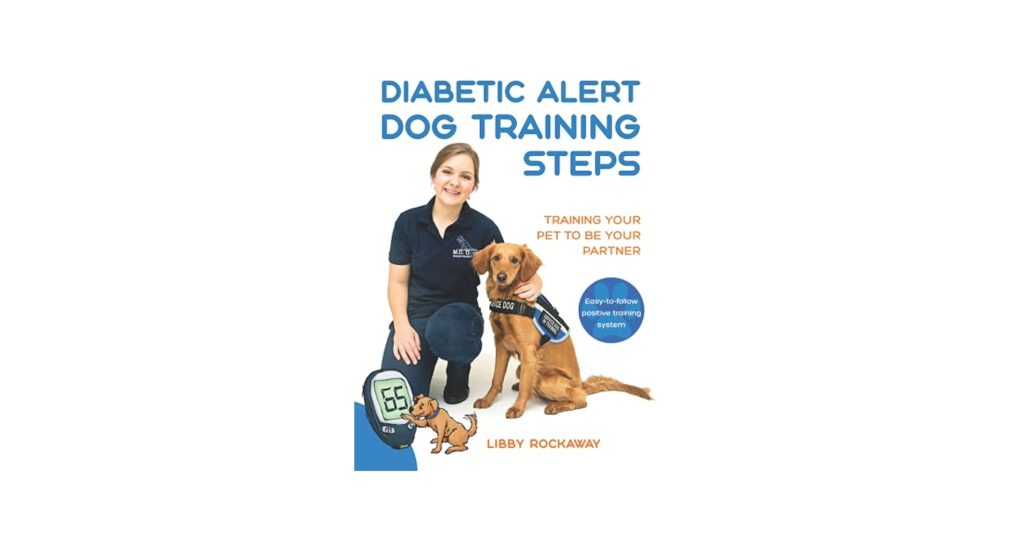

Imagine having a loyal companion who can sense danger before you even realize it yourself. If you or someone you love struggles with hypoglycemia, a specially trained dog can become a lifesaver.
You might wonder how to train a dog to detect those dangerous drops in blood sugar. This guide will walk you through simple, effective steps to help your dog become your alert and trusted partner. Keep reading to discover how this incredible bond can transform your safety and peace of mind.

Credit: askavet.com
Choosing The Right Dog
Choosing the right dog is the first step in training a hypoglycemia detection dog. Not every dog fits this important role. The dog must have specific qualities to sense and alert low blood sugar. Careful selection improves the chance of success and safety for the person.
Traits For Hypoglycemia Detection
Good detection dogs have sharp noses and strong focus. They stay calm in busy places and listen well. High energy helps them stay active during training and daily tasks. They should also be eager to please and quick learners. Patience and sensitivity to their handler’s needs are vital.
Breeds That Excel
- Labrador Retrievers: Friendly, smart, and easy to train.
- Golden Retrievers: Gentle, loyal, and very attentive.
- German Shepherds: Intelligent, alert, and highly trainable.
- Poodles: Quick learners with great noses and low shedding.
- Border Collies: Energetic, focused, and excellent problem solvers.
Assessing Temperament
Temperament is key for a detection dog’s success. The dog must handle stress without fear or aggression. Social skills matter—they need to work well with people and other animals. Observe how the dog reacts to new sounds and environments. A confident and friendly dog is easier to train and live with.
Basics Of Hypoglycemia Detection
Training a dog to detect hypoglycemia starts with understanding the basics. Hypoglycemia means low blood sugar. It can be dangerous and needs quick attention. Dogs have a natural ability to sense changes in the body. Teaching this skill helps keep people safe and healthy.
How Dogs Sense Low Blood Sugar
Dogs use their powerful noses to detect chemical changes. When blood sugar drops, the body releases different scents. Dogs pick up these smells before symptoms appear. They can alert their owners to take action early. This ability comes from their keen sense of smell, which is thousands of times stronger than humans’.
Common Hypoglycemia Indicators
Hypoglycemia shows many signs that dogs learn to recognize. These include:
- Shaking or trembling
- Sweating more than usual
- Sudden confusion or dizziness
- Weakness or fatigue
- Rapid heartbeat
- Changes in behavior or mood
Dogs notice subtle changes in scent and behavior. They alert their owners by barking, nudging, or other trained signals. This early warning helps prevent serious health issues.
Training Preparation
Preparing your dog for hypoglycemia detection involves patience and consistency. Begin by introducing scents linked to low blood sugar. Reward your dog often to encourage focus and positive learning.
Training a dog to detect hypoglycemia requires careful preparation. This stage sets the foundation for successful learning. Start with understanding your dog’s needs and your training expectations. Proper preparation makes the process smooth and effective.Gathering Necessary Tools
Begin by collecting essential training tools. Use a clicker for positive reinforcement. Have plenty of treats for rewards. Use a leash to control and guide your dog. A scent sample will help the dog recognize hypoglycemia. Keep a notebook to track progress and note observations.Setting Training Goals
Define clear, achievable goals for the training. Decide what specific behaviors you want your dog to learn. Set a timeline for each training milestone. Ensure your goals are realistic and adapt them as needed. Regularly review progress to stay on track.Creating A Safe Environment
Set up a safe space for training sessions. Remove distractions to keep your dog focused. Ensure the area is comfortable and familiar. Use soft surfaces to prevent injury during exercises. Maintain a calm and positive atmosphere. This environment will foster effective learning.Step-by-step Training Process
Training a dog to detect hypoglycemia requires patience and clear steps. This process helps the dog learn to recognize low blood sugar through scent. The training builds a strong bond and trust between the dog and owner. Each stage focuses on a specific skill that the dog must master. Consistency is key to successful training.
Introducing Scent Samples
Start by collecting scent samples from the person during low blood sugar episodes. Use a clean cloth to capture the scent. Present the cloth to the dog in a quiet space. Let the dog sniff and explore the scent without distractions. Repeat this often to help the dog recognize the unique smell. Use fresh samples regularly to keep the scent strong.
Teaching Alert Behaviors
Choose a clear alert behavior for your dog, like pawing or barking. Encourage the dog to perform this behavior when near the scent sample. Reward the dog immediately when it shows the correct alert. Practice this in short sessions to keep the dog focused. Gradually increase the challenge by hiding the scent or adding distractions. The dog learns to signal the alert reliably.
Reinforcing Positive Responses
Use positive reinforcement to strengthen the dog’s alert skills. Reward with treats, praise, or play whenever the dog alerts correctly. Keep training sessions fun and short to maintain interest. Avoid punishment to prevent fear or confusion. Repeat training regularly to maintain the dog’s skills. Celebrate small successes to motivate both dog and owner.
Advanced Training Techniques
Advanced training techniques push your dog’s ability to detect hypoglycemia beyond basic commands. This phase requires patience, precision, and creativity to ensure your dog can alert you accurately in varied environments. Your goal is to make the alert behavior reliable and spontaneous, no matter where you are or what’s happening around you.
Generalizing Alerts In Different Settings
Dogs can easily get used to alerting in just one place, like your living room. But hypoglycemia can happen anywhere—at a grocery store, a park, or a friend’s house. To prevent your dog from only responding at home, practice alerting in multiple locations.
Take your dog to different rooms, outside spaces, and public areas. Reward your dog every time they alert correctly, no matter where you are. This helps your dog understand that the alert behavior is important everywhere, not just in one spot.
Training For Public And Home Use
Your dog needs to know how to behave differently at home and in public. At home, your dog might get close to you and bark or nudge you gently. In public, a loud bark might not be appropriate, so teaching a more subtle alert like pawing or a quiet lick is useful.
Practice these different signals with consistent rewards. You can create a list of alert behaviors your dog can switch between depending on the environment. This flexibility is key to making sure your dog’s alerts are noticed and acted upon without causing embarrassment or distraction.
Handling Distractions
Distractions are everywhere and can make your dog lose focus. Imagine you’re at a busy market and your dog is surrounded by people, noises, and smells. How do you ensure your dog still spots your low blood sugar signs?
Start training with minor distractions and gradually increase their intensity. Use treats and praise to keep your dog’s attention on you. Practicing impulse control exercises like “stay” and “focus” can improve your dog’s ability to ignore distractions and perform their alert task reliably.

Credit: www.urbanpethospital.com
Maintaining And Refreshing Skills
Training a dog to detect hypoglycemia is just the beginning. Maintaining and refreshing these critical skills ensures your dog stays sharp and reliable. Without regular reinforcement, your dog’s ability to alert you may weaken over time, which could impact your safety.
Regular Practice Sessions
Keep your dog’s detection skills strong by scheduling regular practice sessions. These don’t need to be long—just short, focused exercises that simulate real-life situations.
Try mixing in different scents or settings to keep your dog engaged. Have you noticed how your dog reacts differently in various environments? This variability helps maintain alertness and prevents boredom.
Monitoring Dog’s Health
Your dog’s health directly affects its performance. Fatigue, illness, or stress can reduce their sensitivity and motivation to alert you.
Watch for signs like lethargy or disinterest during training. Regular vet check-ups ensure your dog stays physically able to perform this demanding role.
Adjusting Training Over Time
Your dog will grow and change, so your training must evolve too. Adapt your techniques as your dog matures or as your lifestyle shifts.
For example, if your daily routine changes, incorporate training into new time slots or activities. Have you considered adding new commands or rewards that match your dog’s current preferences?
Working With Professionals
Training a dog to detect hypoglycemia is a specialized process that requires more than just basic obedience skills. Working with professionals ensures your dog learns the right signals and behaviors to alert you effectively. This collaboration also helps tailor the training to your specific medical needs, making the partnership between you and your dog much stronger and more reliable.
Finding Experienced Trainers
Look for trainers who have proven experience with medical alert dogs, especially those trained to detect hypoglycemia. Not all dog trainers have this specific expertise, so ask about their background and success stories. You want someone who understands the nuances of scent detection and can teach your dog to recognize changes in your body chemistry.
Ask trainers about their training methods and how they handle challenges during the process. It’s important they use positive reinforcement and gradually build your dog’s confidence. You might find local organizations or certified trainers through medical alert dog associations or support groups.
Collaborating With Medical Experts
Your healthcare provider plays a vital role in the training journey. They can provide detailed information about your hypoglycemia episodes, such as symptoms and timing, which trainers can use to customize the dog’s alerts. Sharing medical data helps the trainer understand exactly what your dog needs to detect.
Regular communication between your doctor, trainer, and you keeps everyone aligned. This teamwork ensures the dog’s training remains accurate as your condition changes. Have you discussed your plan with your endocrinologist or diabetes educator yet? Their input can make a significant difference in your dog’s success.
Legal And Ethical Considerations
Training a dog to detect hypoglycemia involves important legal and ethical factors. These protect both the dog handler and the dog. Understanding these issues helps keep training safe and respectful. It also ensures the dog can perform its tasks without problems.
Certification And Documentation
Certification proves a dog is trained to detect hypoglycemia. It shows the dog meets set standards for accuracy and behavior. Many places require this proof for access rights and legal protection.
Documentation includes training records and health checks. It helps track the dog’s progress and well-being. Keep all papers updated and available. This avoids confusion in public or medical settings.
Rights And Responsibilities
Handlers have rights to access public places with their detection dogs. This includes stores, transport, and healthcare facilities. Laws protect these rights, but handlers must respect rules and other people.
Responsibilities include caring for the dog’s health and training. Handlers must ensure the dog behaves well in public. They must also avoid putting the dog in harm’s way.
Being aware of these rights and duties creates trust. It helps the dog assist effectively and safely.
Credit: www.allivet.com
Frequently Asked Questions
How Long Does Hypoglycemia Dog Training Take?
Training a dog to detect hypoglycemia typically takes 3 to 6 months. Consistency and positive reinforcement speed up learning. Regular practice sessions improve the dog’s accuracy and reliability in detecting low blood sugar.
What Breeds Are Best For Hypoglycemia Detection?
Breeds like Labrador Retrievers, German Shepherds, and Poodles excel in hypoglycemia detection. They have strong scent abilities, high intelligence, and eagerness to learn. However, any well-trained dog can potentially detect hypoglycemia with proper guidance.
How Does A Dog Detect Hypoglycemia Symptoms?
Dogs detect hypoglycemia by sensing chemical changes in a person’s breath or sweat. They alert their owner through specific trained behaviors like pawing or barking. This early warning helps prevent dangerous low blood sugar episodes.
Can Anyone Train Their Dog For Hypoglycemia Detection?
Yes, anyone with patience and the right techniques can train their dog. Professional guidance or specialized training programs enhance success. Commitment to ongoing practice is essential to maintain the dog’s detection skills.
Conclusion
Training a dog to detect hypoglycemia takes patience and care. Each step helps your dog learn important signals. Consistent practice makes the dog more confident and accurate. A well-trained dog can provide real help in emergencies. This bond between you and your dog grows stronger.
Remember, small daily efforts bring the best results. Your dog becomes a trusted partner for health safety. Keep training simple and positive for lasting success. Trust the process and enjoy the journey together.